John Davis Woodruff Center Residential Care

139 West Highway 64, Mc Crory, AR 72101

For more information about senior living options: (844) 490-3973

3.7 from 9 reviews
5 stars
6
4 stars
0
3 stars
0
2 stars
0
1 stars
3

Skilled Nursing Facility

What level of care are you interested in?

Assisted Living

Memory Care

Independent Living

Skilled Nursing Facility

Continuing Care Retirement Community (CCRC)CCRC

Other


Request a tour at John Davis Woodruff Center Residential Care

    Overall Review of John Davis Woodruff Center Residential Care

    Pros

    • pro Dr. Wampler is described as highly compassionate, extremely knowledgeable, and trustworthy.
    • pro He accepted Mom into his care and acted in time to send her back to the hospital for a second pneumothorax to drain her lung.
    • pro Donna in therapy is excellent in her work and beloved by patients.
    • pro Mary Baldwin, the floor nurse, provides attentive care, keeps families informed, and takes very good care of patients.
    • pro The staff, including nurses and CNAs, are helpful, thoughtful, and go above and beyond to show kindness to patients and families.
    • pro The center is clean and well maintained, with on?duty nurses and CNAs, and a comfortable visiting environment.
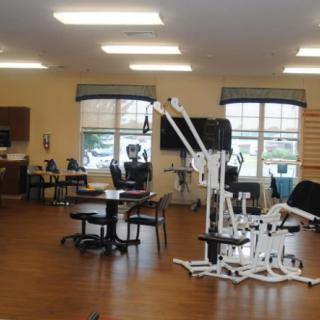
    • pro The rehab area offers hospital-style amenities - beds, oxygen, private rooms with restrooms, closet space, and a TV - contributing to comfort.
    • pro Laqueeta is very helpful and able to find out any information needed.
    • pro The facility is described as one of the cleanest and friendliest, with professional and compassionate care.

    Cons

    • pro The reviewer reported that 52 calls to reach a resident with cancer went unanswered.
    • pro The reviewer stated that after arrival the resident was moved to the COVID wing, which frightened her.
    • pro The resident's headaches persisted, and her doctor could not obtain a callback or speak with staff about medications.
    • pro A nurse allegedly told the family they would be given a drug for depression because she cried.
    • pro The sister described the nurse as hateful toward the resident and noted she did not receive any medications.
    • pro The resident was not given her prescribed blood pressure medication, receiving it only once a day instead of twice.
    • pro The reviewer characterized the situation as a mess.

    Review

    Woodruff County Health Center in McCrory, Arkansas, emerges in these experiences as a rehabilitation-focused facility where families repeatedly highlight compassionate clinicians, dedicated therapists, and a supportive environment designed to help loved ones regain strength and independence. Across several firsthand accounts, the center is described as clean, well-organized, and staffed with professionals who are attentive to both medical needs and the human side of recovery. In the most detailed impression, a mother's rehab journey unfolds in two segments - early March through mid-March, then a late-March to early-April return - centered on a serious fall, broken ribs, pneumothorax, a punctured lung, and bruised kidneys. What stands out most is the sense that excellent clinicians were ready to respond at critical moments, and that therapy, nursing care, and daily routines were designed to support healing in a respectful, capable atmosphere.

    A pivotal figure in one patient's story is Dr. Wampler, who is repeatedly described as a beacon of compassionate, knowledgeable, and trustworthy care. When the medical situation became precarious, Dr. Wampler made timely decisions that likely saved the patient's life, especially by directing her back to the hospital for the second pneumothorax to drain the lung. The reviewer emphasizes that Dr. Wampler's involvement was not only clinically sound but deeply reassuring for both patient and family. The appreciation extends beyond the physician to the therapy team, where Miss Donna earns heartfelt praise for her excellence and approachability. The patient's mother genuinely enjoyed working with Donna and found therapy sessions to be a positive, motivating part of the rehab process, underscoring how a skilled therapist can influence attitude and engagement during recovery.

    Complementing the therapy team, the nursing staff is repeatedly commended for their steadiness and communication. Miss Mary Baldwin, a floor nurse, earns particular affection for her ability to keep the family informed and to answer questions with clarity and patience. The sentiment that Mary took "very good care of Mom" signals a level of trust that many families seek when navigating the complexities of post-acute care. Other caregivers - Treasure, Campbell, Kerry, Kaitlynn, and unnamed interns - are acknowledged for their roles in daily care, medication administration, vitals checks, and the overall sense of being looked after. The depth and breadth of staff involvement - spanning nursing, therapy, and support services - reflect a coordinated effort to deliver comprehensive rehab.

    Beyond the clinical care, the facility's environment and daily life aspects are highlighted as genuinely conducive to recovery. The center is described as clean and well-maintained, with on-site nursing and CNA coverage ensuring a constant presence of help and a quick response to needs. The daily routine includes three meals a day plus snacks, and the option to join activities in the residential area when programming occurs, such as church services, nail painting, games, and birthday parties. Private rooms feature in-room restrooms, oxygen availability, and hospital-style beds, creating a space that feels familiar to patients who may be transitioning from hospital care. Practical amenities - closets, drawers for clothing, television, and the possibility of personal disposable underwear - round out a sense of home-like comfort within a clinical setting. The cafeteria's size and the ability to participate in broader campus activities contribute to a atmosphere where patients and visitors can feel a sense of normalcy during a challenging time.

    In another voice, a reviewer simply and affirmatively states that Woodruff County Health Center is "one of the cleanest and friendliest facilities" they've encountered, further reinforcing the impression that the environment itself plays a role in healing. This sentiment aligns with the overall tone of pride and gratitude that pervades the positive narratives: families feel welcomed, staff are described as kind and professional, and the center earns high marks for both its organization and the quality of care delivered. A 5/5 rating accompanies these impressions, signaling strong overall satisfaction and a sense that the rehab experience was, in many respects, exemplary and reassuring for caregivers and patients alike.

    Not all experiences described, however, are uniformly glowing. One account portrays a troubling deviation from expected standards, illustrating how quickly a situation can become distressing when communication falters or when protocol changes in response to broader public health concerns alter the patient experience. According to this reviewer, a family member with cancer be faced with repeated, unanswered calls, prompting a state-level complaint to seek resolution. The reviewer notes that their sister had been tested negative multiple times across different hospitals, yet was later moved to a "COVID wing," a decision that intensified fear in a patient already dealing with serious medical concerns. Additional frustrations cited include delays in medication administration, a lack of timely communication with the patient's doctor, and a nurse's reported demeanor described as hurtful or dismissive during a time of acute need. The reviewer emphasizes that the patient endured a 20-day stay with these issues, ultimately leaving with the sense that the quality of care had fallen short in those moments. The tone shifts from praise to a candid call for accountability and improvement, acknowledging that while the center can be an outstanding place for rehabilitation, it must also uphold consistent standards of responsiveness and compassionate communication, even under the strains of evolving health guidelines.

    Against this backdrop of mixed experiences, another family's homage to the staff's kindness offers a balanced, heartfelt snapshot of the center's strengths. They celebrate the care given to a beloved father, Coach and Mayor Doyle H. Wallace, with specific gratitude directed toward Terri Wallace Miller, a registered nurse with advanced credentials. The note reflects a deep appreciation for the staff's willingness to extend kindness to patients, families, and visitors alike, and to treat every interaction as a meaningful contribution to recovery and comfort. The sentiment is tempered by the practical acknowledgment that the center's blueprints for care - professionalism, cleanliness, and a calm, supportive environment - pair well with the personal warmth that families value during such trying times. The closing lines - stoking pride in the care provided and recognizing the day-to-day efforts of many unnamed staff - reinforce a holistic sense of a community hospital that treats patients with dignity.

    Taken together, the experiences at Woodruff County Health Center present a nuanced portrait of a rehabilitation-centered facility with a strong core of clinicians, therapists, and nurses who consistently demonstrate compassion, competence, and a commitment to patient and family well-being. The most glowing testimonials elevate Dr. Wampler, Miss Donna, Miss Mary Baldwin, and a broad circle of caregivers as exemplars of what excellent rehab care can look like in practice. The center's environment - clean facilities, patient-centered routines, accessible meals, and organized activities - appears to contribute to successful recoveries and positive morale for both patients and their families. Yet the more critical accounts serve as important reminders that even well-regarded institutions must remain vigilant about communication, timely responses, and consistency in care, especially when patients navigate serious illnesses or transitions between units. In the end, the balance of praise and constructive critique points to a center that, for many families, remains a trustworthy choice for rehabilitation with a committed staff ready to step up when it matters most.

    Features

    Housing

    • 15 resident community capacity 15 resident community capacity

    Types of Care

    • Skilled Nursing Facility Skilled Nursing FacilitySkilled Nursing Facilities are crucial for seniors as they provide round-the-clock medical care, rehabilitation services, and assistance with daily activities. These facilities ensure that seniors receive the specialized care they need to maintain their health and well-being as they age.

    Amenities

    • Cable or satellite TV Cable or satellite TVCable or satellite TV is important for seniors because it provides entertainment, news, and companionship, helping to combat loneliness and boredom. It also offers a wide range of programming options tailored to different interests and preferences.
    • Dining room Dining roomDining rooms are important for seniors as they provide a space for socialization, connection, and nutritious meals. They offer opportunities for residents to bond over shared meals, foster a sense of community, and promote healthy eating habits. Dining rooms also ensure that seniors have access to well-balanced meals tailored to their dietary needs and preferences.
    • Fully furnished Fully furnishedFully furnished senior living communities are important for seniors because they provide convenience, comfort, and a hassle-free moving experience. Seniors can easily settle into their new living space without the stress of having to buy and move furniture. This allows them to focus on enjoying their new home and community.
    • Garden GardenGardens are important for seniors as they provide a peaceful and therapeutic environment for relaxation, physical activity, and socialization. Being in nature has been shown to reduce stress, improve mood, and promote overall well-being. Gardens also offer opportunities for seniors to engage in gardening activities, which can improve mobility, flexibility, and cognitive function. Additionally, gardens create a sense of community and connection with others who share a passion for plants and outdoor spaces.
    • Housekeeping services Housekeeping servicesHousekeeping services are important for seniors because they help maintain a clean and safe living environment, promote independence, and reduce the risk of accidents or illnesses. Additionally, having assistance with household chores can alleviate physical strain and allow seniors to focus on other aspects of their well-being.
    • Move-in coordination Move-in coordinationMove-in coordination is important for seniors because it helps ease the transition into their new living environment. It ensures that all logistics, such as packing, organizing movers, and setting up utilities are taken care of, allowing seniors to focus on settling in and adjusting to their new home. Having a smooth move-in process can alleviate stress and anxiety, making the transition smoother and more enjoyable for seniors.
    • Outdoor space Outdoor spaceOutdoor spaces are important for seniors as they provide opportunities for physical activity, social interaction, exposure to natural light and fresh air, and a sense of connection to nature. Having access to outdoor spaces can improve overall well-being and quality of life for older adults living in senior communities.
    • Telephone TelephoneTelephones are important for seniors as they provide a lifeline for communication with loved ones, emergency services, and healthcare providers. They offer a sense of security and independence, enabling seniors to stay connected and access assistance when needed.
    • Wi-Fi/high-speed internet available Wi-Fi/high-speed internet availableWi-Fi/high-speed internet is important for seniors to stay connected with loved ones, access online resources, and participate in virtual activities to combat feelings of loneliness and isolation. It also allows them to easily manage healthcare needs, access entertainment, and engage in lifelong learning opportunities.

    Care Services

    • 24-hour supervision 24-hour supervision24-hour supervision is important for seniors to ensure their safety, well-being, and access to immediate assistance in case of emergencies or health issues. This constant support provides peace of mind for both seniors and their loved ones, allowing them to age in place with dignity and security.
    • Activities of daily living assistance Activities of daily living assistanceActivities of daily living assistance are important for seniors because they provide essential support with tasks such as eating, bathing, dressing, and mobility. This assistance helps seniors maintain their independence, dignity, and overall quality of life as they age.
    • Assistance with bathing Assistance with bathingAssistance with bathing is crucial for seniors as it helps maintain personal hygiene, prevents infections, and ensures their overall well-being and comfort. It also provides a sense of dignity and independence for seniors who may struggle with this task on their own.
    • Assistance with dressing Assistance with dressingAssistance with dressing is important for seniors because it helps maintain their independence, promotes personal hygiene, prevents accidents and injuries, and improves overall quality of life. This service ensures that seniors can continue to dress comfortably and confidently, despite any physical limitations they may have.
    • Assistance with transfers Assistance with transfersAssistance with transfers is crucial for seniors as it helps prevent falls and injuries, maintains their independence, and ensures they can safely navigate their living environment. It also provides peace of mind for both seniors and their loved ones.
    • Diabetes diet Diabetes dietA diabetes diet is crucial for seniors as it helps manage blood sugar levels, reduce risks of complications, and improve overall health and well-being. By following a balanced and nutritious diet tailored to their specific needs, seniors can better control their diabetes and enhance their quality of life.
    • Meal preparation and service Meal preparation and serviceMeal preparation and service are crucial for seniors as they may have limited mobility or energy to cook nutritious meals. Having access to healthy and convenient food options can ensure they are getting the proper nutrition needed to maintain their overall health and well-being.
    • Medication management Medication managementMedication management is crucial for seniors to ensure they are taking the right medications at the correct dosages and times. This helps prevent adverse drug interactions, reduces the risk of medication errors, and promotes overall health and well-being. Proactive management also allows for adjustments as needed based on changing health conditions or new prescriptions.
    • Special dietary restrictions Special dietary restrictionsSpecial dietary restrictions are important for seniors because age-related changes in metabolism and health conditions can make it difficult for their bodies to process certain foods. By following a diet tailored to their specific needs, seniors can maintain their overall health and well-being, manage chronic conditions, and reduce the risk of complications such as malnutrition or food interactions with medications.

    Dining

    • Diabetes diet Diabetes dietA diabetes diet is crucial for seniors as it helps manage blood sugar levels, reduce risks of complications, and improve overall health and well-being. By following a balanced and nutritious diet tailored to their specific needs, seniors can better control their diabetes and enhance their quality of life.
    • Special dietary restrictions Special dietary restrictionsSpecial dietary restrictions are important for seniors because age-related changes in metabolism and health conditions can make it difficult for their bodies to process certain foods. By following a diet tailored to their specific needs, seniors can maintain their overall health and well-being, manage chronic conditions, and reduce the risk of complications such as malnutrition or food interactions with medications.

    Activities

    • Community-sponsored activities Community-sponsored activitiesCommunity-sponsored activities are important for seniors as they provide opportunities for social interaction, mental stimulation, and physical activity. These activities can help improve overall well-being, combat loneliness and isolation, and promote a sense of belonging and purpose among older adults.
    • Scheduled daily activities Scheduled daily activitiesScheduled daily activities are important for seniors because they provide structure, socialization, mental stimulation, and physical activity. Engaging in regular activities can improve overall well-being and quality of life for seniors living in a community setting.

    Description

    John Davis Woodruff Center Residential Care in Mc Crory, AR is a welcoming and well-equipped assisted living community designed to provide a comfortable and supportive environment for seniors. Our residents enjoy a range of amenities that enhance their daily lives, including a spacious dining room where delicious meals are served, fully furnished living spaces, and access to a beautiful garden and outdoor space.

    We understand the importance of maintaining a clean and organized living space, which is why our dedicated housekeeping services ensure that our residents' homes are always tidy and well-maintained. Additionally, we offer move-in coordination assistance to make the transition into our community as smooth as possible.

    At John Davis Woodruff Center Residential Care, we prioritize the well-being of our residents by providing essential care services. Our highly trained staff offers assistance with activities of daily living such as bathing, dressing, and transfers. We also offer specialized care for individuals with diabetes, including strict adherence to dietary requirements. Meal preparation and service are provided to ensure that residents receive balanced and nutritious meals tailored to their specific needs.

    Our community believes in promoting an active and engaged lifestyle for our residents. We organize scheduled daily activities to cater to different interests and preferences. These activities aim to foster social connections among our residents while providing entertainment and mental stimulation.

    Within close proximity to John Davis Woodruff Center are various amenities that contribute to the convenience of our residents' daily lives. There are parks where they can enjoy nature walks or spend quality time outdoors. Pharmacies nearby ensure easy access to medications, while several restaurants offer dining options beyond what is available within our own community. For transportation needs, there is reliable transportation nearby.

    In addition, we recognize the spiritual needs of our diverse resident population by offering proximity to 15 places of worship. This allows them the opportunity for religious observance according to their personal beliefs.

    John Davis Woodruff Center Residential Care in Mc Crory, AR strives to create a warm and supportive environment where seniors can enjoy their retirement years with ease and contentment.

    Nearby Places of Interest

    Restaurants

    • Subway (0.1 miles)
    • Fuze (0.1 miles)
    • Pizza Pro (0.2 miles)
    • Sonic Drive-In (0.3 miles)
    • Smokin Joes BBQ (0.4 miles)
    • Los Rios (0.8 miles)
    • Bucks Country Kitchen (1.9 miles)

    Places of Worship

    • Church of Christ (0.4 miles)
    • First Assembly Of God (0.5 miles)
    • United Methodist Church (0.7 miles)
    • Southern Baptist Convention (0.7 miles)
    • Church of the Nazarene (0.8 miles)
    • Southern Baptist Convention (0.8 miles)
    • Morning View Church (0.9 miles)

    Pharmacies

    • S & H Pharmacy (1.2 miles)
    • Norman & Baker Pharmacy (23.5 miles)
    • Walgreens (23.6 miles)
    • Wynne Apothecary (23.7 miles)
    • Caldwell Discount Drug Co (23.8 miles)
    • Caldwell Pharmacy, HME, & Gifts (23.8 miles)
    • Wynne Medical Pharmacy (23.8 miles)

    Parks

    • Woodruff County Fairgrounds (1.3 miles)
    • Cache River National Wildlife Refuge (16.1 miles)
    • Village Creek State Park (22.8 miles)
    • Holloway Memorial State Park (23.3 miles)
    • Bayou Des Arc State Game Area (24.1 miles)

    Transportation

    • Woodruff County Airport (3.4 miles)
    • U-Haul Neighborhood Dealer (23.6 miles)

    Physicians

    • Newport Diagnostic Medical Clinic (23.5 miles)
    • Hayes Young & Jacobs (23.7 miles)
    • Arcare (23.7 miles)
    • Harris Medical Clinic (23.8 miles)
    • Wynne Medical Clinic (23.8 miles)
    • AR Care (23.8 miles)
    • Unity Health-Newport OB/GYN Clinic (23.8 miles)

    Cafes

    • Newport Nutrition (23.5 miles)
    • Daylight Donuts (23.6 miles)
    • Mocha Joe's Coffee (23.6 miles)
    • Shipley Do-Nuts (23.7 miles)

    Hospitals

    • Newport Hospital & Clinic (23.7 miles)
    • Crossridge Community Hospital (23.8 miles)
    • Harris Hospital (23.8 miles)
    • Unity Health-Newport (23.8 miles)

    Frequently Asked Questions

    Where is John Davis Woodruff Center Residential Care?

    Nearby Communities

    Related Resources

    • how to pay for nursing homeNavigating the Financial Road to Nursing Home Care: In-Depth Guidance and Resources

      The article offers detailed guidance on the financial complexities of nursing home care, covering costs, payment methods, and alternative funding strategies while emphasizing the importance of proactive planning and legal considerations for individuals and families making care decisions.

    • caregiver benefitsSupportive Employee Benefits That Help Caregivers Attain Better Work-Life Harmony

      The article emphasizes the critical role of supportive employee benefits for caregivers, advocating for flexible scheduling, paid leave, and mental health services to ease their challenges while enhancing employee well-being and organizational loyalty. It also highlights the importance of strong leadership in promoting these initiatives to foster a sustainable workplace culture that values caregivers.

    • best car for seniorsTop Cars for Senior Drivers and Essential Safety Innovations

      Senior drivers prioritize comfort, safety, and ease of use in vehicles due to age-related challenges, seeking features like easy entry, clear visibility, and modern driver-assistance technologies. Recommended models include the Subaru Forester, Honda CR-V, and Toyota Camry, with emphasis on test-driving for personal comfort and evaluating crash-test ratings alongside insurance considerations.


    Get Pricing Ask A Question Schedule A Tour Contact Senior Advisor