
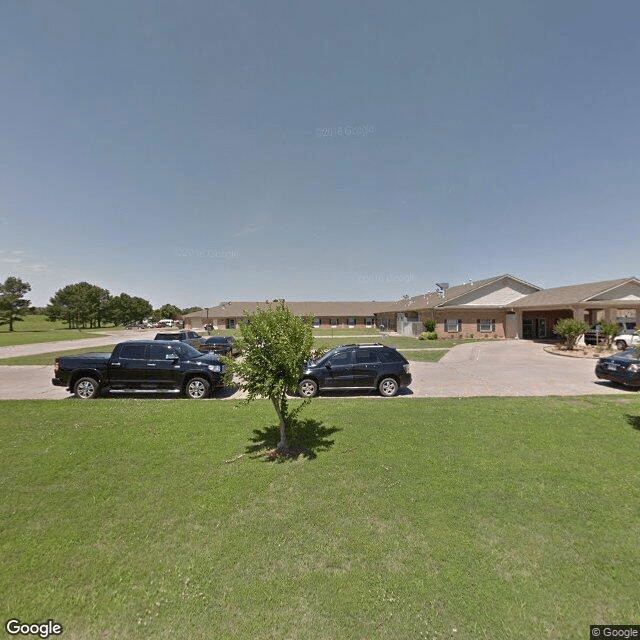
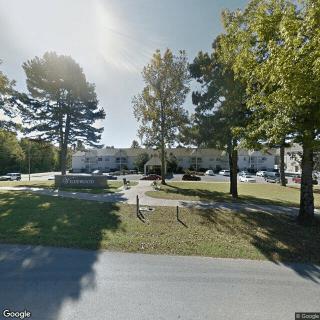
326 Lindley Ln, Newport, AR 72112
To contact a resident: (870) 523-6539
For more information about senior living options: (866) 208-4318
Overall Review of Regional Health Care
Pros
 The staff are dedicated and friendly in a very clean facility.
- It is a good place to be, offering a warm, caring environment.
- It’s a wonderful place to work.
- The facility adjusts the temperature for residents and promotes mutual care among everyone.
- The reviewer loved this place and the people who work there.
- The rehab team is amazing and the facility has been voted Best of the Best Rehab facility.
- It is a five-star facility with professional staff, happy residents, and spotless floors.
Cons
 The staff treat patients and other staff awfully.
- The facility has repeatedly failed to provide necessary care, lacks advocates for residents with memory impairments, and staff are unkind when family members advocate on their behalf.
- The facility left a patient’s medication on his counter without ensuring he took it, and did not notice a blood clot that led to hospitalization and amputation.
- A nurse left a patient’s medication on his bedside table and did not stay to ensure he took it; this is not acceptable and may violate state rules.
- The reviewer notes roaches in the facility.
- The reviewer would give zero stars and would not recommend the facility, advising other families to seek other placement.
- The reviewer claims the facility does not call back and that the DON and an RN mishandle concerns.
Review
This community is best suited for families seeking a clean, home-like environment with an active rehabilitation focus and staff that partners with families on recovery goals. It works particularly well for residents who need short-term rehab or steady daily support and who respond well to routine, social activities, and a consistently engaged care team. Families capable of staying involved and advocating on their loved one’s behalf will typically see the strongest benefits. Those with memory impairment needs requiring robust advocacy and highly reliable medication management should consider alternatives.
There are clear reasons some families decide this may not be the right fit. The most persistent red flags revolve around safety and clinical oversight. Several reviews highlight medication management lapses, including medicines left on bedside counters or not administered with proper supervision. There are pointed complaints about missed issues that have led to hospital-level consequences for residents, including a serious incident that resulted in a limb removal for a patient. Communication gaps and inconsistent follow-through with families and across shifts further erode trust in daily care and urgent response when problems arise. On the safety front, at least one reviewer reports a roach issue, which is unacceptable in any care setting and cannot be dismissed as a cosmetic flaw.
On the upside, the facility earns credibility from a consistently clean environment and a sense of teamwork among many staff members. Several reviewers describe a dedicated, compassionate culture and a rehab program that produces tangible gains for residents, with accounts of residents who started bed-bound returning home after successful therapy. The emphasis on a home-like atmosphere, practical maintenance, and a robust rehab track record creates a credible baseline of quality for short-term stays and daily living, especially when accompanied by vigilant family involvement.
Those positive rehab and cleanliness signals are meaningful but do not completely offset the core concerns about medical oversight and response. When medication administration becomes a recurring risk, the benefit of a friendly environment and good rehab outcomes can quickly be outweighed by avoidable harm. The mixed experiences around calls, callbacks, and administrative responsiveness further complicate the calculus for long-term placement. In short, the positives may cater to short-term recovery needs and general well-being, but the safety and advocacy gaps limit suitability for residents requiring consistent, fail-safe medical management.
Alternatives are worth considering for families prioritizing risk mitigation in ongoing medical care or memory care. Facilities with proven, transparent medication administration protocols, stronger nursing oversight, and proactive family communication systems should be weighed. For residents with memory impairment or complex care needs, seek communities with explicit memory-care programming, higher staff-to-resident ratios, and documented advocacy pathways that empower families rather than leaving them to fill gaps.
Practical next steps for anyone evaluating this community: conduct a candid, in-person tour focused on medication workflows, incident reporting, and response times to urgent calls. Request to review the most recent quality improvement plan, staffing schedules, and incident logs. Speak with the administrator or director about steps taken to address past safety gaps and how violations or near-misses are investigated and corrected. If pursuing care here, insist on a clear, written care plan with measurable rehab goals, daily medication administration checks, and a designated family liaison. For many families, a trial period or short-term rehab stay with strict oversight will reveal whether the positives, cleanliness, teamwork, and rehab success, can be sustained without compromising safety and advocacy.
 Skilled Nursing Facility
 Activities on-site
 Devotional services off-site
 Indoor common areas
 Ambulatory care
 Diabetic care
 Meals provided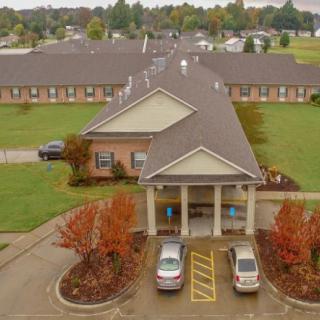



 Understanding Hospice Care at Home: Comprehensive Services, Key Benefits, and Eligibility
 Understanding the Full Cost of 24/7 In-Home Care: A Detailed Overview
 Exploring the World of Home Health Nurses: Qualifications, Roles, and Hiring Tips