
1311 North Pecan Street, Newport, AR 72112
For more information about senior living options: (866) 208-4318
Overall Review of St Michaels Healthcare
Pros
 The Blossoms at White River has an amazing team that truly cares about the residents.
- The staff create a home-like, family environment.
- Walking into The Blossoms at White River feels like entering a home, with a very friendly team and an active activity department that residents love to participate in.
- The Blossoms at White River is recommended for inpatient rehab or long-term stays.
- Villa Liddell treats residents with the utmost respect and care.
- La Paz Assisted Living caretakers are beyond helpful and caring toward each resident, and the owners are fantastic to work with for residents' welfare.
- The staff at St Michael's Place are caring and help make difficult times bearable.
Cons
 The administrator and the DON were rude.
- The facility received a 1-star rating from Medicare.
- There was neglect at St. Michael's Place that led to a resident's death.
- Neglect caused bed sores, an abscess, and a fatal blood clot.
- The reviewer claims the facility will never have to pay for their wrongdoings.
Review
St Michaels Healthcare in Newport is best suited for families seeking a warm, home-like environment where everyday life feels personal and residents are greeted by attentive, involved caregivers. The facility appears most compatible with long-term residents or those entering rehab who value daily engagement, friendly staff, and an atmosphere that resembles a family setting. For families weighing end-of-life or hospice care, there are indications of compassionate bedside support from staff, which can offer meaningful comfort during difficult transitions.
Those who may want to consider alternatives include families prioritizing consistently high clinical outcomes and rock-solid administrative reliability. The reviews reveal serious caution flags: a Medicare rating cited as a 1-star and at least one account of perceived administrative neglect. When safety and verifiable quality metrics are paramount, these signals warrant exploring facilities with stronger, verifiable performance records and separate verify-by-visit opportunities to assess governance, complaint handling, and incident resolution.
On the upside, the strongest positive threads describe staff who genuinely care and a home-like milieu. Residents are reported to be treated with warmth, and the caregiving team is praised for its approachability and willingness to accommodate needs. The activity program is highlighted as robust, with activities regularly available that encourage participation and social connection. In hospice-adjacent care, observers note that the staff can make challenging circumstances more tolerable, delivering attentive, compassionate presence when it matters most.
But the most serious concerns cannot be overlooked. Several reviewers point to administrative friction, including rude behavior attributed to a facility administrator and the director of nursing, which undermines trust and consistency in daily operations. More troubling are claims of neglect linked to rehabilitation care, resulting in serious harm and even death in one account. Coupled with a low Medicare rating, these reports cast a long shadow over the facility’s ability to maintain reliable, safe care under varying conditions, and they demand careful, independent verification through on-site observation and public quality data.
The measurable pros, staff dedication, a homey environment, and an active engagement culture, offer meaningful offset for families seeking quality interaction and a stable routine. These strengths can translate into better mood, greater participation in therapy, and a sense of security from familiar faces. However, the weight of the cons in terms of administration and safety issues means that these positives may not fully balance risk for residents with complex medical needs, high supervision requirements, or those who rely on consistently impeccable staffing and oversight.
When deciding, proceed with a disciplined, informed approach. Schedule a face-to-face tour focused on care planning, ask to review the latest CMS quality ratings and state survey results, and request recent incident and complaint logs. Speak with current residents and families about staff responsiveness, and observe how routine issues are handled. Request a detailed transition plan if rehab is the goal, including therapy availability, frequency, and progress tracking. Above all, verify leadership responsiveness by asking for concrete examples of how concerns are addressed and how staffing levels are maintained across shifts. If warmth, social engagement, and a supportive milieu align with priorities and risk tolerance, St Michaels may work; if not, strong alternatives with documented safety and quality records should be prioritized.
 130 resident community capacity
 Skilled Nursing Facility
 Air-conditioning
 Beauty salon
 Cable or satellite TV
 Computer center
 Dining room
 Fitness room
 Fully furnished
 Gaming room
 Garden
 Housekeeping services
 Kitchenette
 Move-in coordination
 Outdoor space
 Private bathrooms
 Restaurant-style dining
 Small library
 Telephone
 Wellness center
 Wi-Fi/high-speed internet available
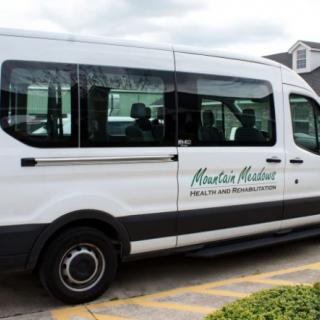
 Community operated transportation
 12-16 hour nursing
 24-hour call system
 Activities of daily living assistance
 Assistance with bathing
 Assistance with dressing
 Assistance with transfers
 Diabetes diet
 Medication management
 Mental wellness program
 Special dietary restrictions
 Concierge services
 Planned day trips



 Weight Training for Seniors: Building Strength and Vitality
 Understanding the Sandwich Generation: Stress and Responsibilities for Multigenerational Caregivers
 8 Essential Assistive Devices for Older Adults