4405 West Persimmon Street, Fayetteville, AR 72704
For more information about senior living options: (866) 208-4318
3.4 from 95 reviews
5 stars
48
4 stars
9
3 stars
2
2 stars
3
1 stars
33
Overall Review of Katherine's Place At Wedington
caveat2 reviews mention this
Call-button response varies
Residents describe both quick help and long waits when using the call button.
Some residents say staff responded promptly when they used the call button, with staff either in the room helping or coming quickly after being called. Other residents describe delays, including times when help was not provided until much later after turning on the call light.
common2 reviews mention this
Activities keep residents engaged
Residents and families point to organized activities that help pass the time.
Reviews mention regularly scheduled events like exercise classes, bingo, and music, along with holiday activities. Residents also describe having plenty of activities available to join in during their stay, which supports a more social routine day-to-day.
caveat2 reviews mention this
Food quality is inconsistent
Dining reviews include both complaints about meals and dissatisfaction with food served.
One review says meals were disappointing and that the resident ate little, prompting an explicit request to improve food. Another review reports food that did not meet dietary needs, including being served items residents were not supposed to eat.
caveat2 reviews mention this
Staffing pressure affects care
Several reviews connect understaffing with delays in basic help.
A review describes feeling the facility was understaffed and explains that call light response could take 30 to 45 minutes. Another review adds that staff were overworked and that the resident had to wait too long for help with basic needs.
How we summarize
Counts show how many written reviews mention each theme; a review can touch several themes, and only frequently mentioned themes are displayed.
Features
Housing
119 resident community capacity
Types of Care
Skilled Nursing Facility
Amenities
Air-conditioning
Beauty salon
Cable or satellite TV
Computer center
Dining room
Fitness room
Fully furnished
Gaming room
Garden
Housekeeping services
Kitchenette
Move-in coordination
Outdoor space
Private bathrooms
Restaurant-style dining
Small library
Telephone
Wellness center
Wi-Fi/high-speed internet available
Transportation
Northwest Arkansas Regional (15 miles away)
Community operated transportation
Transportation arrangement
Transportation arrangement (non-medical)
Transportation to doctors appointments
Care Services
12-16 hour nursing
24-hour call system
24-hour supervision
Activities of daily living assistance
Assistance with bathing
Assistance with dressing
Assistance with transfers
Diabetes diet
Meal preparation and service
Medication management
Mental wellness program
Special dietary restrictions
Dining
Diabetes diet
Special dietary restrictions
Activities
Community-sponsored activities
Concierge services
Fitness programs
Planned day trips
Resident-run activities
Scheduled daily activities
Nearby Places of Interest
Restaurants
Catfish Hole (0.6 miles)
Southern Food Company (0.9 miles)
El Matador Mexican Bar & Grill (0.9 miles)
Sonic Drive-In (1.1 miles)
Thai Spice (1.2 miles)
McDonald's (1.2 miles)
Sassy's Barbecue An Gr (1.3 miles)
Pharmacies
Walgreens (0.6 miles)
Walgreens (1.7 miles)
Medicap Pharmacy (1.8 miles)
Good Neighbor Pharmacy (2 miles)
Harp's Food Stores (2.7 miles)
Walgreens (3.4 miles)
CVS Pharmacy (4.3 miles)
Cafes
Six Twelve Coffeehouse & Bar (0.7 miles)
7 Brew Coffee (2.7 miles)
Arsaga's Church & Center (3.5 miles)
The Farmer's Table Cafe (3.5 miles)
Onyx Coffee Lab (3.9 miles)
Starbucks (5.6 miles)
Parks
Bryce Davis Park (1.2 miles)
Mt. Kessler Regional Park (3.2 miles)
Gulley Park (5.2 miles)
Braden Park (6.4 miles)
Places of Worship
Mount Comfort Church of Christ (1.8 miles)
St Thomas Aquinas Catholic Church (2.9 miles)
Physicians
Dr Jacquelyn Lange-Halley, Psychiatry (2.7 miles)
Mertins Eye & Optical (2.7 miles)
Fayetteville Family Practice (3 miles)
Vold Vision (3.1 miles)
Fayetteville Women's Clinic Pa (3.7 miles)
MediServe (3.8 miles)
Northwest Arkansas Oral & Maxillofacial Surgery (4 miles)
Hospitals
Washington Regional Medical Center (3.7 miles)
Veterans Administration Medical Center (3.7 miles)
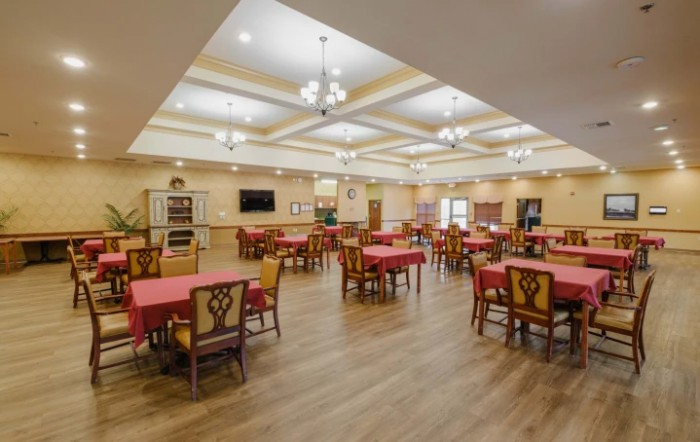
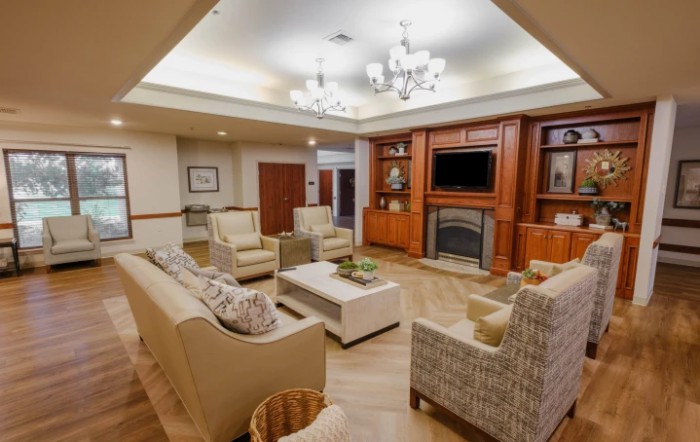
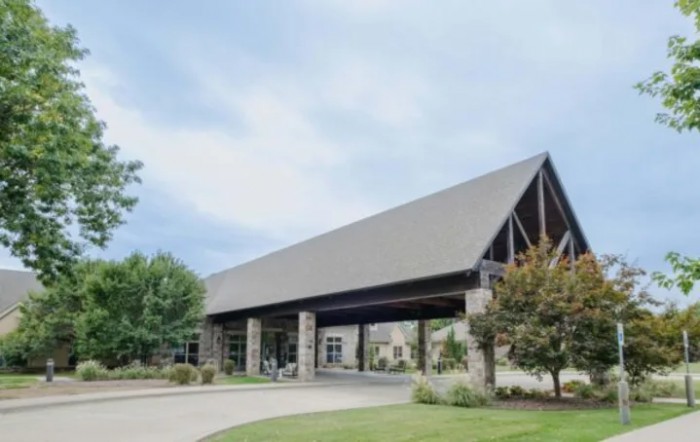
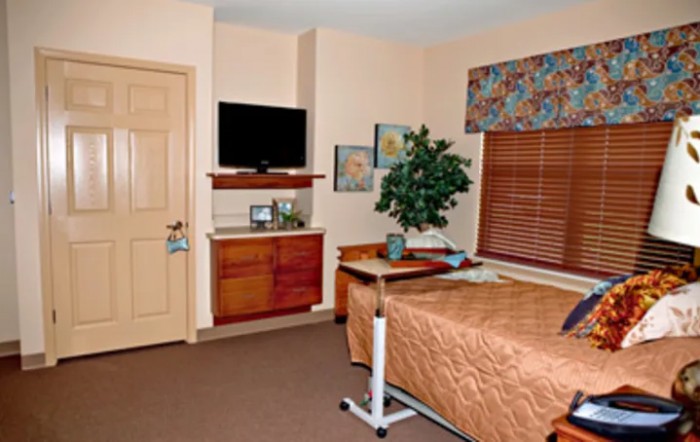
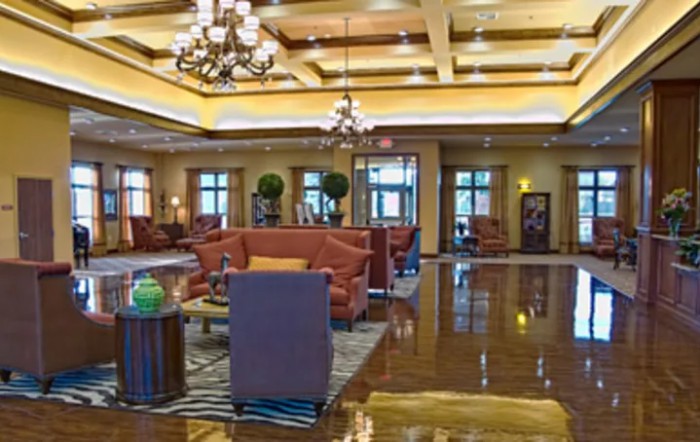
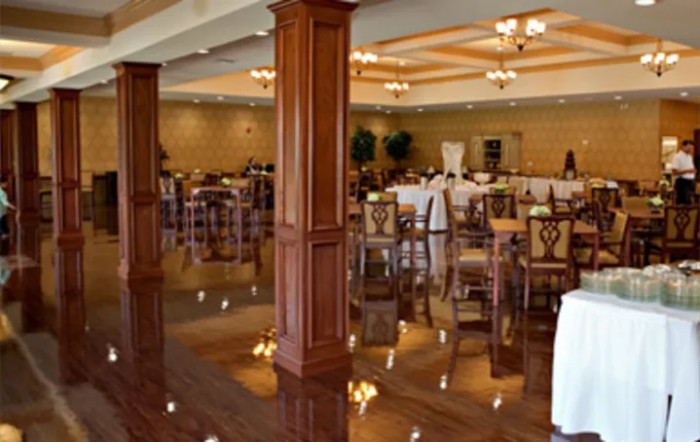
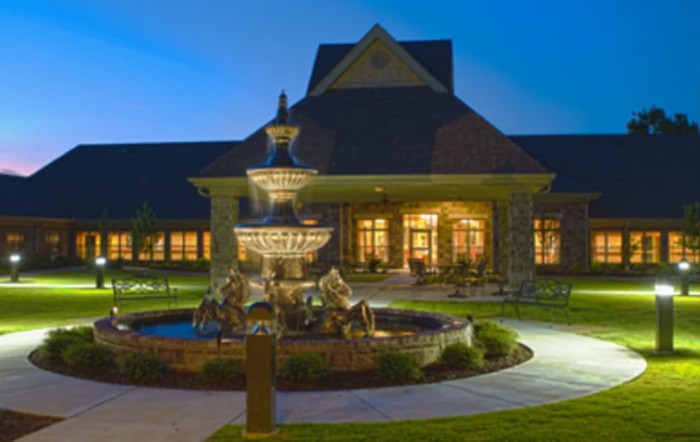
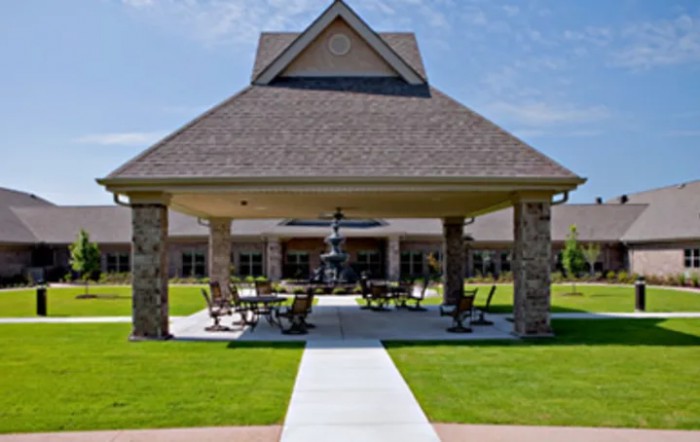
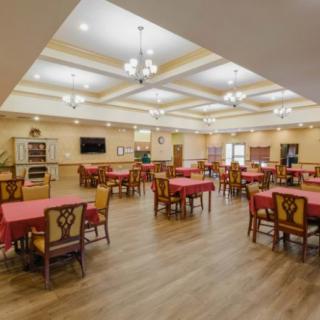
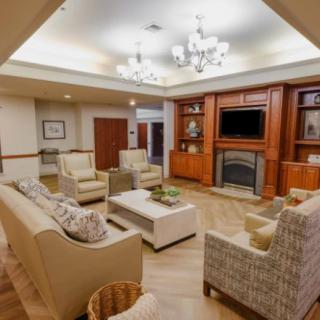
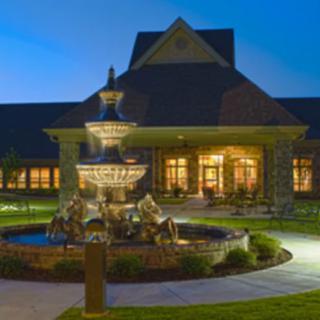
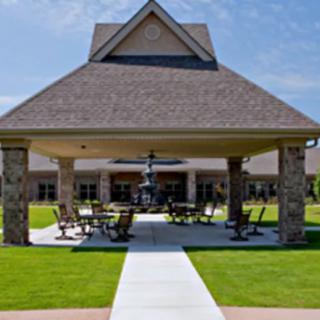
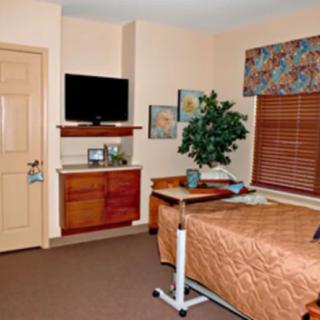
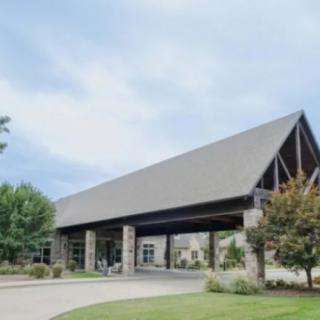
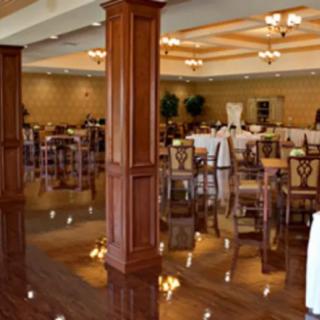
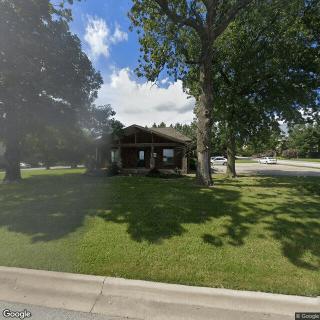
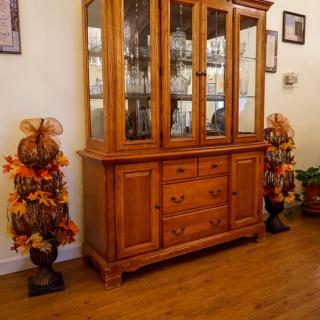
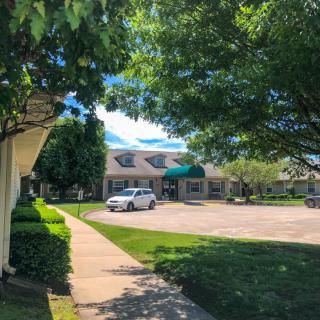
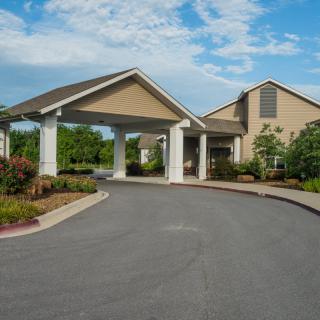
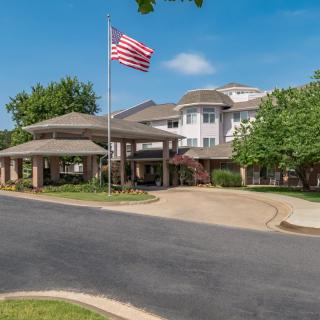
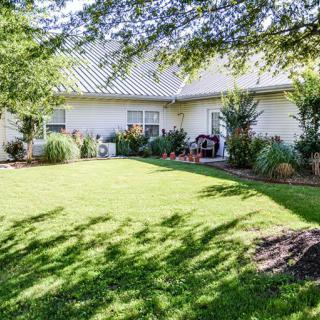
Katherine's Place At Wedington on seniors.fyi includes 8 photos including images showing interior, chandelier, architecture, building, landscaping, dining, decor, television, and more.
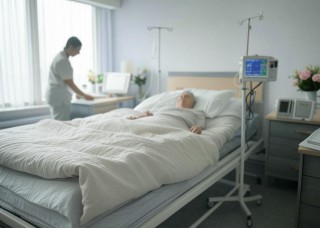
Hospice care focuses on providing comfort and support for individuals nearing the end of life, with Medicare Part A covering services like nursing care and counseling for patients with a terminal illness and a life expectancy of six months or less. While most hospice services are low-cost for eligible patients, families should be aware that certain expenses, such as room and board, may not be covered.
Caregiver burnout is a common issue resulting from the intense physical, emotional, and mental demands of caregiving, leading to symptoms like fatigue and social withdrawal. To prevent burnout, caregivers should recognize early warning signs and implement self-care strategies, seek support, and prioritize their own well-being alongside that of those they care for.
Caregiver exhaustion, or burnout, stems from the relentless demands of caregiving, leading to emotional and physical depletion characterized by stress, frustration, and neglect of personal needs. Addressing this burden is essential to prevent long-term consequences, with early recognition and support being crucial for caregivers to maintain balance and implement self-care.
Get PricingAsk A QuestionSchedule A TourContact Senior Advisor
By clicking submit, you agree to our Partner's Terms of Use. You
also consent to receive calls and texts, which may be autodialed, from our Partner. Your consent is not a condition to
using our Partner's service. Please visit our Partner's Privacy Policy for information about their privacy practices.


 119 resident community capacity
 Skilled Nursing Facility
 Air-conditioning
 Beauty salon
 Cable or satellite TV
 Computer center
 Dining room
 Fitness room
 Fully furnished
 Gaming room
 Garden
 Housekeeping services
 Kitchenette
 Move-in coordination
 Outdoor space
 Private bathrooms
 Restaurant-style dining
 Small library
 Telephone
 Wellness center
 Wi-Fi/high-speed internet available
 Northwest Arkansas Regional (15 miles away)
 Community operated transportation
 12-16 hour nursing
 24-hour call system
 Activities of daily living assistance
 Assistance with bathing
 Assistance with dressing
 Assistance with transfers
 Diabetes diet
 Medication management
 Mental wellness program
 Special dietary restrictions
 Concierge services
 Planned day trips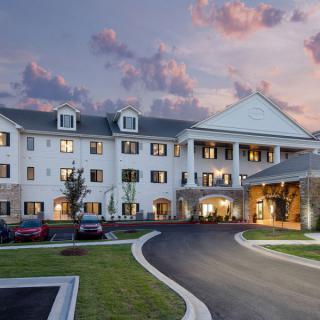
 Strong nearby amenities (cafes, parks, dining, healthcare).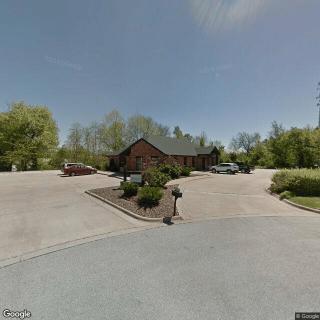

 Comprehensive Guide to Medicare Coverage for Hospice Care
 Caring for Those Who Care: Recognizing, Understanding, and Overcoming Caregiver Burnout
 Caregiver Exhaustion: Recognizing the Signs and Restoring Your Well-Being