

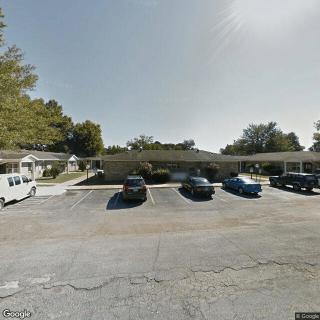
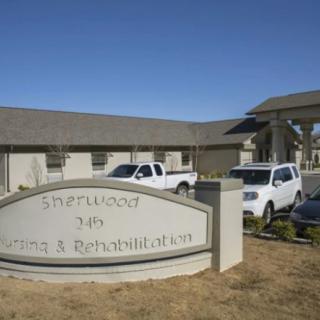
1001 East Park Street, Carlisle, AR 72024
For more information about senior living options: (866) 208-4318
Overall Review of Chambers Nursing Home Center
Pros
 The staff are fantastic.
- They kept the family in constant contact about everything.
- The physical therapy team motivated patients to do their exercises.
- The patient was excited to get better and go home.
- They comforted the family when the patient passed.
- The facility has continually improved since Sen Glover ran it.
- The staff are very caring and take good care of patients.
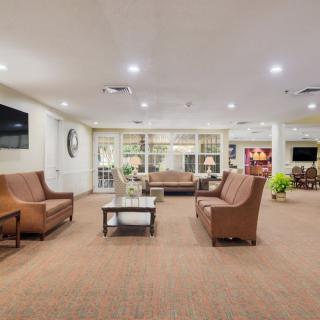
- The facility is clean and neat.
- The staff are very informative and provide good care.
- The reviewer would choose this facility again if needed.
Cons
 She would fuss at first about how the therapists would throw her out of bed and get her moving, until it was learned she simply didn’t want to put in the work.
Review
Chambers Nursing Home Center in Carlisle, AR is best suited for families seeking a recovery-focused environment where rehabilitation and steady, compassionate care are the core priorities. The reviews repeatedly emphasize a robust physical therapy program that motivates residents to do the work and regain function, with outcomes that support a return home or a strong step toward independence. The setting is described as clean, organized, and welcoming, and staff engagement with families is consistent and meaningful. For seniors who recently left a hospital stay and need structured rehab, or residents with Alzheimer’s or aphasia who require patient, attentive care, this community presents a practical, well-grounded option. In short, it is a solid fit where the practical goal is reliable recovery and ongoing family involvement.
Those who may want to consider alternatives include families seeking high-end amenities, venues with broader social programming, or memory-care approaches that differ from what Chambers emphasizes. The facility carries a strong reputation, but the rating landscape includes a small share of lower scores, signaling that not every experience mirrors the positive narratives. For families prioritizing ultra-premium comforts, highly specialized memory-care models, or highly variable daily routines across shifts, other centers may better align with those expectations. A careful comparison of programming, environment, and resident goals will help determine whether Chambers truly fits the long-term care plan.
The strongest pros here offset potential drawbacks through tangible, measurable benefits. Frontline staff earn trust by maintaining regular, transparent communication with families, delivering timely updates, and inviting relatives into the care process rather than leaving them in the dark. Therapy teams stand out for their proactive approach; one reviewer specifically notes a therapist who enforced exercises and propelled a resident to progress, contributing to meaningful gains and the possibility of going home. The care team’s empathy shows in delicate moments, comfort offered to family members after a loved one’s passing, and in a practice of asking about the family’s well-being. Cleanliness and organization reinforce confidence in daily care, while consistently positive staff interactions cultivate a dependable, soothing backdrop for both short rehab stays and longer-term needs.
Even with strong chemistry and proven outcomes, the risk of uneven experiences exists, as suggested by the presence of lower-rated reviews. This underscores the importance of real-time communication and individualized pacing. The community’s core strengths lie in rehab-driven recovery, compassionate bedside manners, and a family-centered posture; the key question is whether staff can sustain consistently tailored plans and keep families fully informed through transitions, setbacks, or milestones. The variability that can occur across shifts is not unusual in skilled nursing settings, but it will matter to families evaluating ongoing care versus a single short-term rehab episode.
The facility clearly serves its strongest audience: those navigating post-acute rehab, seniors with memory challenges, and families who want frequent updates and clear progress snapshots. The care model blends clinical therapy with authentic emotional support, therapists who push for measurable gains, caregivers who greet relatives warmly, and administrators responsive to concerns. For loved ones living with Alzheimer’s or aphasia, the stable, clean environment paired with attentive staff offers practical stability and a sense of security. The willingness of teams to involve families in care decisions and during difficult moments suggests a genuine partnership rather than a transactional arrangement, which is essential when transitions extend beyond a single stay.
Bottom line: Chambers Nursing Home Center is a persuasive option for families prioritizing rehab outcomes, clear communication, and a steady, compassionate environment. It delivers motivating recovery stories and resident improvements that align with returning to daily life, sometimes even implying a home-at-evening path back to independence. Those seeking highly specialized or ultra-tailored memory-care programming beyond standard dementia care should test other facilities, as experiences may vary. Prospective families should schedule a tour, meet the therapy staff, and request concrete examples of recovery-to-home timelines, how caregiver updates are delivered, and care planning specifics for Alzheimer’s patients. A disciplined, side-by-side comparison will reveal whether this community best matches the individual recovery goals and long-term care expectations.
 90 resident community capacity
 Skilled Nursing Facility
 Air-conditioning
 Beauty salon
 Cable or satellite TV
 Computer center
 Dining room
 Fitness room
 Fully furnished
 Gaming room
 Garden
 Housekeeping services
 Kitchenette
 Move-in coordination
 Outdoor space
 Private bathrooms
 Restaurant-style dining
 Small library
 Telephone
 Wellness center
 Wi-Fi/high-speed internet available
 Community operated transportation
 12-16 hour nursing
 24-hour call system
 Activities of daily living assistance
 Assistance with bathing
 Assistance with dressing
 Assistance with transfers
 Diabetes diet
 Medication management
 Mental wellness program
 Special dietary restrictions
 Concierge services
 Planned day trips




 Comprehensive Exploration of Living Wills and Other Advance Directives
 A Detailed Exploration of Living Wills and Advance Directives
 Comprehensive Guide to Medicare Coverage for Hospice Care