
200 South Maple Street, Hazen, AR 72064
For more information about senior living options: (866) 208-4318
Maple Healthcare Costs & Pricing
Maple Healthcare presents a premium pricing structure for its room types, reflecting the elevated level of care and amenities it offers. For a studio, residents can expect to pay $6,145 monthly, which significantly surpasses both Prairie County's average of $3,323 and Arkansas's state average of $2,863. Similarly, a one-bedroom unit at Maple Healthcare is priced at $6,480, again higher than Prairie County's rate of $5,240 and Arkansas's statewide average of $3,322. This pricing strategy positions Maple Healthcare in the upper echelon of assisted living facilities in the region, suggesting a commitment to high-quality services that cater to those seeking an exceptional living experience.
| Floor plans | Maple Healthcare | Prairie County | Arkansas |
|---|---|---|---|
| Studio | $6,145 | $3,323 | $2,863 |
| 1 Bedroom | $6,480 | $5,240 | $3,322 |
Overall Review of Maple Healthcare
Pros
 The facility is great and the staff are friendly.
- The reviewer would highly recommend the facility.
- It was once a great local skilled nursing center.
Cons
 The facility is now a dump for the parent corporation.
- The staff are poorly trained, and unsanitary conditions have led to many health complaints and deaths.
- The facility had a 100% COVID-positive rate as of December 20, 2020.
Review
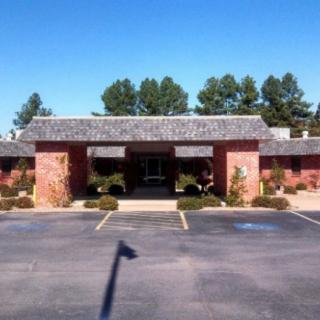
Maple Healthcare in Hazen, Arkansas is best suited for families that want a small, approachable skilled-nursing environment where frontline staff are friendly and the facility offers a welcoming day-to-day atmosphere. Those evaluating it will likely notice clean, well-kept common areas and a warmth in interactions during visits, which can ease the transition for a resident who values personal attention and a calm, home-like setting. The real question is whether such immediate comfort can be sustained when the care needs intensify or when governance and staffing pressures come into play. For families prioritizing stable, consistently high-standards care over time, Maple demands careful scrutiny beyond first impressions.
Alternatives should be considered for residents who require rigorous staffing reliability, steady adherence to care plans, and strict sanitation standards. Other local skilled-nursing options may offer more predictable training for aides and a governance framework that supports accountability, reducing the risk of care variability. For residents with complex medical needs, cognitive challenges, or high levels of dependence, Maple’s reviews suggest the possibility of notable quality fluctuations. In such cases, exploring facilities with proven track records in staffing stability and clear escalation mechanisms, or even home-health options, may provide more dependable ongoing oversight and safety.
On the upside, the positive impressions, friendly staff and a facility that feels well-organized in daily operations, translate into tangible benefits for everyday living. A resident who responds well to personable aides and a calm environment can experience smoother mornings, better collaboration with caregivers, and easier adherence to routines. This immediate practical value matters, particularly during transition or for someone who thrives on consistent, approachable assistance. Yet these strengths are fragile if behind-the-scenes issues undermine safety, because warmth cannot compensate for lapses in training, sanitation, or care coordination.
The most troubling signals come from concerns about staff training and overall sanitary conditions. Reports that staff may be poorly trained, combined with indications of unsanitary conditions and serious health complaints, point to vulnerabilities that can compromise resident safety even when day-to-day interactions feel positive. When such gaps exist, they can manifest as inconsistent care, missed cues, or preventable problems that erode trust quickly. In short, the favorable impression of a friendly, welcoming facility does not neutralize the risk associated with inadequate training and weak environmental controls.
Management and governance appear to be a consequential variable at Maple. The notion that the center operates under the umbrella of a larger parent corporation carries the risk of drift, where cost-cutting, turnover, or shifting priorities affect care consistency. This dynamic helps explain why a facility can feel well-run in some moments while failing to sustain quality in others. Families should anticipate potential fluctuations tied to leadership decisions, staffing pipelines, and the facility’s ability to maintain standards across shifts. Without strong governance and steady supervision, even the best frontline intentions may struggle to translate into reliable outcomes.
For a deliberate, informed decision, pursue a rigorous evaluation plan. Schedule unstructured visits to observe mealtime flow and shift changes, request current inspection summaries and incident logs, and interrogate staff training records and turnover rates. Demand clear answers on medication administration processes, call-light responsiveness, and sanitation routines. Seek a defined transition plan with measurable targets and a framework for ongoing family involvement and issue escalation. Maple may fit as a transitional or short-stay option for some, but only with explicit protections that guard against quality drift and ensure continuous, adherent care. For others, especially those who cannot tolerate variability, looking at alternatives with stronger governance and proven, lasting results is prudent.
 70 resident community capacity
 Skilled Nursing Facility
 Air-conditioning
 Beauty salon
 Cable or satellite TV
 Computer center
 Dining room
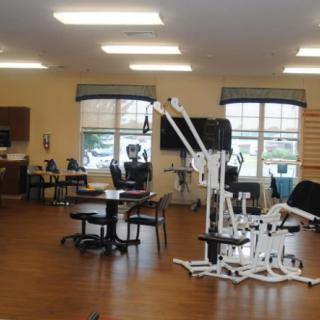
 Fitness room
 Fully furnished
 Gaming room
 Garden
 Housekeeping services
 Kitchenette
 Move-in coordination
 Outdoor space
 Private bathrooms
 Restaurant-style dining
 Small library
 Telephone
 Wellness center
 Wi-Fi/high-speed internet available
 Community operated transportation
 12-16 hour nursing
 24-hour call system
 Activities of daily living assistance
 Assistance with bathing
 Assistance with dressing
 Assistance with transfers
 Diabetes diet
 Medication management
 Mental wellness program
 Special dietary restrictions
 Concierge services
 Planned day trips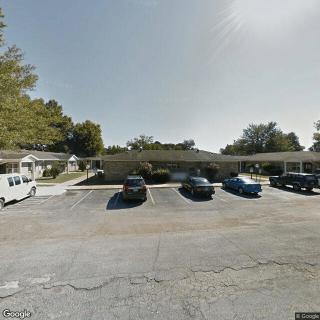




 Top Canine Companions for Older Adults
 Comprehensive Guide to Blood Pressure Charts for Older Adults: Understanding Normal and High Readings by Age
 Financing Long-Term Nursing Home Care Through Social Security: A Thorough Exploration