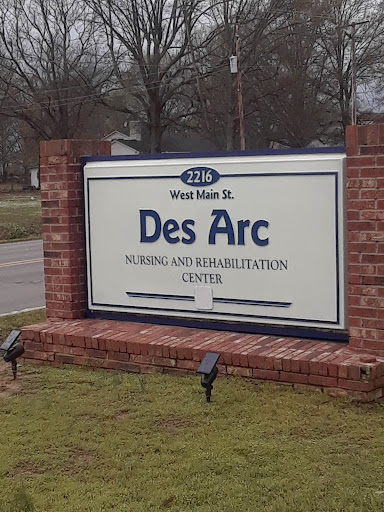
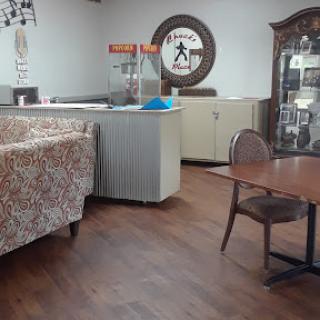
2216 West Main Street, Des Arc, AR 72040
For more information about senior living options: (866) 208-4318
Overall Review of Des Arc Nursing And Rehabilitation Center
Pros
 Mary, the business office manager, is very helpful.
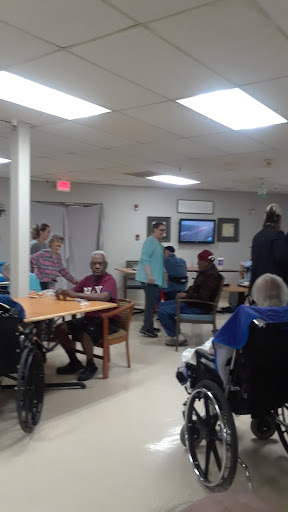
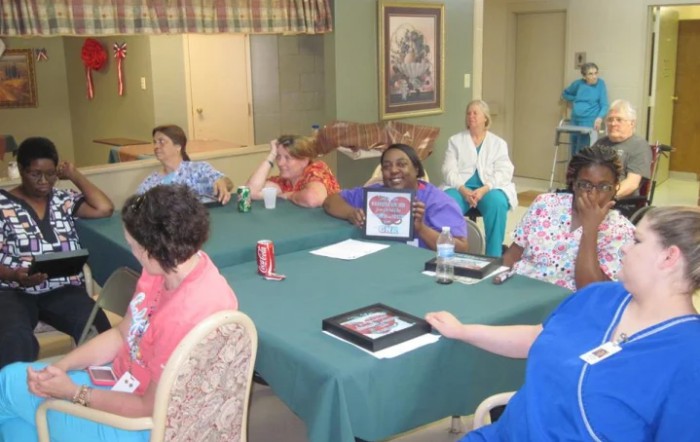
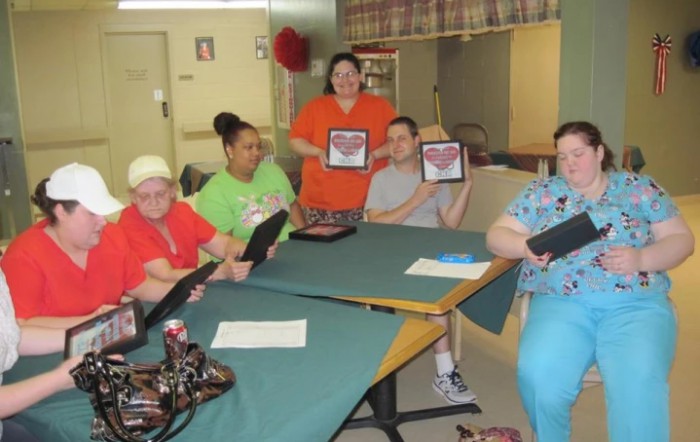
- The staff and residents are warm, welcoming, and helpful.
- The center offers two secure units, one for men and one for women.
- The people are friendly and they serve homestyle food.
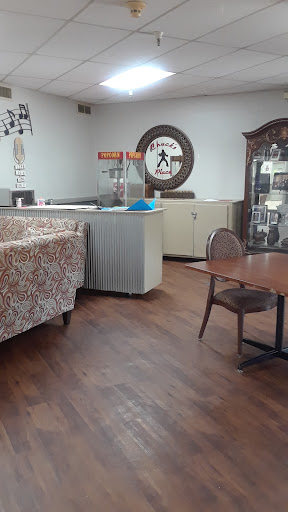
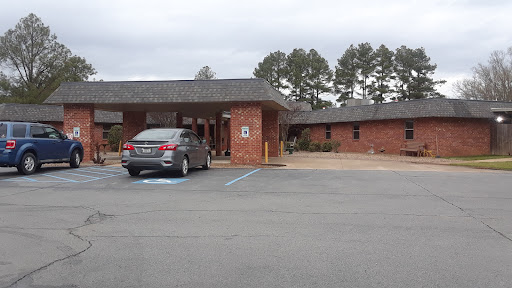
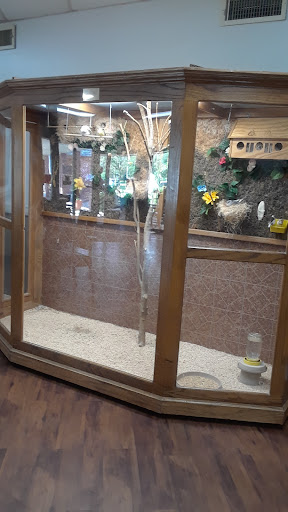
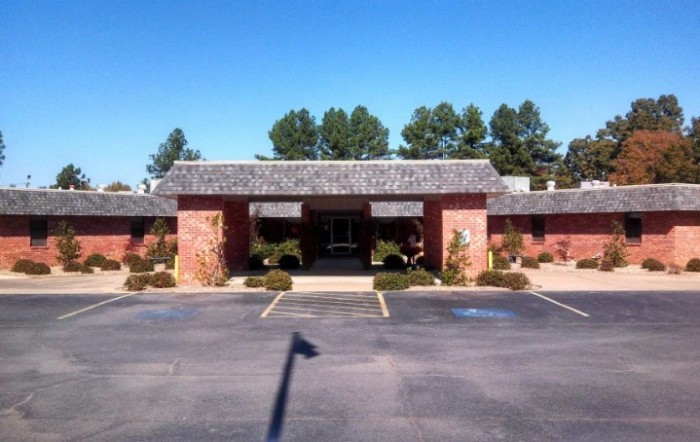
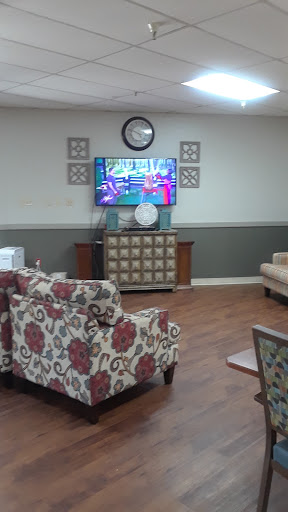
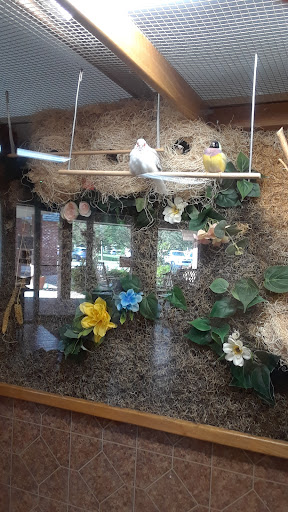
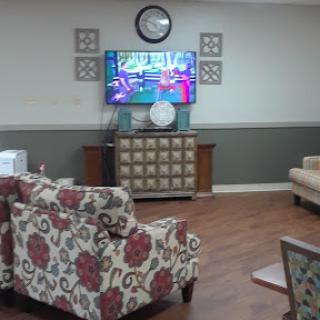
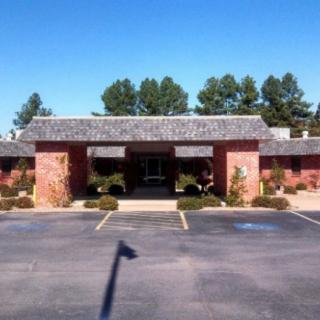
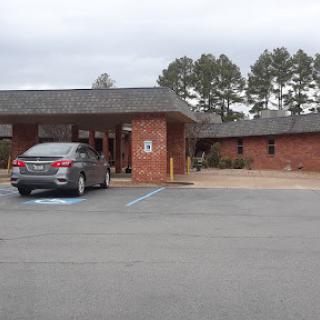
- The grounds and the interior are nice.
- The facility has a large outdoor seating area with rocking chairs.
- The admissions staff are knowledgeable, friendly, and helpful.
- The nursing staff is great and the facility is upbeat.
Cons
 The aide cocked an attitude toward the family when they reported an issue.
- The aide barely cleaned him and left fecal matter smeared on him, his catheter, and the bed.
- The room was a mess and cleanup was neglected, with water leaking on the floor from a jug left on the floor.
- Nurses handing out medicine joked about patients being naked, showing unprofessional conduct.
- The aide delivered meals inconsistently, sometimes not bringing food when in a bad mood.
Review
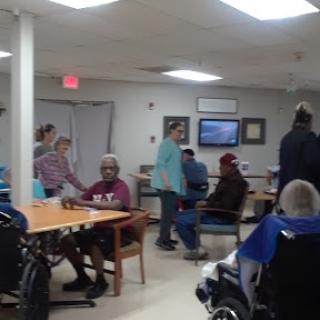
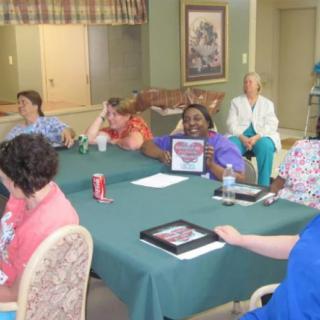
Des Arc Nursing & Rehabilitation Center is best suited for seniors who want a home-like, sociable setting with meaningful daily activities, accessible social opportunities, and a clear emphasis on safety through two separate secure units. Families prioritizing warmth from staff, engaging meals, and personalized attention will find the environment appealing. The community’s front-porch charm, homestyle dining, well-kept grounds, and a generally upbeat atmosphere contribute to a sense of belonging that can make a transition easier for residents who value companionship and a less clinical feel. However, this facility may not be the right fit for those who require unwavering, highly consistent medical oversight, rigorous clinical supervision, or absolute predictability in care delivery every hour of every day. For such cases, exploring alternatives with stronger demonstrated processes for high-acuity needs is prudent.
The most compelling advantages lie in people and pace. Multiple reviewers highlight Mary, the business office manager, and the broader staff as helpful and genuinely supportive, creating a trustworthy first impression during admissions and ongoing interactions. Residents and families repeatedly describe a warm, welcoming culture where activities, socialization, meals, and one-on-one care contribute to a richer daily life than expected in a traditional nursing setting. The two secure units, one for men and one for women, offer a tangible safety feature that is not universally present in comparable facilities, giving families confidence when safety concerns are paramount. The homestyle food, the country-style ambiance, and ample outdoor seating with rocking chairs reinforce a comfortable, lived-in feeling that supports emotional well-being and daily routine.
Nursing care is frequently cited as a strength, with staff described as attentive and the environment characterized as upbeat and respectful. When care is smooth, residents appear well cared for, and families report appreciation for the responsiveness of the nursing team. The facility’s emphasis on a respectful treatment ethos, combined with the visible dedication of frontline workers, can translate into better mood, engagement, and participation in activities. This alignment between staff attitude and resident experience is not cosmetic, it's a core driver of day-to-day satisfaction for many residents who thrive on interaction, purposeful activities, and reliable meal service. In short, the caregiving is capable and often commendable, which matters greatly for people who gauge quality by consistent, cheerful contact with caregivers.
Nevertheless, the most serious red flag emerges from a negative incident that resists whitewashing. A family recounts a disturbing scene in which a relative was found naked and in his own fecal matter, with aides showing a dismissive or negligent attitude and with several lapses in basic cleanliness and hygiene. The report extends to concerns about staff not wearing badges, subpar cleaning after incidents, leakage left unaddressed, and even derogatory jokes by staff about patient conditions. Such a narrative raises legitimate questions about supervision, accountability, and the overall culture of care on certain shifts. While it is prudent to acknowledge that not all staff or shifts will manifest this level of neglect, the gravity and specificity of these allegations cannot be dismissed. They undermine trust and necessitate rigorous oversight and corrective action by leadership.
In weighing pros against cons, the facility’s strengths in social engagement, homelike surroundings, and generally positive staff interactions are real and meaningful for many residents. The secure units provide a tangible advantage for safety-conscious families, and the overall atmosphere can enhance mood and participation in activities. However, the gravity of the reported neglect incident cannot be ignored; it introduces a downside that could have severe consequences for vulnerable individuals, especially those with high care needs or sensitive dispositions toward staff reliability. Families must assess risk tolerance: a setting that otherwise delivers warmth, companionship, and personalized attention may still fall short for residents who require spotless accountability, consistently compassionate care, and immediate, professionally managed responses to concerns.
For families considering a closer look, practical steps should guide the decision. Schedule multiple visits and request unannounced observations to gauge consistent interactions across shifts, especially with the nursing team and aides. Ask to tour both secure units and request a candid discussion with leadership about staff training, supervision, and the facility’s response protocol when concerns arise. Inquire specifically about badge policies, cleanliness standards, and how incidents are documented and addressed, plus the frequency and quality of housekeeping follow-through. Seek references from current residents or families who have recent experience, and compare distance and commute logistics with alternatives that may offer closer proximity or more predictable clinical oversight. The Des Arc setting can pay rich dividends for the right resident, but walked-through realities must align with risk tolerance and family expectations to avoid trading comfort for avoidable concerns.
In summary, Des Arc Nursing & Rehabilitation Center stands out for sociable seniors who prize a warm, homelike environment, strong staff relationships, and safety features like separate secure units. It can be an excellent choice for those who prioritize daily life quality, meals, activities, and personal attention, over a sterile, purely clinical experience. Yet the facility’s appeal is tempered by a troubling report of neglect and poor response in a critical situation, a factor that can upend confidence for families with highly risk-averse thresholds. Alternatives should be considered for those whose standards for cleanliness, accountability, and rapid remediation of issues are non-negotiable. For decisive action, engage in careful due diligence, verify current staffing and oversight practices, and insist on transparent conversations about how problems are prevented, detected, and resolved. This approach will ensure a clear-eyed determination about whether the Des Arc community can consistently deliver both the warmth and the rigor required for a loved one’s long-term well-being.
 98 resident community capacity
 Skilled Nursing Facility
 Air-conditioning
 Beauty salon
 Cable or satellite TV
 Computer center
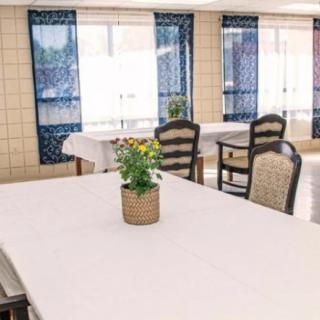
 Dining room
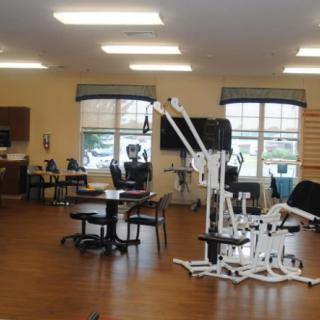
 Fitness room
 Fully furnished
 Gaming room
 Garden
 Housekeeping services
 Kitchenette
 Move-in coordination
 Outdoor space
 Private bathrooms
 Restaurant-style dining
 Small library
 Telephone
 Wellness center
 Wi-Fi/high-speed internet available
 Community operated transportation
 12-16 hour nursing
 24-hour call system
 Activities of daily living assistance
 Assistance with bathing
 Assistance with dressing
 Assistance with transfers
 Diabetes diet
 Medication management
 Mental wellness program
 Special dietary restrictions
 Concierge services
 Planned day trips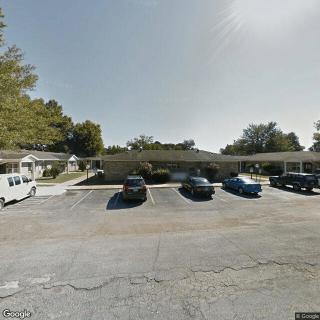




 Nurturing Our Elders: Linda's Journey of Supporting Her Mother
 A Comprehensive Exploration of Common Misunderstandings about Powers of Attorney
 Senior Move Management: Understanding the Role, Value, and Associated Costs