121 Spring Valley Road, Cabot, AR 72023
For more information about senior living options: (866) 208-4318
Overall Review of Greystone Nursing And Rehab
Pros
 Stephanie was the primary CNA and showed dedication, often arriving early to help residents.
- The CNAs and nurses were great.
- The food service department offered two meal choices and would prepare something different if neither was preferred.
- PT and OT services were great and prepared residents to care for themselves at home.
- Graystone employs staff who work well with residents, and every department goes out of their way to make stays pleasant.
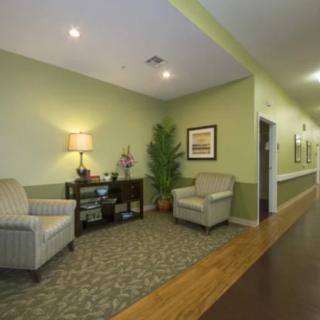
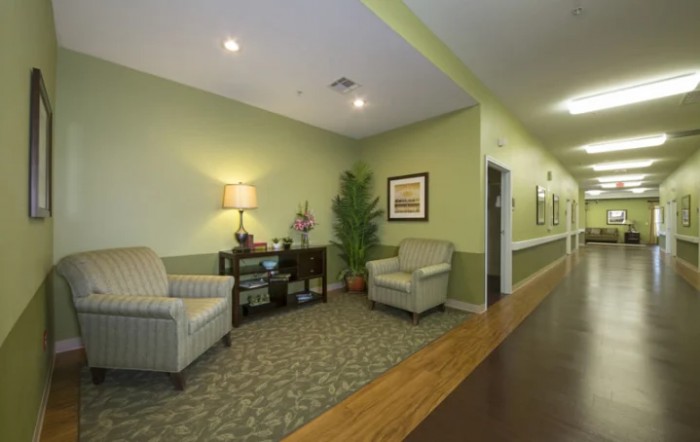
- The facility was really clean, and the staff were well-liked and respected.
- The staff were kind, compassionate, and very helpful to residents and families.
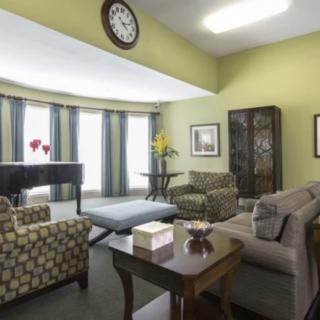
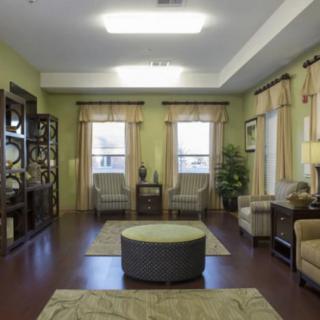
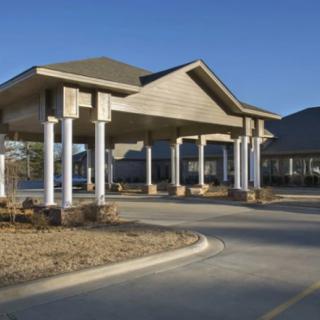
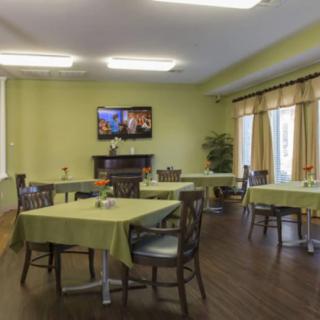
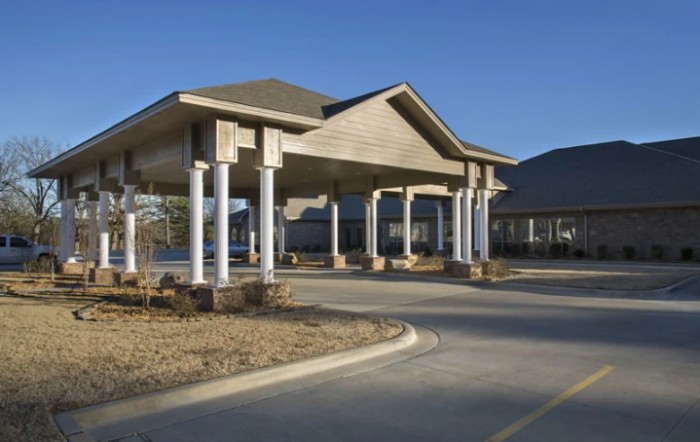
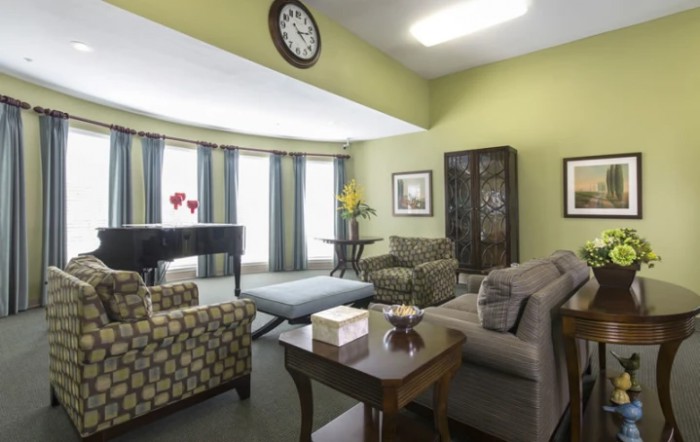
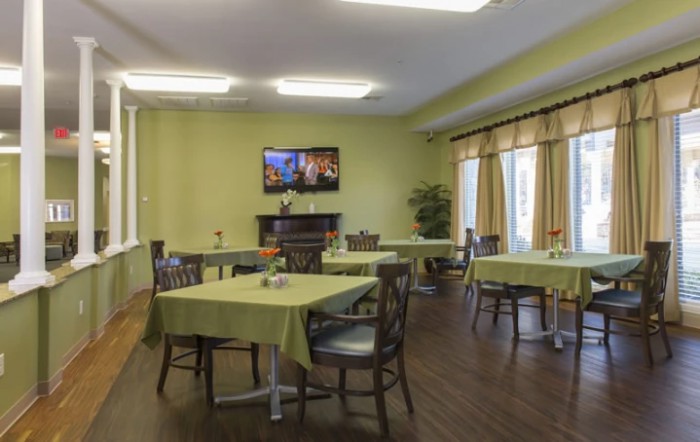
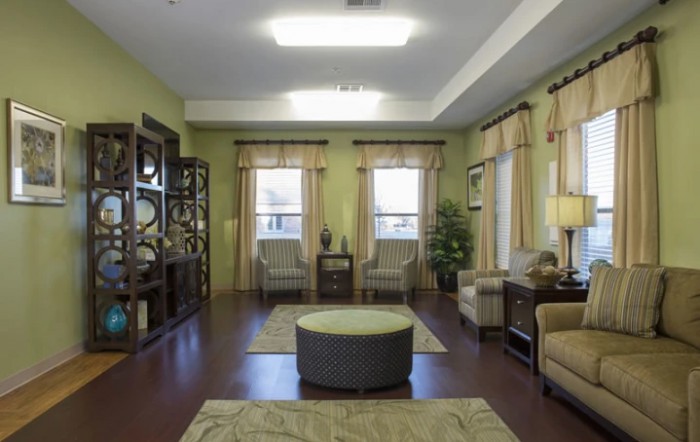
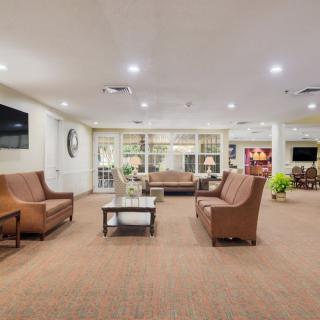
- The building is beautiful and well-maintained.
- Care plans and medication reviews were thorough, improving care and leaving the resident feeling clear-headed.
Cons
 The mom was left in her bed all day in a darkened room to wet herself.
- No one answered the call light to assist her to the restroom.
- She fell there, and she wasn’t notified for 2.5 days.
- The day shift was not very good.
- The nurse techs were hateful and mean to him, rough with him, and abusive.
- The facility was described as a very nasty place where staff were extremely rude and would screw over the workers.
- The reviewer would never recommend this ugly place.
Review
Greystone Nursing And Rehab in Cabot is best suited for families prioritizing aggressive rehabilitation after injury or surgery, where the primary goal is a confident, therapist-driven return to independent living. The strongest case here rests on hands-on, attentive bedside care paired with robust PT and OT programs that actively prepare residents to re-enter home life. Cleanliness and ongoing remodeling contribute to a sense of modern management, reducing ancillary concerns and letting the rehab process stay center stage. When rehab needs are front and center, Greystone’s approach can feel practical, focused, and capable.
Those who may want to consider alternatives include families for whom safety and consistent, 24/7 attentiveness are non-negotiable. A number of reviews highlight gaps in call-light responsiveness, with patients left waiting or neglected during attempts to summon help. Across accounts, there are serious questions raised about how day shifts are staffed and how issues are escalated, even as night shifts are praised for their responsiveness. For residents who require unwavering daily monitoring or who have a history of sensitive medical needs, these reports cannot be ignored and warrant comparison with other communities.
The key strengths at Greystone, dedicated CNAs and nursing staff, effective therapy services, and a responsive approach to care planning, do genuine work in offsetting some of the downsides. Positive anecdotes describe CNAs who go above and beyond, with examples of extra effort around showers, mobility coaching, and personal encouragement that accelerates recovery. Therapy teams are repeatedly credited with practical, home-going preparation, and the dining program stands out for offering two choices and accommodating substitutions when needed. The overall level of cleanliness and the sense of a well-maintained facility help create a productive rehab environment, and resident and family praise for staff kindness reinforces the idea that the team can be trusted when demands are clear and expectations are set.
Nevertheless, the most severe concerns from families cannot be dismissed. Several reviews recount experiences where a resident was left in distress or unassisted for extended periods, including falls with delayed notification. Reports of rough treatment or disrespectful behavior by some staff members, along with a sentiment that some days are better than others depending on who is on shift, signal a safety culture that requires close scrutiny. A particularly troubling account described abusive behavior that led to a family removing a loved one from care. These incidents, even if not universal, strike at the core expectations of dignity, safety, and consistent communication and should prompt families to demand transparent policies, rigorous incident follow-up, and observable improvements before committing.
For families making a practical decision, the path is clear: investigate staffing patterns and escalation protocols, observe call-light response times during a tour (ideally at different hours), and speak candidly with current residents about their daily experiences. Request to review recent care plans, medication reviews, and the facility’s process for addressing complaints or alleged mistreatment. Ask how therapy progress is tracked and how success is defined for discharge to home. In addition, verify the activity calendar, social engagement opportunities, and how the building’s remodel affects noise, privacy, and daily routines. If possible, arrange informal conversations with both front-line caregivers and supervisory staff to gauge consistency in tone and accountability.
In the end, Greystone offers a solid, rehab-forward option with proven strengths in therapy, nursing attention, and cleanliness, but it carries meaningful caveats. For families prioritizing top-tier daily safety, consistent call-light responsiveness, and a zero-tolerance environment regarding mistreatment, alternatives should be actively explored. If choosing Greystone, enter with clear expectations, insist on transparent, ongoing communication, and establish a concrete plan for monitoring progress and safety. A careful, comparative visit, along with a direct discussion about staffing, incident reporting, and the facility’s commitment to dignity, will determine whether this community is the right fit or whether another option better aligns with the resident’s safety and care standards.
 80 resident community capacity
 Skilled Nursing Facility
 Air-conditioning
 Beauty salon
 Cable or satellite TV
 Computer center
 Dining room
 Fitness room
 Fully furnished
 Gaming room
 Garden
 Housekeeping services
 Kitchenette
 Move-in coordination
 Outdoor space
 Private bathrooms
 Restaurant-style dining
 Small library
 Telephone
 Wellness center
 Wi-Fi/high-speed internet available
 Adams (22 miles away)
 Community operated transportation
 12-16 hour nursing
 24-hour call system
 Activities of daily living assistance
 Assistance with bathing
 Assistance with dressing
 Assistance with transfers
 Diabetes diet
 Medication management
 Mental wellness program
 Special dietary restrictions
 Concierge services
 Planned day trips




 A Detailed Exploration of Living Wills and Advance Directives
 Comprehensive Guide to Medicare Coverage for Hospice Care
 Caring for Those Who Care: Recognizing, Understanding, and Overcoming Caregiver Burnout