Spring Creek Health & Rehab

Save

  • Interior

    Modern office reception area with minimalist design and pendant lighting.
  • Outdoors

    A welcoming entrance sign for Spring Creek showcasing its name and logo amidst a natural backdrop.
  • Decor

    A modern conference room with a large table, comfortable chairs, and a television on the wall.
  • Living Room

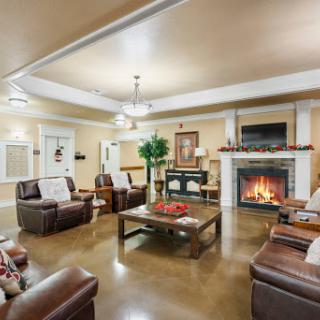
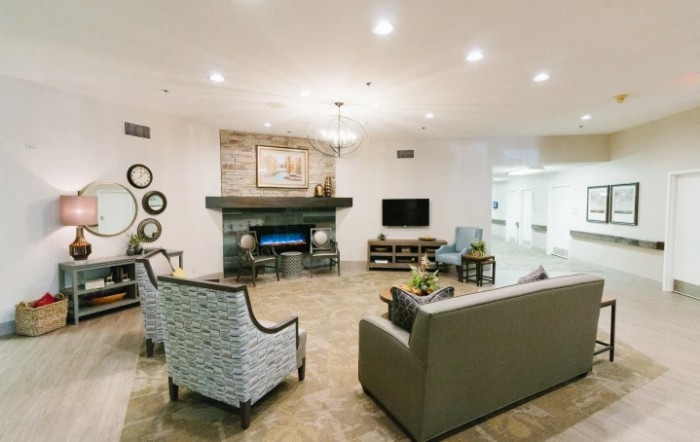
    A stylish living room with modern decor, featuring a fireplace and comfortable seating.
  • Building

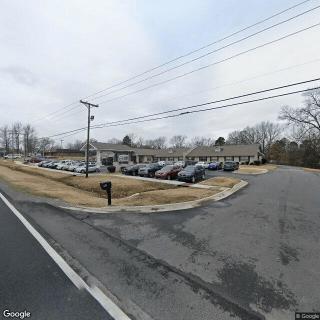
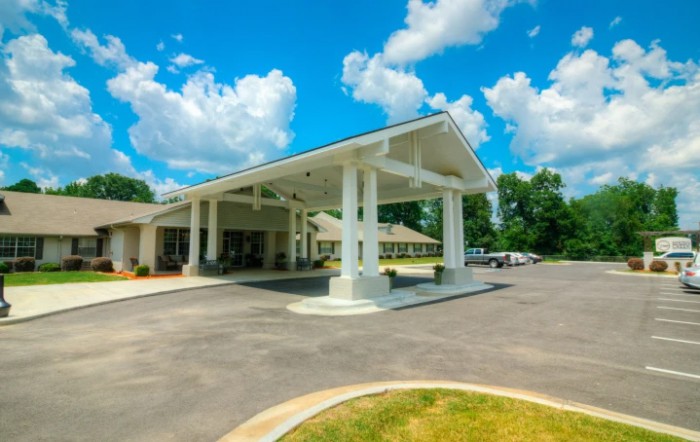
    A building with a covered entrance and driveway, set against a partly cloudy sky.
  • Bedroom

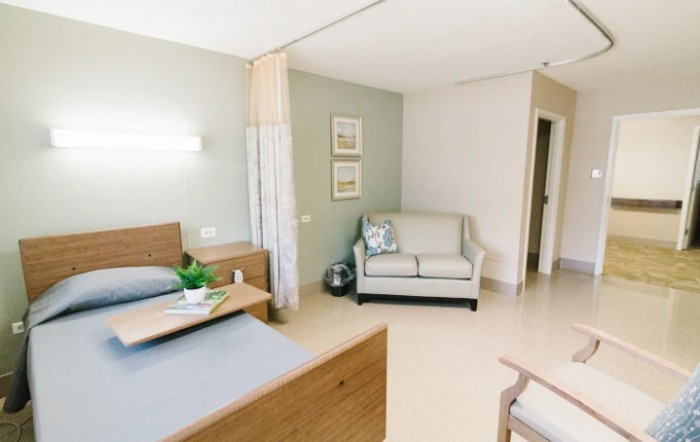
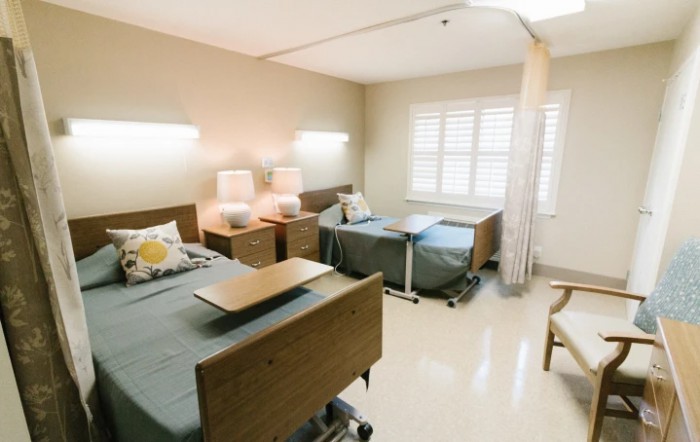
    A modern hospital room featuring two beds and a small seating area.
  • Windows

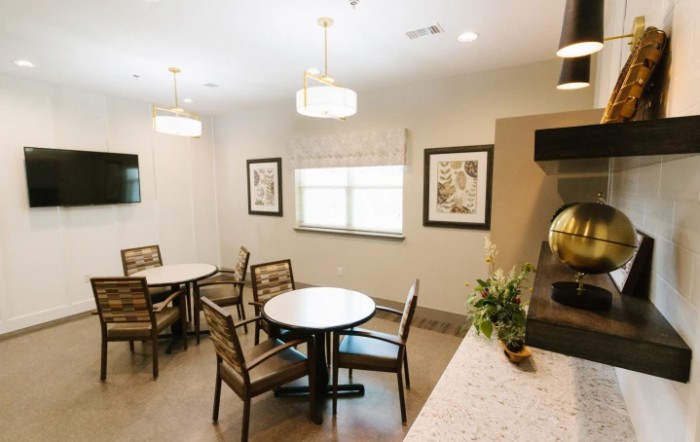
    A cozy indoor dining area with tables, chairs, and decorative elements.
  • Exercise Equipment

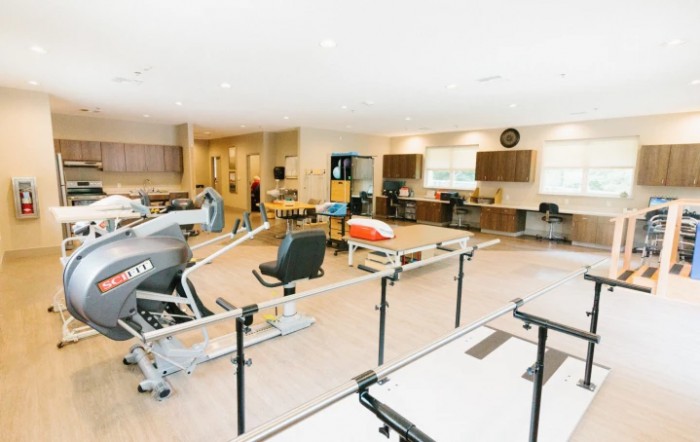
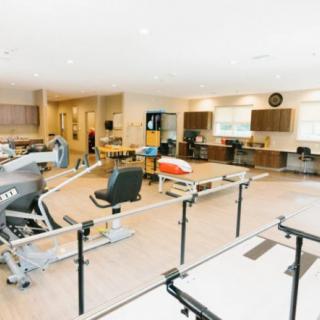
    A spacious physical therapy center equipped with various exercise machines and rehabilitation equipment.
  • Bright Lighting

    A clean and bright hospital room with two beds and a curtain divider.

Spring Creek Health & Rehab

804 North 2Nd Street, Cabot, AR 72023

For more information about senior living options: (844) 490-3973

4.1 from 72 reviews
5 stars
52
4 stars
5
3 stars
1
2 stars
1
1 stars
13

Skilled Nursing Facility

What level of care are you interested in?

Assisted Living

Memory Care

Independent Living

Skilled Nursing Facility

Continuing Care Retirement Community (CCRC)CCRC

Other


Request a tour at Spring Creek Health & Rehab

    Overall Review of Spring Creek Health & Rehab

    Pros

    • pro The staff were very friendly and treated residents like family.
    • pro The physical and occupational therapists helped residents make substantial progress toward mobility.
    • pro Staff communicated changes promptly to families and provided regular updates.
    • pro The facility was clean, safe, and well cared for, making residents feel secure.
    • pro Administrative and office staff were helpful and courteous, including with billing and paperwork.
    • pro Therapists Kim and Angie demonstrated dedication and never gave up on patients.
    • pro The social workers and nursing staff consistently went above and beyond for residents.
    • pro Reviewers describe the facility as a 5-star, highly caring place that makes a difference in the community.

    Cons

    • pro The first two facilities were pathetic.
    • pro The mother's stay was cut short due to an egregious decision by the insurance company.
    • pro There was a lack of friendly greetings at the front entrance.
    • pro The place smelled like urine and residents did not appear to be cared for properly.
    • pro Gnats in the rooms, hot and stuffy air, smoke drifting into hallways from a smoking area, and an overcrowded gathering area created a poor environment.
    • pro Some staff seemed not to want to be there, suggesting understaffing or disengagement.
    • pro A red-headed housekeeper was perceived as disrespectful and lacking manners.

    Review

    Spring Creek Health and Rehab presents itself in many lightnings: for some families it has been nothing short of a blessing, a place where care feels personal, staff treat residents like family, and progress in rehabilitation is not just possible but evident. For others, the same facility has exposed gaps that overshadow the positives - glimmers of warmth and competence dimmed by moments of disconnect, anxiety about safety, and concerns about the basic upkeep of the environment. Taken together, the collection of experiences paints a portrait of a facility that can be shiningly effective in delivering compassionate, attentive care, while also revealing pockets of room for improvement that matter deeply to patients and their loved ones.

    Across a broad swath of reviews, the frontline caregiving teams stand out as the heart of Spring Creek. Families repeatedly praise the friendliness, professionalism, and dedication of nurses, therapists, and social workers. Specific voices highlight the physical therapy and occupational therapy teams as capable, patient, and encouraging, with praise directed toward individuals who went above and beyond. One reviewer singled out a trio of caregivers - Brandon, Audrey, and Joseph, among others - along with George and Autumn, who consistently "went above and beyond." The daily helpers who become familiar faces - whether they are RNs like Jennifer or LPNs like Brooklyn - made a lasting impression, with some residents expressing that they felt truly cared for and kept informed about their loved ones' status. The social workers, including Ellen, are repeatedly named for their thoughtful assistance, and the financial and family liaison roles are lauded when staff like Allie from the accounting office cheerfully remind families of bill due dates and assist with paperwork. In many accounts, the care teams are described not as faceless staff but as people who matter to the residents and families, creating an atmosphere that feels more like a caring community than a clinical institution.

    Several reviews highlight tangible outcomes from care received at Spring Creek. One resident notes substantial progress in rehabilitation and expresses a sincere appreciation for the care that helped them regain function, even if an external barrier - the insurance decision - shortened the stay. The sentiment is clear: had external systems not intervened, the trajectory of recovery could have been even more positive. Another account emphasizes that the facility was "fabulous" across the board, with staff responsiveness and family communications that felt proactive and reassuring - updating weekly and treating family inquiries with respect and seriousness. The sense of safety, security, and dignified treatment is a recurring thread, contributing to a feeling that residents are in capable, attentive hands.

    Yet, alongside these strong endorsements, there are equally vivid criticisms that reflect genuine disappointments. A number of reviewers describe facilities that feel understaffed at times, with consequences such as delayed responses to emergencies, limited attention to everyday comforts, and gaps in communication to families when decisions or changes occur. One former resident speaks frankly about the environment: a sense of prisons-like food, outdated interiors, and a patient-calling system where a push-button does not always connect promptly to a responsive intercom. Reports of gnats in rooms, stuffy conditions, and smoke drifting through hallways from an outdoor smoking area point to environmental and maintenance issues that understandably affect comfort and wellbeing. The critique extends to the front entrance experience, where an unfriendly first impression by the front-desk attendant contrasted sharply with the warmth and competency found elsewhere in the building, suggesting that a more consistent greeting and welcoming energy could significantly change the initial perception of the facility.

    Other reviewers share harsher, more specific complaints about cleanliness and upkeep. Instances of odors, unclean carpets, and what some perceive as neglect in basic housekeeping contribute to a sense that the facility's daily operations are not as polished as they could be. One comment phrases it bluntly: a red-headed housekeeper left a guest feeling disrespected, illustrating how personal interactions, even when minor in scope, leave lasting impressions on families. There are also remarks about public areas being crowded or not well maintained, with some residents left in wheelchairs near the front door and the overall impression that the physical environment does not match the caliber of care the staff are capable of delivering. Taken together, these observations point to a disconnect between the high level of clinical care described by many staff and the atmosphere and infrastructure that can undermine that care.

    Amidst the mixed environment, there are noted peaks of excellence that keep Spring Creek in a positive light for many reviewers. Several accounts describe the facility as "tier one" and capable of delivering excellent care, with administrators and staff who genuinely care about residents. The presence of a robust therapy program and a strong administrative backbone is emphasized, with testimonials to administrators and teams who "really care for their residents" and create a warm, supportive culture. Families mention that activities, social engagement, and opportunities for outings or group participation help residents feel connected, joyful, and valued. In these narratives, the facility appears to excel at creating a sense of community, keeping residents engaged, and fostering relationships that go beyond mere routine care.

    Across the spectrum, Spring Creek Health and Rehab emerges as a place of strong potential and genuine warmth, underscored by a disciplined, capable therapeutic team and a committed administrative staff. For many families, the facility represents a lifeline - an environment where their loved ones can receive skilled rehabilitation and compassionate daily care, while remaining connected through regular communication and visible empathy from caregivers. For others, the experience is tempered by concerns about staffing levels, the cleanliness and upkeep of the physical space, and the sometimes slow or uneven response times in what should be urgent moments. The common threads are clear: when the staff are engaged, friendly, and communicative, the care feels transformative; when logistical, environmental, or administrative gaps appear, the impact can be significant and disappointing.

    In the end, Spring Creek Health and Rehab seems to embody a dual reality: a high-caliber team delivering heartfelt, capable care and a facility that, in places, struggles with operational strains that affect comfort and perception. For families who have experienced the best of what Spring Creek has to offer, the facility stands out as a place where staff treat residents with dignity, where progress is achievable, and where the sense of family among residents and caregivers feels almost tangible. For others, the experience underscores the importance of constant attention to front-line warmth, environmental quality, and reliable, timely responses to needs. Taken together, the community of reviews paints a portrait of a facility capable of exceptional care, with ongoing opportunities to refine the everyday experience that makes that care consistently outstanding for all who enter.

    Features

    Housing

    • 109 resident community capacity 109 resident community capacity

    Types of Care

    • Skilled Nursing Facility Skilled Nursing FacilitySkilled Nursing Facilities are crucial for seniors as they provide round-the-clock medical care, rehabilitation services, and assistance with daily activities. These facilities ensure that seniors receive the specialized care they need to maintain their health and well-being as they age.

    Amenities

    • Air-conditioning Air-conditioningAir conditioning is important for seniors as they are more vulnerable to heat-related illnesses and may have underlying health conditions that make it difficult for them to regulate their body temperature. It helps to keep them comfortable, safe, and healthy in hot weather.
    • Beauty salon Beauty salonBeauty salons are important for seniors because they provide a space for them to feel pampered, socialize, and maintain their personal grooming and hygiene. Regular visits to a beauty salon can help boost seniors' self-esteem and overall well-being.
    • Cable or satellite TV Cable or satellite TVCable or satellite TV is important for seniors because it provides entertainment, news, and companionship, helping to combat loneliness and boredom. It also offers a wide range of programming options tailored to different interests and preferences.
    • Computer center Computer centerA computer center is essential for seniors as it provides access to technology, communication tools, and resources that can enhance their daily lives. It allows them to stay connected with loved ones, engage in online activities, and learn new skills, ultimately promoting socialization and mental stimulation.
    • Dining room Dining roomDining rooms are important for seniors as they provide a space for socialization, connection, and nutritious meals. They offer opportunities for residents to bond over shared meals, foster a sense of community, and promote healthy eating habits. Dining rooms also ensure that seniors have access to well-balanced meals tailored to their dietary needs and preferences.
    • Fitness room Fitness roomHaving a fitness room in a senior living community is essential for seniors to stay active, maintain their physical health, and improve their overall well-being. Regular exercise can help prevent falls, reduce the risk of chronic diseases, and promote mental sharpness. It also provides social opportunities for residents to connect with others and enjoy a sense of community.
    • Fully furnished Fully furnishedFully furnished senior living communities are important for seniors because they provide convenience, comfort, and a hassle-free moving experience. Seniors can easily settle into their new living space without the stress of having to buy and move furniture. This allows them to focus on enjoying their new home and community.
    • Gaming room Gaming roomGaming rooms are important for seniors as they provide a fun and engaging environment for socializing, cognitive stimulation, and physical activity. Games can improve memory, problem-solving skills, and overall mental well-being while fostering friendships and reducing feelings of isolation.
    • Garden GardenGardens are important for seniors as they provide a peaceful and therapeutic environment for relaxation, physical activity, and socialization. Being in nature has been shown to reduce stress, improve mood, and promote overall well-being. Gardens also offer opportunities for seniors to engage in gardening activities, which can improve mobility, flexibility, and cognitive function. Additionally, gardens create a sense of community and connection with others who share a passion for plants and outdoor spaces.
    • Housekeeping services Housekeeping servicesHousekeeping services are important for seniors because they help maintain a clean and safe living environment, promote independence, and reduce the risk of accidents or illnesses. Additionally, having assistance with household chores can alleviate physical strain and allow seniors to focus on other aspects of their well-being.
    • Kitchenette KitchenetteKitchenettes are important for seniors living in senior living communities because they provide the convenience and independence of being able to prepare simple meals and snacks in the comfort of their own living space. This can help promote a sense of autonomy and well-being for seniors, allowing them to maintain some level of control over their dietary choices and daily routines.
    • Move-in coordination Move-in coordinationMove-in coordination is important for seniors because it helps ease the transition into their new living environment. It ensures that all logistics, such as packing, organizing movers, and setting up utilities are taken care of, allowing seniors to focus on settling in and adjusting to their new home. Having a smooth move-in process can alleviate stress and anxiety, making the transition smoother and more enjoyable for seniors.
    • Outdoor space Outdoor spaceOutdoor spaces are important for seniors as they provide opportunities for physical activity, social interaction, exposure to natural light and fresh air, and a sense of connection to nature. Having access to outdoor spaces can improve overall well-being and quality of life for older adults living in senior communities.
    • Private bathrooms Private bathroomsPrivate bathrooms are important for seniors in senior living communities because they provide independence, dignity, and comfort. Having a private bathroom allows seniors to maintain their personal hygiene routines without the need for assistance, promoting a sense of autonomy and privacy. Additionally, private bathrooms help prevent the spread of infections and provide a safe and clean environment for seniors to navigate safely.
    • Restaurant-style dining Restaurant-style diningRestaurant-style dining is important for seniors because it allows them to enjoy delicious, nutritious meals in a social and upscale setting. This enhances their dining experience, promotes healthy eating habits, and fosters socialization with fellow residents, ultimately contributing to their overall well-being and quality of life.
    • Small library Small librarySmall libraries are important for seniors as they provide access to a variety of reading materials, including books, newspapers, and magazines. This can help stimulate their minds, keep them engaged, and provide a sense of community through book clubs and other social activities. Additionally, reading has been shown to improve cognitive function and overall mental well-being in older adults.
    • Telephone TelephoneTelephones are important for seniors as they provide a lifeline for communication with loved ones, emergency services, and healthcare providers. They offer a sense of security and independence, enabling seniors to stay connected and access assistance when needed.
    • Wellness center Wellness centerWellness centers are important for seniors because they offer a variety of programs and services that promote physical, mental, and emotional well-being. These centers provide opportunities for exercise, socialization, education, and relaxation, helping seniors maintain their overall health and quality of life.
    • Wi-Fi/high-speed internet available Wi-Fi/high-speed internet availableWi-Fi/high-speed internet is important for seniors to stay connected with loved ones, access online resources, and participate in virtual activities to combat feelings of loneliness and isolation. It also allows them to easily manage healthcare needs, access entertainment, and engage in lifelong learning opportunities.

    Transportation

    • Adams (21 miles away) Adams (21 miles away)
    • Community operated transportation Community operated transportationCommunity operated transportation is crucial for seniors as it provides them with the means to access essential services, social activities, and medical appointments. It allows seniors to maintain their independence and quality of life by ensuring they can participate in activities outside of their homes. Additionally, community-operated transportation services offer a safe and reliable way for seniors to travel without having to rely on family or friends for assistance.
    • Transportation arrangement Transportation arrangementTransportation arrangements are crucial for seniors as they may face challenges with driving, mobility, or access to public transportation. Having reliable transportation services ensures that seniors can easily attend appointments, social activities, and maintain their independence and quality of life.
    • Transportation arrangement (non-medical) Transportation arrangement (non-medical)Transportation arrangements are essential for seniors as they provide access to essential services, activities, and social interactions outside the home. This service helps maintain independence, mobility, and overall well-being for seniors who may have limited transportation options.
    • Transportation to doctors appointments Transportation to doctors appointmentsTransportation to doctors appointments is crucial for seniors as it ensures they have access to necessary medical care and support, promoting their health and well-being. It allows them to receive timely treatment, monitor existing conditions, and address any new health concerns efficiently. Additionally, transportation services can help seniors maintain their independence and quality of life by enabling them to stay connected with their healthcare providers.

    Care Services

    • 12-16 hour nursing 12-16 hour nursing12-16 hour nursing care is crucial for seniors in order to ensure around-the-clock monitoring, timely medication administration, and prompt response to any health concerns or emergencies. This level of care helps to promote the overall well-being and safety of seniors living in senior living communities.
    • 24-hour call system 24-hour call system24-hour call systems are important for seniors because they provide peace of mind and immediate assistance in case of emergencies. This technology ensures that help is always available, promoting safety and security for elderly individuals living alone or in assisted living facilities.
    • 24-hour supervision 24-hour supervision24-hour supervision is important for seniors to ensure their safety, well-being, and access to immediate assistance in case of emergencies or health issues. This constant support provides peace of mind for both seniors and their loved ones, allowing them to age in place with dignity and security.
    • Activities of daily living assistance Activities of daily living assistanceActivities of daily living assistance are important for seniors because they provide essential support with tasks such as eating, bathing, dressing, and mobility. This assistance helps seniors maintain their independence, dignity, and overall quality of life as they age.
    • Assistance with bathing Assistance with bathingAssistance with bathing is crucial for seniors as it helps maintain personal hygiene, prevents infections, and ensures their overall well-being and comfort. It also provides a sense of dignity and independence for seniors who may struggle with this task on their own.
    • Assistance with dressing Assistance with dressingAssistance with dressing is important for seniors because it helps maintain their independence, promotes personal hygiene, prevents accidents and injuries, and improves overall quality of life. This service ensures that seniors can continue to dress comfortably and confidently, despite any physical limitations they may have.
    • Assistance with transfers Assistance with transfersAssistance with transfers is crucial for seniors as it helps prevent falls and injuries, maintains their independence, and ensures they can safely navigate their living environment. It also provides peace of mind for both seniors and their loved ones.
    • Diabetes diet Diabetes dietA diabetes diet is crucial for seniors as it helps manage blood sugar levels, reduce risks of complications, and improve overall health and well-being. By following a balanced and nutritious diet tailored to their specific needs, seniors can better control their diabetes and enhance their quality of life.
    • Meal preparation and service Meal preparation and serviceMeal preparation and service are crucial for seniors as they may have limited mobility or energy to cook nutritious meals. Having access to healthy and convenient food options can ensure they are getting the proper nutrition needed to maintain their overall health and well-being.
    • Medication management Medication managementMedication management is crucial for seniors to ensure they are taking the right medications at the correct dosages and times. This helps prevent adverse drug interactions, reduces the risk of medication errors, and promotes overall health and well-being. Proactive management also allows for adjustments as needed based on changing health conditions or new prescriptions.
    • Mental wellness program Mental wellness programMental wellness programs are essential for seniors as they promote cognitive stimulation, emotional support, and social engagement. These programs help prevent isolation, depression, and cognitive decline, ultimately enhancing the overall quality of life for older adults.
    • Special dietary restrictions Special dietary restrictionsSpecial dietary restrictions are important for seniors because age-related changes in metabolism and health conditions can make it difficult for their bodies to process certain foods. By following a diet tailored to their specific needs, seniors can maintain their overall health and well-being, manage chronic conditions, and reduce the risk of complications such as malnutrition or food interactions with medications.

    Dining

    • Diabetes diet Diabetes dietA diabetes diet is crucial for seniors as it helps manage blood sugar levels, reduce risks of complications, and improve overall health and well-being. By following a balanced and nutritious diet tailored to their specific needs, seniors can better control their diabetes and enhance their quality of life.
    • Special dietary restrictions Special dietary restrictionsSpecial dietary restrictions are important for seniors because age-related changes in metabolism and health conditions can make it difficult for their bodies to process certain foods. By following a diet tailored to their specific needs, seniors can maintain their overall health and well-being, manage chronic conditions, and reduce the risk of complications such as malnutrition or food interactions with medications.

    Activities

    • Community-sponsored activities Community-sponsored activitiesCommunity-sponsored activities are important for seniors as they provide opportunities for social interaction, mental stimulation, and physical activity. These activities can help improve overall well-being, combat loneliness and isolation, and promote a sense of belonging and purpose among older adults.
    • Concierge services Concierge servicesConcierge services are essential for seniors as they provide assistance with daily tasks and errands, enhance their quality of life by offering convenience and personalized care, and promote a sense of safety and security.
    • Fitness programs Fitness programsFitness programs are crucial for seniors as they help improve strength, flexibility, balance, and overall well-being. Staying active can reduce the risk of chronic diseases, improve mental health, and enhance quality of life in older adults.
    • Planned day trips Planned day tripsPlanned day trips are important for seniors because they offer opportunities for socialization, mental stimulation, and physical activity. They provide a change of scenery and help seniors stay engaged and connected to their community, promoting overall well-being and quality of life.
    • Resident-run activities Resident-run activitiesResident-run activities are important for seniors as they encourage social interaction, creativity, and a sense of autonomy. These activities empower seniors to stay engaged and active in their community while fostering meaningful connections with their peers.
    • Scheduled daily activities Scheduled daily activitiesScheduled daily activities are important for seniors because they provide structure, socialization, mental stimulation, and physical activity. Engaging in regular activities can improve overall well-being and quality of life for seniors living in a community setting.

    Description

    Spring Creek Health & Rehab in Cabot, AR is an exceptional assisted living community that offers a wide range of amenities and care services to ensure the comfort and well-being of its residents. The community features a beauty salon for residents to indulge in pampering sessions, as well as cable or satellite TV for entertainment purposes. Community operated transportation is provided for residents to easily access local attractions and amenities.

    For those who wish to stay connected, there is a computer center with Wi-Fi/high-speed internet available. The dining room offers restaurant-style dining experiences where residents can enjoy delicious meals prepared by the talented kitchen staff. Housekeeping services are also provided to keep the community neat and clean.

    Residents have access to a variety of recreational spaces including a fitness room, gaming room, small library, and outdoor space where they can engage in physical activities or simply relax amidst nature. Move-in coordination is offered to assist new residents in settling into their fully furnished accommodations with private bathrooms and kitchenettes.

    The community ensures the needs of its residents are met through 24-hour call system and supervision, assistance with various activities of daily living such as bathing, dressing, and transfers. Medication management is also provided by trained professionals. Special dietary restrictions are accommodated through diabetes diets and special meal preparation and service.

    Residents can partake in various activities organized by the community such as fitness programs, planned day trips, resident-run activities, and scheduled daily activities. Concierge services are available for any personal assistance needed. Nearby amenities such as cafes, parks, pharmacies, physicians' offices, restaurants, places of worship, and hospitals contribute to the convenience of living at Spring Creek Health & Rehab in Cabot, AR.

    Nearby Places of Interest

    Pharmacies

    • Harps Food Store (0.1 miles)
    • Getwell Rx (0.6 miles)
    • Walgreens (1 miles)
    • Express Rx of Cabot (1.5 miles)
    • Walmart Pharmacy (1.9 miles)
    • Cabot Pharmacy (2.6 miles)
    • Greystone Community Pharmacy (4.3 miles)

    Parks

    • Cabot Parks & Recreation (0.4 miles)
    • Beebee Ball Park (9.5 miles)
    • Paradise Park (9.9 miles)
    • Dupree Park (10.4 miles)

    Physicians

    • Unity Health-North Cabot Family Medicine (0.6 miles)
    • North Cabot Family Medicine, P.A. (0.6 miles)
    • Ortho Rehab & Specialty Center/Farrer Physical Therapy (1.6 miles)
    • The Pediatric Clinic (1.7 miles)
    • Arkansas Skin Cancer Center (1.7 miles)
    • Baptist Family Medical Center (1.8 miles)
    • Baptist Health Women's Satellite Clinic-Cabot (1.8 miles)

    Places of Worship

    • The Assembly Cabot (0.8 miles)
    • Velocity Student Ministry (0.8 miles)
    • Southern Baptist Convention (0.9 miles)
    • Bridge Church (1.6 miles)
    • Liberty Baptist Church (2.9 miles)
    • Mt Tabor United Methodist Church (4.1 miles)
    • Southern Baptist Convention (6.6 miles)

    Restaurants

    • KFC (0.9 miles)
    • Nacho's Authentic Mexican (1 miles)
    • N&N Catering (1 miles)
    • David's Burgers (1.5 miles)
    • Slim Chickens (1.5 miles)
    • Daylight Donuts (1.7 miles)
    • Purple Onion (1.8 miles)

    Hospitals

    • Cabot Emergency Hospital (1.2 miles)

    Cafes

    • Coco's Bakery (2.7 miles)
    • Starbucks (8.6 miles)

    Transportation

    • U-Haul Neighborhood Dealer (9.6 miles)

    Frequently Asked Questions

    Where is Spring Creek Health & Rehab?
    What photos are available for Spring Creek Health & Rehab in Cabot, Arkansas?

    Nearby Communities

    Related Resources

    • anticipatory griefRecognizing the Journey: Understanding and Navigating Anticipatory Grief

      Anticipatory grief is an emotional response to the impending loss of a loved one, characterized by complex emotions such as sadness and anger, and involves navigating stages similar to those identified by Kübler-Ross. Coping strategies are vital for managing this process, emphasizing compassionate communication, self-care, and support groups while recognizing the cultural influences on grieving.

    • adult day careEncouraging Participation in Adult Day Care: A Guide to Supporting a Hesitant Parent

      Adult day care programs offer essential support and activities for older adults, yet many hesitate to participate due to concerns about independence and stigma. To alleviate these apprehensions, families should facilitate open discussions, explore financial resources, suggest trial visits, and collaborate with healthcare providers to highlight the benefits of such services for both the participants and their caregivers.

    • living will definitionComprehensive Exploration of Living Wills and Other Advance Directives
      Living wills and advance directives are crucial legal documents that outline an individual's healthcare preferences when they cannot make decisions themselves, enhancing patient autonomy and alleviating family stress during medical crises. The article emphasizes the need for these documents to be personalized, legally valid, and regularly updated, while also encouraging communication about end-of-life wishes among family members and healthcare providers.


    Get Pricing Ask A Question Schedule A Tour Contact Senior Advisor