




Twin Rivers Health And Rehabilitation

Save

  • Interior

    A cozy library room with a large wooden table surrounded by striped chairs and filled bookshelves.
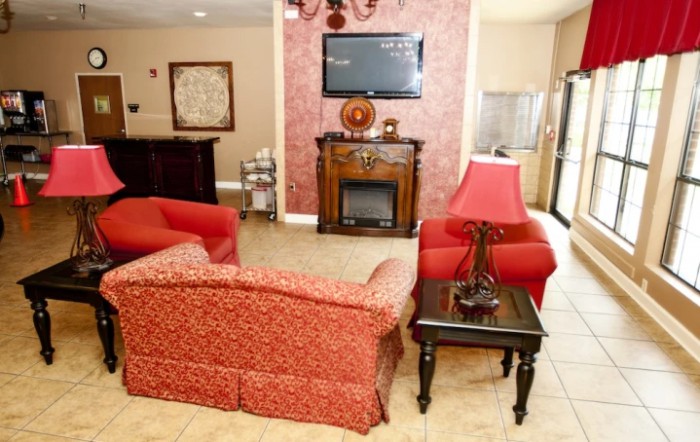
  • Decor

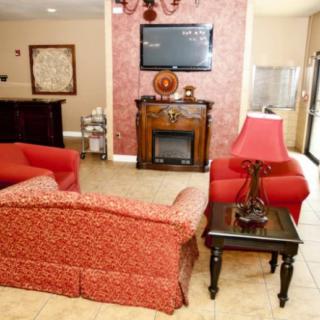
    A cozy living room with red upholstered furniture, a TV mounted above a decorative fireplace, and elegant decor.
  • Living Room

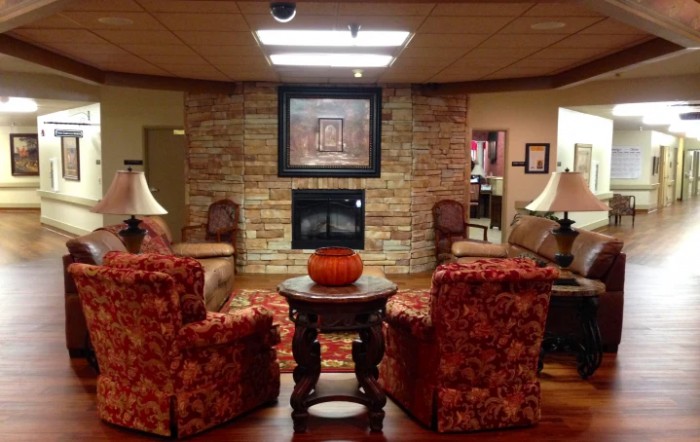
    A cozy living room with a fireplace, seating area, and autumnal decor.
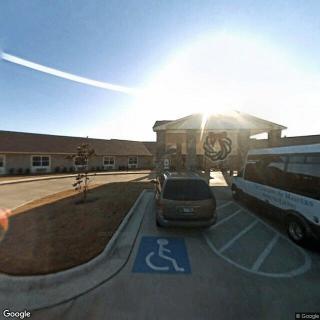
  • Building

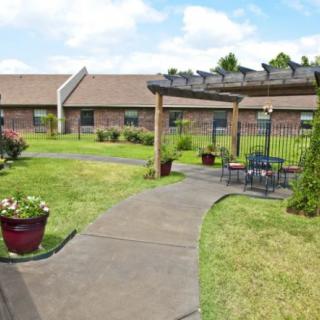
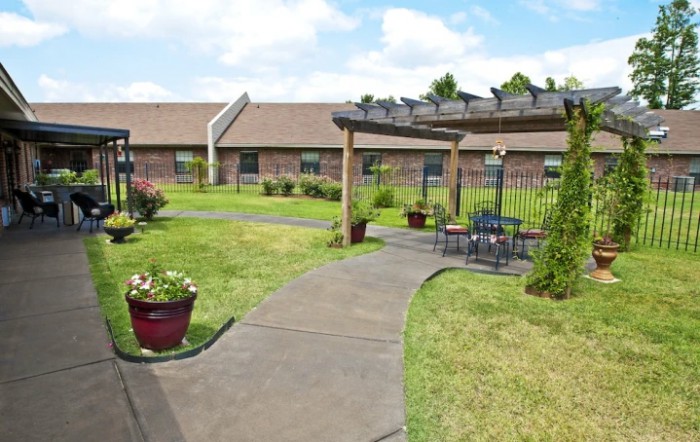
    A garden with a pathway and outdoor seating under a pergola, set in front of a building.
  • Seating Area

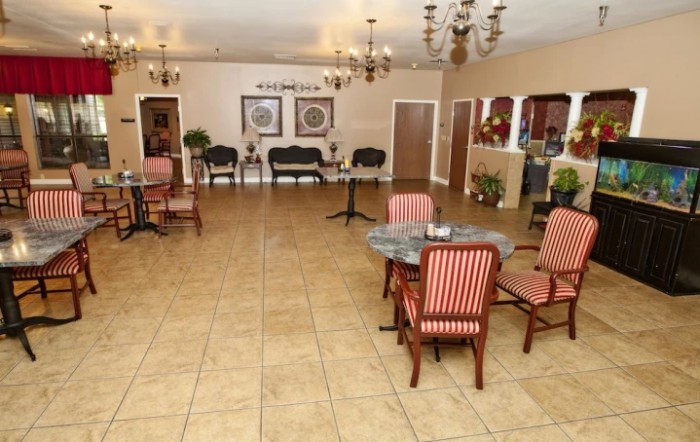
    A spacious lobby area with elegant seating and chandeliers.
  • Lobby

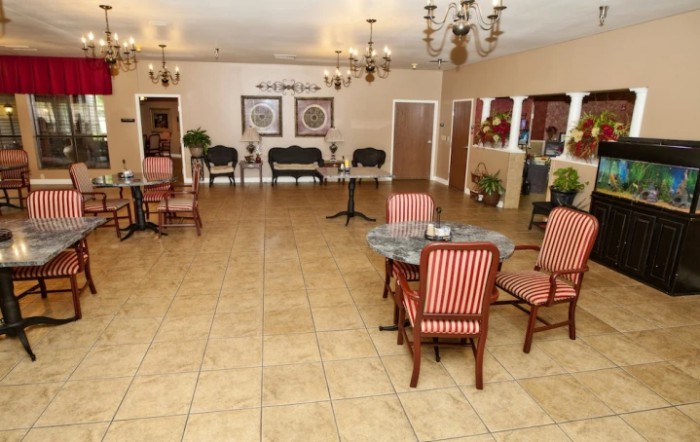
    A spacious lobby area with tiled floors, featuring tables and chairs, chandeliers, and decorative elements.
  • Salon

    A cozy hair salon interior with styling chairs and mirrors.

Twin Rivers Health And Rehabilitation

3021 Twin Rivers Drive, Arkadelphia, AR 71923

For more information about senior living options: (844) 490-3973

4.3 from 11 reviews
5 stars
9
4 stars
0
3 stars
0
2 stars
0
1 stars
2

Skilled Nursing Facility

What level of care are you interested in?

Assisted Living

Memory Care

Independent Living

Skilled Nursing Facility

Continuing Care Retirement Community (CCRC)CCRC

Other


Request a tour at Twin Rivers Health And Rehabilitation

    Overall Review of Twin Rivers Health And Rehabilitation

    Pros

    • pro The staff treat every resident like family.
    • pro They know each resident and their needs and meet them.
    • pro The facility is very clean.
    • pro The facility smells pleasant.
    • pro Residents seem very happy and well cared for.
    • pro Service animals are welcomed and staff are patient.
    • pro The facility is lovely with nice employees.

    Cons

    • pro They claim the facility threatened their family when seeking medical intervention for their grandmother.
    • pro They state there are no dietary alternatives for residents with restrictions.
    • pro They allege terrible food safety practices, including raw chicken thawing in an uncovered sink for over 24 hours.
    • pro They claim managers and staff do not care about the safety violations and did not fix the issue after concerns were raised.
    • pro They warn that eating there could make someone sick due to staff not following safety protocols.

    Review

    For many people, the idea of a nursing home carries a heavy set of preconceptions, often colored by stories of impersonal care and rigid routines. One encounter at Twin Rivers challenges those notions in a striking way. The experience begins with an openness that feels almost transformative: entering the facility, you sense a culture that aims to treat residents as family. The impression is reinforced by the way staff members move through the hallways - each person who sees a resident seems to know them by name, their preferences, and their needs. It isn't just a matter of duty; there is a warmth that suggests genuine connections. The building itself is described as very clean, with a pleasant atmosphere that invites interaction and a sense of daily life being well cared for. The overall mood in those moments is one of light, care, and activity rather than quiet resignation.

    In several first-hand accounts, the staff's approach stands out as a defining feature. Observers note that residents appear happy and engaged, a sign that routines may be balanced with moments of personal attention. The interactions you can observe between staff and residents convey a level of attentiveness that goes beyond basic care, with staff seemingly taking pride in getting to know each person and responding to needs in real time. The atmosphere is reinforced by the way new visitors are received - staff members greet them warmly and make them feel welcome, extending this courtesy as if to reassure families that their loved ones are in a supportive, respectful environment. For many, such experiences confirm a belief that nursing home life can be a place where people are treated with dignity and kindness.

    Yet these positive reflections sit alongside more troubling narratives that reveal a very different experience for some families. One review describes a deeply distressing dynamic around medical intervention for a grandmother, characterized by a sense that family concerns were not addressed promptly or respectfully. The language used suggests fear and frustration about decisions that feel pivotal to a loved one's health and well-being, leaving the impression that autonomy and timely communication may not always be prioritized in the way families expect. This perspective underscores a tension that can exist between clinical judgments and a family's desired course of action, reminding readers that medical decisions in long-term care can become emotionally charged and complex.

    Dietary considerations emerge as another area of concern in a separate account. The reviewer notes a lack of dietary alternatives for residents with restrictions, implying that individualized nutrition plans may not be as flexible as families would like. In a setting where meals are a daily touchpoint and taste, culture, and medical requirements intersect, such gaps can feel significant. The sense conveyed is that while meals may be prepared with care, there may be structural limitations in accommodating diverse dietary needs, which can leave some residents feeling underserved or frustrated. The overarching message is that policy and practice around meals can shape the resident experience just as strongly as companionship and clinical care.

    Amid these mixed impressions, there is a very stark and alarming claim about food safety. One review paints a frightening picture of lax practices, alleging serious violations that extend beyond routine missteps to suggest a pattern of neglect. The account describes raw chicken being thawed in a sink for more than a day, without proper packaging, and asserts that management and other staff either neglect or actively ignore safety concerns even when issues are raised. The reviewer goes so far as to describe the environment as a potential breeding ground for mass food poisoning and even references OSHA-related violations as evidence of systemic problems. This perspective is jarring in contrast to the other positive notes and raises critical questions about food service safety, accountability, and the ability of the leadership team to respond decisively to concerns about resident and staff welfare.

    In the midst of both the glowing and the grave, there are also positive takes that offer a counterbalance. One reviewer highlights that service animals are welcomed, and describes the facility as beautiful with a patient, kind staff. This detail suggests an environment that is inclusive and supportive not only of residents but of visitors and their needs as well. Another brief but favorable observation mentions a recent Sunday visit that left the reviewer pleasantly surprised by the facility's charm, the friendliness of the employees, and even the pleasing scent that greeted them upon arrival. Taken together, these notes point to a setting where warmth, hospitality, and quiet everyday care can coexist with serious concerns about safety and policy.

    Ultimately, these varied voices paint a nuanced portrait of Twin Rivers. On one side, there are clear affirmations of a culture that treats residents with affection and respect, where staff appear to know residents well, engage with them thoughtfully, and maintain a clean and welcoming environment. On the other side, there are pointed criticisms about medical decision-making processes, the handling of dietary restrictions, and, most alarmingly, the potential for unsafe food handling practices and management inaction. The juxtaposition of these experiences highlights a broader reality: in long-term care, the daily life of residents is shaped by a tapestry of human interactions, organizational policies, and safety practices that can differ dramatically from one moment to the next.

    For anyone considering Twin Rivers, the message here is not to draw a single conclusion from one visit or one perspective. The facility appears capable of delivering heartfelt, family-like care and a clean, pleasant environment. Yet there are specific, serious concerns raised about food safety, responsiveness to medical decision-making, and dietary accommodations that warrant careful, proactive inquiry. If you're evaluating this community for yourself or a loved one, it would be prudent to speak with multiple staff members across shifts, review the latest safety and dietary policies, request a tour of the kitchen and food prep areas, and ask for recent inspection or audit results. By gathering a fuller picture from multiple angles, families can better discern how Twin Rivers operates on a day-to-day basis and whether it aligns with their values and expectations for care.

    Features

    Housing

    • 112 resident community capacity 112 resident community capacity

    Types of Care

    • Skilled Nursing Facility Skilled Nursing FacilitySkilled Nursing Facilities are crucial for seniors as they provide round-the-clock medical care, rehabilitation services, and assistance with daily activities. These facilities ensure that seniors receive the specialized care they need to maintain their health and well-being as they age.

    Amenities

    • Air-conditioning Air-conditioningAir conditioning is important for seniors as they are more vulnerable to heat-related illnesses and may have underlying health conditions that make it difficult for them to regulate their body temperature. It helps to keep them comfortable, safe, and healthy in hot weather.
    • Beauty salon Beauty salonBeauty salons are important for seniors because they provide a space for them to feel pampered, socialize, and maintain their personal grooming and hygiene. Regular visits to a beauty salon can help boost seniors' self-esteem and overall well-being.
    • Cable or satellite TV Cable or satellite TVCable or satellite TV is important for seniors because it provides entertainment, news, and companionship, helping to combat loneliness and boredom. It also offers a wide range of programming options tailored to different interests and preferences.
    • Computer center Computer centerA computer center is essential for seniors as it provides access to technology, communication tools, and resources that can enhance their daily lives. It allows them to stay connected with loved ones, engage in online activities, and learn new skills, ultimately promoting socialization and mental stimulation.
    • Dining room Dining roomDining rooms are important for seniors as they provide a space for socialization, connection, and nutritious meals. They offer opportunities for residents to bond over shared meals, foster a sense of community, and promote healthy eating habits. Dining rooms also ensure that seniors have access to well-balanced meals tailored to their dietary needs and preferences.
    • Fitness room Fitness roomHaving a fitness room in a senior living community is essential for seniors to stay active, maintain their physical health, and improve their overall well-being. Regular exercise can help prevent falls, reduce the risk of chronic diseases, and promote mental sharpness. It also provides social opportunities for residents to connect with others and enjoy a sense of community.
    • Fully furnished Fully furnishedFully furnished senior living communities are important for seniors because they provide convenience, comfort, and a hassle-free moving experience. Seniors can easily settle into their new living space without the stress of having to buy and move furniture. This allows them to focus on enjoying their new home and community.
    • Gaming room Gaming roomGaming rooms are important for seniors as they provide a fun and engaging environment for socializing, cognitive stimulation, and physical activity. Games can improve memory, problem-solving skills, and overall mental well-being while fostering friendships and reducing feelings of isolation.
    • Garden GardenGardens are important for seniors as they provide a peaceful and therapeutic environment for relaxation, physical activity, and socialization. Being in nature has been shown to reduce stress, improve mood, and promote overall well-being. Gardens also offer opportunities for seniors to engage in gardening activities, which can improve mobility, flexibility, and cognitive function. Additionally, gardens create a sense of community and connection with others who share a passion for plants and outdoor spaces.
    • Housekeeping services Housekeeping servicesHousekeeping services are important for seniors because they help maintain a clean and safe living environment, promote independence, and reduce the risk of accidents or illnesses. Additionally, having assistance with household chores can alleviate physical strain and allow seniors to focus on other aspects of their well-being.
    • Kitchenette KitchenetteKitchenettes are important for seniors living in senior living communities because they provide the convenience and independence of being able to prepare simple meals and snacks in the comfort of their own living space. This can help promote a sense of autonomy and well-being for seniors, allowing them to maintain some level of control over their dietary choices and daily routines.
    • Move-in coordination Move-in coordinationMove-in coordination is important for seniors because it helps ease the transition into their new living environment. It ensures that all logistics, such as packing, organizing movers, and setting up utilities are taken care of, allowing seniors to focus on settling in and adjusting to their new home. Having a smooth move-in process can alleviate stress and anxiety, making the transition smoother and more enjoyable for seniors.
    • Outdoor space Outdoor spaceOutdoor spaces are important for seniors as they provide opportunities for physical activity, social interaction, exposure to natural light and fresh air, and a sense of connection to nature. Having access to outdoor spaces can improve overall well-being and quality of life for older adults living in senior communities.
    • Private bathrooms Private bathroomsPrivate bathrooms are important for seniors in senior living communities because they provide independence, dignity, and comfort. Having a private bathroom allows seniors to maintain their personal hygiene routines without the need for assistance, promoting a sense of autonomy and privacy. Additionally, private bathrooms help prevent the spread of infections and provide a safe and clean environment for seniors to navigate safely.
    • Restaurant-style dining Restaurant-style diningRestaurant-style dining is important for seniors because it allows them to enjoy delicious, nutritious meals in a social and upscale setting. This enhances their dining experience, promotes healthy eating habits, and fosters socialization with fellow residents, ultimately contributing to their overall well-being and quality of life.
    • Small library Small librarySmall libraries are important for seniors as they provide access to a variety of reading materials, including books, newspapers, and magazines. This can help stimulate their minds, keep them engaged, and provide a sense of community through book clubs and other social activities. Additionally, reading has been shown to improve cognitive function and overall mental well-being in older adults.
    • Telephone TelephoneTelephones are important for seniors as they provide a lifeline for communication with loved ones, emergency services, and healthcare providers. They offer a sense of security and independence, enabling seniors to stay connected and access assistance when needed.
    • Wellness center Wellness centerWellness centers are important for seniors because they offer a variety of programs and services that promote physical, mental, and emotional well-being. These centers provide opportunities for exercise, socialization, education, and relaxation, helping seniors maintain their overall health and quality of life.
    • Wi-Fi/high-speed internet available Wi-Fi/high-speed internet availableWi-Fi/high-speed internet is important for seniors to stay connected with loved ones, access online resources, and participate in virtual activities to combat feelings of loneliness and isolation. It also allows them to easily manage healthcare needs, access entertainment, and engage in lifelong learning opportunities.

    Transportation

    • Community operated transportation Community operated transportationCommunity operated transportation is crucial for seniors as it provides them with the means to access essential services, social activities, and medical appointments. It allows seniors to maintain their independence and quality of life by ensuring they can participate in activities outside of their homes. Additionally, community-operated transportation services offer a safe and reliable way for seniors to travel without having to rely on family or friends for assistance.
    • Transportation arrangement Transportation arrangementTransportation arrangements are crucial for seniors as they may face challenges with driving, mobility, or access to public transportation. Having reliable transportation services ensures that seniors can easily attend appointments, social activities, and maintain their independence and quality of life.
    • Transportation arrangement (non-medical) Transportation arrangement (non-medical)Transportation arrangements are essential for seniors as they provide access to essential services, activities, and social interactions outside the home. This service helps maintain independence, mobility, and overall well-being for seniors who may have limited transportation options.
    • Transportation to doctors appointments Transportation to doctors appointmentsTransportation to doctors appointments is crucial for seniors as it ensures they have access to necessary medical care and support, promoting their health and well-being. It allows them to receive timely treatment, monitor existing conditions, and address any new health concerns efficiently. Additionally, transportation services can help seniors maintain their independence and quality of life by enabling them to stay connected with their healthcare providers.

    Care Services

    • 12-16 hour nursing 12-16 hour nursing12-16 hour nursing care is crucial for seniors in order to ensure around-the-clock monitoring, timely medication administration, and prompt response to any health concerns or emergencies. This level of care helps to promote the overall well-being and safety of seniors living in senior living communities.
    • 24-hour call system 24-hour call system24-hour call systems are important for seniors because they provide peace of mind and immediate assistance in case of emergencies. This technology ensures that help is always available, promoting safety and security for elderly individuals living alone or in assisted living facilities.
    • 24-hour supervision 24-hour supervision24-hour supervision is important for seniors to ensure their safety, well-being, and access to immediate assistance in case of emergencies or health issues. This constant support provides peace of mind for both seniors and their loved ones, allowing them to age in place with dignity and security.
    • Activities of daily living assistance Activities of daily living assistanceActivities of daily living assistance are important for seniors because they provide essential support with tasks such as eating, bathing, dressing, and mobility. This assistance helps seniors maintain their independence, dignity, and overall quality of life as they age.
    • Assistance with bathing Assistance with bathingAssistance with bathing is crucial for seniors as it helps maintain personal hygiene, prevents infections, and ensures their overall well-being and comfort. It also provides a sense of dignity and independence for seniors who may struggle with this task on their own.
    • Assistance with dressing Assistance with dressingAssistance with dressing is important for seniors because it helps maintain their independence, promotes personal hygiene, prevents accidents and injuries, and improves overall quality of life. This service ensures that seniors can continue to dress comfortably and confidently, despite any physical limitations they may have.
    • Assistance with transfers Assistance with transfersAssistance with transfers is crucial for seniors as it helps prevent falls and injuries, maintains their independence, and ensures they can safely navigate their living environment. It also provides peace of mind for both seniors and their loved ones.
    • Diabetes diet Diabetes dietA diabetes diet is crucial for seniors as it helps manage blood sugar levels, reduce risks of complications, and improve overall health and well-being. By following a balanced and nutritious diet tailored to their specific needs, seniors can better control their diabetes and enhance their quality of life.
    • Meal preparation and service Meal preparation and serviceMeal preparation and service are crucial for seniors as they may have limited mobility or energy to cook nutritious meals. Having access to healthy and convenient food options can ensure they are getting the proper nutrition needed to maintain their overall health and well-being.
    • Medication management Medication managementMedication management is crucial for seniors to ensure they are taking the right medications at the correct dosages and times. This helps prevent adverse drug interactions, reduces the risk of medication errors, and promotes overall health and well-being. Proactive management also allows for adjustments as needed based on changing health conditions or new prescriptions.
    • Mental wellness program Mental wellness programMental wellness programs are essential for seniors as they promote cognitive stimulation, emotional support, and social engagement. These programs help prevent isolation, depression, and cognitive decline, ultimately enhancing the overall quality of life for older adults.
    • Special dietary restrictions Special dietary restrictionsSpecial dietary restrictions are important for seniors because age-related changes in metabolism and health conditions can make it difficult for their bodies to process certain foods. By following a diet tailored to their specific needs, seniors can maintain their overall health and well-being, manage chronic conditions, and reduce the risk of complications such as malnutrition or food interactions with medications.

    Dining

    • Diabetes diet Diabetes dietA diabetes diet is crucial for seniors as it helps manage blood sugar levels, reduce risks of complications, and improve overall health and well-being. By following a balanced and nutritious diet tailored to their specific needs, seniors can better control their diabetes and enhance their quality of life.
    • Special dietary restrictions Special dietary restrictionsSpecial dietary restrictions are important for seniors because age-related changes in metabolism and health conditions can make it difficult for their bodies to process certain foods. By following a diet tailored to their specific needs, seniors can maintain their overall health and well-being, manage chronic conditions, and reduce the risk of complications such as malnutrition or food interactions with medications.

    Activities

    • Community-sponsored activities Community-sponsored activitiesCommunity-sponsored activities are important for seniors as they provide opportunities for social interaction, mental stimulation, and physical activity. These activities can help improve overall well-being, combat loneliness and isolation, and promote a sense of belonging and purpose among older adults.
    • Concierge services Concierge servicesConcierge services are essential for seniors as they provide assistance with daily tasks and errands, enhance their quality of life by offering convenience and personalized care, and promote a sense of safety and security.
    • Fitness programs Fitness programsFitness programs are crucial for seniors as they help improve strength, flexibility, balance, and overall well-being. Staying active can reduce the risk of chronic diseases, improve mental health, and enhance quality of life in older adults.
    • Planned day trips Planned day tripsPlanned day trips are important for seniors because they offer opportunities for socialization, mental stimulation, and physical activity. They provide a change of scenery and help seniors stay engaged and connected to their community, promoting overall well-being and quality of life.
    • Resident-run activities Resident-run activitiesResident-run activities are important for seniors as they encourage social interaction, creativity, and a sense of autonomy. These activities empower seniors to stay engaged and active in their community while fostering meaningful connections with their peers.
    • Scheduled daily activities Scheduled daily activitiesScheduled daily activities are important for seniors because they provide structure, socialization, mental stimulation, and physical activity. Engaging in regular activities can improve overall well-being and quality of life for seniors living in a community setting.

    Description

    Twin Rivers Health And Rehabilitation in Arkadelphia, AR is an assisted living community that provides a range of amenities and care services to its residents. The community offers a variety of amenities to enhance the comfort and convenience of its residents, including a beauty salon, cable or satellite TV, computer center, gaming room, small library, and Wi-Fi/high-speed internet. Residents can also enjoy the outdoor space and garden areas.

    For those who require assistance with daily tasks, Twin Rivers Health And Rehabilitation offers 24-hour call systems and supervision. The staff is available to provide assistance with bathing, dressing, transfers, and other activities of daily living. Medication management services are also provided to ensure residents are taking their medications as prescribed. Special dietary restrictions can be accommodated in the dining room, where restaurant-style meals are served.

    The community strives to create an active and engaging environment for its residents with a variety of activities offered. These include fitness programs, planned day trips, resident-run activities, and scheduled daily activities. Concierge services are available to assist residents with any additional needs they may have.

    Twin Rivers Health And Rehabilitation is conveniently located near parks, pharmacies, physicians' offices, restaurants, places of worship, and hospitals. Community-operated transportation is provided for non-medical needs as well as transportation arrangements for doctor's appointments.

    With its comprehensive amenities and care services offered in a welcoming environment surrounded by nearby conveniences and attractions, Twin Rivers Health And Rehabilitation provides a high-quality assisted living experience for seniors in Arkadelphia.

    Nearby Places of Interest

    Physicians

    • Compassion Women's Clinic (0.1 miles)
    • Baptist Health Arkadelphia Medical Clinic- A Service of Baptist Health Medical Center-Arkadelphia (0.2 miles)
    • Arkadelphia Diagnostic Clinic (0.2 miles)
    • Arkadelphia Clinic For Children and Young Adults (0.2 miles)
    • Estelle Rutledge, MD (0.2 miles)
    • Baptist Health Specialty Clinic Arkadelphia (0.2 miles)
    • Arkansas Eye Surgery (0.2 miles)

    Pharmacies

    • Brookshire's Pharmacy (0.1 miles)
    • Fred's Stores of Tennessee (0.2 miles)
    • Vapor Spot (0.3 miles)
    • Walgreens (0.3 miles)
    • Thomerson Drug Of Gurdon (14.5 miles)
    • Super Drugs Pharmacy (20.9 miles)
    • Epic Pharmacies (20.9 miles)

    Hospitals

    • Baptist Health Medical Center-Arkadelphia Emergency Department (0.2 miles)

    Restaurants

    • Jalapeno (0.2 miles)
    • Hamburger Barn (0.2 miles)
    • Andy's Restaurants (0.2 miles)
    • Great Wall Restaurant (0.4 miles)
    • Firehouse Subs (0.4 miles)
    • McDonald's (0.6 miles)
    • Domino's Pizza (0.6 miles)

    Places of Worship

    • Church of Jesus Christ of Latter Day Saints (0.5 miles)
    • West End Presbyterian Church (1 miles)
    • Trinity Temple Assembly of God (1 miles)
    • Gennesaret Missionary Baptist Church (1.1 miles)
    • St Mary's Catholic Church (1.3 miles)
    • Old Church Art Center (1.4 miles)
    • Church of Christ (1.5 miles)

    Parks

    • Arkadelphia Parks & Recreation (0.5 miles)
    • Feaster Park and Trail (0.6 miles)
    • Centennial Park (23 miles)

    Cafes

    • Chipmunk Cafe (21.6 miles)
    • Mama K's (22.3 miles)
    • JavaPrimo Coffee House, Cafe & More (22.7 miles)
    • Starbucks (23.2 miles)
    • Shipley Do-Nuts (23.7 miles)

    Transportation

    • U-Haul Neighborhood Dealer (23.2 miles)

    Frequently Asked Questions

    Where is Twin Rivers Health And Rehabilitation?
    What photos are available for Twin Rivers Health And Rehabilitation in Arkadelphia, Arkansas?

    Nearby Communities

    Related Resources

    • fecal incontinenceFecal Incontinence in Older Adults: A Comprehensive Guide

      Fecal incontinence, prevalent among older adults, arises from factors like weakened pelvic muscles and nerve damage, significantly affecting well-being and social interactions. Diagnosis involves clinical evaluation and tests to inform tailored treatments, while caregivers and preventive measures can aid in managing the condition effectively.

    • anticipatory griefRecognizing the Journey: Understanding and Navigating Anticipatory Grief

      Anticipatory grief is an emotional response to the impending loss of a loved one, characterized by complex emotions such as sadness and anger, and involves navigating stages similar to those identified by Kübler-Ross. Coping strategies are vital for managing this process, emphasizing compassionate communication, self-care, and support groups while recognizing the cultural influences on grieving.

    • adult day careEncouraging Participation in Adult Day Care: A Guide to Supporting a Hesitant Parent
      Adult day care programs offer essential support and activities for older adults, yet many hesitate to participate due to concerns about independence and stigma. To alleviate these apprehensions, families should facilitate open discussions, explore financial resources, suggest trial visits, and collaborate with healthcare providers to highlight the benefits of such services for both the participants and their caregivers.


    Get Pricing Ask A Question Schedule A Tour Contact Senior Advisor