

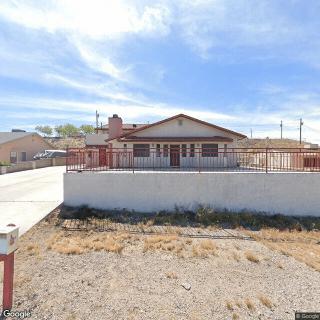
2812 Silver Creek Rd, Bullhead City, AZ 86442
To contact a resident: (928) 763-1404
For more information about senior living options: (866) 208-4318
Overall Review of Silver Ridge Village
Pros
 The physical therapists were awesome.
- They are patient and possess patience.
- The patient is grateful to Kim, Don, Martin, Paula, Matt, and the others for their help.
- The patient is confident that recovery will come soon.
Cons
 None found in the provided reviews.
Review
Silver Ridge Village in Bullhead City is best suited for seniors who emerge from surgery or injury and need a structured, goal-oriented rehabilitation track, with a clear emphasis on physical therapy. The one documented experience centers on a three-week post-acute stay focused on hip-replacement recovery, where the standout takeaway is the quality and patience of the physical therapy team. That resident explicitly credits the therapists, Kim, Don, Martin, Paula, Matt, and others, for their work, signaling a recovery-focused environment where hands-on therapeutic attention drives progress. For families weighing options, this community presents a convincing case that strong rehabilitation staffing can yield meaningful short-term gains and a reasonable path back to independence.
Those who should consider alternatives are those prioritizing long-term daily living support, broad social programming, or a robust menu of on-site medical services beyond rehabilitation. The approval rating sits at a modest three out of five based on a single review, which inherently limits confidence about the full spectrum of care offered. Without additional testimonials about dining quality, safety, housekeeping, activity options, or long-term accommodations, families must acknowledge the possibility of gaps outside the rehab arena. If the primary goal is sustained community life and comprehensive, 24/7 assistance, other options with documented long-term satisfaction may be a safer, more predictable fit.
The most compelling pro at Silver Ridge Village is the rehabilitation capability, particularly the physical therapy team’s effectiveness and approach. In this case, the therapists’ patience and professional rapport appear to translate into tangible optimism about recovery timelines. That strength can offset several potential drawbacks inherent in a facility that has only one positive data point in a broader landscape of services. Put simply, for families prioritizing post-acute recovery outcomes, the PT program may be enough to justify a stay or a short-term trial, especially when the patient’s discharge goals hinge on measurable mobility gains and confidence in returning home.
Yet the absence of broader, corroborating feedback is a meaningful constraint. Pros such as responsive PT staff do not automatically translate into strong performance in daily living support, culinary quality, social engagement, or ongoing supervision. The three-star rating, coupled with a single review, signals that other elements of the resident experience may be inconsistent or variable. Therefore, when making a decision, it is essential to probe beyond the rehabilitation narrative: request specifics about daily routines, meal service, housekeeping, safety measures, transportation options, and the availability of social activities. A direct tour or trial visit with questions focused on these areas can reveal whether the environment aligns with long-term expectations.
From a decision-making standpoint, prospective families should pursue a concrete qualification of the rehab pathway. Key questions to illuminate include: What is the typical therapy cadence (hours per day, frequency of sessions, and mix of one-on-one versus group therapy)? Who supervises the therapy team, and what are the credentialed backgrounds of the therapists? What discharge planning support is available, and how is progress communicated to families and to home-health agencies? How flexible is the schedule to accommodate a resident’s goals, and what happens if recovery plateaus or diverges from the initial plan? Clarity on these points helps determine whether the facility’s rehabilitation strengths can reliably translate into a timely, sustainable return to home or a higher level of independence.
Financial considerations also demand clarity. Families should obtain a transparent breakdown of rates, what is included in the base fee, and what costs fall under therapy or ancillary services. Understanding how Medicare or private insurance applies to post-acute rehab stays, as well as any private-pay requirements for continued assisted living or long-term care, is crucial. Ask for a written outline of admission criteria, length-of-stay expectations for rehab, and what the pricing looks like for extensions beyond the typical three-week window. Hidden fees or abrupt terminations of services can undermine a recovery plan, so the emphasis should be on a predictable, paper-backed financial pathway aligned with clinical goals.
In the final analysis, Silver Ridge Village holds meaningful appeal for families seeking a recovery-first option anchored by a capable physical therapy team. For residents whose primary objective is to regain mobility and complete a successful post-acute transition, the observed PT quality represents a tangible, decision-supporting advantage. However, for those needing a stable, well-documented long-term living experience with comprehensive daily support and a full spectrum of amenities, the evidence here is insufficient to rule in confidently. The prudent course is to treat Silver Ridge Village as a strong candidate for rehab-focused stays while simultaneously evaluating other communities that demonstrate broader success across the full range of assisted living needs. A disciplined, criteria-driven visit, and a candid comparison of rehab outcomes versus long-term care capabilities, will yield the clearest path to the right choice.
 Skilled Nursing Facility




 Recognizing the Journey: Understanding and Navigating Anticipatory Grief
 Encouraging Participation in Adult Day Care: A Guide to Supporting a Hesitant Parent
 Comprehensive Exploration of Living Wills and Other Advance Directives