

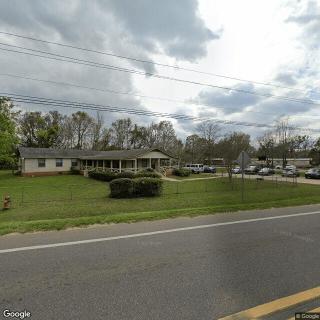
13750 Highway 90 West P.O. Box 328, Grand Bay, AL 36541
For more information about senior living options: (866) 208-4318
Overall Review of Grand Bay Convalescent Home
Pros
 The mother has received excellent care there for three years.
- The activities director and her staff are the best, always warm, friendly, and caring.
- The mother is always in good hands.
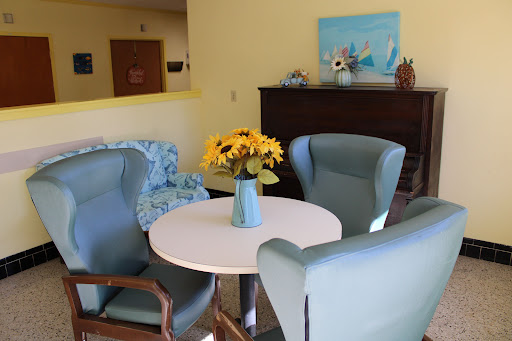
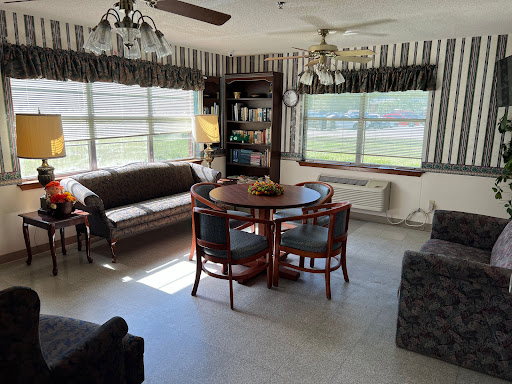
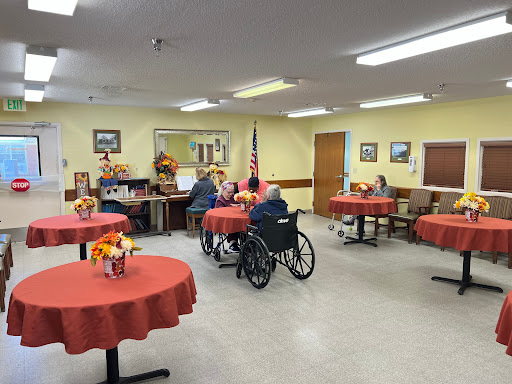
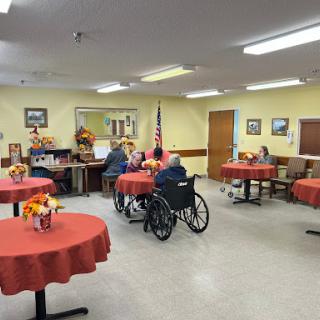
- The facility is always clean and offers engaging activities.
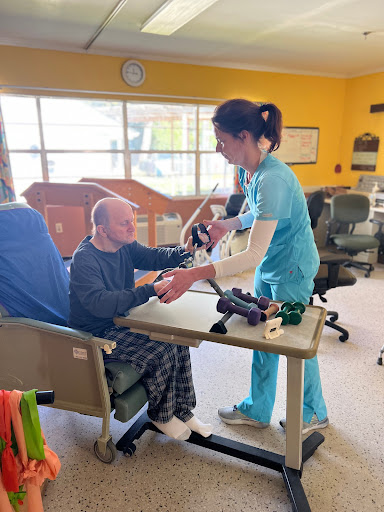
- The staff's dedication is evident and appreciated.
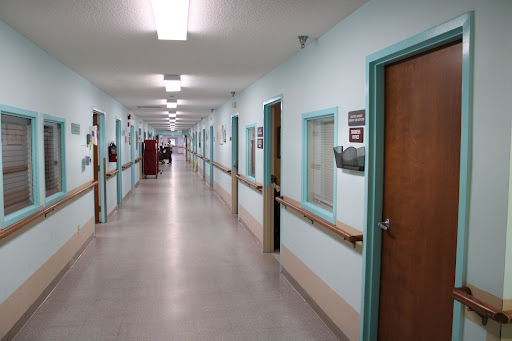
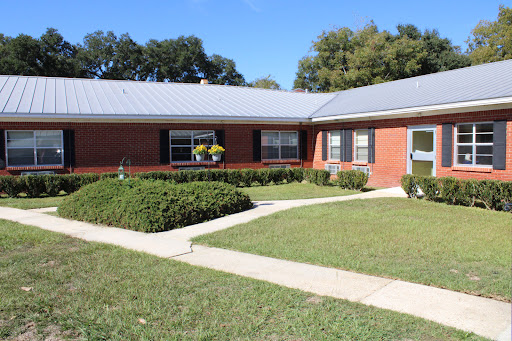
- The Grand Bay nursing home is very clean and well kept, with polite, accommodating nurses who attend to residents' needs and keep them comfortable.
- It is highly recommended for families seeking a safe and caring environment.
Cons
 The place mistreated the reviewer’s dad in many ways, including not calling about a shaving incident and leaving him unattended in a wheelchair after his shower.
- The staff were rude and unprofessional.
- The staff were unprofessional, dishonest, and communicated poorly.
- The head nurse stood at the desk and screamed, creating a hostile environment.
- The director of nursing was hard to get along with and screamed at staff for 45 minutes.
- The meals lacked real nutritional value, with items like a biscuit and canned fruit for dinner, and there was a long wait (30–45 minutes) for a nurse.
- The facility had dangerous and unsanitary conditions, including extension cords, overflowing toilets, smells of BM and mold, and roaches and spiders.
- They warned others not to send their loved ones there.
Review
This community is best suited for families that value a social, activity-rich environment and can closely monitor care, especially for seniors with dementia or those transitioning from hospital rehab. The best-fit profile is a resident who benefits from structured daytime programming, regular check-ins, and a warm, personable staff approach. Those seeking a consistently pristine operation with flawless safety records or near-constant, prompt medical attention may want to consider alternatives. The balance here favors engagement and personal attention, but it does not erase serious concerns that can color day-to-day life.
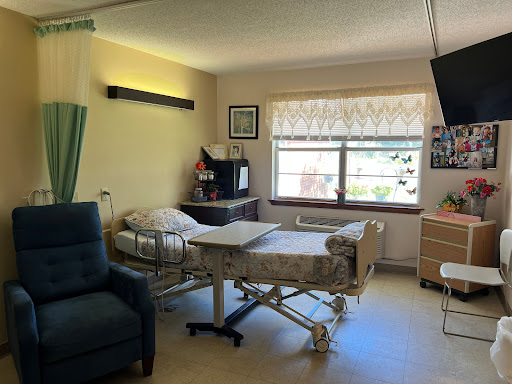
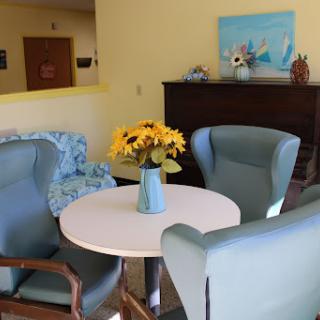
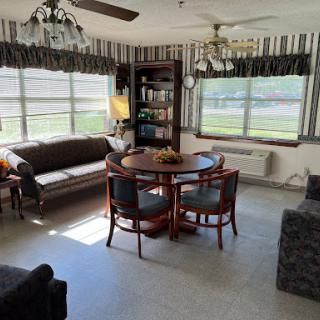
On the positive side, several families report warm, attentive caregiving from the activities director and front-line staff, with loved ones appearing well cared-for and engaged in daily routines. Cleanliness and a well-kept physical plant recur as recurring strengths in multiple accounts, and for dementia care, residents can be kept busy with activities that seem to lift mood and preserve a sense of normalcy. For families who want reassurance that their loved one is participating in purposeful activity and is surrounded by staff who appear genuinely invested in well-being, this facility delivers those elements in spades.
Yet the strongest undercurrents in the reviews are cautions about reliability and behavior within the care team. Accounts of mistreatment, poor communication, and unprofessional conduct are not isolated, painting a picture of a facility where bedside manners and responsiveness can vary dramatically by shift and staff member. In several instances, family members encountered difficult interactions with leadership, including a director of nursing described as hard to work with and a head nurse who publicly raised tensions. When trust hinges on timely, respectful communication, these patterns become decisive factors for families weighing long-term placement.
Additional red flags emerge around daily operations and safety. Critics describe subpar food quality and a reliance on low-nutrition options, alongside long waits, up to 30 to 45 minutes, for nurse assistance. Physical hazards are repeatedly noted: extension cords in common areas, overflowing toilets, and unpleasant odors, with reports of pests in some rooms. These issues not only degrade the resident experience but also raise questions about routine maintenance, infection control, and overall environmental safety. A facility that cannot consistently deliver clean, safe surroundings undermines any potential gains from strong social programming.
The key question becomes whether the positives can compensate for the negatives, and that calculus will vary by family. For those able to visit regularly and advocate actively, the perceived warmth of staff and the abundant activities can produce meaningful quality-of-life improvements for a resident who thrives on routine and social engagement. However, the weight of alleged mistreatment, inconsistent communication, and environmental concerns cannot be dismissed, especially for families with residents who require delicate or highly monitored care. In the end, the decision hinges on risk tolerance and oversight capacity: willing to oversee care meticulously, or seeking a setting with more predictable operations and higher standards across the board.
In conclusion, Grand Bay Convalescent Home presents a split decision. It can be an excellent fit for families prioritizing companionship, engagement, and visible staff warmth, particularly for dementia care or rehab-staged residents, provided that families commit to vigilant oversight. For others, especially those who cannot frequently visit, require consistently reliable responsiveness, or need guaranteed cleanliness and nutrition, the risks outweigh the benefits. If choosing this community, insist on immediate, specific feedback channels, a clear care plan, and assurances about staffing consistency, menu quality, and environmental safety to mitigate the notable downsides.
 92 resident community capacity
 Skilled Nursing Facility
 Air-conditioning
 Beauty salon
 Cable or satellite TV
 Computer center
 Dining room
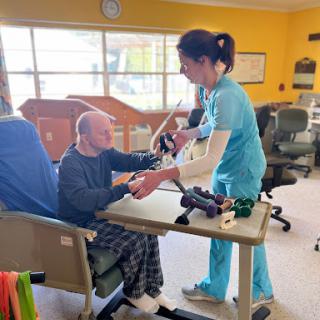
 Fitness room
 Fully furnished
 Gaming room
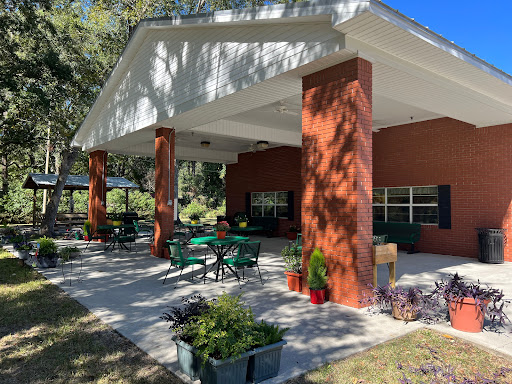
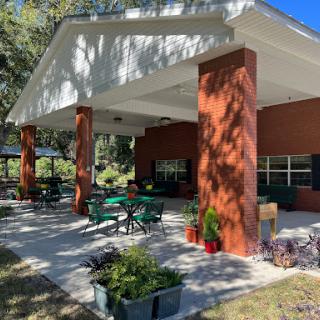
 Garden
 Housekeeping services
 Kitchenette
 Move-in coordination
 Outdoor space
 Private bathrooms
 Restaurant-style dining
 Small library
 Telephone
 Wellness center
 Wi-Fi/high-speed internet available
 Mobile Regional (17 miles away)
 Community operated transportation
 12-16 hour nursing
 24-hour call system
 Activities of daily living assistance
 Assistance with bathing
 Assistance with dressing
 Assistance with transfers
 Diabetes diet
 Medication management
 Mental wellness program
 Special dietary restrictions
 Concierge services
 Planned day trips





 Home Health Care Demystified: A Comprehensive Guide for Families and Caregivers
 Seniors and Modern Transportation: Exploring Uber, Lyft, and Other Ride-Hailing Options
 Comprehensive Guide to Qualifying for Home Health Care Services