
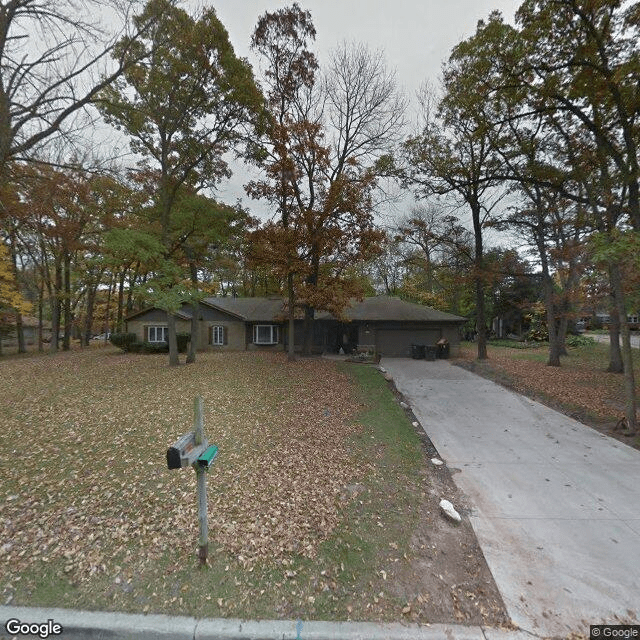
2630 N. 118th St., Wauwatosa, WI 53226
To contact a resident: (414) 774-1740
For more information about senior living options: (866) 208-4318
Home Share Oak Ridge House Costs & Pricing
Home Share Oak Ridge House offers competitive pricing for its various room types, all set at $3,200 per month. This rate stands out favorably when compared to the costs in Milwaukee County and across Wisconsin. For instance, private rooms in Milwaukee County average $4,513, while studios are priced at approximately $3,841. Even semi-private accommodations at Home Share Oak Ridge House match this price point but significantly undercut Milwaukee's average of $4,341. Overall, these figures highlight Home Share Oak Ridge House as a cost-effective option for those seeking quality living arrangements without the premium price tag typically seen in the broader market.
| Floor plans | Home Share Oak Ridge House | Milwaukee County | Wisconsin |
|---|---|---|---|
| Private | $3,200 | $4,513 | $4,339 |
| Semi-Private | $3,200 | $4,341 | $3,977 |
| Studio | $3,200 | $3,841 | $3,999 |
Memory care communities with a similar price nearby
-
from +$300 / mo
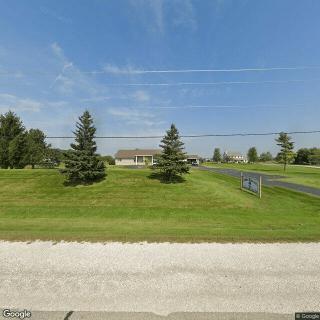
Dolphin Manor
$3,500 / month22.4 miles away -
from -$100 / mo
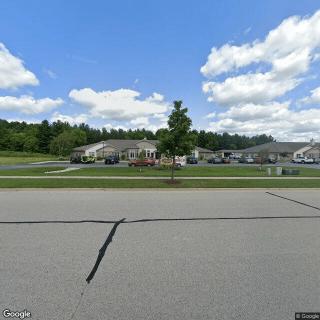
Serenity Villa
$3,100 to $5,500 / month20.5 miles away -
About the same
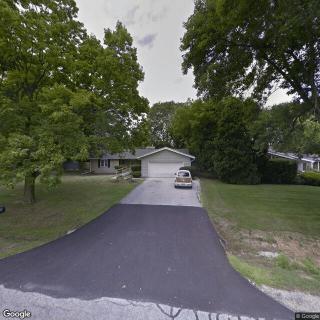
Home Share North Shore House
$3,150 / month9.4 miles away -
from -$110 / mo
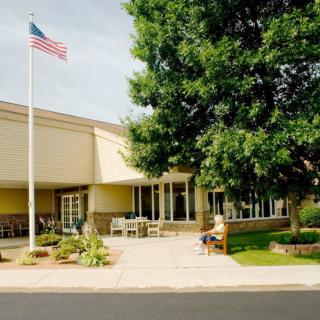
Wellington Place at Hartford
$3,090 to $4,020 / month23.0 miles away -
from -$355 / mo
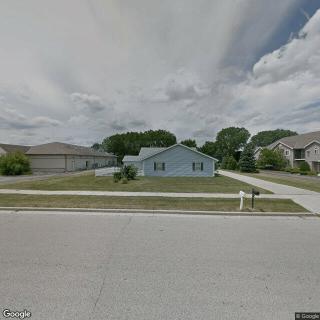
Deerview Meadows - Hartford I
$2,845 to $3,195 / month22.9 miles away
Overall Review of Home Share Oak Ridge House
Pros
 The staff are friendly.
- The owner was very nice and greeted guests at the door.
- The house is very clean, which is a nice surprise.
- The rooms seem very spacious.
- Overall, the facility looks well-kept.
- They love the idea of a single room.
Cons
 The staff did not acknowledge the guest's presence.
- The accommodations were smaller than what they were looking for.
- The reviewer wondered if the lack of acknowledgment was due to the staff being busy.
Review
Home Share Oak Ridge House in Wauwatosa is best suited for seniors who want a compact, home-like setting with a private room option and a clearly personal touch from the owner. The house-style environment and a stated emphasis on cleanliness create a reassuring baseline for independence without the feel of a large campus. Rooms are described as spacious, and the overall presentation is neat and well maintained. A welcoming owner who greets visitors adds a warmth that matters when transitioning to a new living arrangement. For someone who prizes privacy, a straightforward routine, and a non-institutional vibe, this property provides a compelling, low-stress option that feels more like staying in a well-kept home than moving into a traditional assisted living facility.
At the same time, several realities call for careful consideration and potential alternatives. Those requiring more robust daily support, structured programming, or a larger, more active community should look elsewhere. The smaller footprint is a double-edged sword: it can deliver intimacy and ease of navigation, but it may limit the breadth of on-site activities and the frequency of proactive staff engagement. A reviewer’s sense that staff did not acknowledge at the door can raise concerns about attentiveness and safety for residents who rely on regular check-ins. For families prioritizing a Southside location, broader service options, or a campus with multiple care levels, this house may fall short of expectations and needs.
The strongest positives, friendly staff, a clean, well-kept home, and spacious private rooms, do offset some of the core drawbacks, but not all. The personal touch from the owner and the straightforward, residential feel help residents maintain independence with dignity. The smaller scale can foster easier communication with caregivers and a sense of familiar territory for visitors. However, the absence of consistent, proactive attention from staff is not a trivial issue for anyone balancing safety and daily routines. In practice, the warmth and cleanliness can compensate for slower or less visible staff engagement only if the resident’s needs remain relatively light and predictable, without relying on constant staff oversight.
From a lifestyle standpoint, the environment is well-suited to those who value serenity and predictability. The single-room option stands out as a genuine benefit, allowing a resident to establish a personal sanctuary within a home-like setting. Family visits become simpler in a smaller house, and the chance to know staff on a first-name basis can feel reassuring. The flip side is a potential deficit in social programming and organized activities that larger facilities routinely provide. Residents who thrive on scheduled events, group outings, and varied programming may find the day-to-day rhythm here more quiet than engaging. Prospective residents should clarify what daily routines look like and how activities are actually structured week to week.
Location and practical logistics add another layer of decision-making. The home serves the broader Wauwatosa area with a residential, less campus-like atmosphere, which appeals to families seeking a calmer, more controllable setting. The cited appeal of a Southside option suggests that proximity to broader services, shops, and social opportunities matters to some residents; if proximity to those resources is a priority, this house may feel distant from what is needed. The ability to secure a private room is a tangible advantage, but it must be weighed against the potential limits on staff presence, responsiveness, and the richness of day-to-day life. Ensuring clear expectations around meals, safety checks, medication management, and emergency procedures becomes essential in this setting.
In the end, Home Share Oak Ridge House is a solid choice for a self-directed senior who desires a clean, quiet, home-like environment with a private room and a personal touch from a nearby owner. It delivers on privacy, cleanliness, and a personable welcome, making it attractive for those who want to avoid a larger, busier community. For families that prioritize stronger on-site programming, more visible staff engagement, or access to a wider network of services, exploring other options, especially larger assisted living facilities, will likely yield a better fit. Before deciding, demand a concrete outline of daily routines, staffing coverage, and emergency response procedures, and probe whether the level of interaction and support matches the resident’s needs over time. This concrete due diligence will separate a comfortable, low-stress match from a setting that could quickly feel insufficient.
 Board and Care Home
 Memory Care
 Private
 General Mitchell International (12 miles away)
 Ambulatory care

 Comprehending Evening Confusion in Dementia: Causes, Manifestations, and Support
 Delirium and Dementia: Unraveling the Key Differences
 Are Dementia and Alzheimer's Disease Lethal? A Comprehensive Exploration