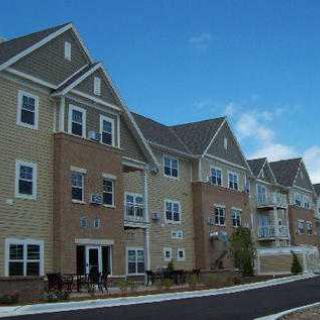
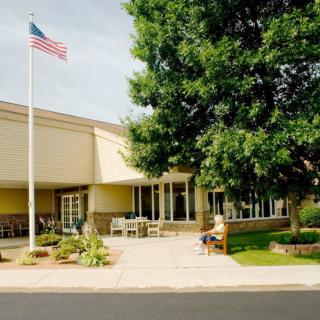
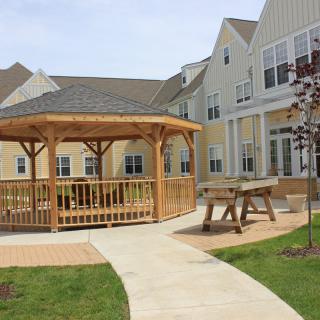
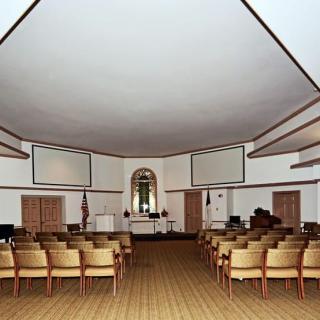
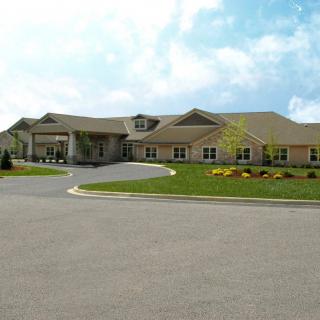
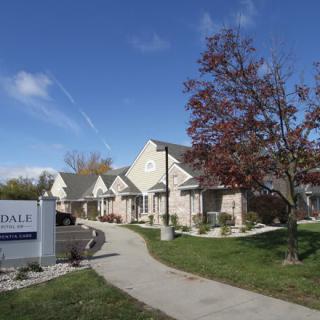
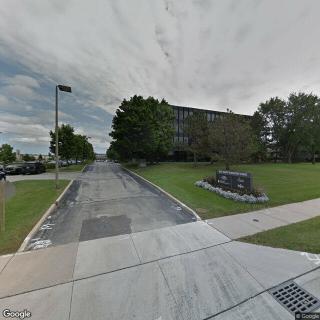
Congregational Home Inc. in Brookfield, WI

Save

Congregational Home Inc. in Brookfield, WI

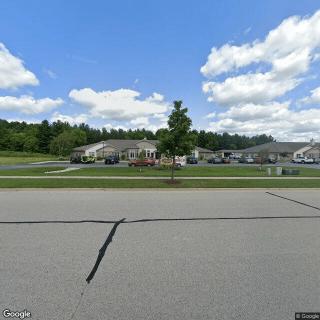
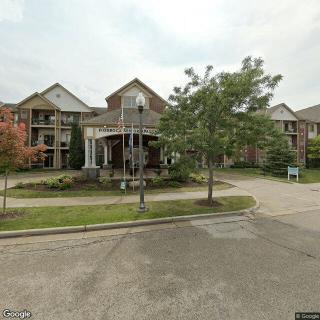
13900 W Burleigh Rd, Brookfield, WI 53005

For more information about senior living options: (844) 490-3973

3.2 from 31 reviews
5 stars
15
4 stars
2
3 stars
1
2 stars
1
1 stars
12

Assisted Living Independent Living

Congregational Home Inc. Costs & Pricing

Congregational Home Inc. presents a competitive pricing structure for its accommodations when compared to Waukesha County and the broader state of Wisconsin. For one-bedroom units, the monthly cost at Congregational Home Inc. is $2,610, which is notably lower than the county average of $2,752 and significantly less than the state average of $3,412. In terms of two-bedroom options, while Congregational Home's rate stands at $4,010, it remains above the county's average of $2,524 but exceeds the state average of $3,111. Overall, these figures reflect Congregational Home Inc.'s commitment to providing affordable living solutions within a competitive market landscape while emphasizing quality in care for its residents.

Floor plansCongregational Home Inc.Waukesha CountyWisconsin
1 Bedroom$2,610$2,752$3,412
2 Bedrooms$4,010$2,524$3,111

Overall Review of Congregational Home Inc.

Pros

  • pro The staff are very nice.
  • pro The therapy offered there is outstanding.
  • pro They push patients gently to meet goals and gain confidence during recovery.
  • pro It is considered among the best in rehab.
  • pro They treat patients like family.
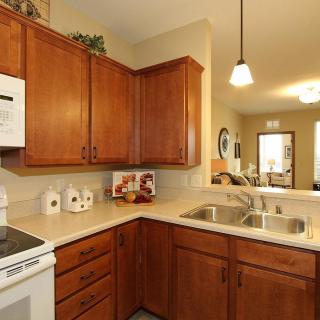
  • pro The rooms are spacious and private.
  • pro The food is delicious.
  • pro The facility is excellent, with caring and professional staff.

Cons

  • pro They note six weeks of delays in pain medication on the rehab floor, preventing participation in therapy.
  • pro They describe the Skilled Nursing floor as a nightmare and warn not to place loved ones there.
  • pro They say the food is inedible for seniors - hard, dried, not fresh, and worsened after a change to a reheated service.
  • pro They report a grandmother was regularly not given medications as prescribed, with excuses and no corrective action.
  • pro They describe the facility as the worst group home with terrible staff and rude people.
  • pro They claim the facility is chronically short-staffed, with some staff lazily slow to assist and discriminatory treatment of people of color.
  • pro They allege the CEO cares only about appearances and funding, not the people served.
  • pro They recount multiple falls and injuries with no ownership or apology for poor care.
  • pro They observe a stark contrast between floors (1st floor poor, 2nd floor caring) and warn the overall experience is not consistent.
  • pro They warn that certain units (e.g., SNU/Hospice) may not provide needed care like IVs or antibiotics.
  • pro They state they would give zero stars and would not recommend the facility.

Review

Congregational Home Inc. in Brookfield is best suited for families pursuing short- to mid-term rehabilitation where the primary aim is to regain independence through vigorous therapy, and where a warm, community-oriented atmosphere matters as much as room size. The rehab unit earns consistent praise for strong physical therapy and goal-driven progress, with private rooms that accommodate family visits and a reputation for helpful, personable staff. Clean, well-maintained spaces and dependable meal service with choices further reinforce a sense of comfort for loved ones focused on recovery. For families prioritizing tangible rehab results in a supportive, home-like environment, this community offers a compelling blend of progress and comfort.

Alternatives become worth weighing for residents who require steady, uniform nursing oversight around the clock, not just during therapy hours. Reviews flag variability between floors - second floor often cited as solid, first floor more mixed - raising questions about consistency in daily care. Medication management and pain control surface repeatedly as fragile touchpoints, with several families reporting delays or changes that hinder participation in therapy. A handful of accounts describe neglect or accountability gaps, and turnover concerns among staff can amplify uncertainty. Additionally, the SNF/Hospice side may limit access to certain higher-acuity interventions, a factor that matters for residents with complex medical needs and families seeking broad medical capability under one roof.

On balance, the strongest appeal rests with the rehab engine: therapy teams described as knowledgeable, encouraging, and capable of building real confidence in residents recovering from surgeries or strokes. The care culture in the rehab environment is frequently praised for attentiveness and personal attention, and many families highlight the value of staff who know residents by name and coordinate care across disciplines. Food quality is consistently solid, with options and ongoing effort to satisfy varying preferences. When rehab progress and a welcoming setting are the top priorities, Congregational Home delivers clearly measurable benefits.

But the record cannot be ignored. Medication delays, abrupt shifts in pain management, and perceived care gaps on certain shifts or floors present real risks that demand careful scrutiny. Some families report episodes of neglected hygiene, incomplete adherence to care plans, and management that appears slow to address concerns. Allegations - whether isolated or deeply systemic in perception - about discriminatory behavior or staff dynamics cannot be dismissed lightly, and they color the overall trust families place in the facility. The admission reality that certain high-acuity interventions may be unavailable on the SNF or Hospice side further compounds planning for residents with complex medical trajectories.

These tensions are not a universal disqualifier, because the rehab outcomes and the overall warmth of the environment address core, practical needs for many families. The essential task is prescriptive scrutiny: insist on floor-specific care plans, demand regular updates from therapy and nursing leadership, and verify medication protocols before admission. If rehab progress is the priority, secure staffing stability, transparent communication about turnover, and a definitive process for elevating concerns. If long-term, uniform nursing care with continuous medical oversight is necessary, or if swallowing and pain-management needs require close, always-on attention, it may be prudent to compare nearby options with stronger all-day nursing coverage and broader medical services.

Bottom line: Congregational Home offers standout rehabilitation value and a welcoming, home-like setting that can substantially accelerate recovery when the resident's needs align with the rehab-focused model. The more serious caveats - medication delays, floor-to-floor variability, and limits on certain medical interventions - mean families should enter with explicit questions, targeted floor tours, and a clearly written care plan. For those prioritizing rehab progress and social engagement, this community can be a strong ally; for those needing consistently reliable long-term nursing care or intensive medical services, it is wise to actively compare alternatives. Schedule visits, probe staffing stability, and observe how concerns are addressed before deciding.

Features

Types of Care

  • Assisted Living Assisted LivingAssisted living facilities provide crucial support and care for seniors who may need help with daily tasks such as medication management, bathing, and meal preparation. These communities offer a safe and comfortable environment where seniors can maintain their independence while receiving the assistance they need to thrive in their golden years.
  • Independent Living Independent LivingIndependent living communities are important for seniors because they offer a safe and supportive environment where older adults can live independently while still having access to amenities and services that enhance their quality of life. These communities provide social opportunities, recreational activities, and assistance with daily tasks, promoting overall well-being and allowing seniors to maintain their independence for as long as possible.

Pets

  • Cats allowed Cats allowed"Pet friendly" senior living communities are important for seniors because pets provide companionship, reduce feelings of loneliness and depression, promote physical activity and mental stimulation, and offer a sense of purpose and responsibility. Pets can improve overall well-being and quality of life for seniors in many ways.
  • Dogs allowed Dogs allowed"Pet friendly" senior living communities are important for seniors because pets provide companionship, reduce feelings of loneliness and depression, promote physical activity and mental stimulation, and offer a sense of purpose and responsibility. Pets can improve overall well-being and quality of life for seniors in many ways.

Amenities

  • Activities off-site Activities off-siteEngaging in off-site activities is crucial for seniors to maintain social connections, stay active, and stimulate their minds. It promotes overall well-being and helps combat feelings of isolation and loneliness.
  • Activities on-site Activities on-siteActivities on-site are important for seniors because they provide opportunities for socialization, mental stimulation, physical activity, and overall well-being. Engaging in activities can help seniors stay active, maintain their independence, and improve their quality of life.
  • Air-conditioning Air-conditioningAir conditioning is important for seniors as they are more vulnerable to heat-related illnesses and may have underlying health conditions that make it difficult for them to regulate their body temperature. It helps to keep them comfortable, safe, and healthy in hot weather.
  • Bath tubs Bath tubsBath tubs are important for seniors because they provide a safe and relaxing way to bathe, helping to prevent slips and falls while promoting independence and overall well-being.
  • Beautician on-site Beautician on-siteHaving a beautician on-site at a senior living community is important for seniors as it allows them to easily access grooming and personal care services, boosting their self-esteem and overall well-being. It also provides convenience and helps seniors maintain their sense of independence and personal style.
  • Devotional services on-site Devotional services on-siteDevotional services on-site provide seniors with spiritual support and a sense of community, as well as an opportunity for reflection and guidance during their senior living experience. This can promote emotional well-being and connection to others, leading to a more fulfilling and enriching lifestyle in their later years.
  • Full kitchen Full kitchenHaving a full kitchen in a senior living facility is important for seniors because it allows them to maintain their independence and prepare their own meals. This promotes healthy eating habits, saves money on dining out, and provides a sense of familiarity and comfort for residents.
  • Ground floor units Ground floor unitsGround floor units are important for seniors because they provide easy accessibility, reduced risk of falls and injuries, and convenience for those with mobility issues. Seniors can avoid climbing stairs or using elevators, making daily tasks and activities more manageable and enjoyable.
  • Handicap accessible Handicap accessible"Handicap accessible" amenities are crucial for seniors to ensure they can easily navigate and access facilities, services, and activities without barriers or limitations due to physical impairments. This promotes independence, safety, and inclusivity for seniors in senior living communities.
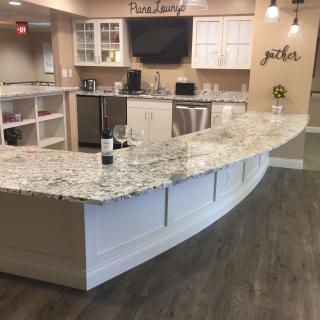
  • Indoor common areas Indoor common areasIndoor common areas are crucial for seniors as they provide a space for socialization, recreation, and community engagement, promoting overall well-being and reducing feelings of isolation and loneliness.
  • Kitchenette KitchenetteKitchenettes are important for seniors living in senior living communities because they provide the convenience and independence of being able to prepare simple meals and snacks in the comfort of their own living space. This can help promote a sense of autonomy and well-being for seniors, allowing them to maintain some level of control over their dietary choices and daily routines.
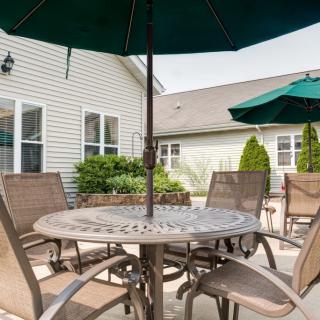
  • Outdoor common areas Outdoor common areasOutdoor common areas are important for seniors as they provide a space for socialization, physical activity, and relaxation. Being outside in nature can improve mood and overall well-being, while also encouraging movement and engagement with others. These spaces can help combat feelings of isolation and promote a sense of community among residents.
  • Wheelchair accessible showers Wheelchair accessible showersWheelchair accessible showers are crucial for seniors as they provide a safe and independent bathing option for those with mobility challenges. These showers help prevent falls and allow seniors to maintain their dignity and autonomy while ensuring they can bathe comfortably.
  • Wi-Fi/high-speed internet available Wi-Fi/high-speed internet availableWi-Fi/high-speed internet is important for seniors to stay connected with loved ones, access online resources, and participate in virtual activities to combat feelings of loneliness and isolation. It also allows them to easily manage healthcare needs, access entertainment, and engage in lifelong learning opportunities.

Transportation

  • General Mitchell International (13 miles away) General Mitchell International (13 miles away)

Care Services

  • Ambulatory care Ambulatory care"Ambulatory care services provide essential medical support and treatment to seniors without requiring hospitalization, allowing them to maintain their independence and quality of life while managing chronic conditions or receiving routine medical care."
  • Diabetic care Diabetic careDiabetic care is crucial for seniors as they are more susceptible to developing diabetes due to aging and other health conditions. Proper management of diabetes can help prevent complications such as heart disease, vision loss, and nerve damage, improving the overall quality of life for seniors in senior living communities.
  • Incontinence care Incontinence careIncontinence care is essential for seniors to maintain their dignity, hygiene, and overall quality of life. By addressing incontinence issues promptly and effectively, seniors can enjoy a sense of independence and comfort in their daily activities.
  • Medication management Medication managementMedication management is crucial for seniors to ensure they are taking the right medications at the correct dosages and times. This helps prevent adverse drug interactions, reduces the risk of medication errors, and promotes overall health and well-being. Proactive management also allows for adjustments as needed based on changing health conditions or new prescriptions.

Dining

  • Gluten-free Gluten-freeGluten-free options are important for seniors as they are more prone to digestive issues and dietary sensitivities. Offering gluten-free meal choices in senior living communities can help improve their overall health and well-being.
  • Guest meals Guest mealsGuest meals are important for seniors living in senior living communities because they provide an opportunity for socialization and companionship. Sharing a meal with friends, family, or new acquaintances can help combat feelings of loneliness and isolation, promote a sense of community, and enhance overall well-being. Additionally, guest meals allow seniors to enjoy delicious food in a comfortable setting without the hassle of cooking or cleaning up, making dining a pleasurable and stress-free experience.
  • International cuisine International cuisineInternational cuisine is important for seniors because it offers a variety of flavors, ingredients, and cultural experiences that can help keep their meals interesting and enjoyable. Trying new dishes can also stimulate the senses and provide different nutrients that contribute to overall health and well-being. Additionally, exploring international cuisine can bring back fond memories of travels or childhood experiences, making mealtime more nostalgic and fulfilling for seniors.
  • Low / no sodium Low / no sodiumLow/no sodium options are important for seniors because excessive sodium intake can lead to high blood pressure, heart disease, and other health issues commonly experienced by older adults. By choosing low/no sodium foods, seniors can better manage their health and reduce their risk of developing these conditions.
  • Meals provided Meals provided"Meals provided" are crucial for seniors in assisted living communities as it ensures they have access to nutritious, balanced meals without the stress of meal planning and preparation. This can help promote overall health and well-being for seniors who may have limited mobility or cognitive abilities.
  • No Sugar No SugarNo sugar diets are important for seniors because they can help prevent or manage chronic conditions such as diabetes, heart disease, and obesity. Sugar can also contribute to cognitive decline and inflammation in the body, so reducing sugar intake can lead to overall improved health and well-being in older adults.
  • Restaurant style dining Restaurant style diningRestaurant style dining is important for seniors as it offers them a social and enjoyable dining experience, promotes healthy eating habits, and provides personalized menu options to cater to their dietary needs and preferences. This type of dining setting can enhance their overall quality of life and create a sense of community within the senior living facility.
  • Room service Room serviceRoom service is important for seniors in a senior living community because it provides convenience and allows them to have their meals delivered directly to their room. This can be especially beneficial for seniors who may have mobility issues or difficulty accessing the dining area. Room service ensures that seniors are able to receive nutritious meals without having to navigate through the facility, allowing them to maintain their independence and overall well-being.
  • Special dining programs Special dining programsSpecial dining programs are important for seniors because they provide nutritious meals tailored to their dietary needs and preferences. These programs also offer socialization opportunities, promote overall health and well-being, and can help prevent malnutrition.
  • Vegetarian VegetarianA vegetarian diet is important for seniors because it can help lower the risk of chronic diseases, maintain a healthy weight, and provide essential nutrients needed for aging bodies. Additionally, plant-based diets are often easier on digestive systems and can contribute to overall well-being in older adults.

Activities

  • Art classes Art classesArt classes are important for seniors because they provide a creative outlet, improve cognitive function, reduce stress and anxiety, promote socialization, and enhance overall well-being and quality of life.
  • Catholic services Catholic servicesCatholic services are important for seniors because they provide spiritual support, a sense of community, and opportunities for social interaction that can enhance overall well-being and quality of life in their later years.
  • Cooking classes Cooking classesCooking classes are important for seniors as they provide opportunities for social interaction, enhance cognitive skills, promote healthy eating habits, and boost confidence in the kitchen.
  • Day trips and outings Day trips and outingsDay trips and outings are important for seniors as they provide opportunities for socialization, mental stimulation, physical activity, and a break from daily routines. These experiences can enhance overall well-being and quality of life for older adults living in senior communities.
  • Devotional activities on-site Devotional activities on-siteDevotional activities on-site provide seniors with a sense of community, spiritual fulfillment, and emotional support, promoting overall well-being and a positive sense of purpose in their lives.
  • Educational speakers / life long learning Educational speakers / life long learningEducational speakers and lifelong learning opportunities are crucial for seniors as they provide mental stimulation, promote social engagement, and contribute to overall well-being. Continuous learning helps seniors stay mentally sharp, build new skills, and maintain a sense of purpose and fulfillment in their lives. It also allows them to stay connected to the world around them and fosters a sense of community within senior living facilities.
  • Happy hour Happy hourHappy hour is important for seniors as it provides a social activity that promotes camaraderie and reduces feelings of loneliness or isolation. It also offers an opportunity for older adults to relax, unwind, and enjoy some drinks or snacks in a fun and welcoming atmosphere.
  • Live dance or theater performances Live dance or theater performancesLive dance or theater performances are important for seniors because they provide opportunities for socialization, mental stimulation, and emotional engagement. These performances can help combat feelings of isolation and loneliness, while also offering a sense of connection to the arts and culture. Additionally, watching live performances can bring joy and create lasting memories for seniors in their later years.
  • Live musical performances Live musical performancesLive musical performances can provide seniors with a sense of joy, nostalgia, and connection. Music has the power to evoke emotions and memories, improve mood and cognitive function, and foster social interaction among seniors. It can also serve as a form of therapy and stress relief for older adults, making it an important activity to include in senior living communities.
  • Protestant services Protestant servicesProtestant services are important for seniors because they provide spiritual nourishment, community support, and a sense of belonging. These services can help seniors connect with others who share their faith, find comfort and guidance in times of need, and maintain a sense of purpose and fulfillment in their later years.
  • Visiting chaplain or priest Visiting chaplain or priestHaving a visiting chaplain or priest at a senior living community is important for seniors because it provides spiritual support, comfort, and guidance during a time of life that can be challenging and uncertain. Their presence can help seniors feel connected to their faith, find peace of mind, and cope with the emotional and mental struggles they may face in their later years.
  • Wine tasting Wine tastingWine tasting can be a fun and social activity for seniors, allowing them to engage their senses, learn about different varieties of wine, and potentially meet new friends. It also offers health benefits such as improved cognitive function and reduced risk of heart disease when consumed in moderation.

Description

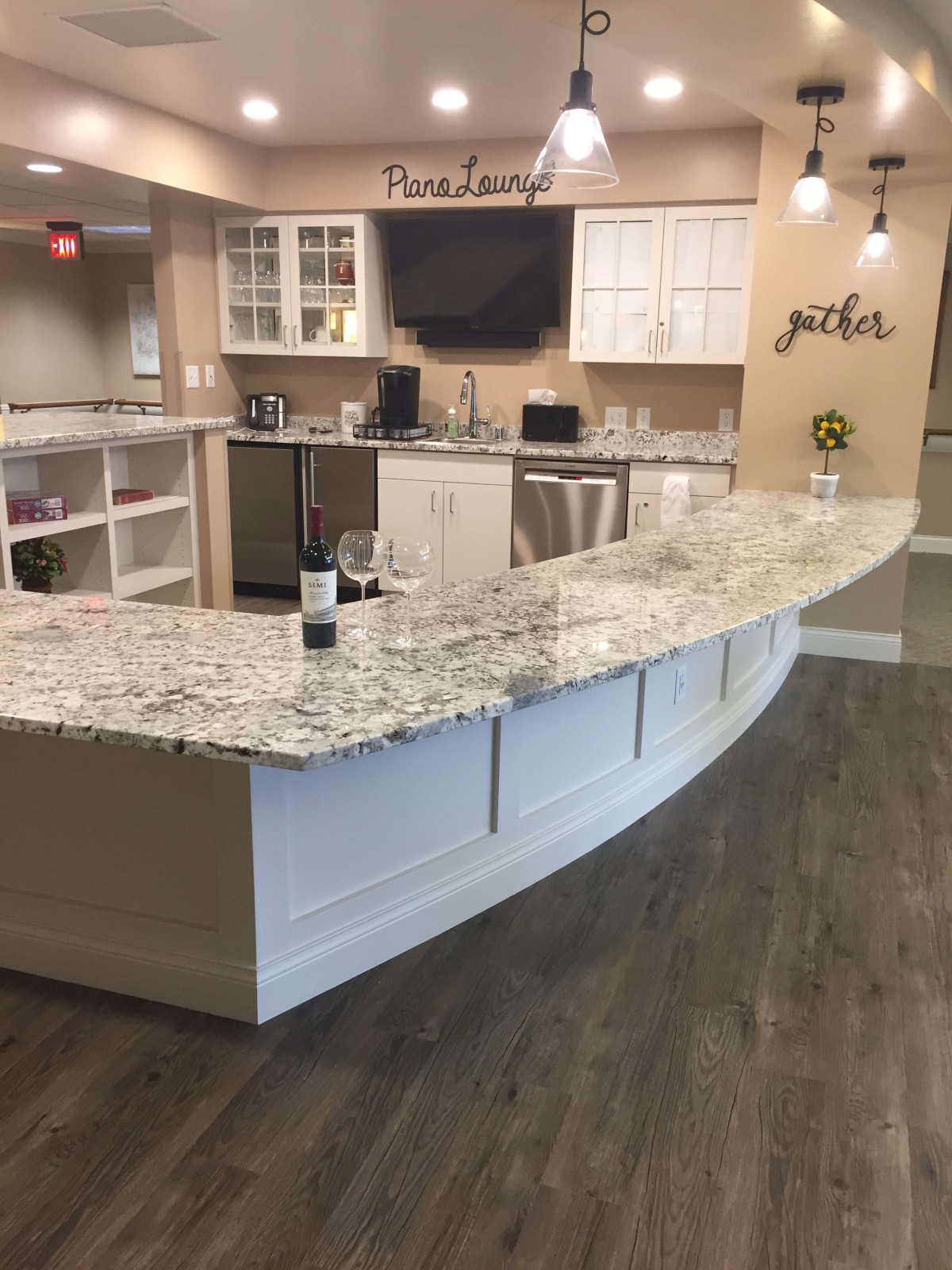
Congregational Home Inc. in Brookfield, WI is an inviting and vibrant assisted living community that offers a range of care services and amenities to ensure residents live a happy and fulfilling life.

Our community provides independent living accommodations with various features to promote comfort and convenience. Residents can enjoy the activities offered on-site, including cooking classes, educational speakers, live dance or theater performances, and wine tasting events. Additionally, our devotional services cater to both Catholic and Protestant residents, with visiting chaplains available for spiritual guidance.

We prioritize our residents' well-being by offering a variety of care services. Our staff is trained in diabetic care, incontinence care, and medication management to provide necessary support to individuals who require specialized attention. The community also includes accessible features such as air-conditioning, ground floor units, wheelchair-accessible showers, and indoor and outdoor common areas for ease of movement.

Residents can relish delicious meals prepared by our skilled chefs. Our dining options include international cuisine, low/no sodium dishes, vegetarian choices, and special dining programs tailored to specific dietary requirements. Guests are welcome to join residents for meals if desired.

The surrounding area adds further convenience to our community's location. With numerous cafes, parks, pharmacies, physicians' offices, restaurants, places of worship, theaters, and hospitals nearby - residents have easy access to essential services and entertainment options.

At Congregational Home Inc., we pride ourselves on creating a warm and welcoming environment where independence is fostered alongside personalized care. We strive to enhance the quality of life for all residents while promoting an active and engaging lifestyle through our comprehensive amenities and activities program.

Nearby Places of Interest

Located in a bustling part of Brookfield, Wisconsin, this neighborhood offers a variety of amenities within close proximity. With several restaurants including Sluggo's Sports Pub & Grill and Culver's nearby, you'll have plenty of dining options to choose from. There are also numerous healthcare facilities such as Wheaton Franciscan Medical Group and Aurora Advanced Healthcare for your medical needs. Additionally, there are several pharmacies like Walgreens and Aurora Pharmacy within a short distance for convenient access to medications. If you enjoy outdoor activities, you'll appreciate the nearby parks such as Elm Grove Village Park and Fox Brook Park. Places of worship, cafes like Starbucks, hospitals including Froedtert Pavilion and Rogers Memorial Hospital, as well as Silverspot Cinema at The Corners of Brookfield are all easily accessible, making this neighborhood a desirable location for those considering senior living options in the area.

Restaurants

  • Sluggo's Sports Pub & Grill (0.7 miles)
  • Culver's (1.1 miles)
  • Chick-Fil-A (1.2 miles)
  • McDonald's (1.2 miles)
  • McDonald's (1.8 miles)
  • Maxim's Restaurant (2.8 miles)
  • McDonald's (3.1 miles)

Physicians

  • Wheaton Franciscan Medical Group (1 miles)
  • Aurora Advanced Healthcare (1.8 miles)
  • Drs. Roy and Associates (2.4 miles)
  • Aurora Health Center (2.9 miles)
  • Wheaton Franciscan Medical Group (3.7 miles)
  • Froedtert Hospital (3.9 miles)
  • Froedtert Clinical Cancer Center (4 miles)

Pharmacies

  • Walgreens (1.5 miles)
  • Walgreens (2.1 miles)
  • Walgreens (2.2 miles)
  • Walgreens (2.5 miles)
  • Aurora Pharmacy (2.8 miles)
  • Walgreens (2.9 miles)
  • Walgreens (3.1 miles)

Parks

  • Elm Grove Village Park (1.9 miles)
  • Dousman Stage Coach Inn Museum (2.5 miles)
  • Wil-O-Way Underwood Park (2.7 miles)
  • Imperial Estate Park (3.1 miles)
  • Hoyt Park (3.4 miles)
  • Fox Brook Park (4.3 miles)
  • Greenfield Park (4.8 miles)

Places of Worship

  • Northwest Baptist Church (3.2 miles)
  • Honey Creek Church (4.5 miles)
  • Redemption Lutheran Church (5.4 miles)

Cafes

  • Starbucks (3.4 miles)
  • Starbucks (4.3 miles)
  • Starbucks (4.5 miles)
  • Starbucks (4.7 miles)
  • Starbucks (6.5 miles)

Hospitals

  • Froedtert Pavilion (4 miles)
  • Aurora Psychiatric Hospital (4.3 miles)
  • Rogers Memorial Hospital (5.4 miles)
  • Ambulatory EEG Recordings (5.4 miles)
  • Wheaton Franciscan - St. Joseph Campus (5.5 miles)
  • Surgicenter - Children's Wisconsin (6.6 miles)

Theaters

  • Silverspot Cinema - The Corners of Brookfield (4.9 miles)

Frequently Asked Questions

How much does it cost to live at Congregational Home Inc. in Brookfield, WI?
Where is Congregational Home Inc.?
Does Congregational Home Inc. allow residents to have pets?
What photos are available for Congregational Home Inc. in Brookfield, Wisconsin?

Nearby Communities

  • Congregational Home

    Congregational Home

    Brookfield, WI

    4.1 from 61 reviews
     

    pro Spacious private rooms with private bathrooms, caring staff, and well-kept gardens.


  • Marshall Home

    Marshall Home

    Brookfield, WI

    4.2 from 100 reviews
     

    pro 24/7 supervision with ADL support, diabetes-friendly meals, and medical transportation.

  • Circle Of Friends Adult Day Services

    Circle Of Friends Adult Day Services

    Brookfield, WI

    4.3 from 4 reviews
     

    pro 24-hour supervision with medication management, a mental wellness program, and transportation to medical appointments.

  • Robins Landing at Brookfield

    Robins Landing at Brookfield

    Brookfield, WI

    3.4 from 32 reviews
    $4,500 / month

    pro Organized staff and a pleasant facility with on-site activities.

  • Brookdale Brookfield Capitol Dr

    Brookdale Brookfield Capitol Dr

    Brookfield, WI

    4.4 from 48 reviews
    $8,405 / month

  • Para Professional LLC

    Para Professional LLC

    Brookfield, WI

    5 from 2 reviews
     

    pro Responsive, affordable care with consistent caregiver availability.

  • Heritage Court I

    Heritage Court I

    Menomonee Falls, WI

    3.7 from 10 reviews
     

    pro Fully furnished apartments with 24/7 memory-care support and engaging activities.

  • Dickson Hollow

    Dickson Hollow

    Menomonee Falls, WI

    4.5 from 55 reviews
     

    pro Beautiful, airy setting with inclusive amenities and knowledgeable staff.

  • Foxbrook Senior Apartments

    Foxbrook Senior Apartments

    Brookfield, WI

    2.6 from 22 reviews
    $756 to $912 / month

    pro Prime Brookfield location with nearby amenities and affordable rents.

Related Resources

  • assisted living vs memory careAssisted Living and Memory Care: Understanding Their Core Differences

    Assisted living provides moderate support for seniors seeking independence, while memory care offers specialized support for individuals with dementia or cognitive impairments through structured routines and trained staff. Key differences include care approaches, environment security measures, staff training levels, activity types, and cost considerations.

  • assisted living activitiesBeyond the Bingo Hall: 50+ Enriching Activities for Seniors in Assisted Living

    Assisted living communities offer diverse activities beyond traditional games to enhance seniors' physical health, cognitive well-being, emotional enrichment, and social connections, including fitness classes, creative expression, and intergenerational interactions. These enriching programs foster community bonds and support residents' independence and happiness.

  • assisted living vs memory careUnderstanding the Distinctions: Assisted Living and Memory Care Explained

    The article differentiates between assisted living and memory care, explaining that assisted living supports seniors with daily activities while promoting independence, whereas memory care provides specialized services for individuals with dementia, focusing on secure environments and cognitive support. It also addresses staff training, safety considerations, costs, family involvement, and transition strategies for families navigating these care options.