
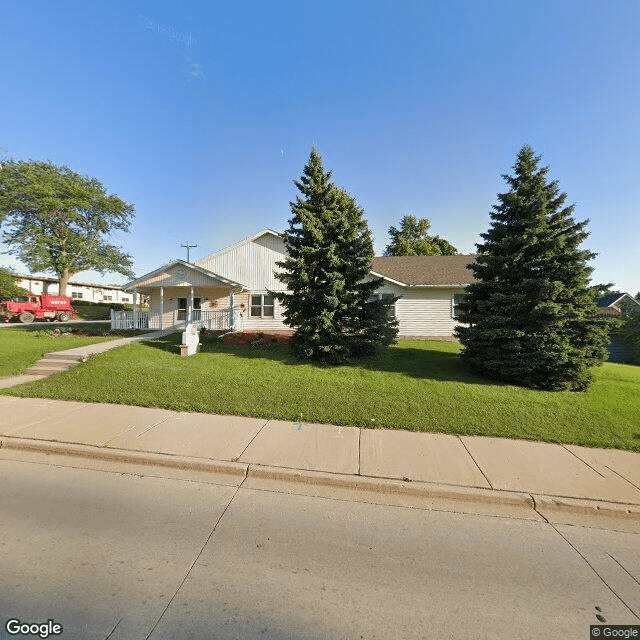
1515 Washington Street, Grafton, WI 53024
To contact a resident: (262) 377-5070
For more information about senior living options: (866) 208-4318
Washington Heights of Grafton Costs & Pricing
Washington Heights of Grafton offers a competitive pricing structure for its residents, with a monthly cost of $4,000 for a one-bedroom unit. This rate stands out when compared to the broader Ozaukee County average of $3,263 and the state of Wisconsin's average of $3,412. While Washington Heights presents a premium option within these benchmarks, the increased cost may reflect additional amenities, personalized care services, or an enhanced living environment that caters to the needs and preferences of its residents. Overall, potential residents should weigh these factors when considering their options in both county and state contexts.
| Floor plans | Washington Heights of Grafton | Ozaukee County | Wisconsin |
|---|---|---|---|
| 1 Bedroom | $4,000 | $3,263 | $3,412 |
Memory care communities with a similar price nearby
-
from +$200 / mo

River Way Place
$4,200 / month13.2 miles away -
About the same
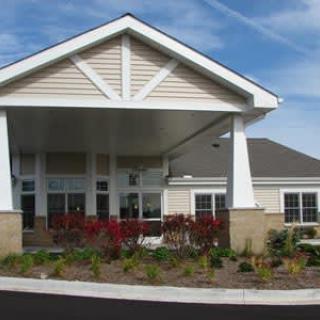
Ellens Home Germantown
$4,000 / month10.6 miles away -
About the same
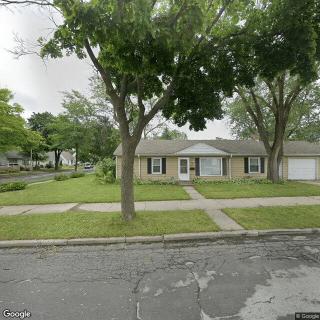
Complete Home Health Care
$4,000 / month13.8 miles away -
from +$275 / mo
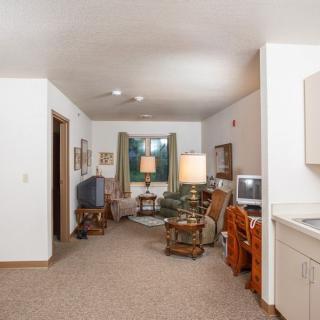
The Waterford at Hartford
$4,275 to $7,400 / month20.9 miles away -
About the same
Forest Haven
$4,000 to $4,400 / month10.7 miles away
Overall Review of Washington Heights of Grafton
Pros
 Staff seemed very caring.
- Renae was very nice.
Cons
 The facility has a cigarette smoke odor.
- Staff smoke outside.
- The reviewer is concerned about the mom's safety due to wandering.
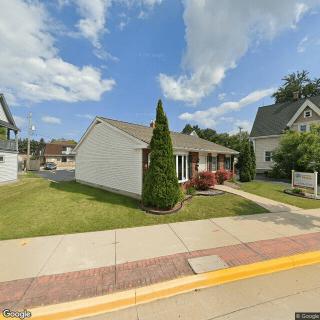
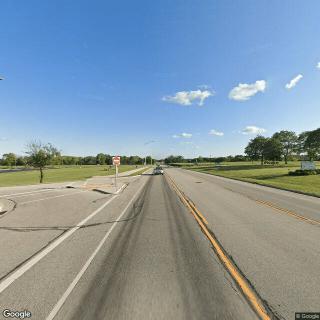
- The house and one entrance are only steps from Highway 60, a very busy road, raising safety concerns.
Review
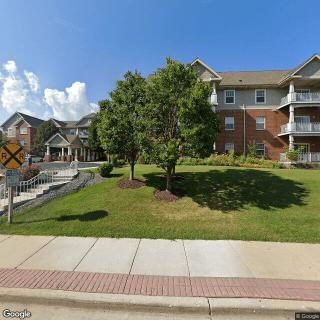
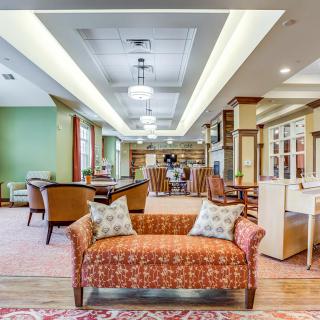
Washington Heights of Grafton in Grafton, WI is best suited for seniors who value a warm, home-like atmosphere with clearly caring, attentive staff. Families drawn to a small-scale environment where staff interactions feel personal and consistent will find the tone here reassuring. The residence also benefits from practical safety touches, such as door alarms, which can support a calm, monitored setting for residents who do not require aggressive security measures. In short, this community may fit well for someone who embraces a homelike vibe and relies on responsive caregivers more than on fortress-like security.
However, those considering alternatives should be mindful of a few red flags. Residents with pronounced wandering tendencies or those who require high-security protections will likely want to explore facilities with more robust perimeter control or enclosed outdoor spaces. The proximity of the house and at least one entrance to a busy highway (Highway 60) introduces a significant safety hurdle for fast or stealthy wanderers, particularly if supervision is limited at certain times. Additionally, individuals or families sensitive to cigarette smoke odors may want to confirm how often doors and windows are opened and whether smoking policies affect indoor air quality.
On the plus side, the strongest pro is the perception of genuine caregiving. Staff are described as caring, and a particular staff member, Renae, stands out as notably friendly. This kind of interpersonal warmth can translate into more proactive bedside care, better communication with families, and a sense of trust during transitions. The presence of alarms on doors adds a practical layer of safety that can provide reassurance to families anxious about wandering. Together, these factors create a setting where residents feel attended to and comfortable on a daily basis, which is meaningful for emotional well-being and routine stability.
Yet the main downside cannot be dismissed: safety around a busy road. The combination of a home environment with doors that are close to Highway 60, and the possibility of a resident who is both fast and quiet, creates an elevated risk of exits without prompt intervention. Even with door alarms, the lack of a fully secured exterior perimeter increases concern for families whose loved ones require constant vigilance. This is the key tension: the warm, personable caregiving competes with a structural safety gap that may not be easily bridged by staff presence alone.
The way the pros offset the cons depends on individual priorities. If a family prioritizes a caring, approachable staff and a congenial daily rhythm, these attributes can partly counterbalance the risk by fostering quick staff response and continuous monitoring during active hours. However, when wandering risk is high or when peace of mind hinges on a fully enclosed outdoor space and traffic-proof access, these benefits may fall short. The alarms help, but they do not eliminate the fundamental exposure created by the nearby highway and the possibility of rapid, quiet movement by a resident.
For families weighing a move to Washington Heights of Grafton, a practical plan is essential. Ask to observe safety measures during peak hours and at shift changes to gauge how consistently staff can respond to alarms and potential wandering. Inquire about the resident profile this community serves best: is there a dedicated memory-care pathway or enhanced 1:1 supervision for residents with higher wandering risk? Request details about the exterior layout, the number and placement of secure entry points, and any available enclosed outdoor spaces. If the resident’s needs skew toward vigilant security and traffic-free access, pursue options that offer stronger perimeter protections. If the goal is a warm, caring environment with dependable staff, Washington Heights can be a strong fit, provided comfort with the safety framework is aligned to the resident’s risk level.
 Studio apartments
 Board and Care Home
 Memory Care
 Activities off-site
 Bath tubs
 Beautician on-site
 Devotional services off-site
 Dining room
 Financing advice
 Garden
 Guest parking
 Housekeeping services
 Indoor common areas
 Laundry
 Outdoor common areas
 Overnight guests
 Party space
 Respite or short term stays offered
 TV room
 Wheelchair accessible showers
 Ambulatory care
 Diabetic care
 High acuity care
 Hospice care
 Medication management
 Meals provided
 Arts and crafts
 Book club
 Cooking club
 Educational speakers / life long learning
 Fitness programs
 Games
Games Live musical performances
 English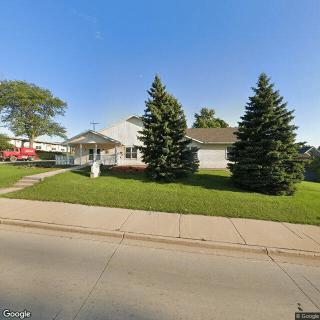

 Assisted Living and Memory Care: Understanding Their Core Differences
 Choosing the Right Senior Care: A Detailed Exploration of Assisted Living and Nursing Homes
 Safeguarding Your Memory Through the Golden Years: Eight Ways to Preserve Cognitive Health