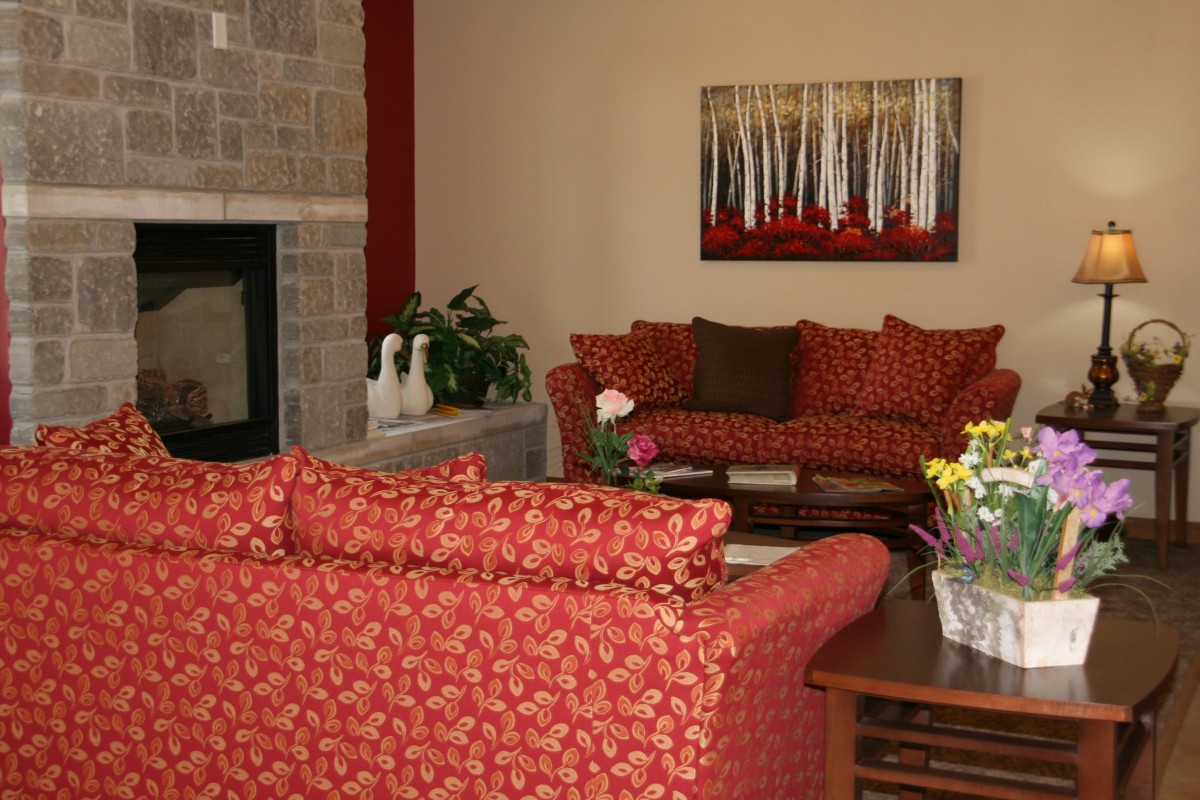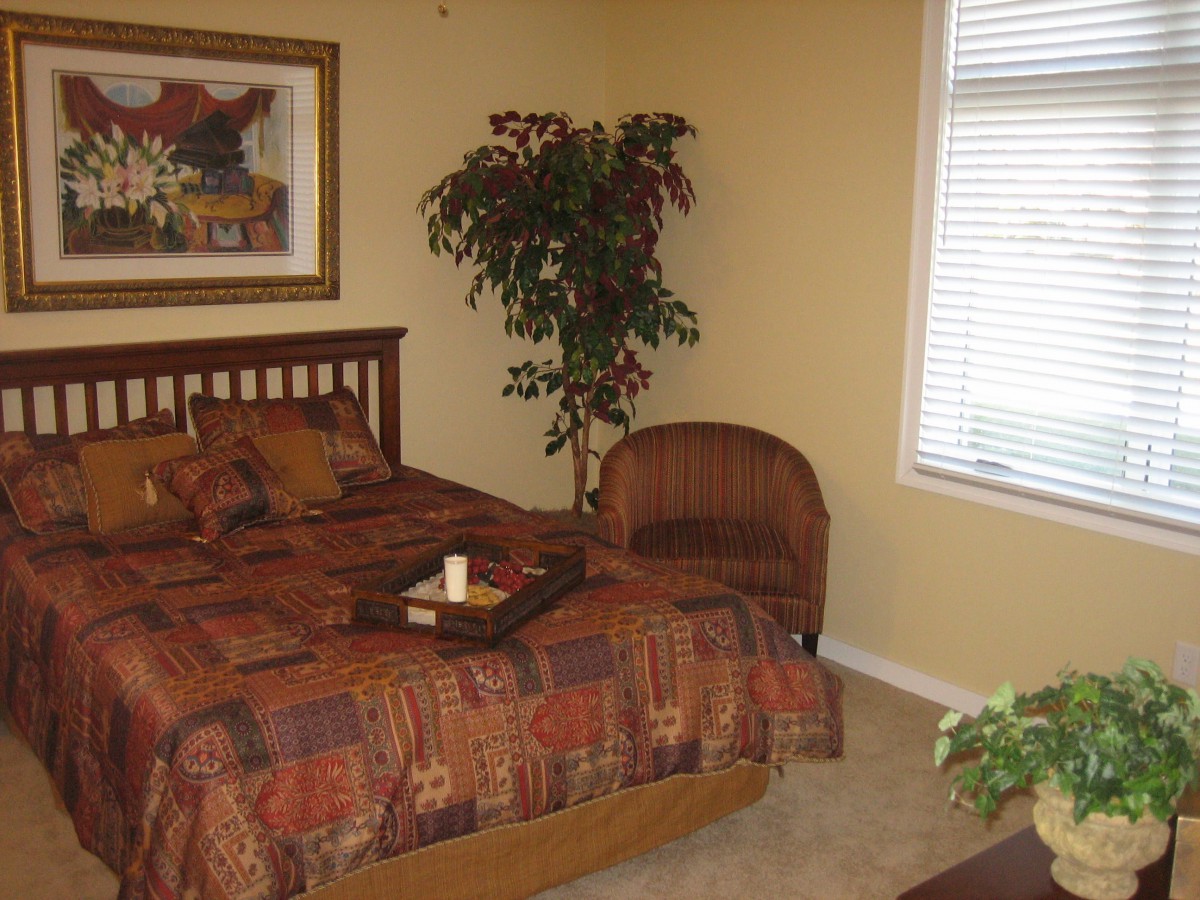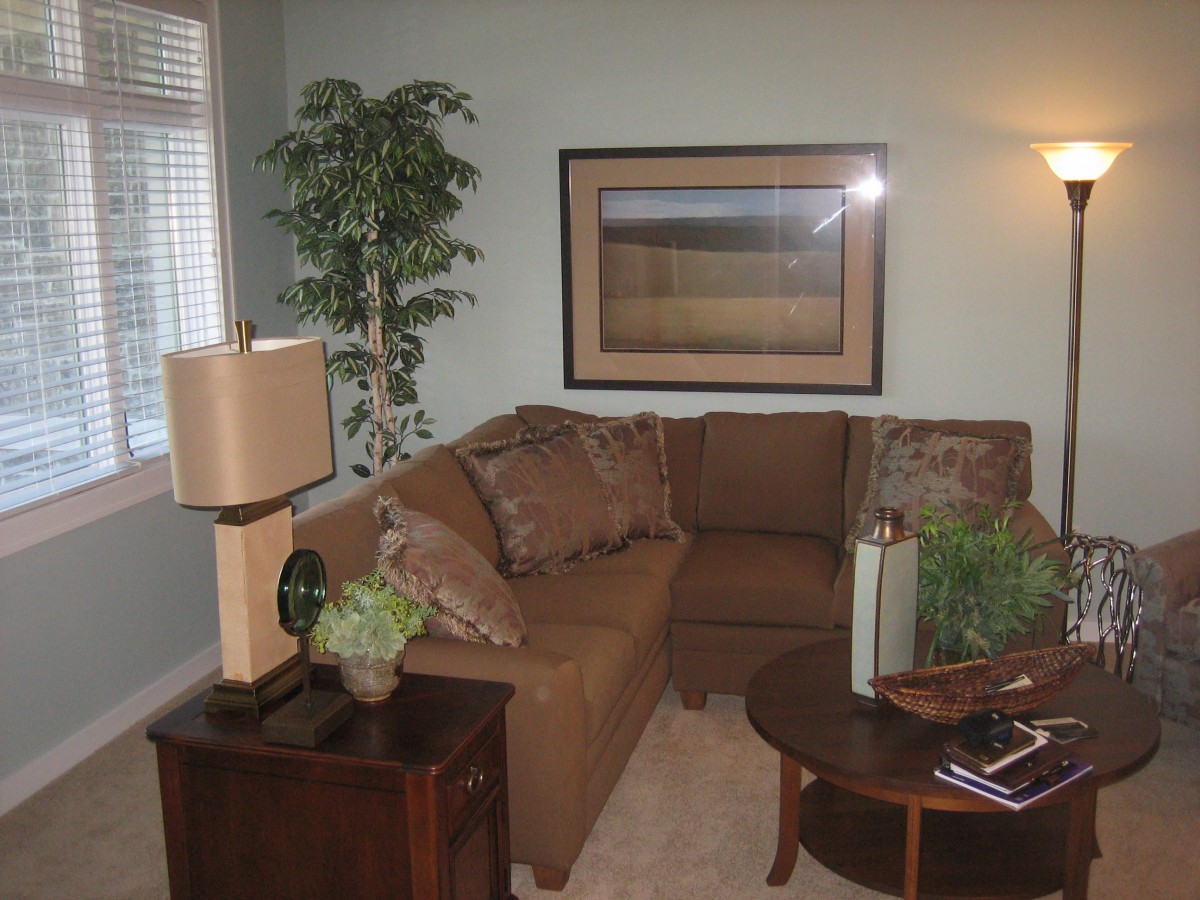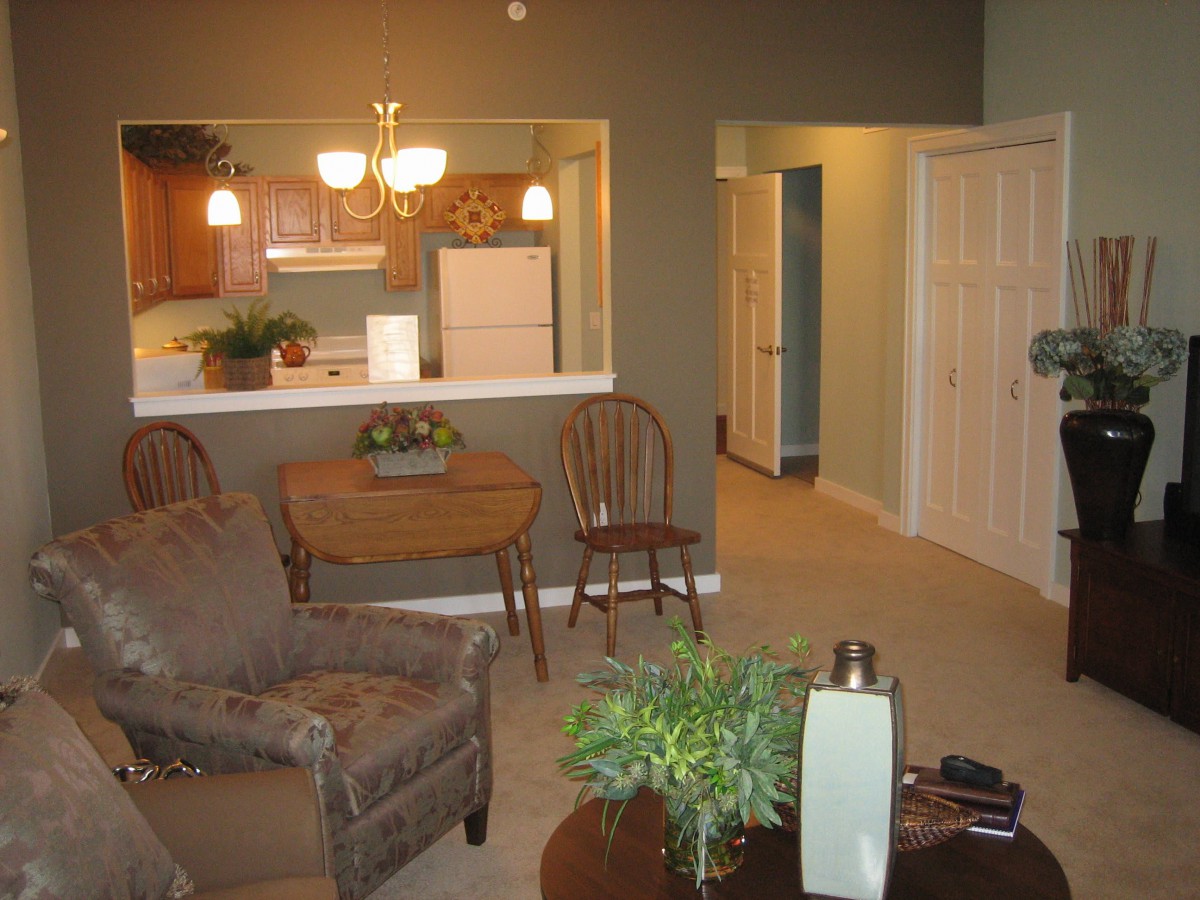


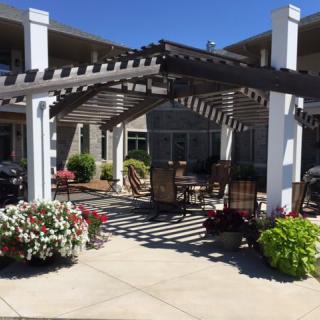
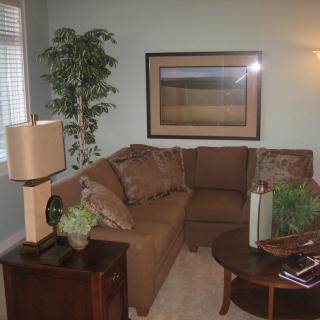
815 Washington Street, Grafton, WI 53024
To contact a resident: (262) 377-9900
For more information about senior living options: (866) 208-4318
The Providence Place an IRC Costs & Pricing
At The Providence Place, an independent retirement community (IRC), the monthly costs for living arrangements present a compelling advantage when compared to both Ozaukee County and the broader state of Wisconsin. For a one-bedroom unit, residents enjoy a cost of $798, significantly lower than the county average of $3,263 and the state average of $3,412. Similarly, two-bedroom options at The Providence Place are offered at $903, which is competitive against the county's rate of $3,180 and the state's rate of $3,111. These affordability levels not only highlight The Providence Place as a budget-friendly choice for seniors seeking independent living but also underscore its commitment to providing quality housing options without compromising on comfort or care.
| Floor plans | The Providence Place an IRC | Ozaukee County | Wisconsin |
|---|---|---|---|
| 1 Bedroom | $798 | $3,263 | $3,412 |
| 2 Bedrooms | $903 | $3,180 | $3,111 |
Senior living communities with a similar price nearby
-
from -$62 / mo
Quail Pointe
$736 to $893 / month22.0 miles away -
from +$62 / mo

Hawthorne Terrace Apartments
$860 to $1,220 / month19.4 miles away -
from -$127 / mo

Clare Heights
$671 to $821 / month23.4 miles away -
from -$48 / mo
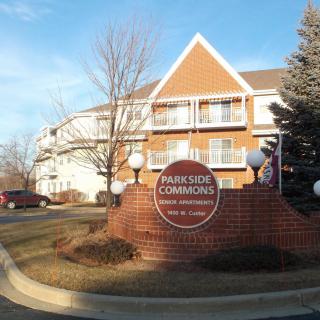
Parkside Commons Senior Apartments
$750 to $850 / month14.2 miles away -
from +$112 / mo
Brookfield Highlands Apartments 55+
$910 to $1,036 / month23.1 miles away
Overall Review of The Providence Place an IRC
Pros
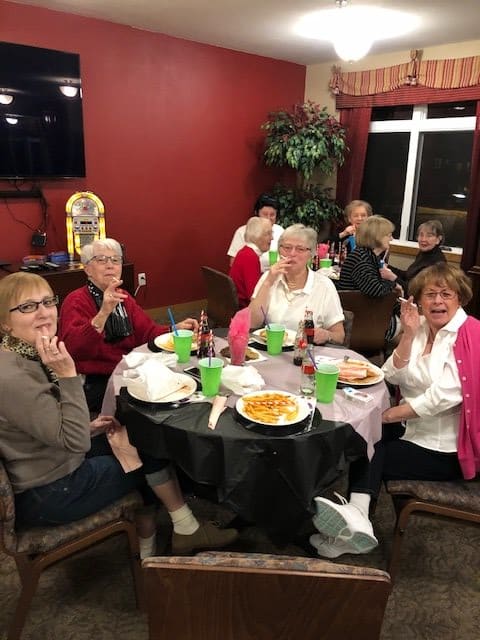
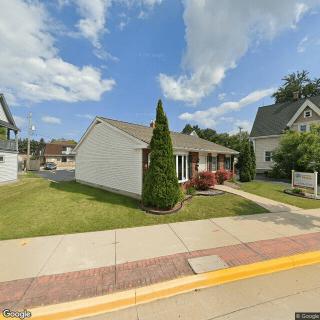
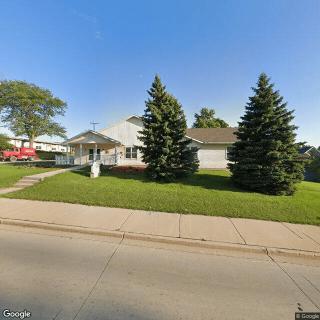
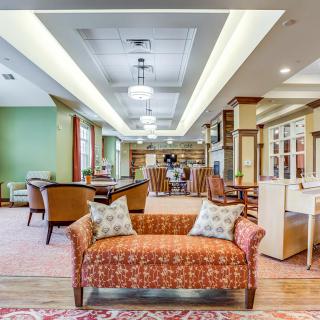
 The atmosphere is clean, homey, and very friendly.
- The facility is very nice.
Cons
 It lacks a continuum of care.
- They would likely not consider it because it has no continuum of care.
- It is more suitable for a younger older couple in good health, limiting its appeal for others.
Review
This community is best suited for relatively independent seniors and couples who prize a clean, homey, friendly setting and do not anticipate needing ongoing medical or daily living assistance. The Providence Place excels as a calm, welcoming residence where daily life can unfold with simplicity and warmth, making it a solid fit for those who want to downsize without sacrificing comfort or social connection. In short, it serves residents who are currently healthy enough to manage most activities of daily living while appreciating a well-kept, low-stress environment. Those who crave the security of on-site medical care, rehabilitation, or memory care will find this setting constraining from the outset.
Consider alternatives for anyone who anticipates requiring a continuum of care, memory support, or skilled nursing on a regular basis. The review notes that the property lacks a continuum of care, limiting its appeal to residents who expect rising needs to be addressed on campus. Families facing potential health declines, or couples where one partner may require more assistance than the other, should explore communities that offer integrated services or easy access to higher levels of care. A sharper focus on on-site care resources, coordinated medical oversight, and a broader spectrum of support services would be essential for those evaluating long-term security.
The strongest positives, cleanliness, a homey vibe, and a genuinely friendly atmosphere, play a meaningful role in daily life and can offset some otherwise restrictive factors. A well-maintained, comfortable setting reduces stress, supports social interaction, and helps residents feel at ease during transitions. For couples seeking a graceful downsizing without surrendering a sense of autonomy, these attributes translate into reliable normalcy: pleasant common areas, predictable routines, and a community that feels approachable. When a decision hinges on day-to-day comfort and emotional well-being, these strengths can keep quality of life high, at least in the early stages of residency.
The facility’s appeal also rests on its overall ambiance and the impression of care that comes from attentive staff and well-kept spaces. For residents who value a quieter pace, straightforward programming, and simple routines, the environment can feel like a comfortable, predictable home rather than a clinical setting. This can be a meaningful advantage for spouses or partners who want to stay together while maintaining independence. Yet the same attributes cannot compensate for the absence of built-in care pathways, which limits long-term feasibility if health or mobility shifts occur.
The core drawback is clear: no continuum of care means a potential cliff when health needs evolve. For families with aging trajectory concerns, this is a decisive factor. If one partner’s health begins to require regular assistance, or if memory support becomes necessary, moving to a different campus with broader services becomes almost inevitable. That risk makes this community a riskier choice for those who cannot easily absorb a transition in the future, or for anyone prioritizing seamless, on-site care options over time.
The practical takeaway is straightforward. The Providence Place works best for independent seniors and couples who want a clean, comfortable, friendly home atmosphere and are confident in maintaining health and independence for the foreseeable future. It is not the right fit for households that anticipate needing assisted living, memory care, or a full continuum of care on site. Prospective residents should conduct a focused visit with questions about mobility, daily assistance tolerances, and plans for future care, and should actively compare alternatives that provide more extensive on-site services. If long-term care flexibility is a priority, the wiser move is to pursue a campus with integrated care options; if the goal is to enjoy a calm, welcoming home while preserving independence, The Providence Place offers a compelling, well-kept option worth serious consideration.
 Active Adult Communities (55+)
 Activities off-site
 Air-conditioning
 Bath tubs
 Beautician on-site
 Cable or satellite TV
 Devotional services off-site
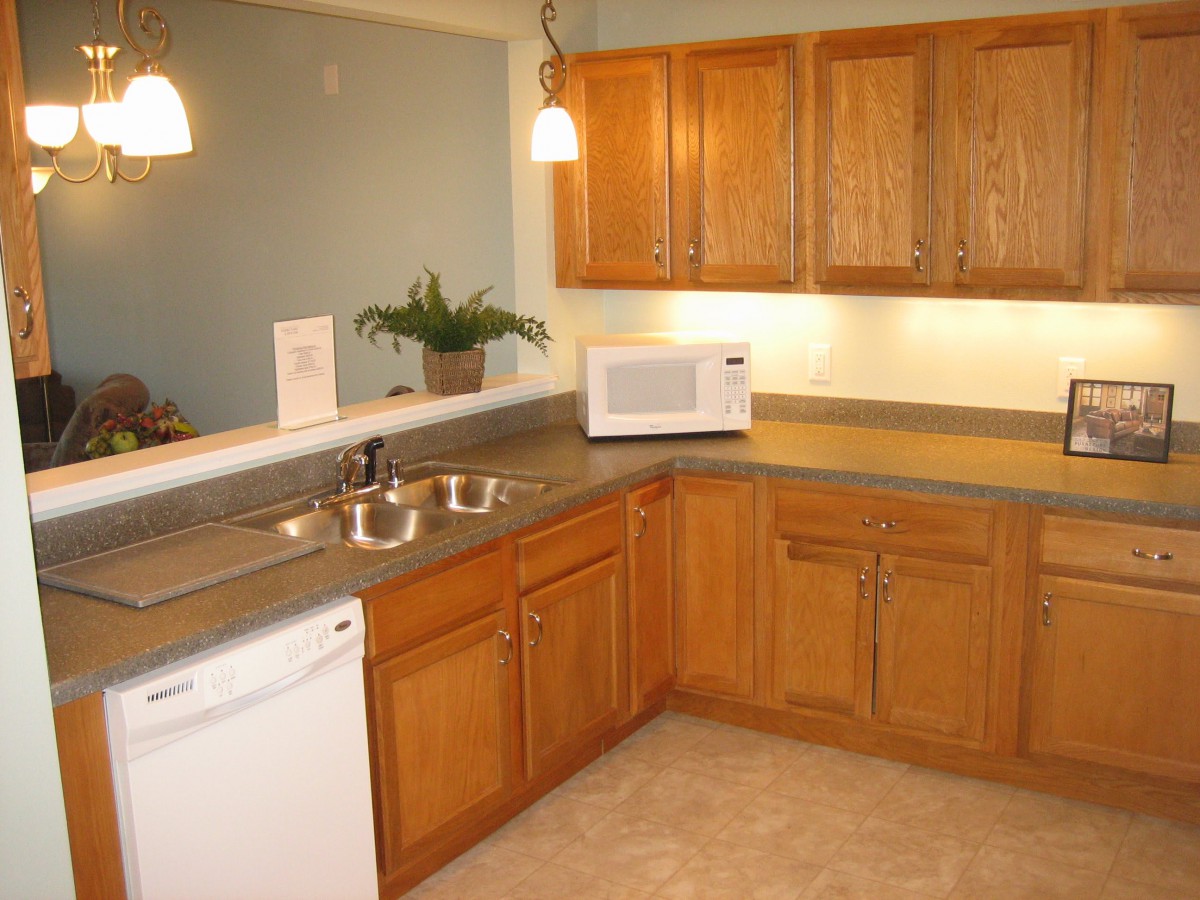
 Full kitchen
 Ground floor units
 Handicap accessible
 Indoor common areas
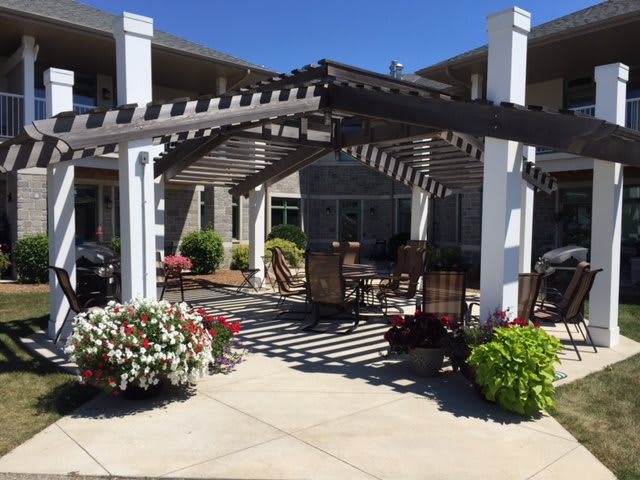
 Outdoor common areas
 Wheelchair accessible showers
 Wi-Fi/high-speed internet available
 Meals provided
 Art classes
 Bible study group
 Day trips and outings
 Educational speakers / life long learning
 Happy hour
 Live dance or theater performances
 Live musical performances
 Live well programs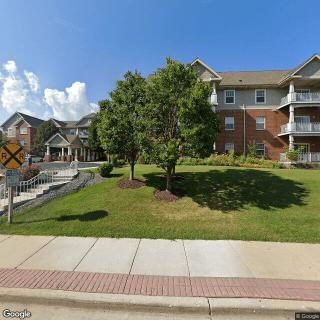


 Encouraging Participation in Adult Day Care: A Guide to Supporting a Hesitant Parent
 Comprehensive Exploration of Living Wills and Other Advance Directives
 A Detailed Exploration of Living Wills and Advance Directives