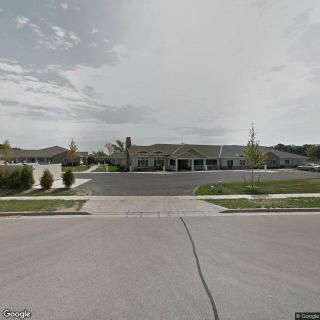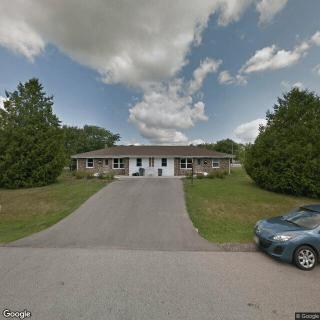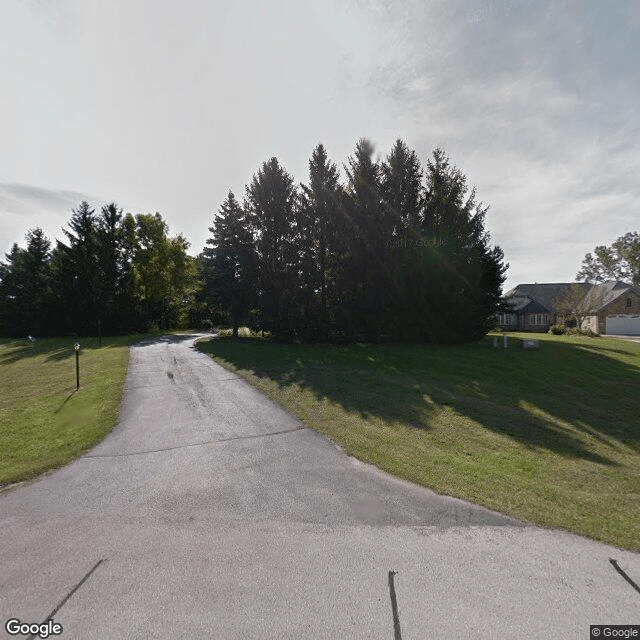
Twin Oaks Home in Delafield, WI

Save
Twin Oaks Home

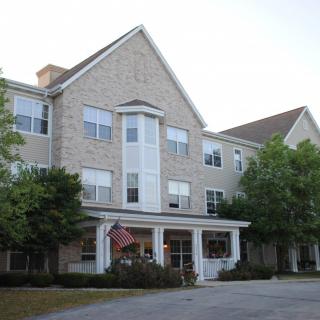
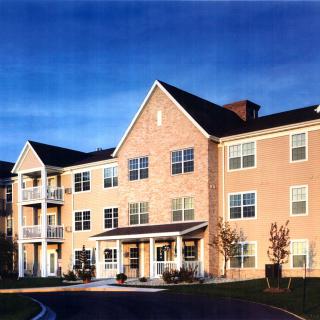
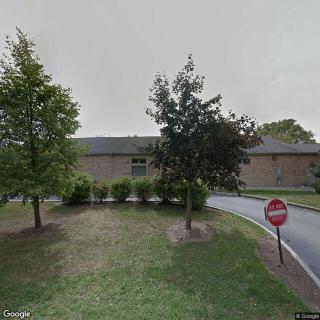
Twin Oaks Home in Delafield, WI

Information last verified:

N4 W31511 Twin Oaks Drive, Delafield, WI 53018

For more information about senior living options: (844) 490-3973

5 from 1 review

Twin Oaks Home Costs & Pricing

Twin Oaks Home offers a competitive pricing structure for its residents, with monthly costs reflecting both the quality of care and amenities provided. The semi-private rooms are priced at $5,000, which is notably higher than the average cost in Waukesha County at $4,369 and significantly above the statewide average of $3,977. For those seeking private accommodations, Twin Oaks Home charges $5,500 - a premium compared to Waukesha County's average of $4,205 and Wisconsin's state average of $4,339. While these rates may be elevated in comparison to local and state benchmarks, they correspond with the personalized services and supportive environment that Twin Oaks Home aims to deliver to its residents.

Floor plansTwin Oaks HomeWaukesha CountyWisconsin
Semi-Private$5,000$4,369$3,977
Private$5,500$4,205$4,339

Overall Review of Twin Oaks Home

Pros

  • pro The staff and owners at Twin Oaks took excellent care of her.
  • pro They treated her with respect and love.
  • pro They helped her family through her passing.
  • pro Her family has formed lasting friendships as a result of her stay there.

Review

Twin Oaks Home in Delafield, WI is best suited for families seeking a small, intimate, caregiver-led setting where staff and owners deliver deeply personal, respectful, and loving care. The resident experience centers on human connection, with a focus on treating elders with dignity and warmth. In practice, this translates to care teams that know residents well, recognize subtle needs, and foster meaningful relationships that extend to families. The strongest signal is the sense of belonging many families report, the kind of atmosphere where staff are not just workers but allies who walk with the family through difficult days, including the emotional transition that accompanies a loved one’s passing.

Those who may want to consider alternatives are families pursuing a larger community with more structure around medical services, memory-care specialization, or a broader menu of social activities. If a priority is robust clinical oversight, regular on-site therapy programs, extensive memory-care protocols, or expansive transportation and outings, Twin Oaks may not deliver at the scale some families expect. Likewise, if the decision hinges on highly standardized policies, a formalized activity calendar with at-a-glance programming options, or a wide range of room configurations, other facilities could better align with those needs.

The primary strengths, the staff’s compassionate care, the owners’ visible involvement, and the ability to support a family through bereavement, strongly offset the kinds of concerns that commonly accompany smaller, home-like settings. When care is individualized and the tone is consistently respectful, families gain confidence that their loved one will be treated as a person, not a task. The personal connections cultivate trust and reduce the anxiety that often accompanies placement. In practical terms, that translates into smoother transitions, clearer communication, and a sense that both resident and family have ongoing allies on the care journey, not distant administrators.

What can reasonably be inferred from the available information is a picture of predictability and warmth, rather than a broad spectrum of services. The single glowing review highlights excellence in caregiving and relational depth, but it offers limited detail on daily routines, medical support, activities, or fee structures. That means families should enter with clear questions about what is included in the base rate, what constitutes “extra” care, and how medical needs are monitored and addressed. Potential residents should also seek specifics on staffing coverage, responsiveness to call bells, and how end-of-life planning is integrated into ongoing care, to avoid surprises after move-in.

To make a well-grounded decision, use a practical evaluation lens. Request a tour and observe how staff interact with residents and with each other. Inquire about staff-to-resident ratios during day and night shifts, training for dementia or other common conditions, and the level of supervision available at all times. Clarify what medical oversight is available on-site, how medications are managed, and whether nursing staff are routinely present. Ask about meals, housekeeping, laundry, and assistance with activities of daily living, as well as how individualized care plans are created and updated. Finally, obtain a transparent outline of costs, what’s included, and any potential add-ons, plus the facility’s policy on family involvement and visiting hours.

In the end, Twin Oaks stands out for families prioritizing a warm, home-like environment where care is delivered with genuine care and personal attention. For those who value emotional support, continuity of relationships, and a community that feels like an extended family, this option warrants strong consideration. Families with more demanding needs for clinical programming, memory-care specialization, or expansive social programming should proceed with a measured comparison to larger houses or communities. A deliberate site visit, candid questions, and a clear sense of personal priorities will determine whether Twin Oaks becomes the trusted home or whether an alternative arrangement better matches the care philosophy sought.

Features

Types of Care

  • Board and Care Home Board and Care HomeBoard and care homes provide a smaller, more intimate setting for seniors who require assistance with daily tasks but do not need the level of care offered by a nursing home. They offer personalized care, meals, and social activities in a homelike environment, ensuring that seniors receive individualized attention and support in their golden years.
  • Memory Care Memory CareMemory care is crucial for seniors as it provides specialized support and services for individuals with dementia or Alzheimer's disease. These programs offer a safe and secure environment where residents receive personalized care, cognitive stimulation, and help with daily activities. Memory care helps seniors maintain their independence, quality of life, and dignity while also providing peace of mind for their families.

Amenities

  • Activities on-site Activities on-siteActivities on-site are important for seniors because they provide opportunities for socialization, mental stimulation, physical activity, and overall well-being. Engaging in activities can help seniors stay active, maintain their independence, and improve their quality of life.
  • Bath tubs Bath tubsBath tubs are important for seniors because they provide a safe and relaxing way to bathe, helping to prevent slips and falls while promoting independence and overall well-being.
  • Devotional services on-site Devotional services on-siteDevotional services on-site provide seniors with spiritual support and a sense of community, as well as an opportunity for reflection and guidance during their senior living experience. This can promote emotional well-being and connection to others, leading to a more fulfilling and enriching lifestyle in their later years.
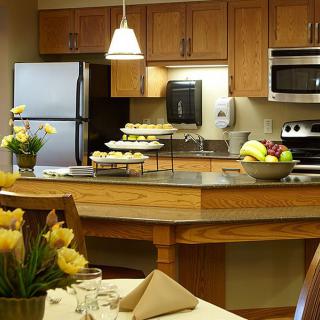
  • Indoor common areas Indoor common areasIndoor common areas are crucial for seniors as they provide a space for socialization, recreation, and community engagement, promoting overall well-being and reducing feelings of isolation and loneliness.
  • Outdoor common areas Outdoor common areasOutdoor common areas are important for seniors as they provide a space for socialization, physical activity, and relaxation. Being outside in nature can improve mood and overall well-being, while also encouraging movement and engagement with others. These spaces can help combat feelings of isolation and promote a sense of community among residents.
  • Private PrivatePrivacy is important for seniors as it allows them to maintain their independence, dignity, and sense of control over their own lives. It also gives them the space and freedom to relax, reflect, and engage in activities that bring them joy and fulfillment. Creating private spaces within senior living facilities is crucial for promoting overall well-being and quality of life.
  • Private bathrooms Private bathroomsPrivate bathrooms are important for seniors in senior living communities because they provide independence, dignity, and comfort. Having a private bathroom allows seniors to maintain their personal hygiene routines without the need for assistance, promoting a sense of autonomy and privacy. Additionally, private bathrooms help prevent the spread of infections and provide a safe and clean environment for seniors to navigate safely.
  • Respite or short term stays offered Respite or short term stays offeredRespite or short term stays provide seniors with a temporary solution when their regular caregiver is unavailable, offering them the opportunity to receive additional care and support during times of need, while also giving caregivers a chance to rest and recharge.

Transportation

  • General Mitchell International (25 miles away) General Mitchell International (25 miles away)

Care Services

  • Ambulatory care Ambulatory care"Ambulatory care services provide essential medical support and treatment to seniors without requiring hospitalization, allowing them to maintain their independence and quality of life while managing chronic conditions or receiving routine medical care."
  • Diabetic care Diabetic careDiabetic care is crucial for seniors as they are more susceptible to developing diabetes due to aging and other health conditions. Proper management of diabetes can help prevent complications such as heart disease, vision loss, and nerve damage, improving the overall quality of life for seniors in senior living communities.
  • High acuity care High acuity careHigh acuity care is important for seniors because it provides specialized medical attention and support for individuals with complex medical needs. This level of care ensures that seniors receive the appropriate treatment and assistance to maintain their health and quality of life as they age.
  • Incontinence care Incontinence careIncontinence care is essential for seniors to maintain their dignity, hygiene, and overall quality of life. By addressing incontinence issues promptly and effectively, seniors can enjoy a sense of independence and comfort in their daily activities.
  • Medication management Medication managementMedication management is crucial for seniors to ensure they are taking the right medications at the correct dosages and times. This helps prevent adverse drug interactions, reduces the risk of medication errors, and promotes overall health and well-being. Proactive management also allows for adjustments as needed based on changing health conditions or new prescriptions.

Dining

  • Meals provided Meals provided"Meals provided" are crucial for seniors in assisted living communities as it ensures they have access to nutritious, balanced meals without the stress of meal planning and preparation. This can help promote overall health and well-being for seniors who may have limited mobility or cognitive abilities.
  • Vegetarian VegetarianA vegetarian diet is important for seniors because it can help lower the risk of chronic diseases, maintain a healthy weight, and provide essential nutrients needed for aging bodies. Additionally, plant-based diets are often easier on digestive systems and can contribute to overall well-being in older adults.

Activities

  • Activities on-site Activities on-siteActivities on-site are important for seniors because they provide opportunities for socialization, mental stimulation, physical activity, and overall well-being. Engaging in activities can help seniors stay active, maintain their independence, and improve their quality of life.
  • Devotional activities on-site Devotional activities on-siteDevotional activities on-site provide seniors with a sense of community, spiritual fulfillment, and emotional support, promoting overall well-being and a positive sense of purpose in their lives.

Description

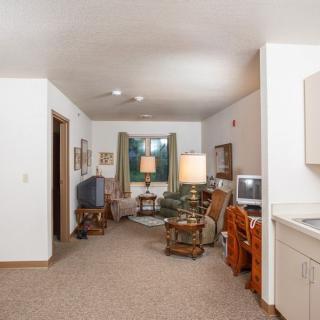
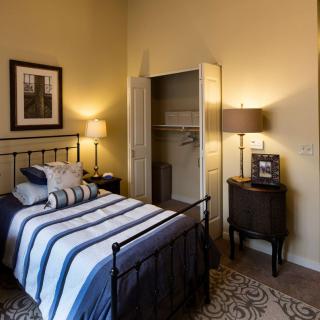
Twin Oaks Home in Delafield, WI is a memory care assisted living community that offers a comfortable and secure environment for individuals with memory impairment. Residents can enjoy the privacy of their own rooms, complete with private bathrooms and bath tubs. Additionally, the community provides a range of amenities including indoor and outdoor common areas where residents can socialize and relax.

Twin Oaks Home also offers various care services to cater to the specific needs of its residents. This includes diabetic care, high acuity care, incontinence care, and medication management to ensure that each resident receives personalized attention and support.

In terms of dining options, the community provides vegetarian meals to accommodate different dietary preferences or requirements. Devotional activities are also offered on-site for residents' spiritual needs.

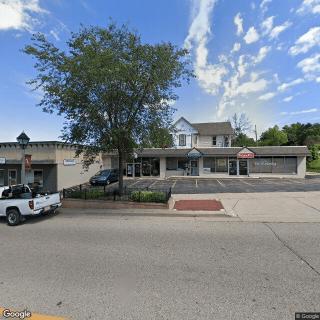
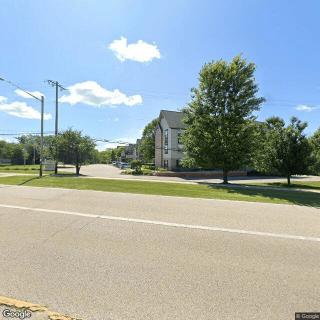
The location of Twin Oaks Home is ideal as it is surrounded by cafes, parks, pharmacies, physicians' offices, restaurants, places of worship, theaters, and hospitals. This allows residents to conveniently access nearby amenities and services within close proximity.

Overall, Twin Oaks Home in Delafield, WI aims to provide a safe and nurturing environment for individuals with memory impairments while offering a range of amenities and services to enhance their quality of life.

Nearby Places of Interest

This part of Delafield, Wisconsin offers a convenient and diverse range of amenities for seniors looking to settle in the area. With several theaters, restaurants, cafes, pharmacies, and medical facilities within close proximity, residents have easy access to entertainment, dining options, and healthcare services. Additionally, the presence of parks like Kettle Moraine State Forest - Lapham Peak Unit provides opportunities for outdoor recreation and relaxation. The nearby hospitals such as Waukesha Memorial Hospital and Rogers Behavioral Health ensure that residents have access to quality healthcare facilities. Overall, this area offers a balanced mix of conveniences and natural beauty for seniors considering senior living options in Delafield.

Theaters

  • Hillside Cinema Delafield, Wi (0.8 miles)

Physicians

  • Lake Country Physicians (0.8 miles)
  • Aurora Family Medicine (0.9 miles)
  • Hart Hearing Care Centers (0.9 miles)
  • Prohealth Care Medical Center (1.2 miles)
  • Aurora Wilkinson Medical Clinic (1.5 miles)
  • Aurora Wilkinson Clinic Wales (1.6 miles)
  • Advanced Lipidology (2.3 miles)

Pharmacies

  • Walmart Pharmacy (0.9 miles)
  • CVS Pharmacy (1 miles)
  • Pick 'n Save Pharmacy (1.9 miles)
  • Walgreens (4.7 miles)
  • Pick 'n Save Pharmacy (5.5 miles)
  • Metro Market (5.5 miles)
  • Walgreens (5.5 miles)

Restaurants

  • Applebee's (1.1 miles)
  • Chick-Fil-A (1.1 miles)
  • Qdoba Mexican Eats (1.1 miles)
  • McDonald's (1.2 miles)
  • Water Street Brewery (1.2 miles)
  • Delafield Brewhaus (1.3 miles)
  • Culver's (1.5 miles)

Cafes

  • Panera Bread (1.1 miles)
  • Starbucks (1.2 miles)
  • Black Canyon Coffee (1.5 miles)
  • Starbucks (5.4 miles)
  • Starbucks (6.8 miles)
  • Panera Bread (6.8 miles)

Parks

  • Kettle Moraine State Forest - Lapham Peak Unit (1.3 miles)
  • Cushing Memorial State Park (2.7 miles)
  • Glacier Cone Park (5.2 miles)
  • Nashotah Park (6 miles)
  • Waukesha Parks Rec & Forestry (7 miles)
  • Rivers Crossing Park (7.1 miles)

Hospitals

  • Waukesha Memorial Hospital (3.2 miles)
  • Rogers Memorial Hospital (4.5 miles)
  • Rogers Behavioral Health (4.5 miles)
  • Aurora Medical Center Summit (5.1 miles)
  • Corporate Center- Rogers Behavioral Health (5.6 miles)
  • Ascension Wisconsin Hospital - Waukesha Campus (6.6 miles)
  • Waukesha Memorial Hospital (6.9 miles)

Places of Worship

  • Riverglen Christian Church (3.5 miles)

Frequently Asked Questions

How much does it cost to live at Twin Oaks Home in Delafield, WI?
Where is Twin Oaks Home?
Does Twin Oaks Home provide care for residents with dementia or Alzheimer's disease?

Nearby Communities

  • Hillside Woods I & II

    Hillside Woods I & II

    Delafield, WI

    4.6 from 21 reviews
    $705 to $875 / month

    pro Strong on-site management with a welcoming, active community.

  • Hillside Woods I

    Hillside Woods I

    Delafield, WI

    4 from 2 reviews
    $636 to $852 / month

    pro Beautiful setting with affordable pricing and attentive on-site staff.

  • Lynnwood Of Delafield

    Lynnwood Of Delafield

    Pewaukee, WI

    3 from 2 reviews
     

    pro Small, intimate community (capacity ~10) with 24/7 supervision and specialized memory care programs.

  • At Your Service,  Inc.

    At Your Service, Inc.

    Delafield, WI

    4.8 from 10 reviews
     

    pro Compassionate, well-coordinated care with proactive communication and daily updates.

  • Clearview Home Corporation

    Clearview Home Corporation

    Delafield, WI


    pro Personalized care in a vibrant, amenity-rich community.

  • Chateau Leblanc Group Home

    Chateau Leblanc Group Home

    Pewaukee, WI


    pro Small, personalized care with memory support and 24/7 supervision.

  • Mission Creek

    Mission Creek

    Waukesha, WI

    3.6 from 121 reviews
    $2,895 to $4,900 / month

    pro Clean, spacious rooms with private baths; engaging activities and good dining in a smaller, personal community.

  • Lake Country Landing

    Lake Country Landing

    Oconomowoc, WI

    3.8 from 33 reviews
    $3,300 to $3,800 / month

    pro Modern, clean facility with friendly staff and on-site amenities.

  • Silvernail

    Silvernail

    Pewaukee, WI

    3.7 from 23 reviews
    $751 to $900 / month

    pro Affordable rents with well-kept facilities and senior-friendly amenities.

Related Resources

  • when to move from assisted living to nursing home8 Key Indicators That Suggest It May Be Time to Transition from Assisted Living to Skilled Nursing Care

    The transition from assisted living to skilled nursing care is often prompted by complex medical needs that assisted living cannot meet, with key indicators including frequent health declines, increased falls, severe memory issues, and caregiver burnout. Families should recognize these signs early to discuss options with healthcare providers and prepare for the emotional and logistical aspects of moving to a facility that offers comprehensive medical support.

  • best foods for dementia patients to eatNourishing the Mind: Essential Dietary Approaches for Dementia

    Dementia is characterized by cognitive decline, with nutrition playing a vital role in brain health; while no specific diet can prevent or reverse it, a nutrient-dense diet rich in antioxidants and healthy fats may support cognitive function. The MIND diet, which emphasizes beneficial foods and limits processed items, along with proper hydration and individualized meal strategies, can enhance the well-being of dementia patients.

  • dementia behaviorsUnderstanding Dementia Behaviors: Practical Insights and Strategies for Caregivers

    Dementia affects memory and cognitive function in older adults, presenting challenges for caregivers due to behavioral changes such as confusion and mood swings. Compassionate, person-centered care that considers individual history and preferences, along with effective communication and environmental modifications, is essential for supporting both patients and their caregivers.