Residents and families consistently describe staff as caring, professional, and responsive.
Many reviews emphasize attentive, compassionate care from the staff, including nurses, CNAs, and therapy team members. Several families say they’re kept informed about what’s happening day to day and that staff respond when questions come up. A few reviews mention breakdowns—such as not answering phones or difficulty getting follow-up after discharge—and there are also critical comments about care consistency in specific situations.
common7 reviews mention this
Food quality gets strong reactions
Food is a frequent topic, with many calling it high quality and some reporting the opposite.
Several reviews praise the meals, describing good or amazing food and “good quality meals.” Others criticize the food, including one comment saying the food was hard to eat. Reviews focused on meals and snacks also point to attention to residents’ needs like weight gain support.
common9 reviews mention this
Therapy and rehab support
Rehab therapy is repeatedly mentioned as helpful for mobility and recovery.
Reviews commonly connect therapy to progress, including physical therapy sessions and improved mobility. Some families specifically describe therapy helping residents walk more and regain independence in daily routines. The rehab communication also comes up, with one review highlighting updates about progress during a stay.
caveat2 reviews mention this
Maintenance on grounds needs work
Some reviewers question how well the property is maintained.
Two reviews call out outside upkeep problems, like mowing the grass and repainting a fence. These comments stand out because most other reviews highlight cleanliness and upkeep inside the building.
caveat2 reviews mention this
Phone responsiveness is inconsistent
A couple of reviewers report trouble reaching the facility by phone.
One review says staff would not call back or answer the phone when trying to get information after a discharge. Another mentions phones ringing without being answered and includes a concern during a resident’s pain. Other reviews describe communication as a strength, but these two raise concerns about responsiveness in particular moments.
How we summarize
Counts show how many written reviews mention each theme; a review can touch several themes, and only frequently mentioned themes are displayed.
Features
Housing
21 resident community capacity
Types of Care
Memory Care
Skilled Nursing Facility
Amenities
Beauty salon
Cable or satellite TV
Dining room
Fully furnished
Garden
Housekeeping services
Kitchenette
Move-in coordination
Outdoor space
Telephone
Wi-Fi/high-speed internet available
Care Services
24-hour call system
24-hour supervision
Activities of daily living assistance
Assistance with bathing
Assistance with dressing
Assistance with transfers
Coordination with health care providers
Diabetes diet
Meal preparation and service
Medication management
Mental wellness program
Mild cognitive impairment
Special dietary restrictions
Specialized memory care programming
Transportation arrangement (medical)
Transportation to doctors appointments
Dining
Diabetes diet
Special dietary restrictions
Activities
Community-sponsored activities
Scheduled daily activities
Nearby Places of Interest
This part of Oak Hill, West Virginia offers a variety of amenities and services that cater to senior residents. With close proximity to pharmacies such as Good Neighbor Pharmacy and Walgreens, accessing medication and healthcare essentials is convenient. The area also boasts a selection of dining options including A Taste of WV Soul and Heart of Gold Diner, providing delicious meals in a welcoming atmosphere. For spiritual fulfillment, there are several places of worship nearby such as Oak Hill Gospel Tabernacle and Fayetteville Baptist Church. In terms of healthcare, physicians like Dr. Karen Hultman and the Med Surg Group offer quality medical care for seniors. Additionally, the presence of Plateau Medical Center ensures access to hospital services when needed. For recreational activities and relaxation, there are beautiful parks like Concho Overlook New River Gorge and Hawks Nest State Park Lodge within a short drive. Overall, this part of Oak Hill provides a peaceful environment with essential resources for senior living.
Restaurants
A Taste of WV Soul (0.3 miles)
McDonald's (0.3 miles)
Heart of Gold Diner (0.4 miles)
The Frozen Barn (0.6 miles)
El Bandido Mexican Restaurant (1.3 miles)
Burger King (1.6 miles)
Bridge Brew Works (2.1 miles)
Pharmacies
Good Neighbor Pharmacy (0.4 miles)
Walgreens (0.5 miles)
Oak Hill Hometown Pharmacy (0.7 miles)
Woods Pharmacy (1.7 miles)
CVS Pharmacy (3.1 miles)
Walmart Pharmacy (3.3 miles)
New River Pharmacy (3.7 miles)
Places of Worship
Oak Hill Gospel Tabernacle (0.6 miles)
Stegel Louie Reverend (0.8 miles)
Pleasant View Church (4.4 miles)
Fayetteville Baptist Church (4.8 miles)
St Paul's UMC (10.3 miles)
Glen Ferris Apostolic Church (12.3 miles)
Mount Calvary Baptist Church (12.4 miles)
Transportation
R J Coreman Shortline (1.3 miles)
L & H Transportation (1.5 miles)
U-Haul Neighborhood Dealer (11.4 miles)
U-Haul Moving & Storage of Beckley (12.9 miles)
Physicians
Petersen Clinic (1.4 miles)
Med Surg Group (1.5 miles)
Oak Hill Pediatrics (1.6 miles)
Paul Conley, DO (1.6 miles)
Karen Hultman, MD (3.4 miles)
Plateau Medical Group - Primary Care - Fayetteville (4.5 miles)
The various features provided by Hidden Valley Center are integral to enhancing the quality of life for residents with dementia or Alzheimer's disease, addressing their unique needs through personalized care. Assistance with dressing and bathing promotes dignity while fostering independence; meal preparation and service ensure proper nutrition, which is crucial for overall health. Medication management guarantees adherence to treatment plans, minimizing risks associated with missed doses or confusion. Transportation arrangements facilitate access to medical appointments, reinforcing a comprehensive approach to health care coordination alongside direct communication with health care providers. The support with activities of daily living and assistance with transfers ensures safety and comfort in navigating the environment. Furthermore, 24-hour supervision offers peace of mind for both residents and families, while specialized memory care programming and mental wellness initiatives focus on cognitive engagement, promoting mental stimulation that can alleviate some symptoms of mild cognitive impairment. Collectively, these services create a supportive atmosphere tailored to the well-being of individuals facing memory challenges.
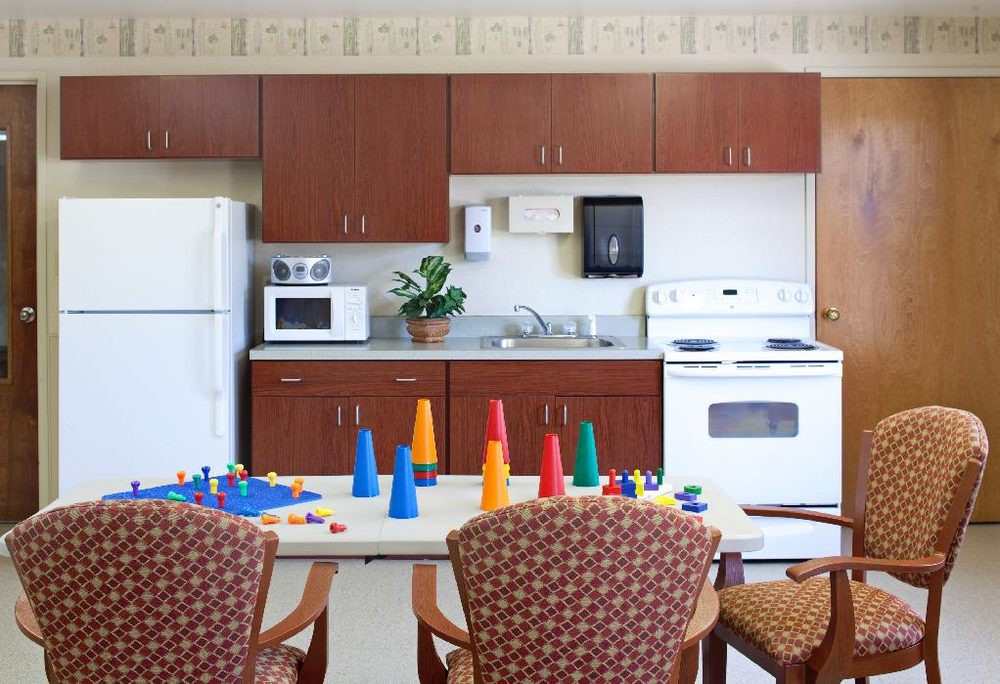
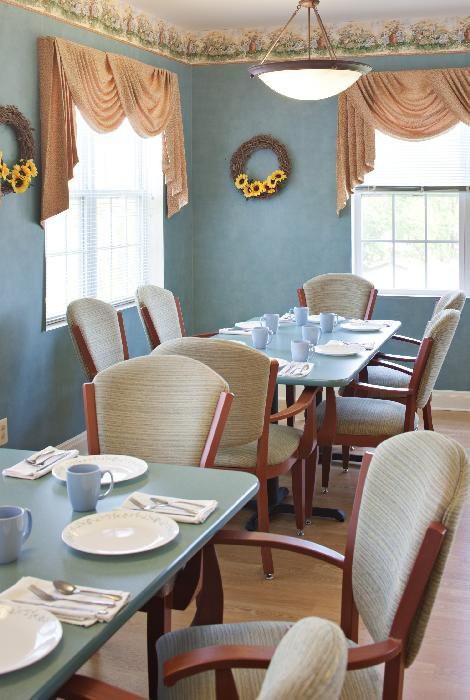
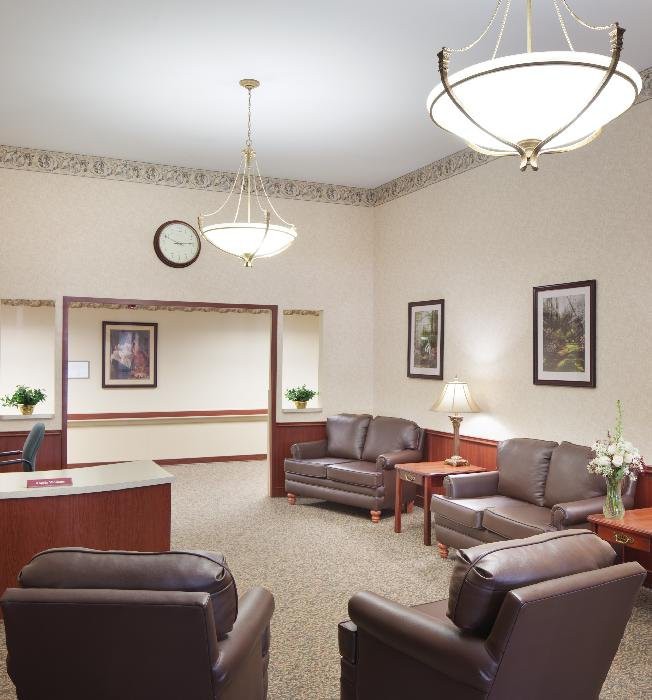
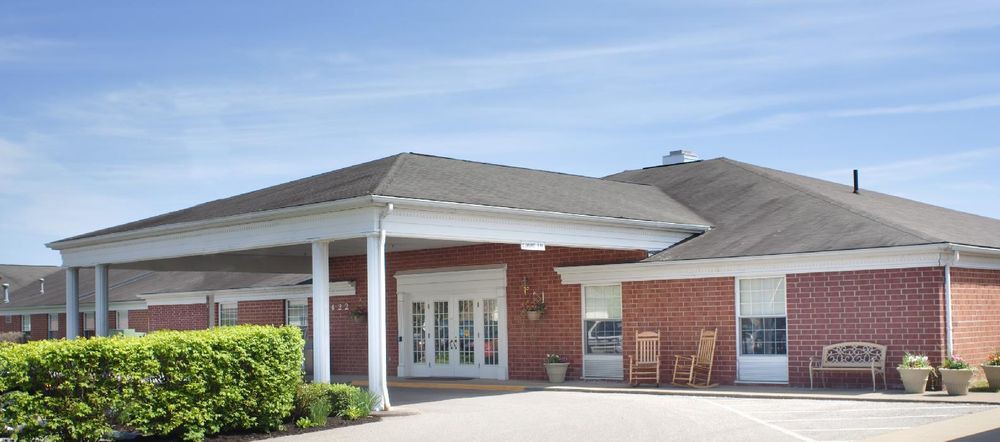
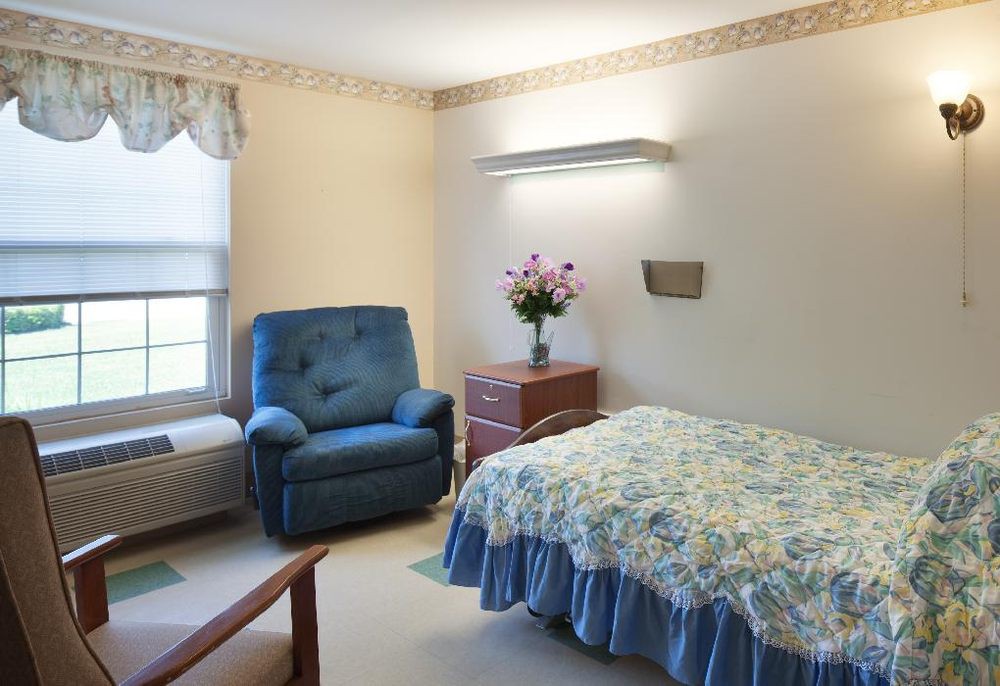
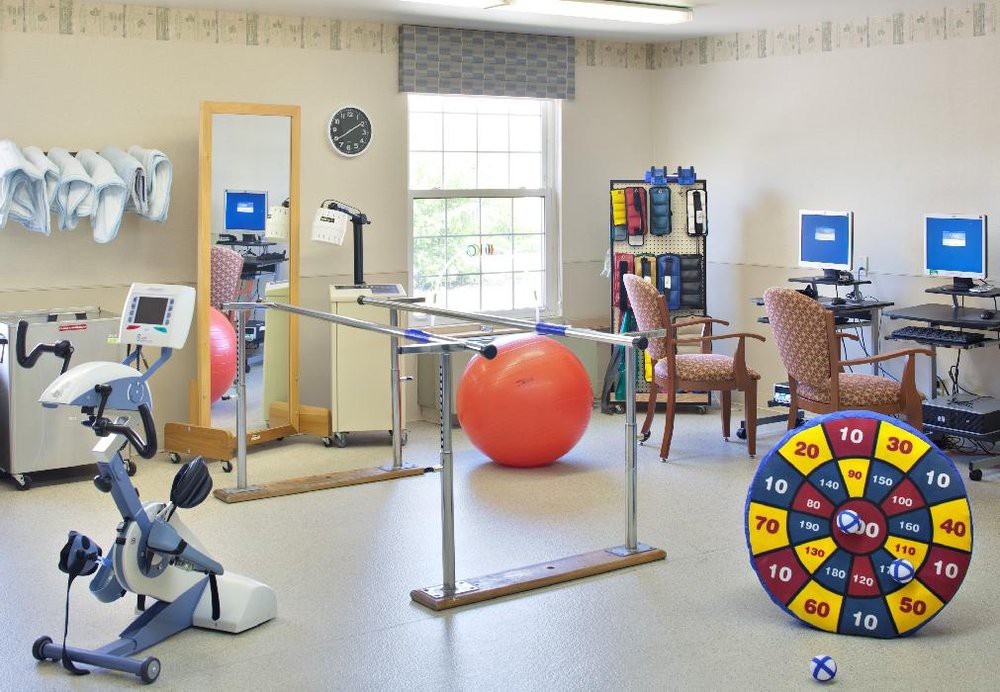
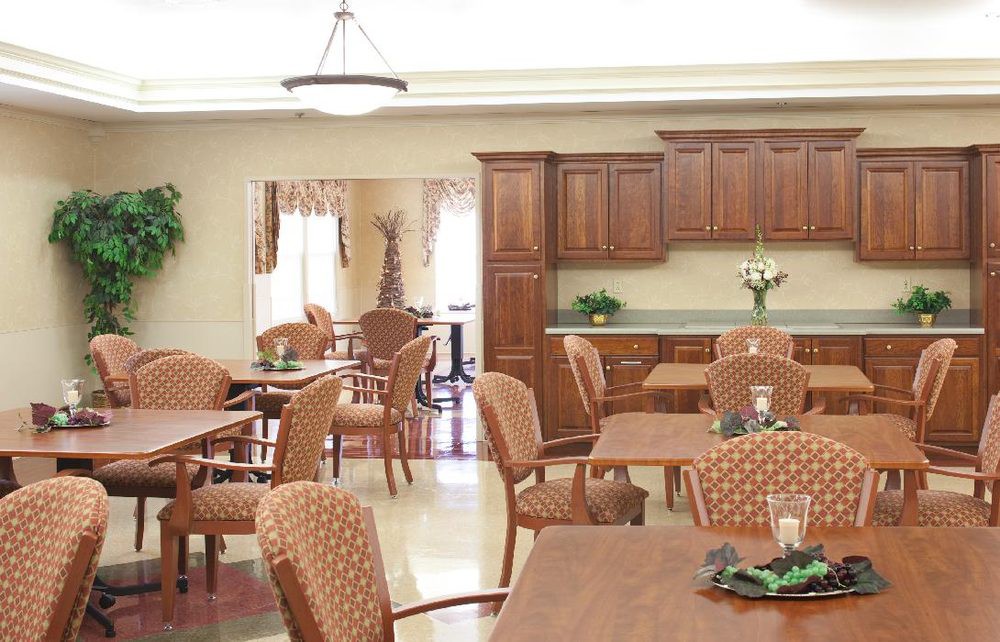
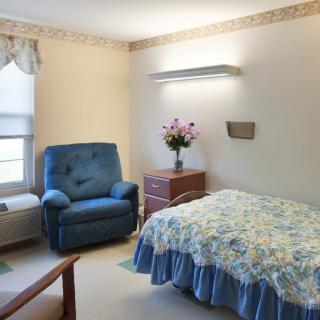
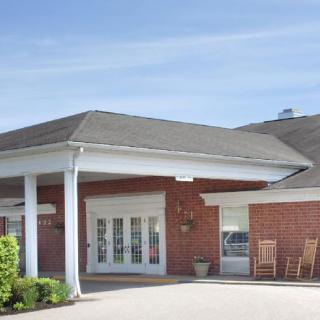
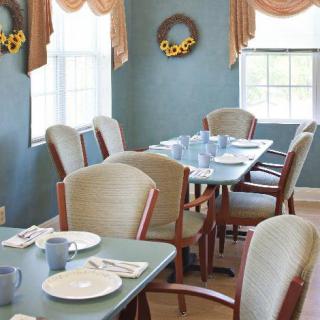
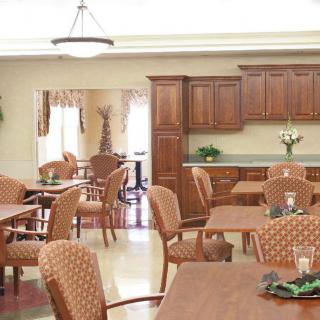
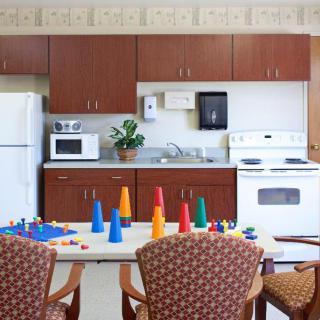
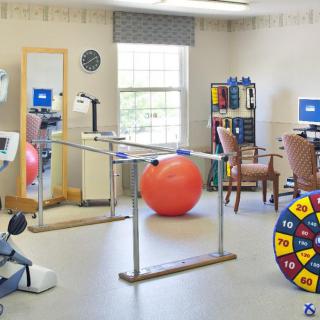
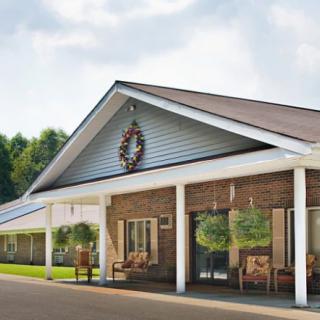
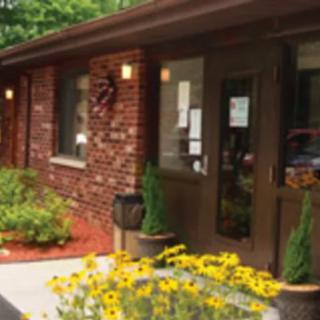
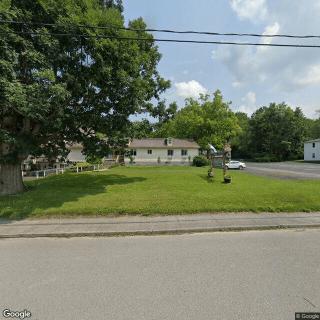
Hidden Valley Center on seniors.fyi includes 7 photos including images showing interior, bedroom, decor, dining, seating area, building, entrance, architecture, and more.
Nearby Communities
Oak Hill Place
Oak Hill, WV
4.7 from 77 reviews
$2,219 to $4,560 / month
Clean, well-maintained community with friendly staff, strong family communication, and engaging activities.
Kyle's Place
Oak Hill, WV
1 from 1 review
Comprehensive amenities and 24/7 care support with on-site dining, activities, and transportation.
Willowbay Country Homes
Oak Hill, WV
5 from 1 review
Tranquil setting with easy access to nature, healthcare, dining, and transit.
R & R Full House
Oak Hill, WV
Excellent access to healthcare, shops, and transport; peaceful environment.
Hilltop Center
Hilltop, WV
4.2 from 111 reviews
Welcoming staff and clean, home-like atmosphere with good therapy services.
Fayette Nursing And Rehabilitation Center
Fayetteville, WV
4.1 from 15 reviews
Caring staff and tasty meals
Villages At Greystone Inn
Beaver, WV
4.2 from 51 reviews
$1,971 to $2,520 / month
Caring, attentive staff; strong sense of community.
Autumn Way Assisted Living
Rupert, WV
3.9 from 9 reviews
$2,200 / month
Caring, professional staff and clean, welcoming environment.
Delirium is a rapidly onset, reversible cognitive disturbance often caused by acute medical issues, while dementia is a gradual and irreversible decline due to chronic neurodegenerative diseases. Accurate differentiation between the two is essential for appropriate treatment and management in older adults.
Dementia, including Alzheimer’s disease, is often mischaracterized in terms of lethality as it leads to complications that can be fatal rather than being a direct cause of death; it causes a progressive decline in cognitive and physical health, making patients vulnerable to infections and other health crises. Effective management of nutrition, hydration, and communication is crucial in patient care, with palliative care becoming vital in advanced stages to enhance comfort and quality of life while caregivers play a key role amidst the challenges posed by the disease.
Reminiscence therapy helps individuals with dementia recall past memories through structured discussions and meaningful objects, enhancing mood, relationships, and sense of identity while celebrating their lives. It can be practiced in formal settings or at home, requiring sensitivity to personal histories and cultural backgrounds.
Exercise Equipment, Rehabilitation, Physical Therapy, Fitness, and Therapy Room
Get PricingAsk A QuestionSchedule A TourContact Senior Advisor
By clicking submit, you agree to our Partner's Terms of Use. You
also consent to receive calls and texts, which may be autodialed, from our Partner. Your consent is not a condition to
using our Partner's service. Please visit our Partner's Privacy Policy for information about their privacy practices.

 21 resident community capacity
 Memory Care
 Skilled Nursing Facility
 Beauty salon
 Cable or satellite TV
 Dining room
 Fully furnished
 Garden
 Housekeeping services
 Kitchenette
 Move-in coordination
 Outdoor space
 Telephone
 Wi-Fi/high-speed internet available
 24-hour call system
 Activities of daily living assistance
 Assistance with bathing
 Assistance with dressing
 Assistance with transfers
 Diabetes diet
 Meal preparation and service
 Medication management
 Mental wellness program
 Special dietary restrictions
 Transportation arrangement (medical)
 Transportation to doctors appointments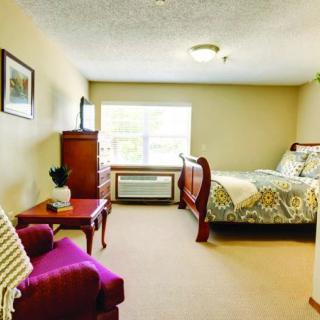
 Clean, well-maintained community with friendly staff, strong family communication, and engaging activities.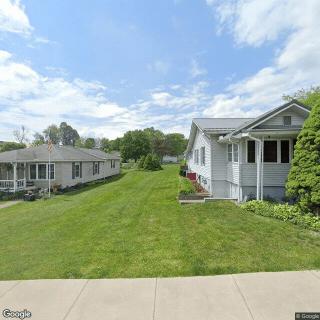

 Delirium and Dementia: Unraveling the Key Differences
 Are Dementia and Alzheimer's Disease Lethal? A Comprehensive Exploration
 Exploring the Power of Reminiscence Therapy for Individuals With Dementia