100 Hresan Boulevard, Fayetteville, WV 25840
For more information about senior living options: (866) 208-4318
Overall Review of Fayette Nursing And Rehabilitation Center
Pros
 The staff are dedicated to the love and care of all residents.
- The aunt was happy with the level of care she received.
- The staff have always responded promptly to residents' needs.
- The facility is clean and free of unpleasant odors.
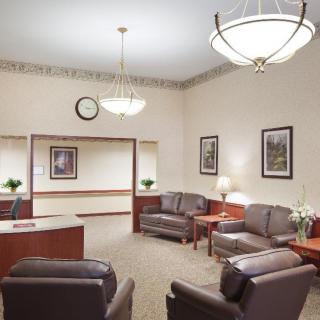
- The facility offers a calendar of activities and spaces like an activity room, a workout room, and a physical therapy room.
- The meals are great and residents receive one-on-one attention from caregivers.
- The staff are wonderful and treat residents with love and respect.
Cons
 The mother waited almost two hours for someone to help her back in bed and change a diaper, eventually asking for a potty chair to assist.
 - The reviewer recalled that Heartland (Beckley) was nasty and gross in the late 1970s.
- The facility was described as awful to send a loved one to, with a very nasty living area and poor attention to residents, and the reviewer was very unhappy with the social workers.
- The reviewer did not give all-stars, stating that nothing deserves all-stars and that everyone has issues.
Review
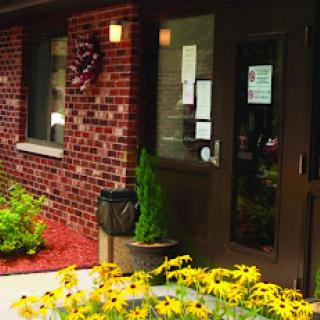
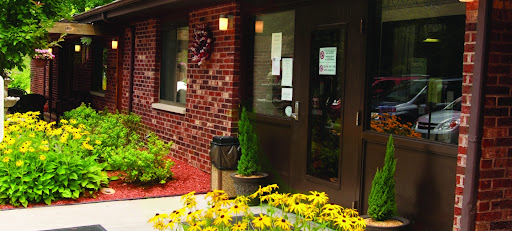
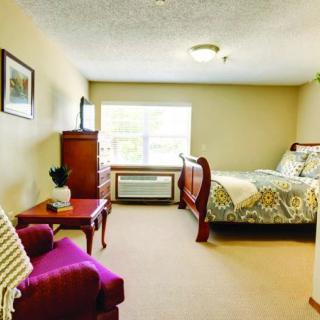
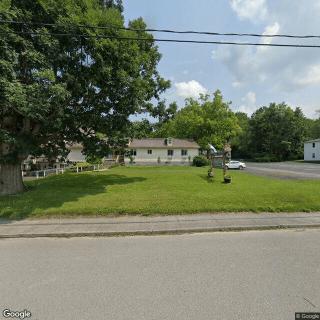
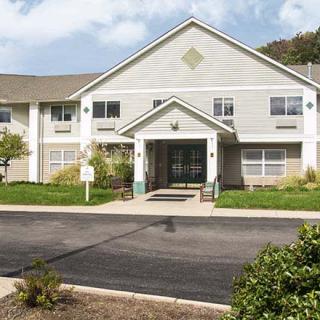
Fayette Nursing and Rehabilitation Center is best suited for families seeking a small, community-oriented setting where staff relationships with residents matter and daily life includes structured activities, modest rehab resources, and accessible personal care. The facility’s intimate footprint supports a hands-on approach: staff often know residents by name, and there is a tangible emphasis on staying active with a calendar of events, a dedicated activity room, a fitness area, and physical therapy space. For families who value personal attention, predictable routines, and the sense that staff genuinely care, this center delivers in spades. The two-bed room configuration and the facility’s compact nature can foster meaningful interactions, flexibility in scheduling assistance, and a tight-knit feel that larger campuses struggle to match.
Those weighing Fayette against alternatives should consider whether a resident’s needs demand larger accommodations, higher clinical acuity, or a setting with broader medical oversight. If a resident requires frequent, immediate help with basic tasks, or if long delays are unacceptable, one should evaluate whether a different community with more robust staffing levels and larger care teams might be a safer fit. Several reviews flag a potential mismatch between expectations and day-to-day responsiveness, including instances where help was delayed. Families should also weigh the impact of room size and ambiance; some residents report smaller, less spacious living areas, while others describe the environment as clean and well-maintained. For memory care or complex nursing needs, it is wise to compare medical capabilities and care plans across options.
On the strength side, the center earns its leverage from consistently dedicated staff, clean premises, and a respectful, person-centered approach. Several accounts praise attentive caregivers who “call for anything needed” and treat loved ones with dignity, alongside clean conditions and reliable medication administration. The facility’s emphasis on social engagement, bingo, hands-on activities, dancing, singing, and the presence of a calendar of events contribute to meaningful daily life. The availability of a workout room and a dedicated physical therapy space further supports rehabilitation and mobility goals. These operational strengths, staff commitment, cleanliness, and activity integration, often offset the limitations of a smaller setting, delivering a quality experience for residents who thrive on routine and visible, ongoing interaction.
Yet the most salient strains come from inconsistent experiences around responsiveness and environment. Some criticism centers on slow response times to basic needs, such as assistance with transfers or diaper care, which can erode trust for families when immediate help isn’t guaranteed. Others describe the living areas as “nasty” or poorly attended to, highlighting that perceived cleanliness and ambiance are not uniform across all rooms or shifts. While these concerns do not negate the care and warmth reported by many residents, they do suggest that prospective families must probe how the staff triages calls, how quickly aides respond during peak times, and what proactive steps are in place to maintain consistently high environmental standards. The contrast between glowing anecdotes and tough criticisms means outcomes depend heavily on specific staff contributions and shift coverage.
In practical terms, Fayette is a solid fit for memory care or general nursing needs within a small, engaged community where activity and personal attention are prioritized. For families prioritizing pristine isolation rooms, advanced clinical intensiveness, or large, hospital-like campuses, alternatives are likely preferable. The decision should hinge on concrete checks: request a tour focused on wait times for help, observe how aides interact during routine tasks, review room configurations and potential for private space, and speak with residents and families about daily life, meal quality, and activity variety. If a trial stay or a short-term assessment is possible, use it to test responsiveness and the consistency of the care experience across shifts. Fayette Nursing and Rehabilitation Center offers tangible strengths for the right resident, paired with clear caveats that families can address through targeted questions and careful comparison.
 60 resident community capacity
 Skilled Nursing Facility
 Air-conditioning
 Beauty salon
 Cable or satellite TV
 Computer center
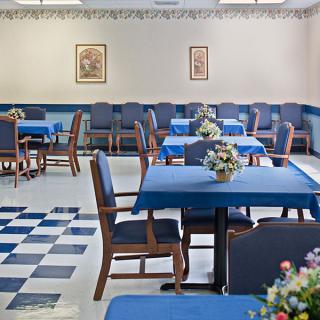
 Dining room
 Fitness room
 Fully furnished
 Gaming room
 Garden
 Housekeeping services
 Kitchenette
 Move-in coordination
 Outdoor space
 Private bathrooms
 Restaurant-style dining
 Small library
 Telephone
 Wellness center
 Wi-Fi/high-speed internet available
 Community operated transportation
 12-16 hour nursing
 24-hour call system
 Activities of daily living assistance
 Assistance with bathing
 Assistance with dressing
 Assistance with transfers
 Diabetes diet
 Medication management
 Mental wellness program
 Special dietary restrictions
 Concierge services
 Planned day trips
 Recognizing the Journey: Understanding and Navigating Anticipatory Grief
 Encouraging Participation in Adult Day Care: A Guide to Supporting a Hesitant Parent
 Comprehensive Exploration of Living Wills and Other Advance Directives