1631 Ritter Drive, PO Box 741, Daniels, WV 25832
For more information about senior living options: (866) 208-4318
Overall Review of Raleigh Center
Pros
 The facility is described as an awesome nursing/rehab facility with amazing care.
- The staff, including the janitorial service and administrator Keith, are dedicated to residents.
- Residents are well cared for, as shown by consistent attention during visits.
- The staff seem to enjoy their jobs and prioritize resident care.
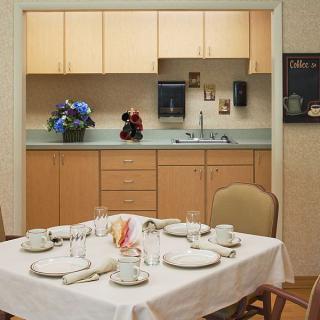
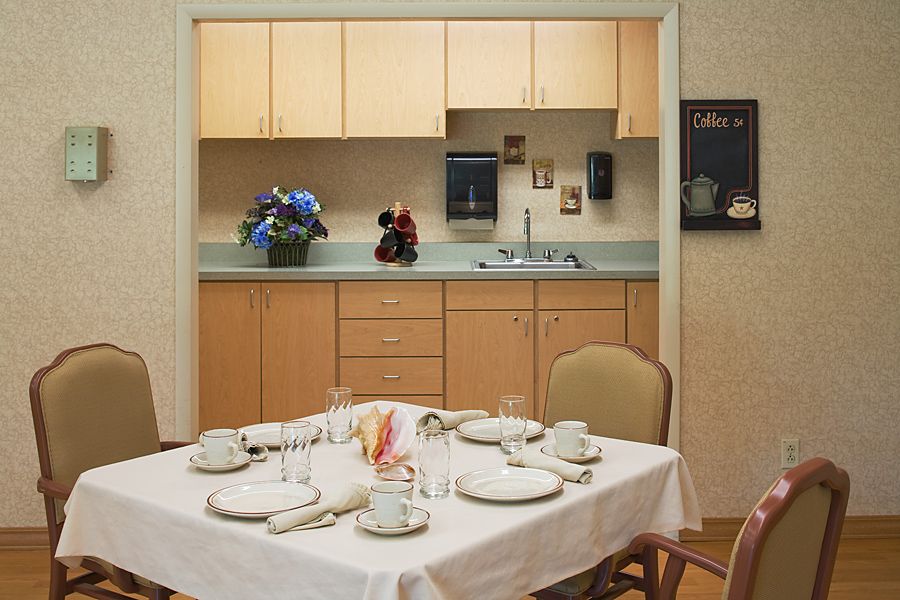
- The facility is exceptionally clean, with carpets shampooed several times a week and the dining room scrubbed and reset after each meal.
- Rooms are cleaned daily, contributing to a well-maintained environment.
- Any issues are quickly addressed, with praise for Keith and his staff.
Cons
 Sometimes issues arise as in any place, but they are quickly dealt with.
Review
Raleigh Center in Daniels, WV is best suited for seniors who need ongoing skilled nursing and rehabilitation care, and for families seeking a dependable, closely supervised environment when home isn’t an option. The care culture across the two favorable reviews is clear: a team that shows up consistently, with housekeeping, nursing, and administration operating in concert around residents’ needs. The atmosphere supports long stays, with visible pride in the work from staff and a willingness to engage families who visit daily. For those navigating post-hospital recovery or long-term skilled nursing, this center offers a practical, steady home base where the day-to-day operation is predictable and resident-centered.
Those who should consider alternatives are those prioritizing lighter assisted living, independent living, or highly specialized memory-care environments. If the primary need is a less clinical vibe, fewer medical overlays, or a setting explicitly designed for memory support, other communities may be a better fit. Location and cost will naturally factor in, but the core takeaway is that Raleigh Center excels as a nursing/rehab-focused operation rather than as a broad-spectrum, lifestyle-oriented option. Families should evaluate options that foreground memory care or independence if those are non-negotiables.
The strongest pros here are tangible: an exceptionally clean environment, with carpet care, scrubbed dining spaces, and daily room upkeep that create a consistently fresh feel. Staff come across as engaged and motivated, with a sense that their work is meaningful and resident-focused. Leadership is palpable through the praise directed at Keith, the administrator, whose presence and responsiveness appear to translate into reliable issue resolution and visible accountability. The programmatic side reinforces the care model: residents participate in daily activities, and the facility hosts visitors such as religious speakers and program volunteers, which helps sustain social connectedness and a sense of community.
Where the occasional snag is acknowledged, the offset is decisive. The reviews concede that “issues arise” as they do in any care setting, but emphasize rapid handling and clear communication as the norm rather than the exception. This dynamic matters: timely problem-solving and open channels with leadership keep minor conflicts from eroding trust. Cleanliness, steady staffing, and a robust activity calendar work in tandem to reduce boredom and anxiety, making the quality of daily life a real differentiator. In practical terms, the pros, policy-driven cleanliness, dependable care, and active resident life, substantially counterbalance the modest downside of occasional hiccups.
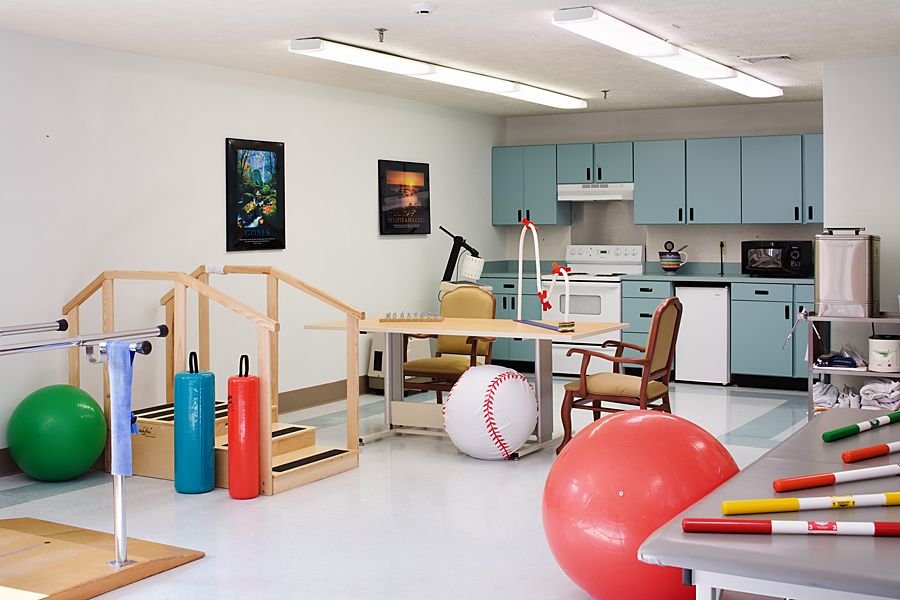
From a practical standpoint, families should use tours to assess three things: the accessibility of leadership for ongoing questions, the consistency of staff interactions with residents, and the robustness of rehab or nursing programs relative to immediate needs. Inquire about care planning, daily routines, and how activities are tailored to individual interests. The presence of a strong administrator whose team feels accountable tends to correlate with fewer disruptions and smoother communication with families. The overall impression should be one of a well-oiled, resident-first operation where high standards manifest in tangible daily routines, rather than a glossy veneer with limited substance behind it.
The bottom-line verdict is clear: Raleigh Center is a practical, experienced choice for families needing skilled nursing and rehab in the Daniels corridor. It excels for residents who thrive on structure, predictable oversight, and regular social engagement, backed by a leadership team that demonstrates accountability and accessibility. The main caveat is the lack of explicit emphasis on memory-specific care or a lighter assisted-living model, which means alternatives are worth exploring if those exact formats are the priority. For the target demographic, long-term skilled nursing and rehab with a strong care culture, Raleigh Center stands out as a reliable, confidence-inspiring option that consistently delivers on care, cleanliness, and daily life.
 21 resident community capacity
 Studio apartments
 Memory Care
 Skilled Nursing Facility
 Beauty salon
 Cable or satellite TV
 Dining room
 Fully furnished
 Garden
 Housekeeping services
 Kitchenette
 Laundry
 Move-in coordination
 Outdoor space
 Respite or short term stays offered
 Telephone
 Wi-Fi/high-speed internet available
 24-hour call system
 Activities of daily living assistance
 Assistance with bathing
 Assistance with dressing
 Assistance with transfers
 Diabetes diet
 Meal preparation and service
 Medication management
 Mental wellness program
 Special dietary restrictions
 Transportation arrangement (medical)
 Transportation to doctors appointments
 English
 Why Do Dementia Patients Sleep So Much? Understanding Oversleeping, Stages, and Care Approaches
 8 Key Indicators That Suggest It May Be Time to Transition from Assisted Living to Skilled Nursing Care
 Nourishing the Mind: Essential Dietary Approaches for Dementia