
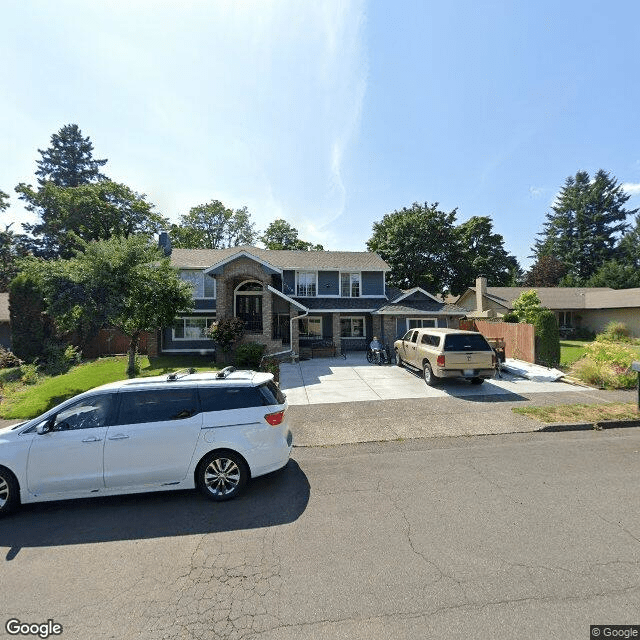
2108 SE 146 Ave, Vancouver, WA 98683
To contact a resident: (360) 253-6739
For more information about senior living options: (866) 208-4318
Overall Review of Viorica-s House of Care
Pros
 The caregivers provide warm, compassionate, and competent care and treat residents like family.
- The home is bright, clean, and feel like a welcoming, safe, home-like environment.
- Victoria and Nick are professional, caring, and attentive, with clear, consistent communication.
- Medication management and medical monitoring are excellent, contributing to residents’ comfort and safety.
- Families experience peace of mind and highly recommend Victoria’s Loving Care.
- The facility offers beautiful surroundings, good meals, and attentive personal grooming and cleanliness.
- The team handles challenges with practical, gentle solutions and deep dedication to their “family” of residents.
Cons
 The mother could be very set in her ways.
- The mother had a few days when she was awful.
Review
Viorica-s House of Care in Vancouver, WA is best suited for families seeking a small, home-like assisted living environment where every resident is treated as family and care is deeply personal. This community shines for those who value warmth, constant caregiver presence, and clear, proactive communication with loved ones and medical professionals. The setting itself, bright, cheery, immaculately clean, with a steady, hands-on caregiver team, creates the sense that a person is not just housed but nurtured. It is particularly strong for families navigating transitions, state benefits, and end-of-life planning, where a steady hand and compassionate guidance can make a difficult process feel manageable.
Those who should consider alternatives are families whose loved one requires a higher level of clinical complexity or specialized memory-care infrastructure. A small, home-based model may not be the best fit for residents who need intensive medical equipment on-site, frequent hospital-level monitoring, or a formal memory-care program designed around dementia-specific needs. If a resident benefits most from a large campus with structured activities, broader social programming, or on-site nursing beyond what a family-style home can sustain, it is prudent to explore other options. Similarly, families with expectations of a purely clinical setting or a highly segmented, hospital-like routine might find larger facilities more aligned with their standards.
The core strengths of this community, exceptional attentiveness, meticulous cleanliness, and a truly home-like atmosphere, largely offset the absence of a larger, more impersonal facility. Caregivers are described as 24-hour, dependable, and deeply involved, which minimizes the sense of abandonment that can accompany transitions into care. The staff’s ability to handle nutrition, comfort, and medical monitoring with consistent, respectful communication reduces the stress on families and helps residents stay comfortable. The practical navigation of state benefits and the seamless coordination with doctors and health professionals are practical advantages that soften the trade-off of choosing a smaller home over a bigger campus.
The qualitative experiences documented by families reinforce how these pros translate into tangible peace of mind. One resident’s hospice journey spanned months, with care that remained compassionate and professional to the end, including practical touches like grooming and routine hygiene that reflect holistic attention. The cleanliness of living spaces, the warmth of interactions, and the availability of daily care, meals that smell inviting, rooms that feel safe, consistently appear as evidence of a high-capacity, family-first operation. In multiple accounts, Victoria and Nick emerge as trusted anchors, providing stability, clear explanations, and a sense of familiarity that eases the pain of loss for loved ones.
Decision-making guidance follows a straightforward logic: if the priority is a proven, loving, family-centered care environment with strong guardianship over medical and daily living needs, this house represents a compelling choice. It delivers peace of mind through consistent staffing, attentiveness to personal dignity, and transparent communication with families and your loved one’s medical team. If the situation calls for a more formal clinical setting, or if specialized memory-care design and campus-based activities are non-negotiable, alternatives should be weighed carefully. In short, this community excels when emotional support, thoughtful daily care, and home-like comfort are the primary criteria.
For families considering a placement in Vancouver, the actionable next steps are practical and focused. Arrange a firsthand visit to observe the living environment, meet Victoria, Nick, and the care team, and review how daily routines, meals, and grooming services are organized. Ask to hear real-world examples of how medical coordination works, including medication management and communications with the resident’s doctor. Request a candid discussion about anticipated needs, end-of-life preferences, and how state benefits are navigated in practice. Finally, speak with current or former residents’ families to understand what a typical day feels like and how the house handles emergencies, long-term stays, and transitions to hospice if needed.
 Board and Care Home
 Memory Care
 Portland International (4 miles away)







 When Dementia Sparks Anger and Aggression: Understanding the Connection and Ways to Cope
 Dementia Behaviors: In-Depth Understanding and Effective Coping Strategies
 5 Early Indicators of Dementia and What You Can Do