
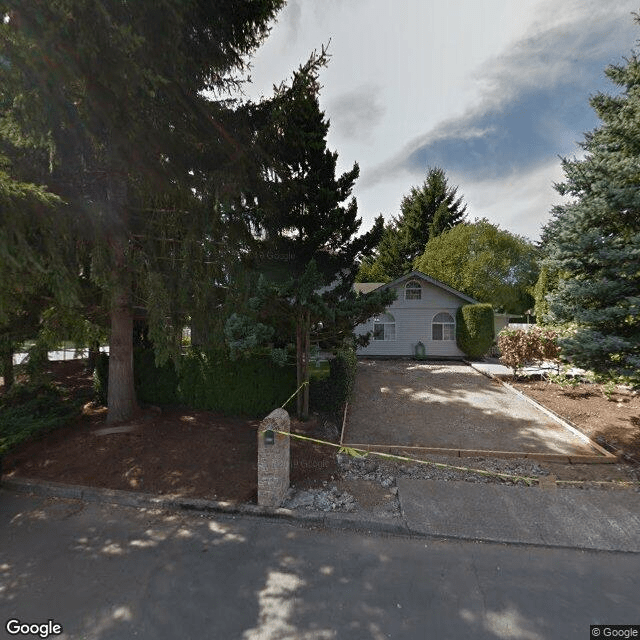
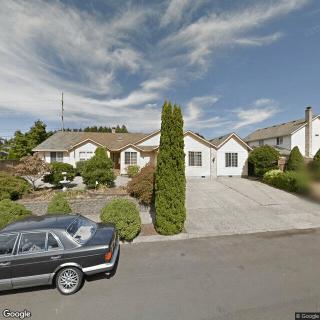
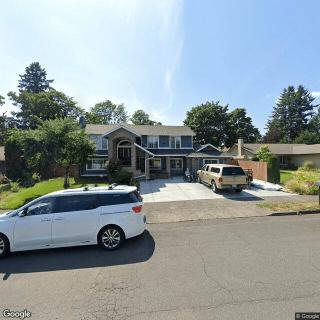
1114 Southeast 144th Court, Vancouver, WA 98683
To contact a resident: (360) 891-4430
For more information about senior living options: (866) 208-4318
Gentle Hands Adult Family Home Costs & Pricing
Gentle Hands Adult Family Home offers a competitive pricing structure for its residents, with all room types - including private, semi-private, studio, and one-bedroom options - set at $7,000 per month. This pricing stands in stark contrast to the average costs within Clark County and the broader state of Washington. For instance, private rooms in the county average $3,992 and statewide $4,772; similarly, semi-private rooms are priced at $3,897 locally and $4,267 statewide. Even studio apartments and one-bedroom units exceed local averages significantly. While Gentle Hands provides a premium experience that may justify its costs through dedicated care and amenities, potential clients should consider how these rates measure up against both county and state averages when making their decisions.
| Floor plans | Gentle Hands Adult Family Home | Clark County | Washington |
|---|---|---|---|
| Private | $7,000 | $3,992 | $4,774 |
| Semi-Private | $7,000 | $3,897 | $4,272 |
| Studio | $7,000 | $3,882 | $4,128 |
| 1 Bedroom | $7,000 | $4,178 | $4,634 |
Memory care communities with a similar price nearby
-
from -$1000 / mo
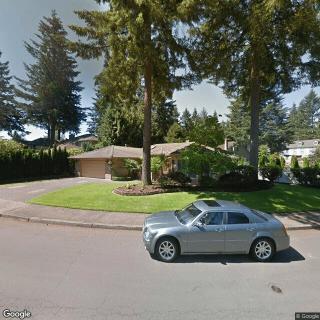
Magnolia Gardens Senior Care Home
$6,000 / month2.1 miles away -
from +$829 / mo
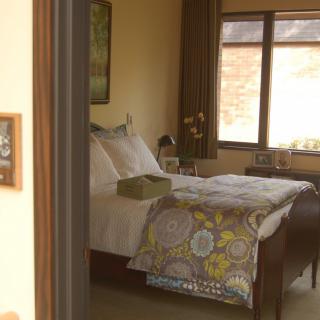
Maryville Memory Care
$7,829 to $8,559 / month17.0 miles away -
from -$860 / mo
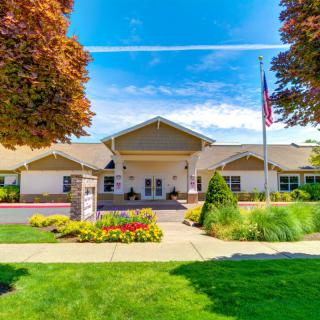
Rosewood Memory Care
$6,140 to $6,585 / month20.4 miles away -
from -$950 / mo

The Cottages Senior Living
$6,050 to $6,300 / month7.5 miles away -
About the same
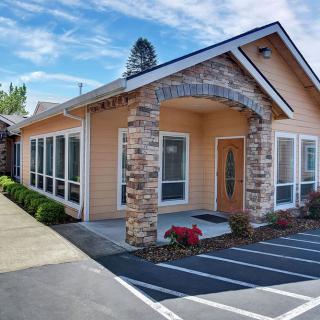
Tabor Crest 1
$7,000 / month8.0 miles away
Overall Review of Gentle Hands Adult Family Home
Pros
 The home was lovely.
- The host was a nice lady.
- They were fed lunch.
- They appreciated the effort with vegetarian meals.
- They would recommend Gentle Hands to other families.
Cons
 There were no activities beyond watching TV.
- The staff were not familiar with vegetarian meals.
- There seemed to be little time to plan activities due to their workload.
Review
Gentle Hands Adult Family Home in Vancouver, Washington, is best suited for seniors who want a small, home‑style setting with highly personalized, hands‑on care provided by a dedicated owner and her son. It appeals to families seeking a warm, residential atmosphere and a stable, predictable routine over the ambience of a larger, impersonal facility. Residents who are relatively independent day to day and comfortable with a quiet calendar will feel most at ease here, where care comes with a intimate, caregiver‑pair dynamic rather than a large staff structure.
Those weighing alternatives should note who may want to look elsewhere. The home’s two‑person caregiving model can struggle to sustain robust programming or round‑the‑clock availability, so seniors who crave frequent social activities, a full day‑to‑day activity calendar, or ready access to on‑site clinical oversight may be better served by a larger assisted living with more staff and scheduled programming. Dietary variety also surfaced as a concern, vegetarian meals are being refined, so families wanting broad, consistently varied menus may prefer communities with dedicated dietary staff and more culinary options. For residents requiring intensive medical management or continuous monitoring, a setting with on‑site clinicians will typically outperform this intimate home.
On the upside, the strongest advantages are tangible and meaningful. The environment feels genuinely like a home, with the owner and her son actively involved in daily life, supervision, and decision‑making. That direct oversight can translate into quick responsiveness, personalized routines, and a sense that the care plan is tailored to individual tastes and needs. The effort to accommodate vegetarian meals signals a real willingness to adapt, which matters to families negotiating dietary restrictions. In a setting where trust and continuity matter, the comfort of familiar faces and consistent caregivers can offset the lack of a broader activity slate for residents who value stability over variety.
The primary drawbacks are real and affect day‑to‑day satisfaction. Activity options tend to be limited, with entertainment often centered around television rather than structured group programs or outings. The two‑caregiver model can become stretched, especially when contingencies arise, potentially reducing opportunities for social engagement and timely activities. Meal planning, while thoughtful, may not deliver the breadth found in larger communities, and the vegetarian initiative remains a work in progress. Medical oversight is not onsite, placing more responsibility on family involvement or external providers, which can be a mismatch for residents with higher or changing care demands.
Nevertheless, the pros can be leveraged to mitigate the cons through proactive planning. Families that embrace a partnership approach, supplementing the home environment with regular family visits, occasional in‑home volunteers, or curated local outings, often find a balanced fit here. The compact, predictable setting can yield dependable routines, easier communication, and a sense of security that large campuses sometimes struggle to provide. Prospective residents should seek clarity on how activity planning is handled, what the weekend schedule looks like, and how dietary preferences are tracked and updated. Verifying the night and weekend staffing plan and confirming a clear medication and emergency protocol will also help families assess risk versus reward.
Bottom line: Gentle Hands Adult Family Home excels at warmth, personal attention, and a true home atmosphere that suits seniors who prize quiet, predictable days and close caregiver bonds. It may not be the right choice for those seeking vibrant daily programming, broad social opportunities, or continuous clinical oversight under one roof. For the right resident, and with a proactive plan to supplement activities and refine meals, the setting offers a trustworthy, comforting option in Vancouver that many families will find preferable to a more institutional alternative.
 Board and Care Home
 Memory Care
 Activities off-site
 Air-conditioning
 Bath tubs
 Beautician on-site
 Cable or satellite TV
 Devotional services off-site
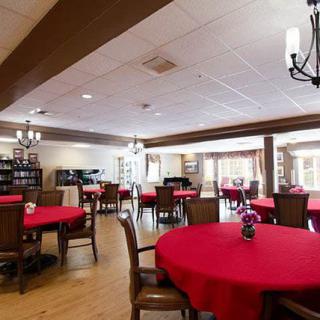
 Indoor common areas
 Outdoor common areas
 Private
 Private bathrooms
 Respite or short term stays offered
 Wheelchair accessible showers
 Wi-Fi/high-speed internet available
 Portland International (4 miles away)
 Diabetic care
 High acuity care
 Incontinence care
 Medication management
 Gluten-free
 BBQs or picnics
 Birthday parties
 Christian services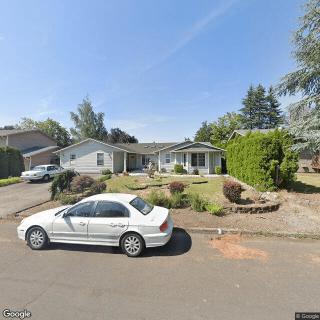

 Nourishing the Mind: Essential Dietary Approaches for Dementia
 Understanding Dementia Behaviors: Practical Insights and Strategies for Caregivers
 When Dementia Sparks Anger and Aggression: Understanding the Connection and Ways to Cope