
10929 SE Evergreen Hwy, Vancouver, WA 98664
To contact a resident: (360) 600-9747
For more information about senior living options: (866) 208-4318
Evergreen Senior Living Costs & Pricing
Evergreen Senior Living offers a range of private room options with monthly costs varying from $3,400 to $7,000. When compared to the broader market in Clark County and the state of Washington, Evergreen's pricing is competitive. The average monthly cost in Clark County stands at approximately $3,992, while across Washington State it rises to around $4,772. This indicates that Evergreen Senior Living provides an affordable alternative for those seeking quality senior care that aligns well with local market trends while also catering to varied budgets and preferences.
| Floor plans | Evergreen Senior Living | Clark County | Washington |
|---|---|---|---|
| Private | $3,400 to $7,000 | $3,992 | $4,774 |
Memory care communities with a similar price nearby
-
About the same
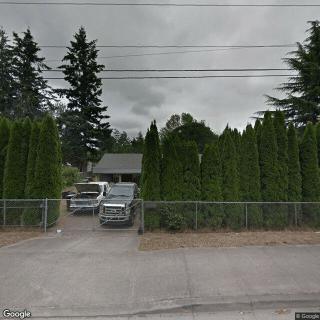
American Living Adult Family Home LLC
$3,500 / month5.2 miles away -
from -$400 / mo
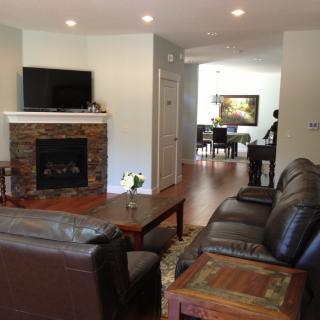
Elder Garden Care Home, LLC
$3,000 / month7.5 miles away -
About the same
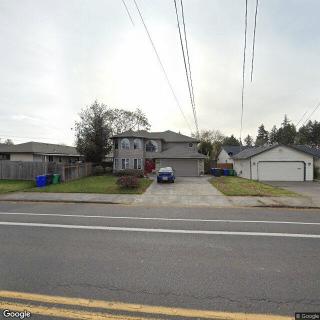
Northwest Home Health
$3,500 to $3,700 / month9.0 miles away -
from -$400 / mo
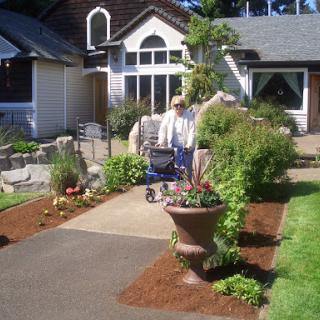
Rivercrest Adult Care
$3,000 to $3,700 / month18.4 miles away -
from +$600 / mo
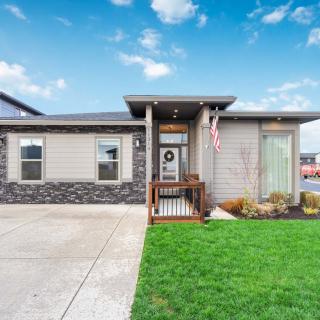
The Finest Care AFH, LLC
$4,000 to $5,500 / month3.5 miles away
Overall Review of Evergreen Senior Living
Pros
 The address is correct.
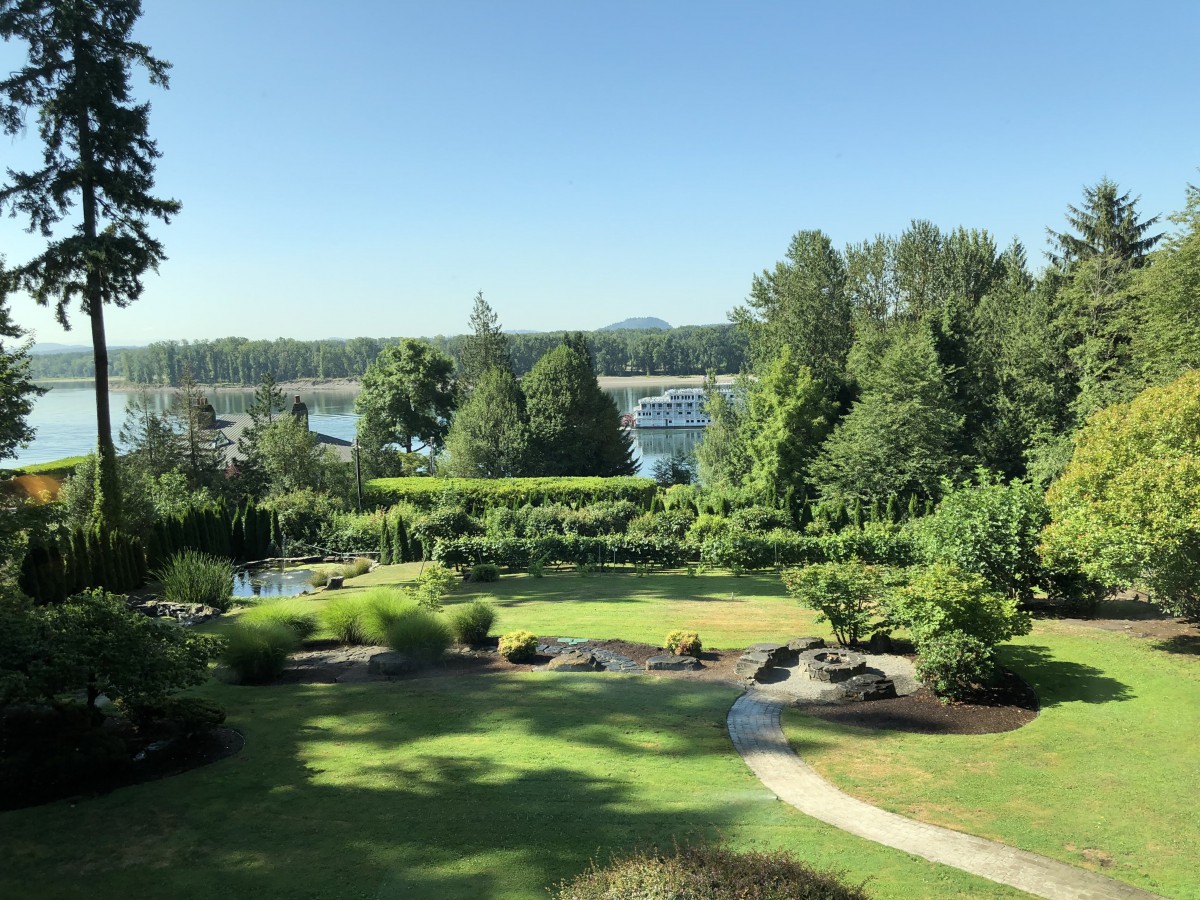
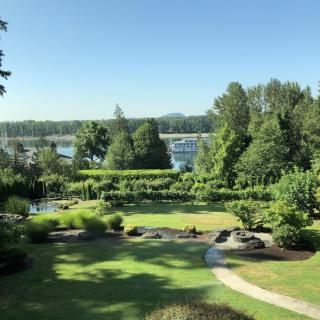
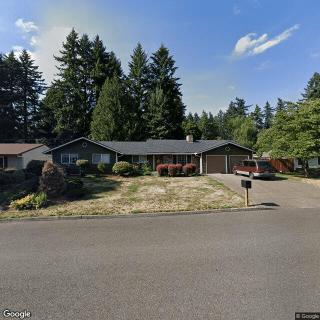
- The home on Old Evergreen Hwy in SE Vancouver offers beautiful views of the river.
Cons
 The location shown on the map is wrong.
Review
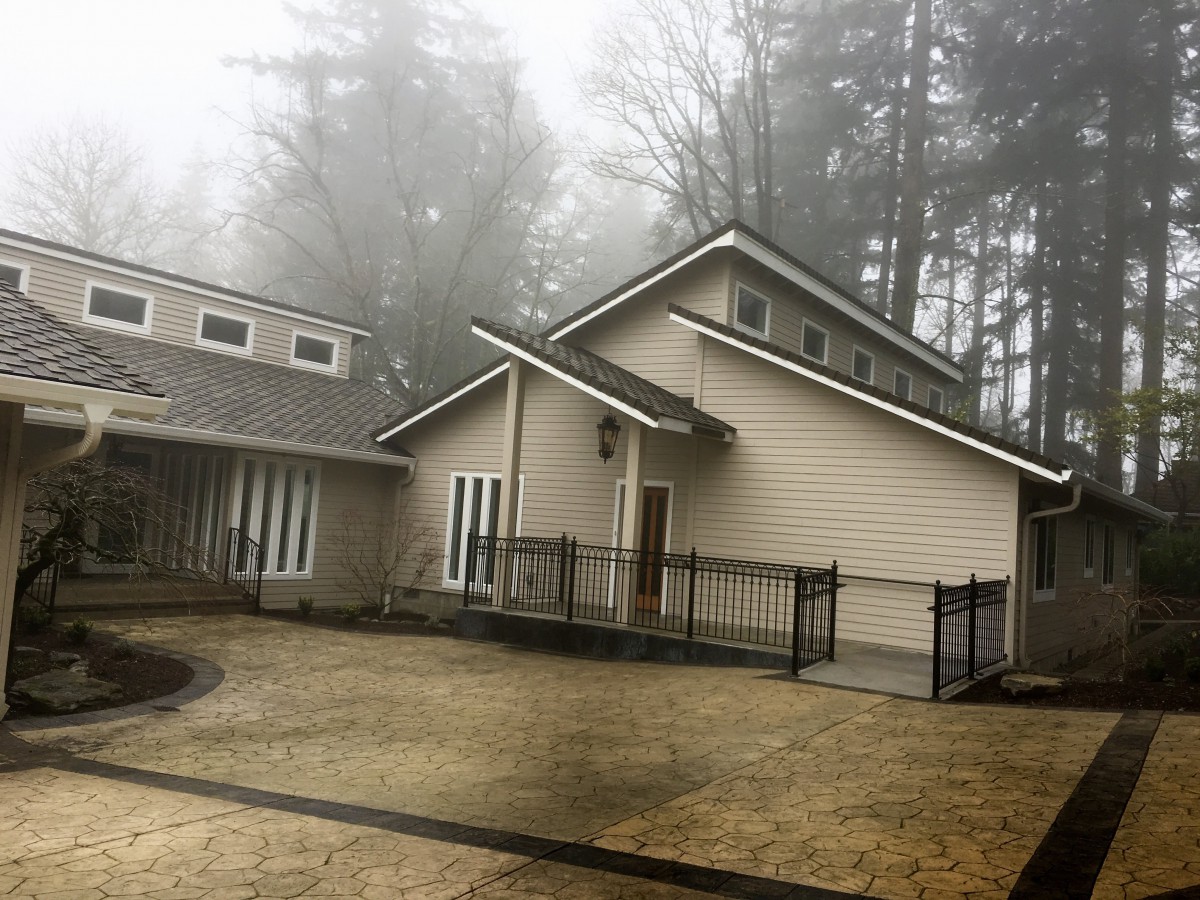
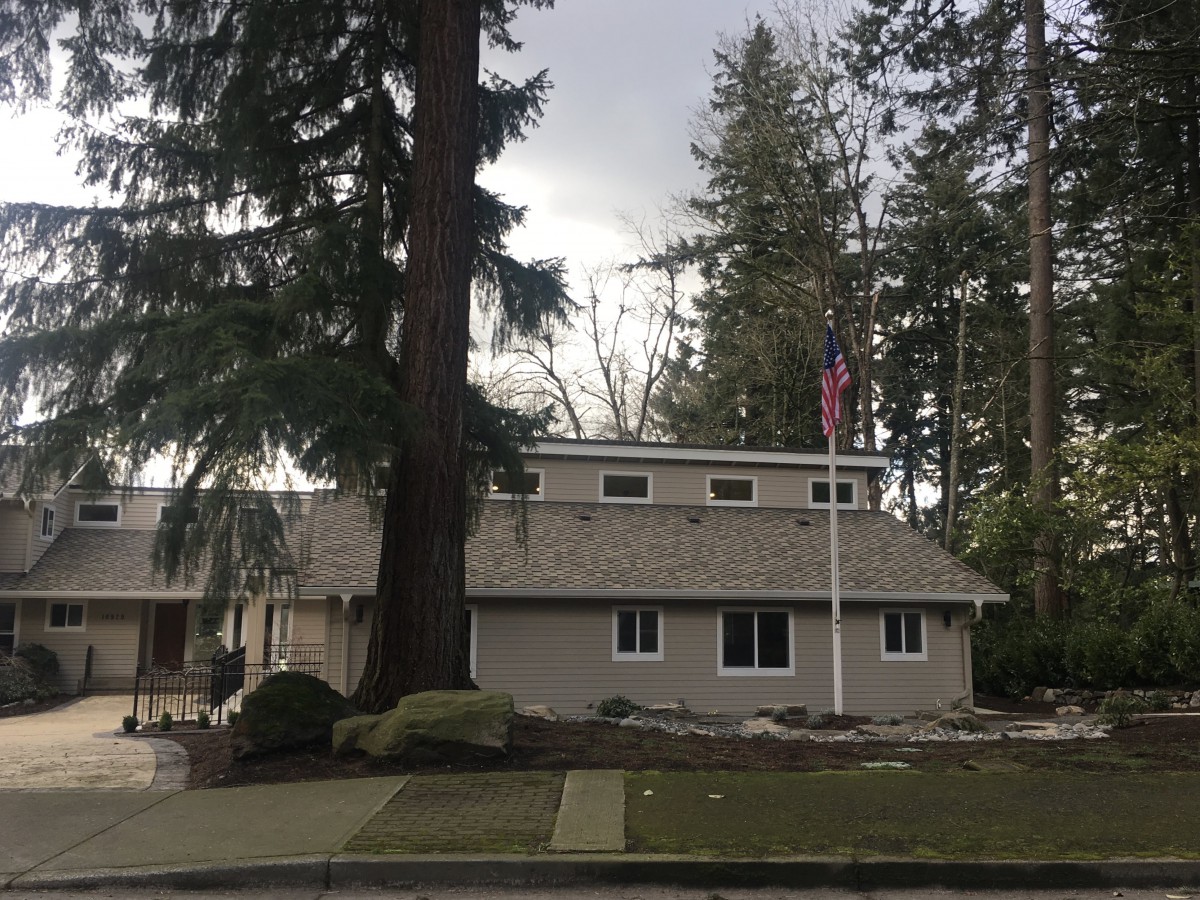
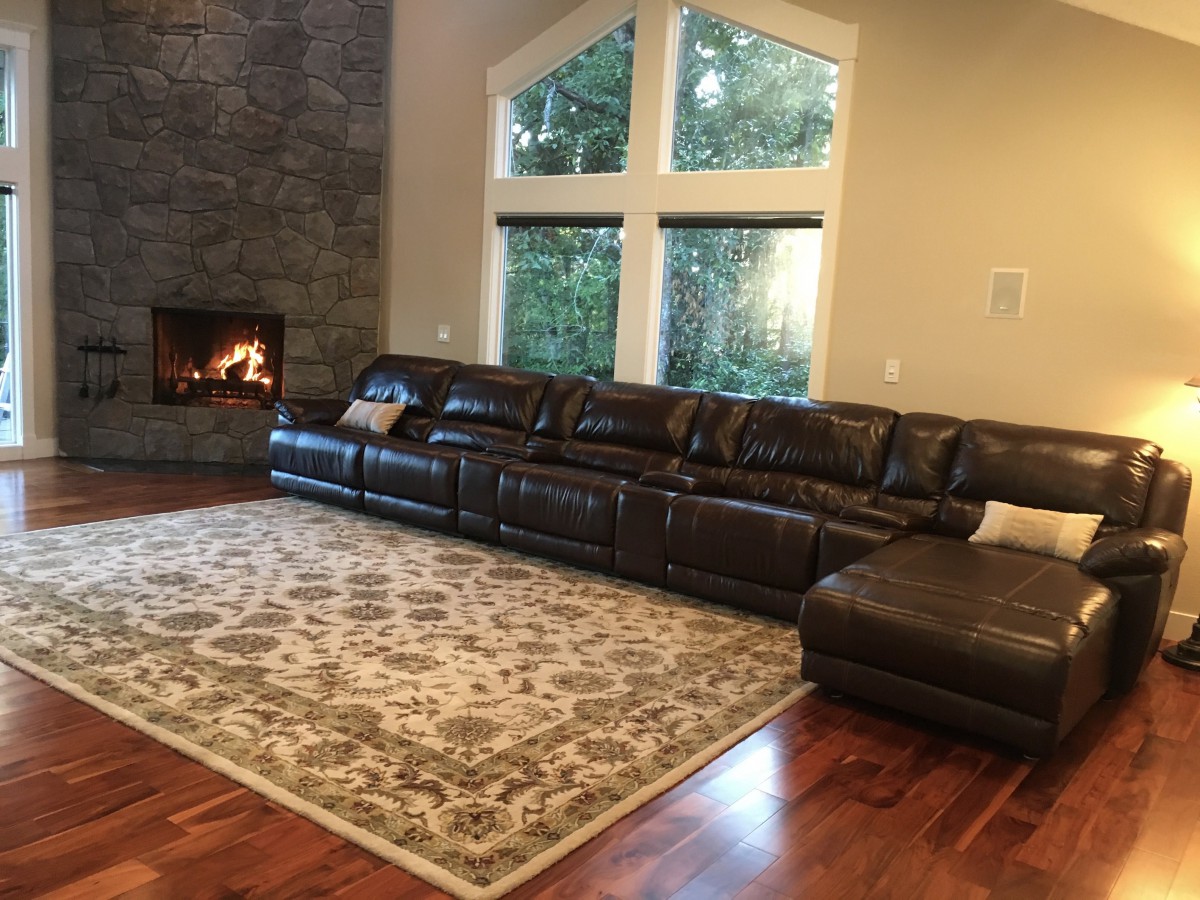
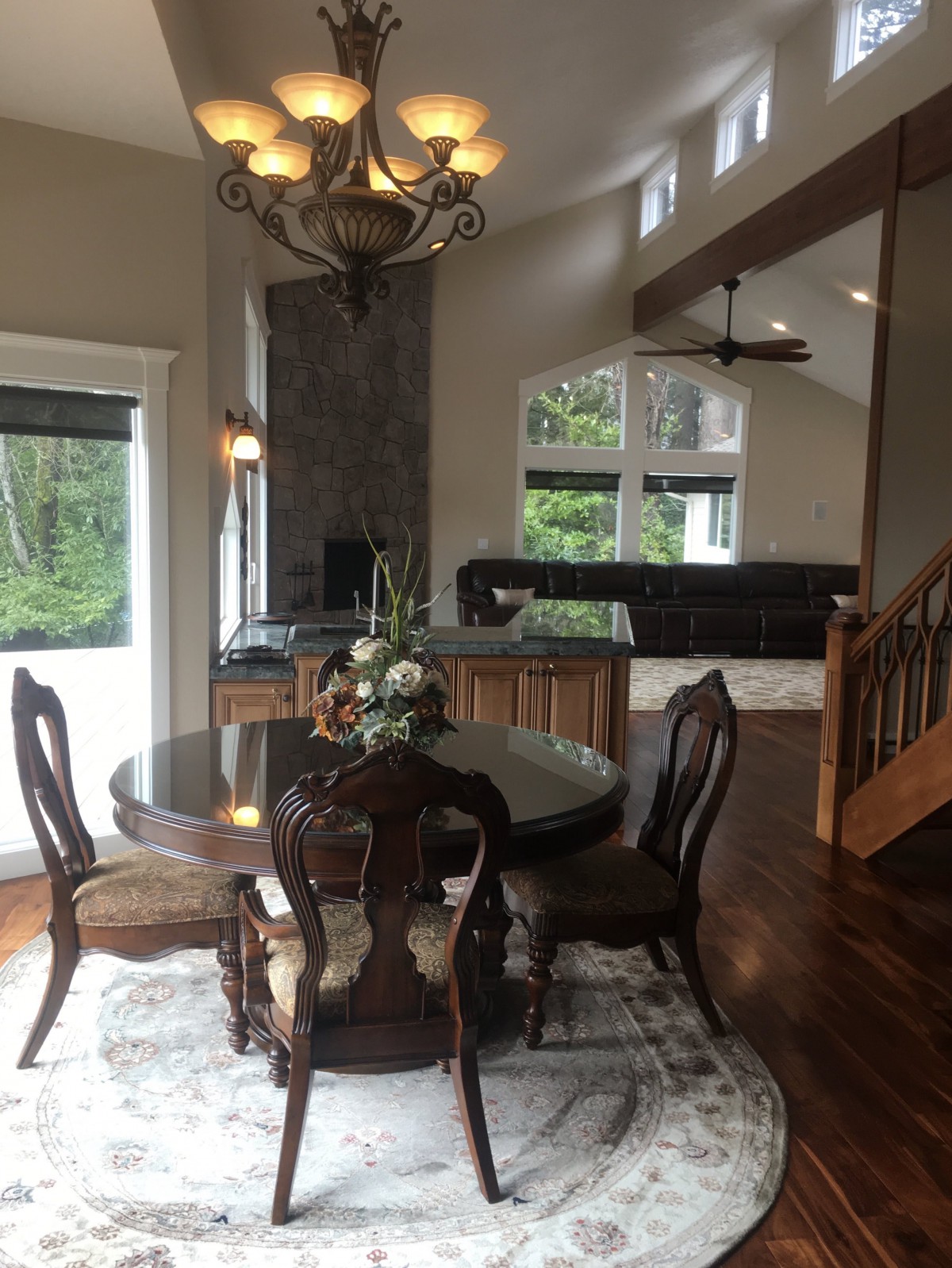
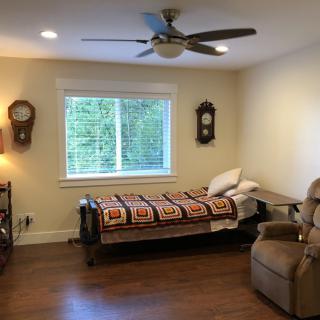
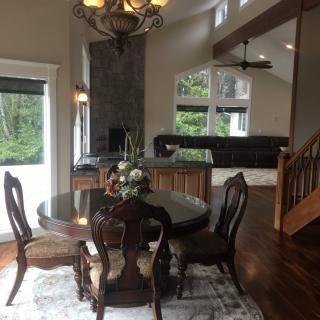
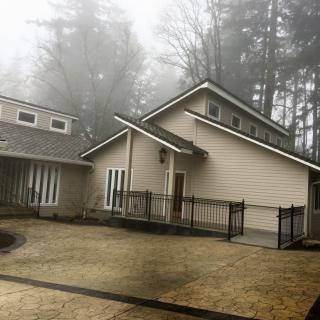
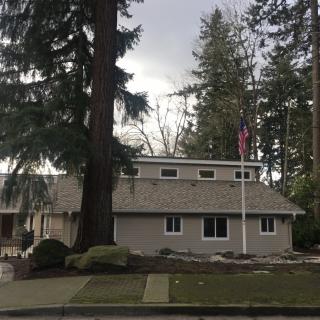
Evergreen Senior Living in Vancouver, WA is best suited for seniors who prize a quiet, homelike atmosphere with scenic river views and a setting that feels tucked into a residential neighborhood rather than a large campus. The property sits along Old Evergreen Highway in SE Vancouver, offering natural beauty and a sense of privacy that can support relaxed days and meaningful connections with caregivers in a smaller, more intimate environment. The single-home vibe is part of its appeal for residents who value personalized attention and fewer crowds, and one reviewer highlights the striking river views as a memorable backdrop to daily life.
Those who should consider alternatives are families prioritizing robust, campus-style amenities and highly visible navigation. If certainty about precise directions or signage is essential, Evergreen’s map labeling issue may pose recurring headaches for family visits, deliveries, and emergency responders. For residents who require a broad continuum of care, extensive on-site programming, frequent skilled nursing support, or easy access to multiple medical providers, a larger community with clearly defined zones and more predictable service lines could be a safer fit. In short, a need for strongly established infrastructure and a busy activity calendar points toward other options.
The strongest pros center on location and atmosphere. The river-view setting and SE Vancouver address confer a sense of serenity that can reduce stress and promote well-being, especially for residents who thrive on natural light, outdoor vistas, and a calmer daily rhythm. A smaller, home-like environment can translate into flexible routines, more individualized attention from staff, and opportunities for residents to shape their days around preferred activities rather than adhering to a rigid schedule. For caregivers and family members, these attributes often translate into clearer lines of communication and a perception of safer, more familiar care in a modest scale.
The main cons, as indicated by the available information, revolve around transparency and scale rather than care quality per se. The map discrepancy can complicate first visits and ongoing logistics, creating friction for families who rely on precise, easy navigation. Beyond that, there is limited information about the breadth of care offerings, programming breadth, dining options, transportation services, or staffing patterns. Without a robust outline of what is available on a day-to-day basis, it becomes harder to gauge whether Evergreen can consistently meet evolving needs, especially for residents who anticipate changes in mobility, memory support, or social engagement.
Yet the pros can offset these cons for the right resident. A serene, intimate setting with individualized attention often translates into a higher level of daily satisfaction, particularly for someone who values predictability, personal touches, and a quieter social scene. If the resident’s priorities align with a picturesque, low-stimulus environment and the care plan is customizable within a smaller team, Evergreen can deliver a sense of belonging and safety that larger campuses sometimes struggle to replicate. The offset is strongest when families verify concrete details about staff availability, care services, and how the home handles changes in care needs as they arise.
The practical next steps are decisive. Prospective residents should plan a face-to-face visit to assess whether the homelike culture feels right and to confirm the actual scope of services offered on-site. Direct questions should cover daily care options, staffing ratios, meal service, activity programming, transportation, and the process for adjusting care plans. It is essential to confirm the exact services included for assisted living, any memory care supports, and what happens if higher levels of care become necessary. Finally, verify signage, get precise directions, and request a recent, written overview of amenities and policies to avoid future navigational or logistical surprises.
In sum, Evergreen Senior Living embodies a quiet, scenic option that rewards residents who value a personalized, intimate setting over campus-scale amenities. For families seeking a serene, river-view home where care feels individualized and flexible, this community warrants careful consideration and a direct tour. For those who need a high-visibility campus, extensive programming, or easier navigation for frequent visits, exploring other options may save time and reduce future care coordination challenges. The right choice will hinge on aligning the resident’s care needs, lifestyle preferences, and practical realities of getting there.
 Board and Care Home
 Memory Care
 Activities on-site
 Air-conditioning
 Cable or satellite TV
 Devotional services on-site
 Garden view
 Ground floor units
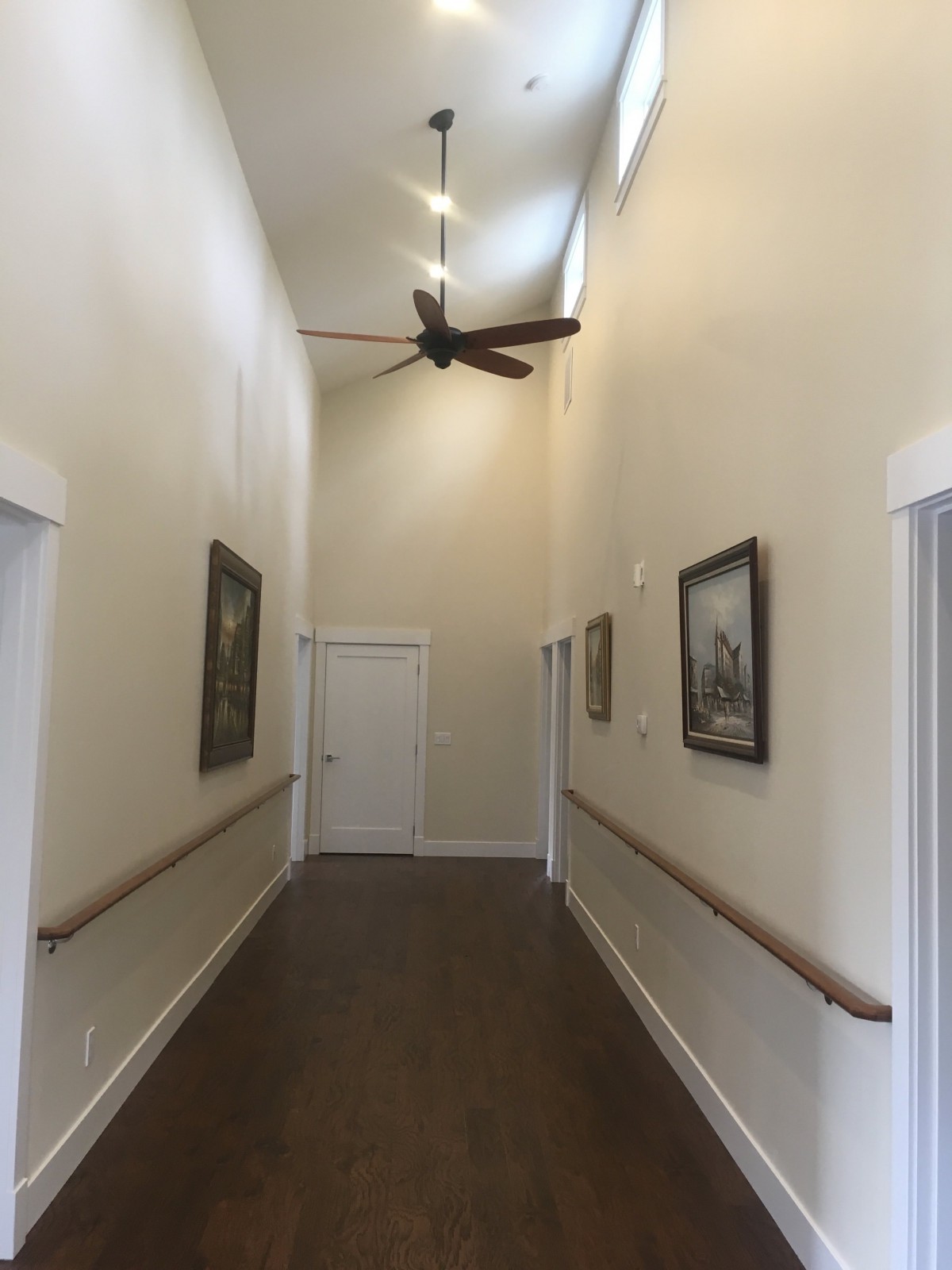
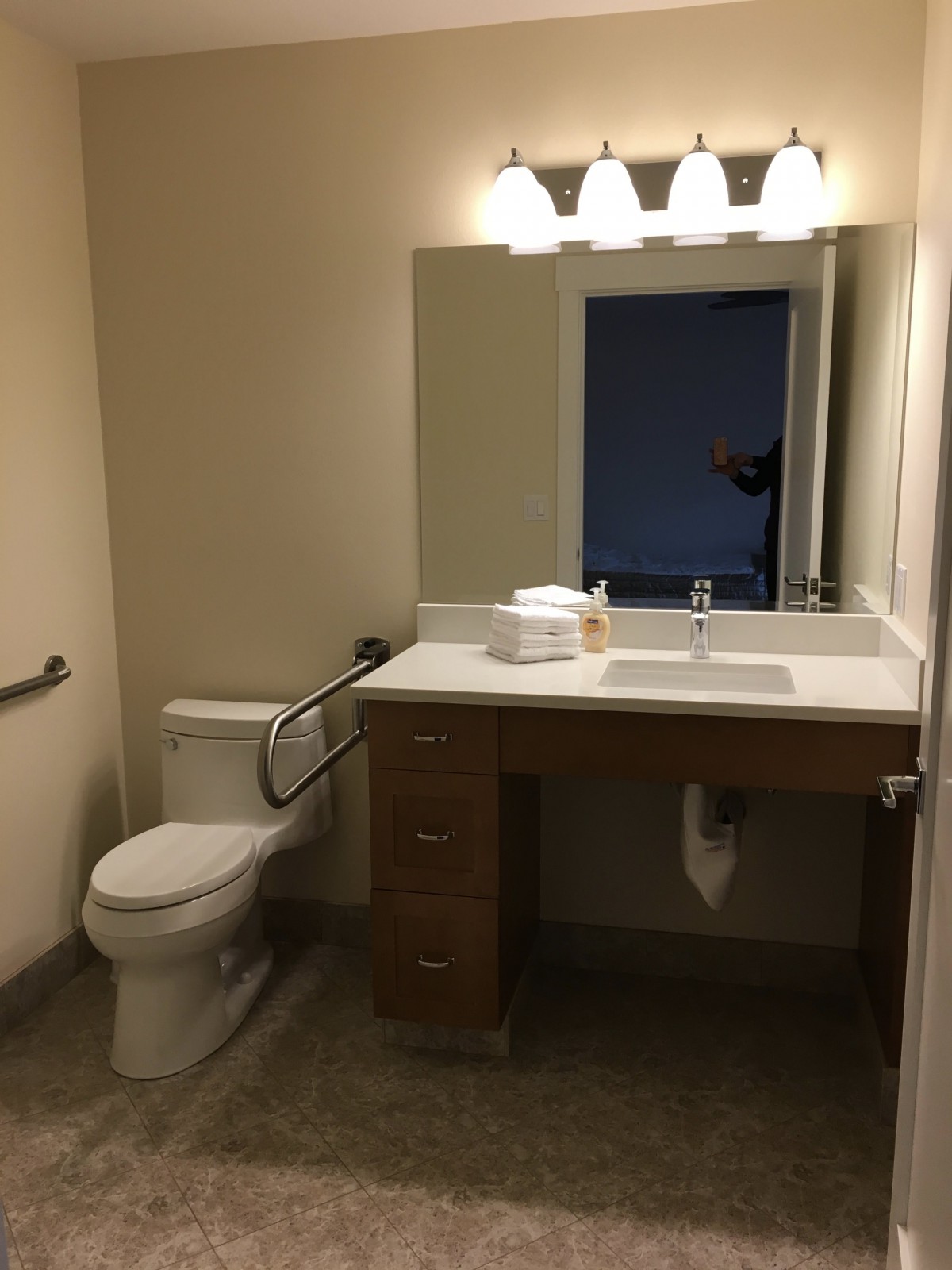
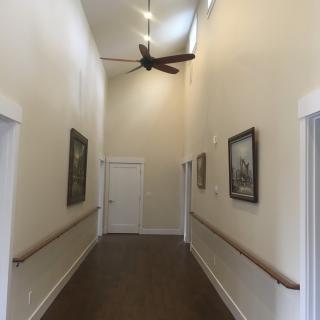
 Handicap accessible
 Indoor common areas
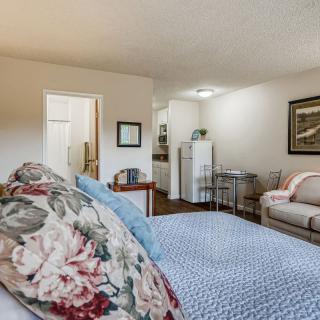
 Kitchenette
 Outdoor common areas
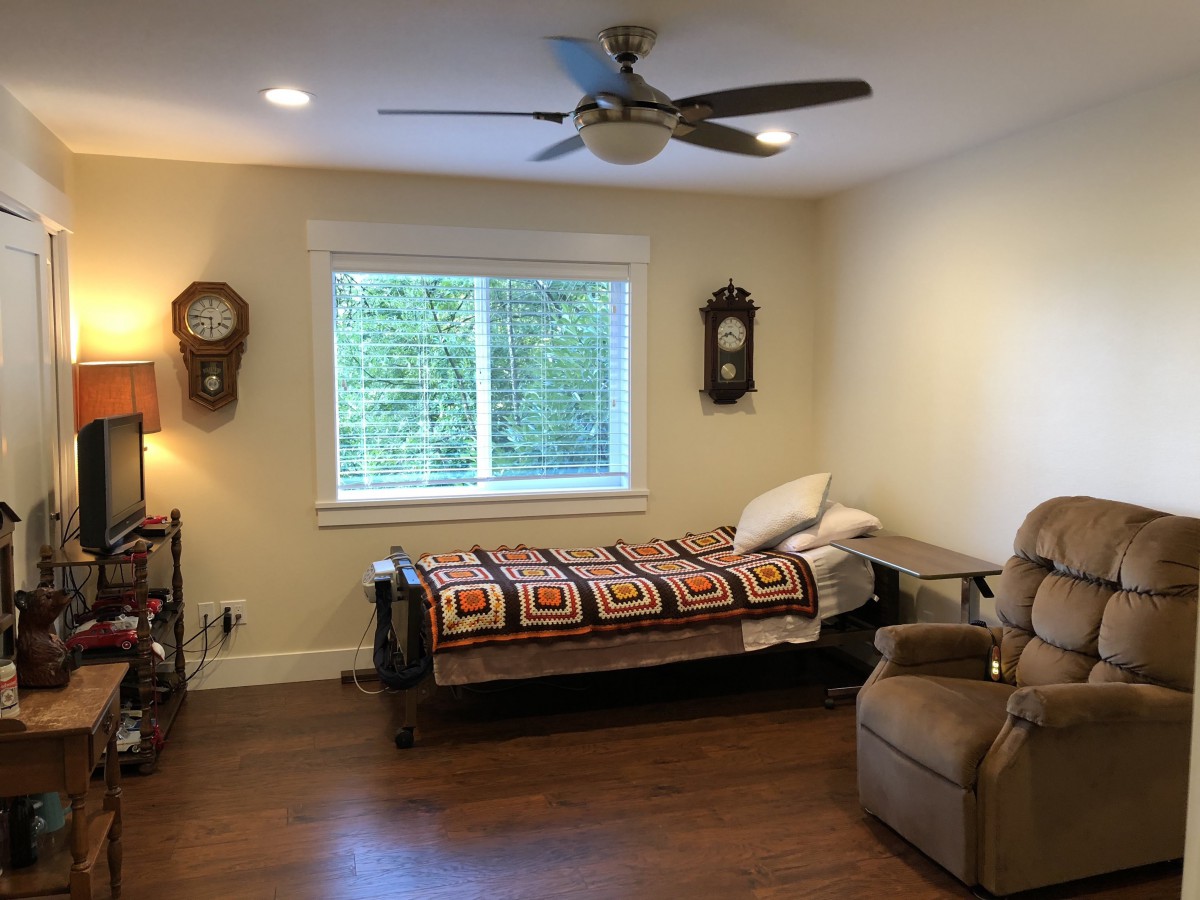
 Private
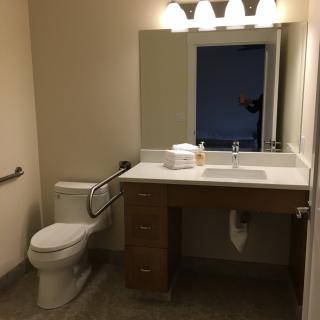
 Private bathrooms
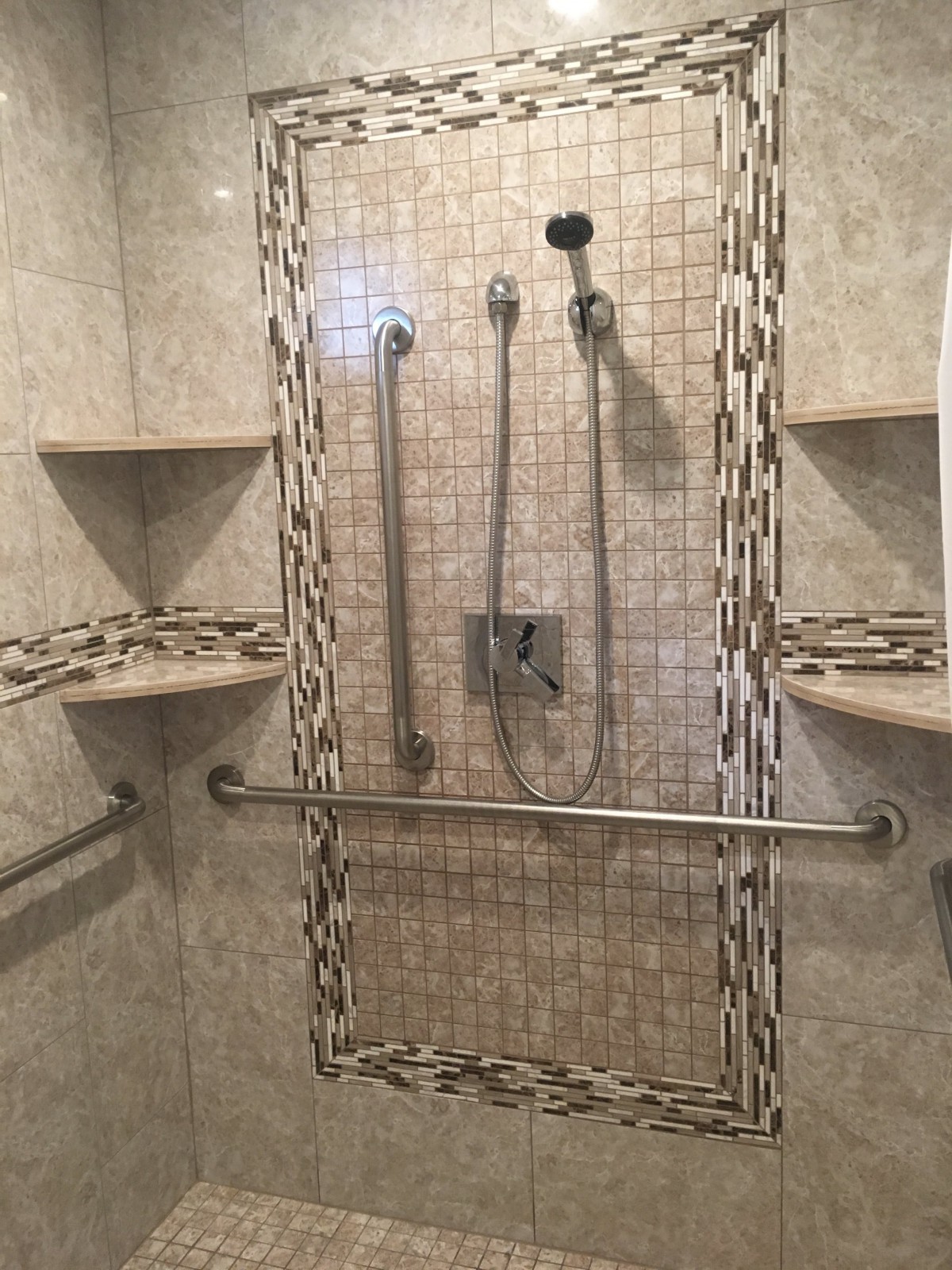
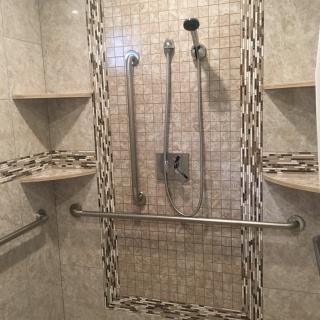
 Wheelchair accessible showers
 Wi-Fi/high-speed internet available
 Portland International (2 miles away)
 Diabetic care
 High acuity care
 Incontinence care
 Medication management
 Anytime dining
 Art classes
 BBQs or picnics
 Birthday parties
 Light therapy programs
 Pet-focused programs
 Stretching classes
 Trivia games
 Visiting chaplain or priest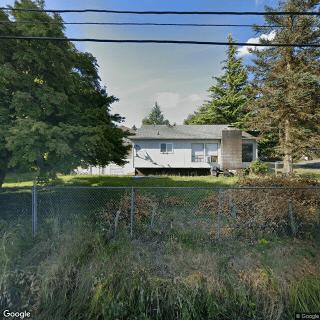

 An In-Depth Look at Reminiscence Therapy in Dementia Care
 Dementia-Related Hallucinations: Causes, Experiences, and Practical Approaches
 Illuminating Insights About Alzheimer's Disease: Ten Crucial Realities