
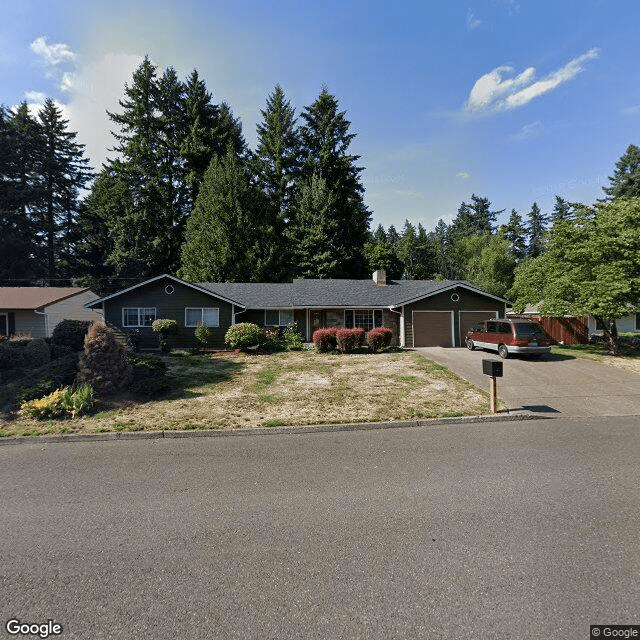
9616 SE 12th St, Vancouver, WA 98664
To contact a resident: (360) 896-4205
For more information about senior living options: (866) 208-4318
Allwood Estates AFH Costs & Pricing
Allwood Estates AFH offers competitive pricing for its residential care services, particularly when compared to regional and state averages. For semi-private accommodations, residents can expect a monthly fee of $2,800, significantly lower than the Clark County average of $3,897 and Washington state's average of $4,267. The pricing for private rooms ranges from $3,000 to $4,800 at Allwood Estates AFH, which is also more affordable than the county's average of $3,992 and the state's average of $4,772. These rates make Allwood Estates AFH an appealing option for families seeking quality care without the substantial financial burden often associated with assisted living facilities in the region.
| Floor plans | Allwood Estates AFH | Clark County | Washington |
|---|---|---|---|
| Semi-Private | $2,800 | $3,897 | $4,272 |
| Private | $3,000 to $4,800 | $3,992 | $4,774 |
Senior living communities with a similar price nearby
-
from +$200 / mo
A Piece of Heaven
$3,000 / month13.0 miles away -
from -$300 / mo
Mapleview Manor, LLC
$2,500 / month13.2 miles away -
from +$200 / mo
Yamhill Senior Care Home
$3,000 / month7.5 miles away -
from +$200 / mo
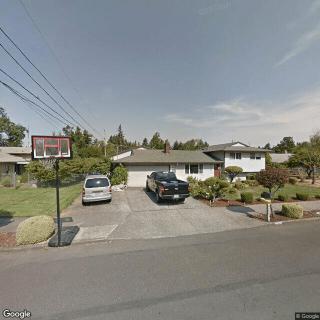
Peaceful Lighthouse Adult Care Home
$3,000 / month7.9 miles away -
from -$300 / mo
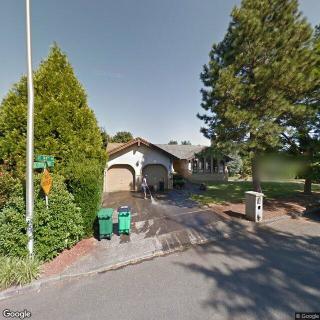
A Gentle Care Home
$2,500 / month10.7 miles away
Overall Review of Allwood Estates AFH
Pros
 The owners and caregiving staff are wonderful with her mother.
- They go out of their way to care for her.
- Families can leave knowing their mother is in good hands.
- All family is regarded as a gift to harness and protect.
Review
Allwood Estates AFH in Vancouver, Washington is best suited for families seeking a small, home-like setting where caregiving is intensely personal and consistently attentive. This community excels for seniors who prioritize daily interactions with a stable, hands-on team and who value a warm, family-oriented atmosphere over a large, institution-like campus. Reading between the lines of the care story, it is ideal for residents who are relatively independent or mildly aging in place, where caregivers can form lasting relationships and tailor routines with a high degree of flexibility. It is particularly well-matched for relatives who want to feel confident that their loved one isn’t just cared for, but genuinely cherished and protected by people who treat family as a central asset.
Those who may want to consider alternatives are clear: individuals with complex medical needs requiring constant nursing oversight, high-frequency clinical interventions, or specialized memory care may find a small AFH environment too limited. Families seeking a wide array of on-site therapies, structured daily activities, or a large, bustling community with numerous social options might prefer a larger assisted living campus. For residents who thrive on formal programming, predictable schedules, and readily available 24/7 medical staff, exploring options beyond a home-like setting is a prudent move.
The strongest pros lie in the demonstrated care ethic of the staff and the owners. Observations from families highlight a team that goes out of its way to support the resident, with a philosophy that treats the resident as part of a protected family unit. The sentiment that “All family is our gift to harness and protect” signals a core commitment to dignity, safety, and personalized attention. The most meaningful takeaway is the trust customers place in leaving a loved one in this environment, knowing that caregivers are engaged, compassionate, and reachable. In practical terms, this translates to consistent caregivers who know preferences, routines, and the small signals that signal discomfort or need for reassurance.
The main trade-off is the scale. An intimate setting naturally means fewer on-site resources than a larger community: potentially fewer daily activities, limited on-site medical personnel, and a tighter schedule of services. Yet these constraints are not neutral drawbacks; they are offset by the advantages of relational continuity and a home-like pace. The dedicated staff and family-centered approach reduce the stress often associated with transitions, and they enable more flexible accommodations around meals, sleep, and personal routines. For families prioritizing trust and ongoing rapport with caregivers, these benefits substantially outweigh the absence of a fuller menu of amenities.
Prospective residents should probe specific operational details to confirm fit. Ask about caregiver turnover and how often the primary caregivers interact with the same resident, what happens on days with higher care needs, and how medical appointments or visits are coordinated. Inquire about the pace of daily life, availability of transportation to appointments, and the degree of resident choice in activities and meals. Clarify licensing status, safety protocols, emergency response times, and what support is available for respite stays or transitions back from hospital visits. These questions help gauge whether the intimate, family-first model will remain sustainable as needs evolve.
In the end, Allwood Estates AFH stands out for families who want assurance, warmth, and a caregiver team that treats the resident like a member of the family. It is a strong recommendation for those who value trust, personalized attention, and a steady, compassionate presence over a wide array of high-end amenities. For seniors who require intensive medical management, extensive programming, or specialized memory-care infrastructure, alternatives with larger staff pools and more formal medical integration deserve serious consideration. The decision hinges on balancing the comfort of a trusted, small-scale home with the anticipated trajectory of the resident’s care needs, and on choosing a setup where caregivers can remain intimately connected to daily life and well-being.
 Board and Care Home
 Dogs allowed
 Activities off-site
 Bath tubs
 Devotional services on-site
 Indoor common areas
 Outdoor common areas
 Private
 Private bathrooms
 Respite or short term stays offered
 Swimming pool / hot tub
 Wheelchair accessible showers
 Portland International (2 miles away)
 Diabetic care
 High acuity care
 Incontinence care
 Medication management
 Kosher
 Understanding Hospice Care at Home: Comprehensive Services, Key Benefits, and Eligibility
 Understanding the Full Cost of 24/7 In-Home Care: A Detailed Overview
 Exploring the World of Home Health Nurses: Qualifications, Roles, and Hiring Tips