
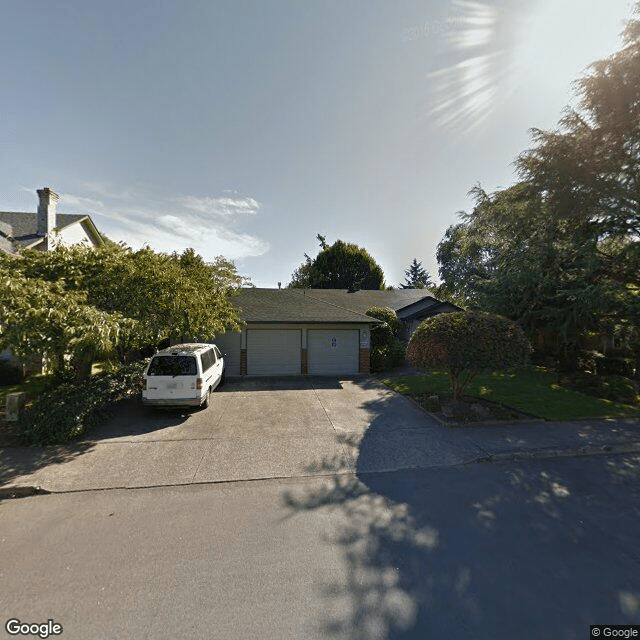
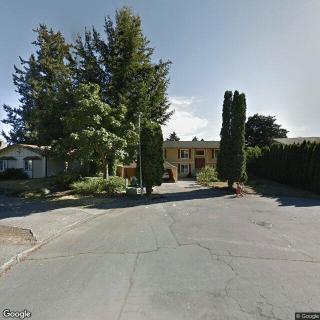
12717 SE Forest Street, Vancouver, WA 98683
To contact a resident: (360) 904-2418
For more information about senior living options: (866) 208-4318
Forest Manor AFH Costs & Pricing
Forest Manor Adult Family Home offers competitive pricing for residential care when compared to the broader market in Clark County and Washington State. With monthly costs of $2,500 for a semi-private room and $3,000 for a private room, Forest Manor provides a more affordable alternative to the county's average rates of $3,897 and $3,992, respectively. This trend continues at the state level, where prices for similar accommodations can reach as high as $4,267 for semi-private and $4,772 for private rooms. By choosing Forest Manor AFH, families can expect not only cost-effective solutions but also quality care in a welcoming environment.
| Floor plans | Forest Manor AFH | Clark County | Washington |
|---|---|---|---|
| Semi-Private | $2,500 | $3,897 | $4,272 |
| Private | $3,000 | $3,992 | $4,774 |
Senior living communities with a similar price nearby
-
About the same
Mapleview Manor, LLC
$2,500 / month12.8 miles away -
from -$300 / mo
The Peace and Joy Garden
$2,200 / month3.0 miles away -
About the same
A Gentle Care Home
$2,500 / month9.8 miles away -
About the same
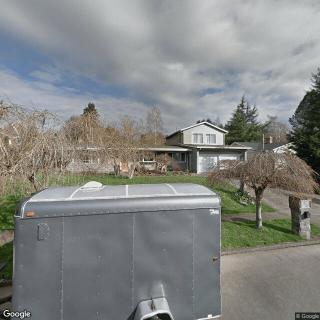
Sacred Heart Adult Foster Care
$2,500 / month13.1 miles away -
from +$300 / mo
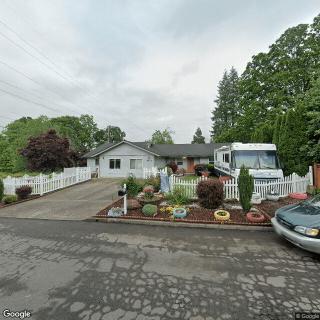
Lund AFH
$2,800 / month6.6 miles away
Overall Review of Forest Manor AFH
Pros
 They take excellent care of the residents.
- The care home is a gem and feels like a home environment.
- The staff are competent and caring.
- The facility is welcoming, comfortable, and clean.
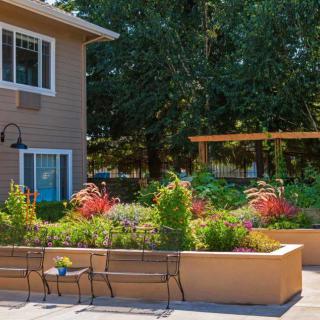
- The organic garden creates a beautiful setting.
- The home-cooked meals and caring staff fill the place with love.
- This place treats residents like family.
Review
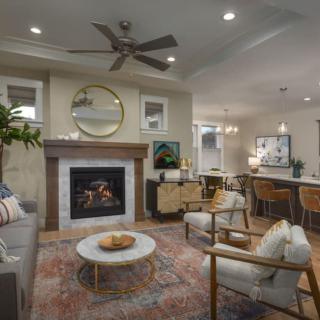
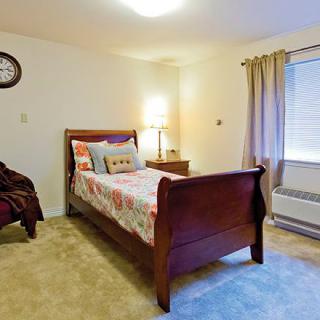
Forest Manor AFH in Vancouver, WA is best suited for seniors who want a true home-like living experience, where care feels intimate, consistent, and deeply personal. The setting is crafted to resemble a residence more than a medical facility, and that distinction matters: residents are known by name, routines feel predictable in a comforting way, and staff turnover is minimized by strong, ongoing relationships. Families report that the care feels both competent and compassionate, with a vibe of warmth that makes the everyday routines, meals, laundry, errands, and bedtime, feel natural rather than instructions handed down from above. For someone who prizes dignity, familiarity, and clear channels of communication with caregivers, Forest Manor AFH stands out as a thoughtful and dependable option.
From there, it’s important to name who may want to consider alternatives. If the priority is round-the-clock clinical intensity, frequent on-site medical oversight, or a memory-care program with a dedicated dementia unit, this setting may not satisfy those needs. Larger assisted living communities with hospital-grade staffing, broader activity calendars, or more extensive on-site medical services can be more appropriate for residents with complex medical regimens or highly structured therapeutic plans. Families seeking expansive campuses with a wide range of amenities or who require highly specialized services may find that a different option better aligns with those expectations.
The strongest pros here are precisely the elements that offset the most likely drawbacks of a small, home-style operation. The intimate scale means caregivers stay in close contact with residents and families, enabling rapid adjustments to care plans and a level of attentiveness that can feel corrective to gaps often seen in larger settings. Communication stands out as a clear strength: families are kept in the loop about changes, progress, and daily happenings, which reduces anxiety and builds trust. The environment, clean, welcoming, and comfortable with a garden and home-cooked meals, contributes to well-being and reduces the friction many seniors feel when transitioning away from a familiar home. These advantages translate into steady mood, lower stress, and a greater sense of security in daily living.
That sense of security is reinforced by staff dedication that residents and families repeatedly describe as going above and beyond. The care culture is conveyed as a shared mission: staff circulate with attentiveness, meals are prepared with care, and the overall atmosphere prioritizes dignity over rigidity. The “family” feel, where residents are treated with affection and respect, and where the day-to-day rhythm resembles a well-run household, helps residents maintain independence longer and engage with daily activities more meaningfully. When coupled with the sensory benefits of a garden and the predictable routine of home-like meals, these strengths create a compelling case for choosing Forest Manor AFH for seniors who value comfort and personal attention over institutional scale.
Nonetheless, readers should approach with clear questions about medical infrastructure and long-term needs. Confirm whether a licensed nurse is on-site around the clock, how medications are managed, and what therapies or therapies supervision are available if health status changes. Inquire about emergency protocols, accessibility features, and the extent of on-site activities beyond socialization, whether there are structured programs for mobility, memory, or cognitive engagement. Understand pricing transparency, including what is included in monthly fees and what would trigger a move to a higher level of medical care. While the current reviews reveal a strong, satisfying experience, aligning expectations with actual capabilities ensures a smoother transition if care needs evolve.
In practical terms, Forest Manor AFH should be high on the list for families prioritizing warmth, family-style care, and everyday quality of life. It is a place where residents are treated like family, where the environment supports comfort and joy, and where open communication reduces the friction often felt when navigating care solutions. For families with residents who want to stay engaged in a small, respectful community rather than a sprawling campus, this option delivers. The next steps are straightforward: arrange a visit, observe staff interactions with residents, confirm the on-site medical coverage, and compare with 1–2 alternatives that emphasize clinical intensity or dementia-specific programming. With these checks, a well-informed choice emerges, one that honors both safety and the everyday humanity that families say makes Forest Manor AFH special.
 Board and Care Home
 Cats allowed
 Activities on-site
 Beautician on-site
 Devotional services on-site
 Indoor common areas
 Outdoor common areas
 Private
 Private bathrooms
 Respite or short term stays offered
 Wheelchair accessible showers
 Portland International (3 miles away)
 Diabetic care
 High acuity care
 Incontinence care
 Medication management
 Kosher

 Caring for Those Who Care: Recognizing, Understanding, and Overcoming Caregiver Burnout
 Caregiver Exhaustion: Recognizing the Signs and Restoring Your Well-Being
 Understanding Hospice Care at Home: Comprehensive Services, Key Benefits, and Eligibility