
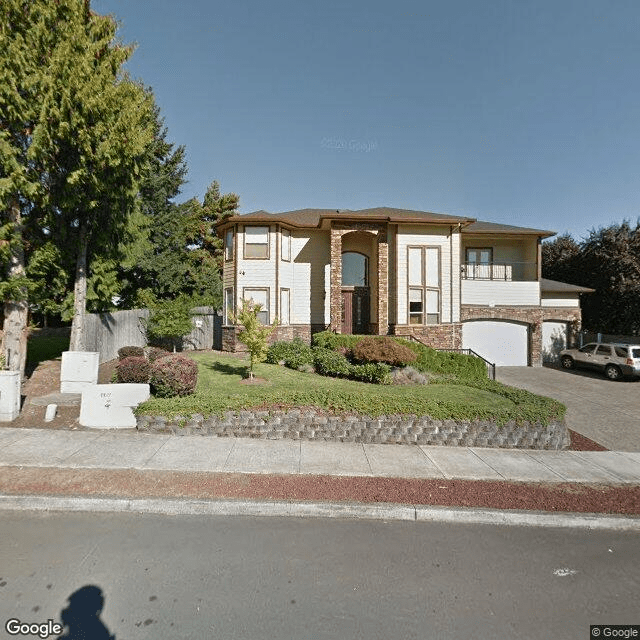
2611 SE 130th Avenue, Vancouver, WA 98683
To contact a resident: (360) 883-0679
For more information about senior living options: (866) 208-4318
E & N Adult Foster Care LLC Costs & Pricing
E & N Adult Foster Care LLC offers competitive pricing for its room types, with a monthly cost of $3,000 for both private rooms and one-bedroom accommodations. This pricing is notably lower than the averages in Clark County, where private rooms are priced at approximately $3,992 and one-bedroom units at around $4,178. Comparatively, the overall costs in Washington state reflect an even higher trend, with private rooms averaging $4,772 and one-bedrooms around $4,632. Thus, E & N Adult Foster Care LLC presents a cost-effective option for individuals seeking quality adult foster care services without compromising on comfort or care standards.
| Floor plans | E & N Adult Foster Care LLC | Clark County | Washington |
|---|---|---|---|
| Private | $3,000 | $3,992 | $4,774 |
| 1 Bedroom | $3,000 | $4,178 | $4,634 |
Memory care communities with a similar price nearby
-
from -$500 / mo
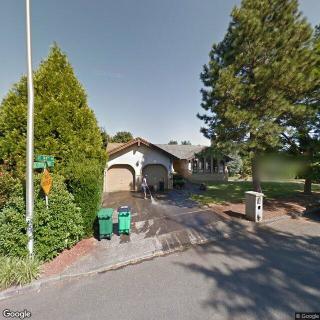
A Gentle Care Home
$2,500 / month9.6 miles away -
from +$500 / mo
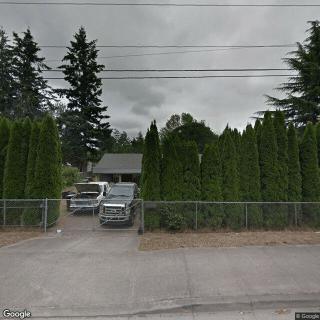
American Living Adult Family Home LLC
$3,500 / month4.7 miles away -
About the same
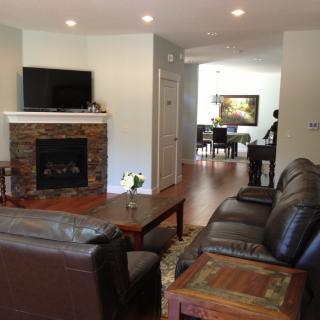
Elder Garden Care Home, LLC
$3,000 / month6.9 miles away -
from +$500 / mo
Northwest Home Health
$3,500 to $3,700 / month9.3 miles away -
About the same
Rivercrest Adult Care
$3,000 to $3,700 / month18.5 miles away
Overall Review of E & N Adult Foster Care LLC
Pros
 The staff are very attentive to her.
- This is a small care home and they keep it clean.
- She does like to go outside.
Cons
 Mom is still trying to get settled into E & N Adult Foster Care.
- There are no activities available.
Review
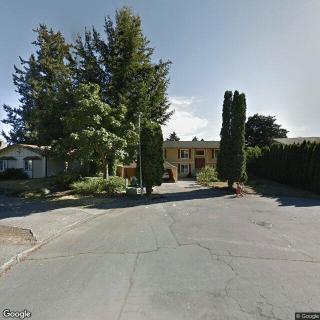
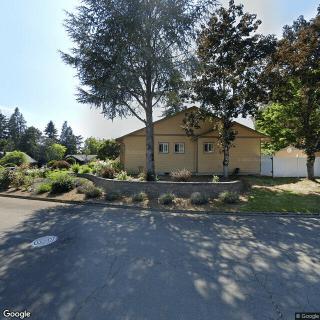
Best suited for seniors who want a home-like, low-traffic caregiving environment rather than a formal campus, E & N Adult Foster Care LLC in Vancouver, Washington, delivers what families in search of intimate oversight should expect. It suits residents who appreciate a quiet setting where staff can establish routines, monitor daily needs closely, and offer frequent, personal attention. The small footprint matters: with a caregiver-to-resident dynamic that never feels impersonal, families seeking reassurance about daily safety and cleanliness will find a strong point. For seniors who value the ability to step outside and enjoy fresh air, the outdoor option becomes a practical daily perk rather than a sidebar amenity. In short, this community aligns with those prioritizing closeness and consistent oversight over hustle and bustle.
Those who should consider alternatives include residents who thrive on structured, high-energy engagement or require a robust menu of organized activities and social events. A larger community can offer broad activity calendars, bus transportation, and diverse dining options that may be lacking here. If medical oversight needs are more complex, or if memory-care services are anticipated, a specialized facility with licensed nursing and dementia care programs could be a better match. Families seeking a move-in ready lifestyle with predictable programming might prefer communities with formal activity directors and scheduled outings. In sum, the fit depends on how much social stimulus, dining variety, and clinical support the resident actually requires.
Key strengths center on the human element and the home's scale. Staff attentiveness translates into a tangible sense of safety and personalized care: responses feel prompt, and daily routines stay steady because caregivers know each resident's preferences. The small care-home atmosphere reduces sense of anonymity, which often translates into better supervision and a stronger sense of belonging. Cleanliness stands out as a non-negotiable baseline, reducing infection risk and maintaining comfort levels that matter to families. The outdoor-friendly orientation matters as well; access to outdoor time can support mood, appetite, and daytime rhythms, particularly for residents who simply enjoy fresh air and a change of scenery during the day.
On the downside, activity programming appears undefined or under-communicated, with no explicit schedule accessible from outside. That uncertainty can leave families wondering about social stimulation and cognitive engagement beyond casual strolls. Food quality is not documented, which leaves a gap in assessing daily satisfaction and nutritional variety. The feedback that mom is still settling in signals a transitional risk: new residents often need a carefully planned arrival that establishes routines, introduces staff, and builds a social lattice. Without a clear plan for this transition or a visible activity calendar, residents may experience slower adaptation or shorter-lived early-experience benefits.
Nevertheless, the pro factors can meaningfully offset these concerns when approached proactively. Attentive staff and a compact setting empower caregivers to individualize engagement, which can compensate for a less formal activity program by creating spontaneous, meaningful interactions and small-group outings tailored to resident interests. Cleanliness and routine oversight mitigate safety concerns that often accompany smaller homes. To move forward with confidence, families should request a concrete activity outline, meals plan, and a transition schedule; ask to meet the caregivers who would supervise daily care; inquire about any administrator oversight, care coordination, and medical response protocols; and seek a written plan for how new residents are introduced and integrated into daily life.
Overall, E & N Adult Foster Care represents a solid choice for families prioritizing intimate, attentive care within a clearly managed, clean home environment. The primary trade-off centers on activity breadth and visible dining variety; for residents who need less structure but more warmth and personal monitoring, this setting excels. Families with residents who crave a bustling calendar or specialized memory-care services should explore alternatives before committing. The prudent path is a personalized visit: observe interactions, review a sample daily schedule, request a copy of the meals menu, and confirm a practical settling-in plan. When these elements align with the residentā€™s preferences, the decision to move forward becomes straightforward.
 Board and Care Home
 Day Program
 Memory Care
 Bath tubs
 Beautician on-site
 Devotional services on-site
 Indoor common areas
 Outdoor common areas
 Private
 Private bathrooms
 Respite or short term stays offered
 Wheelchair accessible showers
 Portland International (3 miles away)
 Diabetic care
 High acuity care
 Incontinence care
 Medication management
 Meals provided

 How to Communicate with a Loved One Living with Dementia: 10 Supportive Strategies
 Comprehensive Guide to VA Nursing Homes: A Crucial Long-Term Care Resource for Veterans
 Estimating the Expenses of At-Home Dementia Care: A Detailed Exploration