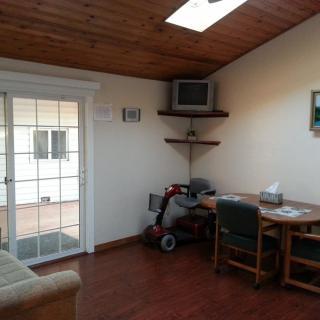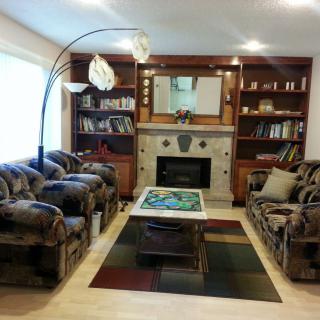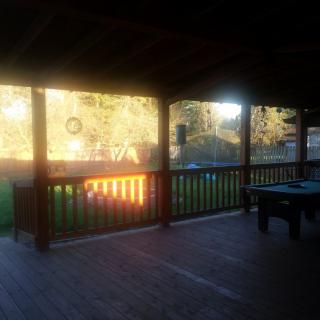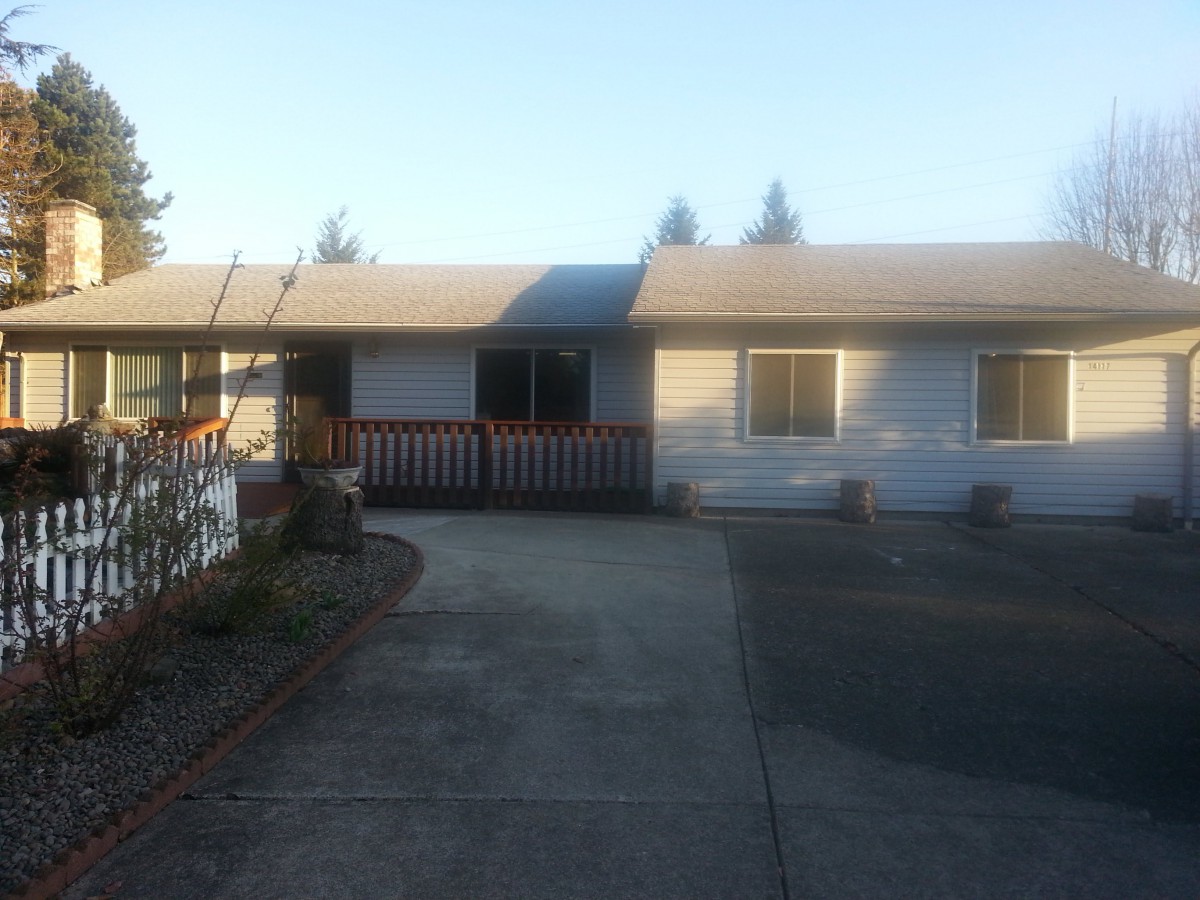
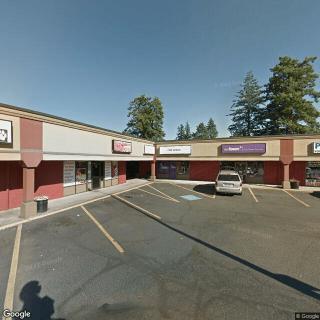
14117 NE 40th St, Vancouver, WA 98682
To contact a resident: (360) 882-2056
For more information about senior living options: (866) 208-4318

Andina's AFH Costs & Pricing
At Andina's Adult Family Home (AFH), the monthly costs for accommodations reflect a premium experience, with both room types - 1 Bedroom and Private - priced at $6,000. This pricing positions Andina's AFH significantly higher than the average costs in Clark County, where similar facilities charge approximately $4,178 for a 1 Bedroom and $3,992 for a Private room. Furthermore, when compared to the broader landscape of Washington state prices, which average around $4,632 for a 1 Bedroom and $4,772 for a Private room, Andina's rates underscore their commitment to providing an exceptional level of care and personalized services that exceed what is typically available in the region.
| Floor plans | Andina's AFH | Clark County | Washington |
|---|---|---|---|
| 1 Bedroom | $6,000 | $4,178 | $4,634 |
| Private | $6,000 | $3,992 | $4,774 |
Memory care communities with a similar price nearby
-
About the same
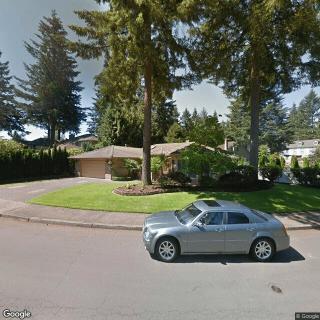
Magnolia Gardens Senior Care Home
$6,000 / month1.1 miles away -
from -$500 / mo
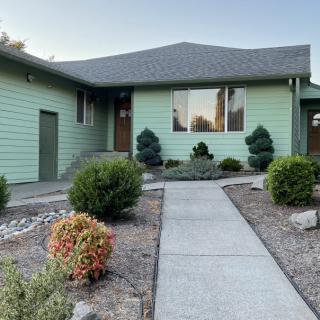
Evergreen Quality Home
$5,500 / month7.7 miles away -
from -$1000 / mo
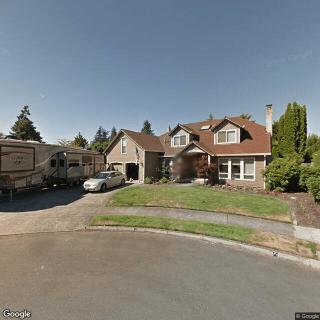
Windsor Gardens
$5,000 / month1.5 miles away -
About the same
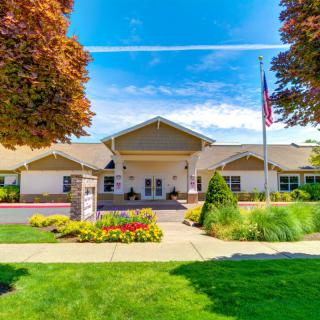
Rosewood Memory Care
$6,140 to $6,585 / month21.5 miles away -
About the same

The Cottages Senior Living
$6,050 to $6,300 / month10.1 miles away
Overall Review of Andina's AFH
Pros
 The staff and the owner provided excellent care, according to the family.
- Families were kept informed about their loved ones' wellbeing.
- Visitors praised the staff and the homey feeling of the house.
- The grandmother’s family praised the owner, noting awesome care and a clean, inviting environment.
- They would definitely recommend the facility.
Cons
 The facility is highly disorganized and dirty.
- The diet is terrible and greasy, with fresh fruits and vegetables never on the menu.
- The staff are hostile and show little concern for residents.
- Requests for help are met with surprising hostility.
- Favoritism based on payment leads to better treatment for some and contempt for others.
- Residents’ health and mental outlook are severely affected.
- The head of the facility appears to have little competence.
- It is described as a very poor place to stay.
Review
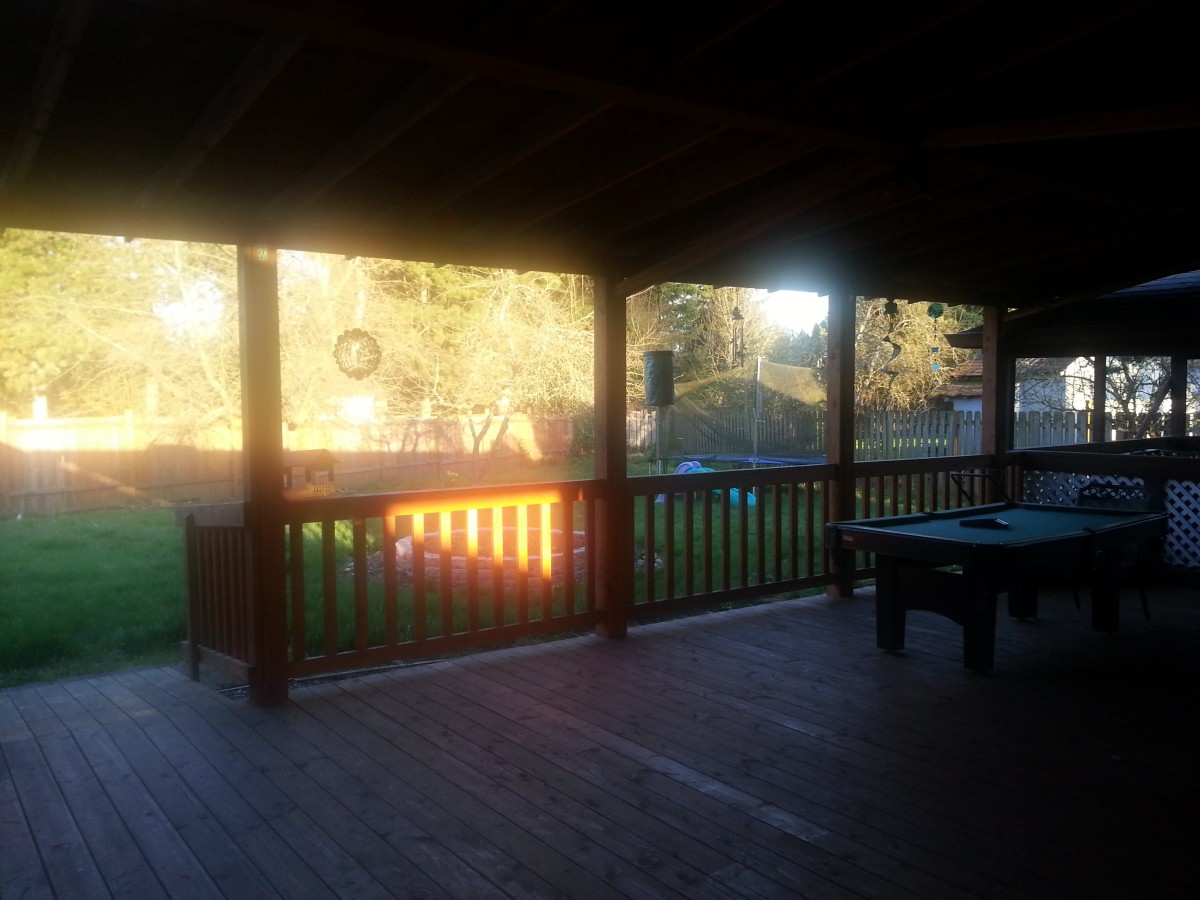
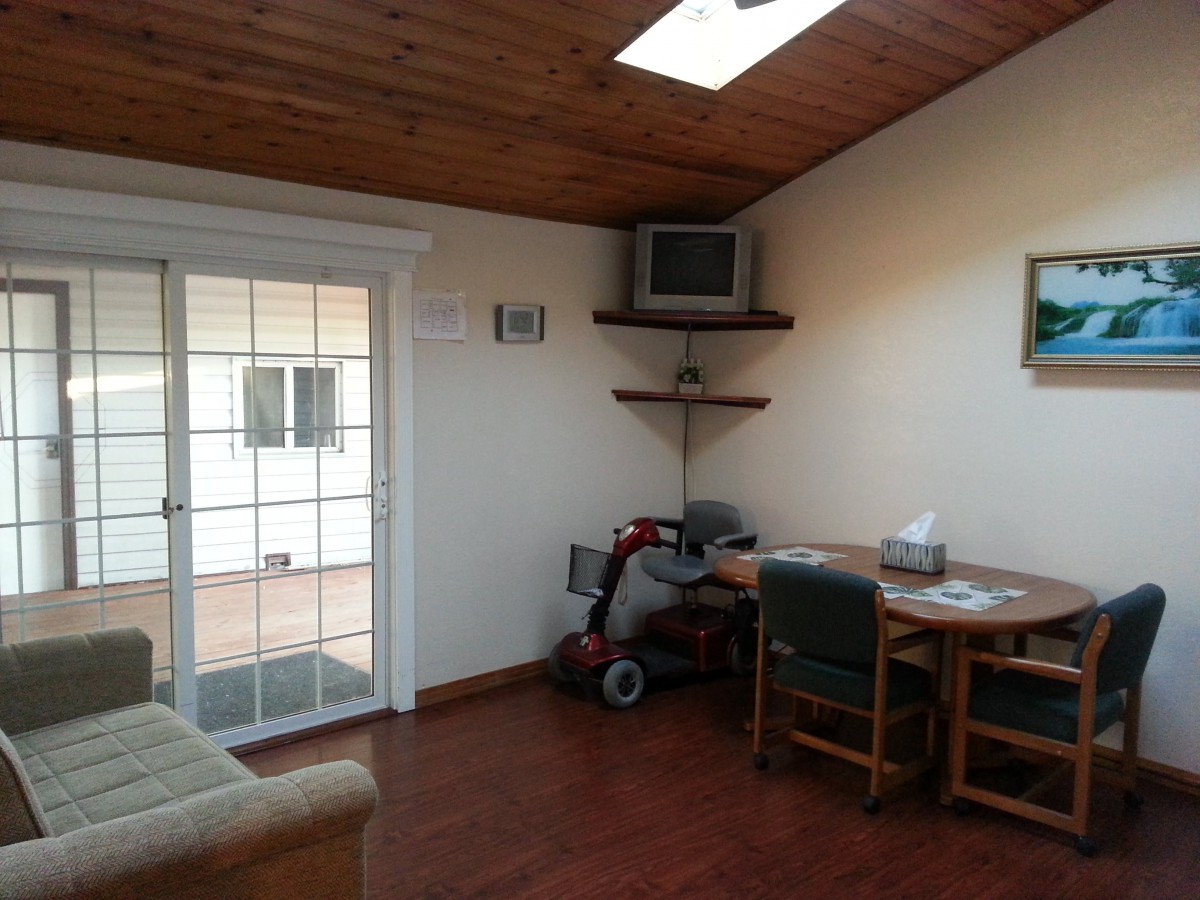
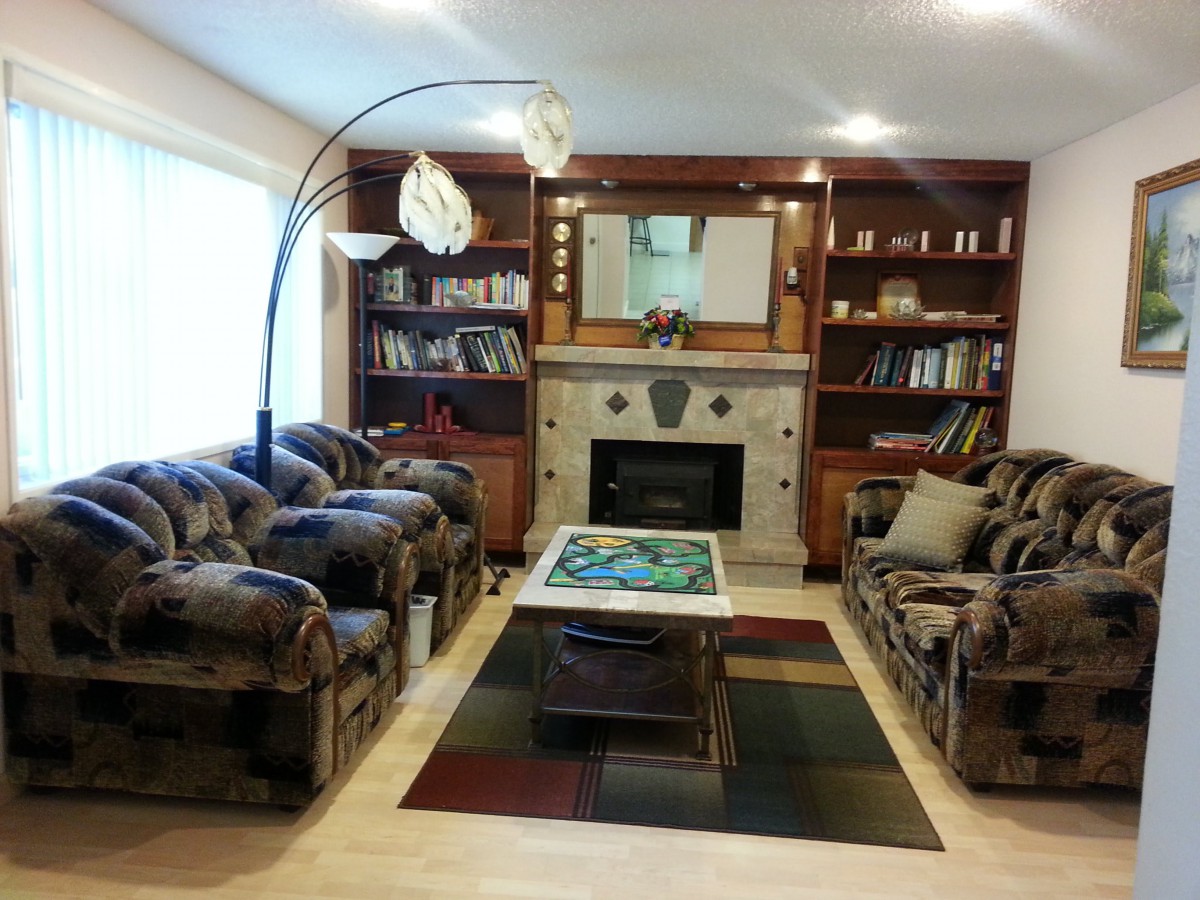
Andina's AFH in Vancouver, WA is best suited for families seeking a small, home-like environment where the owner takes a personal, hands-on role and families can expect frequent, direct updates about a loved one. This community rewards those who prioritize a warm, intimate atmosphere and the sense that care is personalized and attentive. For residents who respond well to a cottage-like setting, where staff interactions feel familiar and routines are predictable, Andina’s AFH can feel like a comfortable fit.
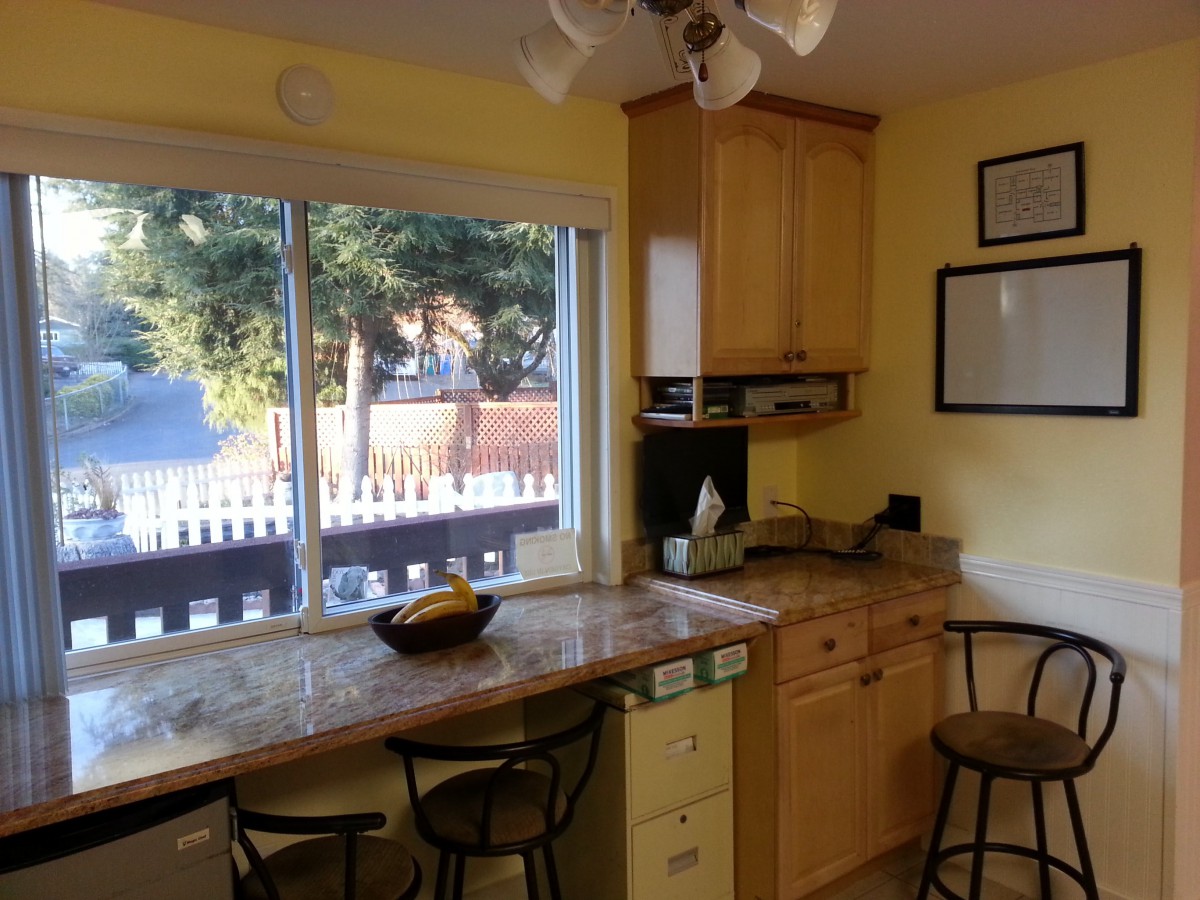
The strongest positives revolve around the owner’s involvement, the impression of excellent care from the perspective of several families, and the homey, clean feel that residents and visitors notice. Families repeatedly highlight the ongoing communication about wellbeing, with updates that keep relatives in the loop. The property itself is described as inviting and very clean, reinforcing a perception that a resident’s daily life is lived in a comfortable, orderly space. In these regards, the community offers reassurance for caretakers who want to know the person they love is known and tended to.
Yet, the record also highlights serious caveats that cannot be ignored. Multiple reviewers report disorganization and inconsistent operations, with complaints about how requests for help are handled and how staff interact with residents. There are troubling anecdotes about hostility from caregivers and visible favoritism tied to aspects like payment, which erodes trust and raises questions about equity in treatment. Diet comes up as a frequent concern, criticism of a grease-heavy menu and a lack of fresh fruits and vegetables points to ongoing questions about nutritional quality and meal planning for residents who rely on staff for meals.
The pros and cons do not exist in isolation; the degree to which the positives offset the negatives depends on what a family values most. For families that prize a direct line to ownership, quick family updates, and a warm, homey vibe, the strong reputation of owner-led care can mitigate concerns about occasional disorganization. The sense that someone is truly driving the operation and that families are kept informed can compensate for gaps in systems or tense interactions, particularly when a resident’s emotional well-being and daily routine appear stable and well managed.
However, the red flags matter when safety, cleanliness, or nutrition are non-negotiables. Reports of limited bathroom access in one instance, and a facility that can feel crowded or less controlled, suggest risks for residents who need more robust supervision or have higher care demands. If a family needs a facility with rigorous, professional-backed processes, or if there are expectations around consistent, respectful treatment across all staff members, these concerns may outweigh the advantages of the owner’s involvement and the homey atmosphere. In short, the positives can be compelling, but they do not erase the fundamental reliability gaps some reviewers describe.
Practically, that means prospective residents and their families should investigate with a focused lens. Schedule multiple visits at different times to observe staff interactions, responsiveness, and how requests are handled when rooms are at full capacity. Request to speak with several current residents and families about day-to-day experiences, and verify how dietary planning is actually carried out, menus, portion control, and the availability of fresh produce deserve firsthand confirmation. Ask about staffing ratios, turnover, and the process for care planning and incident reporting. Also compare with nearby options that offer higher staff density, more structured routines, or stronger nutritional programs. If the priority is a genuine, family-centered care vibe delivered in a cozy setting, Andina’s AFH can be a good fit, but only after careful validation of the above factors to ensure the reality aligns with the favorable stories.
 Board and Care Home
 Memory Care
 Activities off-site
 Beautician on-site
 Devotional services on-site
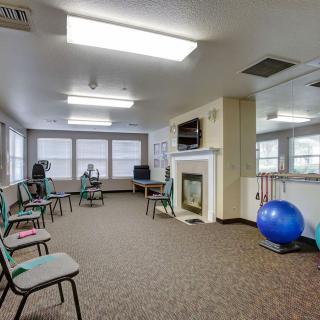
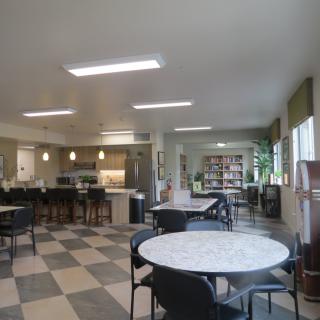
 Indoor common areas
 Outdoor common areas
 Private
 Private bathrooms
 Respite or short term stays offered
 Wheelchair accessible showers
 Portland International (5 miles away)
 Diabetic care
 High acuity care
 Incontinence care
 Medication management
 Kosher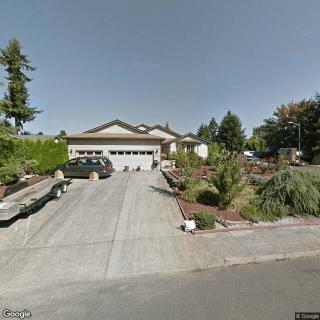


 Choosing the Right Senior Care: A Detailed Exploration of Assisted Living and Nursing Homes
 Safeguarding Your Memory Through the Golden Years: Eight Ways to Preserve Cognitive Health
 Comprehensive Insights into Activities of Daily Living (ADLs) and Their Assessment