
2218 189th St E, Tacoma, WA 98445
To contact a resident: (206) 226-8812
For more information about senior living options: (866) 208-4318
Loving Companions Adult Family Home Costs & Pricing
At Loving Companions Adult Family Home, the monthly costs for care reflect the quality and personalized services offered to residents. For a private room, the fee is set at $5,000, which is slightly higher than the county average of $4,623 and the state average of $4,772. Similarly, semi-private accommodations are priced at $5,000 as well - again above both Pierce County's average of $4,264 and Washington state's average of $4,267. The same trend continues with one-bedroom options at Loving Companions priced at $5,000 compared to an average of $4,456 in Pierce County and $4,632 across Washington. While these rates may exceed local averages, they reflect a commitment to exceptional care and a homely environment tailored to meet individual needs.
| Floor plans | Loving Companions Adult Family Home | Pierce County | Washington |
|---|---|---|---|
| Private | $5,000 | $4,623 | $4,774 |
| Semi-Private | $5,000 | $4,264 | $4,272 |
| 1 Bedroom | $5,000 | $4,456 | $4,634 |
Memory care communities with a similar price nearby
-
from +$500 / mo

Twin Lake Adult Family Home
$5,500 to $6,500 / month11.7 miles away -
About the same
Peace and Pleasant Care Adult Family Home II
$5,000 to $6,000 / month19.0 miles away -
from -$695 / mo
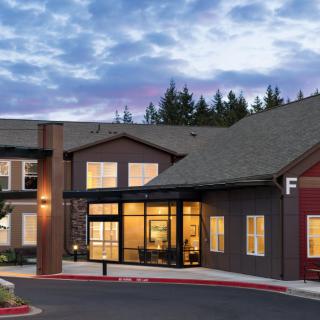
Penrose Harbor at Heron's Key
$4,305 to $7,332 / month16.2 miles away -
from -$500 / mo
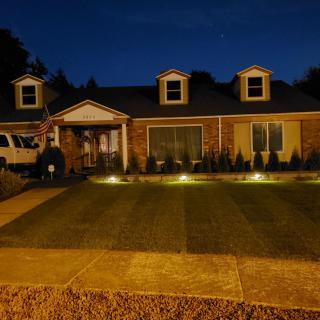
A Serenity AFH
$4,500 to $6,000 / month15.1 miles away -
from +$500 / mo

3 Tree Vista Adult Family Home, LLC
$5,500 / month22.5 miles away
Overall Review of Loving Companions Adult Family Home
Pros
 The home feels like a true home, personal and intimate, where each resident is cared for.
- Staff decorate for every season and give small gifts to residents.
- The caregivers are described as loving, with one noted for being a great cook.
- It is a Christian home with a loving, Spirit-filled family environment.
- Residents are made to feel like family, receiving daily love and attentive care.
- The caregivers provide attentive medical care along with nourishment for heart and soul, including socialization, music, activities, and spiritual needs.
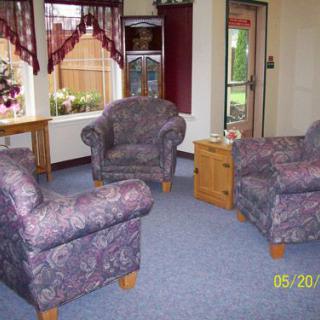
- The home is spotless and offers comfortable indoor and outdoor spaces for residents and guests to socialize.
- The staff communicate well, keeping families updated and maintaining good medical records, and are highly recommended.
Review
Loving Companions Adult Family Home in Tacoma, WA is best suited for seniors who thrive in a small, home-like setting where care feels intimate, highly personal, and unfailingly warm. This community excels for families seeking daily warmth, genuine companionship, and a caregiver who treats residents as part of the family. The environment is deliberately intimate, with seasonal decorating, small gifts, and consistent opportunities for interaction. The care team leads with attentiveness and kitchen skill, turning meals into nourishment for both body and spirit. For parents or grandparents who value a sense of belonging, predictable routines, and care that feels relational rather than transactional, this is the setting that delivers.
Those who may want to consider alternatives are precisely individuals with higher medical complexity or specialized needs that demand robust, facility-wide nursing oversight. A secular or non-religious environment may also be preferred by some families, as would a setting with broader memory-care programs or a larger community where more extensive on-site clinical resources are readily available. The home’s Christian, family-centered atmosphere, while deeply comforting to many, may not align with every resident’s spiritual preferences. Similarly, families seeking advanced rehabilitation services, or residents needing 24/7 certified nursing and mobility supports, should compare options with facilities designed to guarantee those levels of medical oversight.
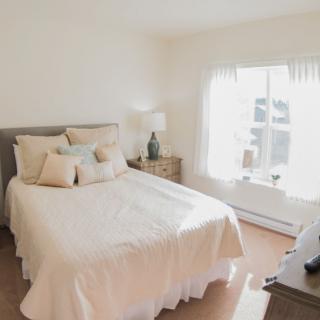
On the balance sheet of pros, the strongest offset against the potential limitations is the power of personal, consistent attention. The home-like atmosphere cultivates relationships that feel genuine and enduring, with staff who know residents’ histories, preferences, and moods. Residents are engaged through music, dancing, and social activities, creating a lively, affectionate daily rhythm. Nutritional meals are a standout, prepared with care by a cook who is remembered for flavor and heart in equal measure. Cleanliness is evident, and the indoor-outdoor social spaces invite meaningful connections with other residents and visiting families, reinforcing a sense of security and belonging that larger campuses often struggle to replicate.
Communication and care planning emerge as another major strength. Relatives repeatedly note thorough medical record-keeping and clear, proactive updates about health changes, which helps families stay in the loop even when visits are brief. The Spinus bring a hands-on, nurturing approach that blends medical attentiveness with social and spiritual nourishment. This combination tends to minimize the sense of institutional distance, making each resident feel understood, valued, and included in family-style routines. In practical terms, the trade-off is that care is delivered at the pace and scale of a small home; the same intimacy that makes every moment personal can also limit urgent access to a broader care team.
Yet potential drawbacks should be weighed with the same clarity. The intimate, family-run model may mean fewer staff on site at any given moment and less exposure to specialized services that larger facilities routinely provide. When a caregiver is temporarily unavailable or when medical needs rise above what can be managed in a home setting, planning and coordination with external providers become essential. Privacy concerns are uncommon, but the small setting can feel more intimate than a traditional community for residents who prefer greater personal space or a brisk, discreet turnover of staff. For families prioritizing a secular program, robust memory-care protocols, or around-the-clock clinical supervision, those gaps may be meaningful.
In the end, the decision hinges on alignment of values and needs. This community is a strong match for families who prize a home atmosphere, affectionate daily care, and a spiritual, family-centered approach to aging. It excels where residents benefit from continuous, hands-on attention, social engagement, and meals that feel home-cooked and cherished. It shines for those who want a caregiver team that greets each day with warmth, creativity, and a shared sense of purpose. For residents whose medical complexity requires advanced nursing care, or whose priorities include a secular setting or formal memory-care infrastructure, an alternative with larger clinical resources will likely serve better. A thoughtful visit with direct observation of daily routines, a tour of living spaces, and transparent conversations about staffing, care planning, and medical oversight will reveal whether Loving Companions is the right match.
 Board and Care Home
 Memory Care
 Private
 Seattle-Tacoma International (22 miles away)
 Nourishing the Mind: Essential Dietary Approaches for Dementia
 Understanding Dementia Behaviors: Practical Insights and Strategies for Caregivers
 When Dementia Sparks Anger and Aggression: Understanding the Connection and Ways to Cope