
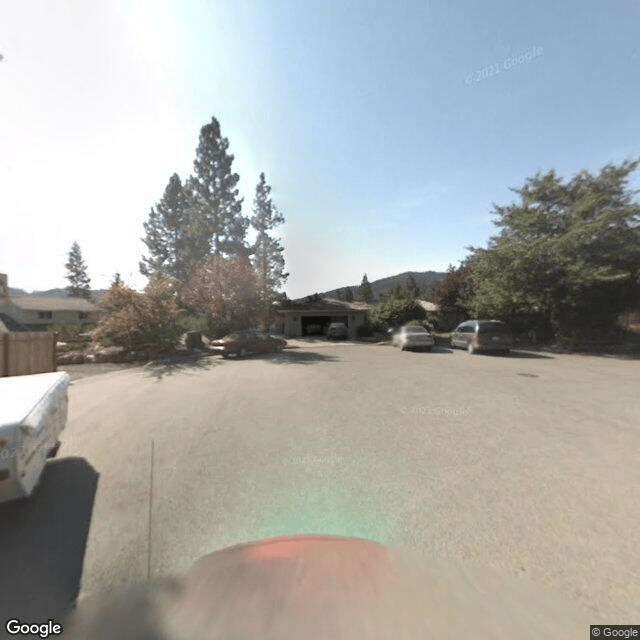
5120 S Bernhill Court, Spokane Valley, WA 99206
To contact a resident: (509) 928-8506
For more information about senior living options: (866) 208-4318
Ponderosa Care Center Costs & Pricing
Ponderosa Care Center offers a competitive pricing structure for its residents, with all room types priced at $4,000 per month. This fee is notably lower than the state average of $4,772 for private rooms and also aligns closely with Spokane County's costs for semi-private and studio accommodations. In comparison to county and state figures, Ponderosa's monthly rates provide an attractive option for individuals seeking quality care without exceeding their budget. By maintaining consistent pricing across various room types, Ponderosa Care Center positions itself as a viable choice for families looking for affordable yet reliable care in a welcoming environment.
| Floor plans | Ponderosa Care Center | Spokane County | Washington |
|---|---|---|---|
| Private | $4,000 | $4,111 | $4,774 |
| Semi-Private | $4,000 | $3,863 | $4,272 |
| Studio | $4,000 | $3,609 | $4,128 |
| 1 Bedroom | $4,000 | $3,852 | $4,634 |
Memory care communities with a similar price nearby
-
from +$245 / mo
The Gallery at Spokane
$4,245 to $5,850 / month4.7 miles away -
from +$300 / mo
Valley Pines Retirement Home
$4,300 / month4.5 miles away -
from -$500 / mo
Mary Ann's Home Care
$3,500 to $4,000 / month13.0 miles away -
from -$400 / mo
Courtyard At Coeur d'Alene
$3,600 / month23.8 miles away -
from +$325 / mo

South Hill Village
$4,325 to $5,900 / month5.0 miles away
Overall Review of Ponderosa Care Center
Pros
 The home is a top-quality adult family home that treats residents like family.
- The staff are very caring, delivering professional and personal care in a family-like atmosphere.
- The home comes highly recommended.
Review
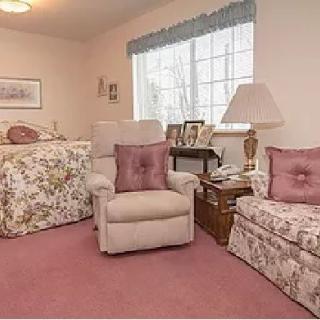
Ponderosa Care Center in Spokane Valley is best suited for families seeking a small, home-like care environment where residents are treated as family and care feels highly personalized. This community excels when the priority is warmth, consistency, and routines that feel more like living in a respectful household than navigating a clinical setting. It is especially strong for seniors who value intimate caregiver relationships, steady daily rhythms, and the comfort that comes from being known by name and preference rather than by a resident number. In short, it’s a compelling match for families who want a deeply human, hands-on caregiving approach.
Those weighing alternatives should consider residents who require intensive medical management or 24/7 clinical oversight, or who need highly structured, formal programming and a broader menu of specialized services, elements more common in larger, purpose-built facilities. For memory care with specialized protocols, or for residents who demand a wide array of on-site therapies and activities, a bigger community with dedicated memory care wings or more extensive nursing coverage may be a better fit. Families evaluating options for complex medical needs or more varied social opportunities will likely find these alternatives more aligned with their goals.
The strongest drivers here are the clearly demonstrated pros: staff who are caring, professional, and able to deliver personal care in a family-like atmosphere, and the overall sense that the home treats residents with genuine warmth. Those advantages translate into meaningful advantages for daily living, reliable, compassionate assistance when needed, continuity of caregivers, and a culture that prioritizes comfort and belonging. When a resident’s day-to-day experience hinges on sensitive, attentive care delivered with a personal touch, the benefits of a small, family-centered setting become strikingly clear, and they help offset the absence of a larger, more formal program.
This approach to care matters in practical terms as well. A family-like atmosphere often means quicker responses to requests, more predictable routines, and a sense of safety rooted in familiar faces and consistent communication. The professional side of care ensures that medical needs are not neglected, even as the personal, homey environment remains the focal point. Families who value transparency, open dialogue, and active involvement in daily care will likely find that Ponderosa’s model accommodates their desire to stay closely connected to their loved one’s care plan, daily meals, and activity preferences.
While the reviews are succinct, the 5-star ratings from two households signal a high degree of satisfaction and a strong alignment between staff capabilities and family expectations. The “top quality” designation, coupled with the emphasis on a family-centric cadence, suggests residents experience dignity, respect, and a meaningful sense of belonging each day. However, the limited number of testimonials means prospective families should verify that the facility’s capabilities match a resident’s specific needs, especially around medical complexity, dementia care, and the availability of on-site specialists. The absence of stated cons in the reviews is not a warning but a reminder to confirm fit through an in-person assessment.
For families moving forward, a practical plan is essential. Schedule a visit to observe interactions between staff and residents, and to assess how the home handles daily routines, meals, personal care, and safety checks. Ask about staffing schedules, caregiver consistency, and how family input is incorporated into care planning. Inquire about the facility’s licensing status, available medical supports, and whether there are dedicated programs for memory or cognitive health if those needs exist. Compare cost details, what is included, and how services scale with changing needs. For those prioritizing warmth, intimate care, and a truly compassionate, family-aligned environment, Ponderosa Care Center stands out as a compelling choice worth pursuing. If, instead, the priority is intensive medical oversight, broad activity programming, or specialized memory care, exploring larger or more medically oriented options is advisable.
 Board and Care Home
 Memory Care
 Activities off-site
 Beautician on-site
 Devotional services on-site
 Indoor common areas
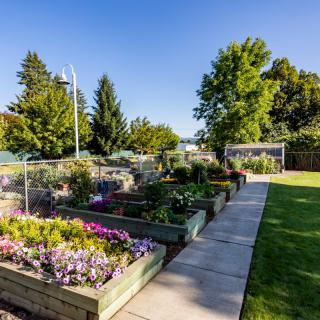
 Outdoor common areas
 Private
 Respite or short term stays offered
 Swimming pool / hot tub
 Wheelchair accessible showers
 Spokane International (13 miles away)
 Diabetic care
 High acuity care
 Incontinence care
 Medication management
 Kosher
 8 Important Indicators That Memory Care May Be Necessary
 Delving into the Inner World of Dementia: Insights into Thoughts and Awareness
 Five Subtle Dementia Indicators to Observe: An In-Depth Guide to Understanding “Does My Mom Have Dementia?”