

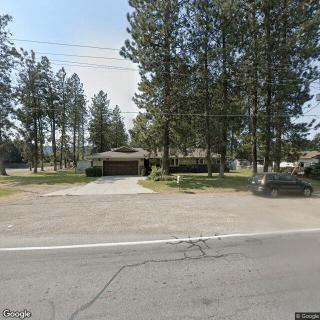
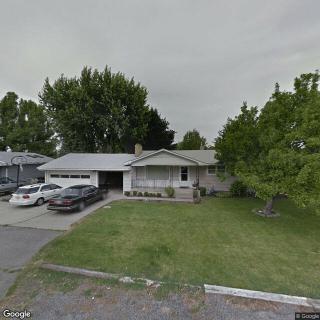
13308 E Guthrie Drive, Spokane, WA 99216
To contact a resident: (509) 892-5751
For more information about senior living options: (866) 208-4318
Terri Care AFH Costs & Pricing
Terri Care Adult Family Home (AFH) presents a pricing structure that notably exceeds the average costs found both within Spokane County and the broader state of Washington. For private room accommodations, Terri Care's monthly fee stands at $6,800, significantly higher than Spokane County's average of $4,111 and the state average of $4,772. Similarly, for one-bedroom units, Terri Care maintains the same rate of $6,800, whereas the county and state averages are more affordable at $3,852 and $4,632 respectively. This pricing suggests that residents may be paying a premium for the services and amenities offered by Terri Care AFH in comparison to other local options.
| Floor plans | Terri Care AFH | Spokane County | Washington |
|---|---|---|---|
| Private | $6,800 | $4,111 | $4,774 |
| 1 Bedroom | $6,800 | $3,852 | $4,634 |
Memory care communities with a similar price nearby
-
from -$1300 / mo
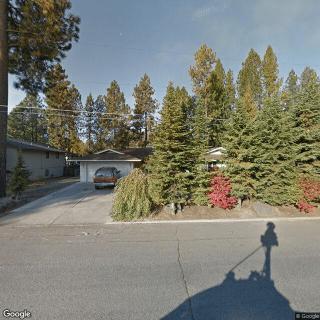
Classy Retreat
$5,500 / month8.9 miles away -
from -$1205 / mo

Columbia Landing of Spokane
$5,595 to $7,660 / month6.2 miles away -
from -$600 / mo
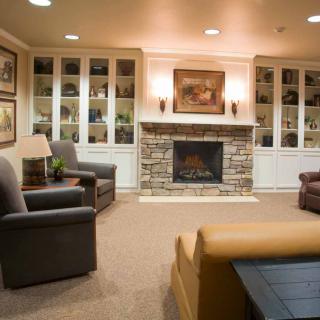
Creekside Inn Memory Care Community
$6,200 to $7,800 / month21.4 miles away -
from -$815 / mo
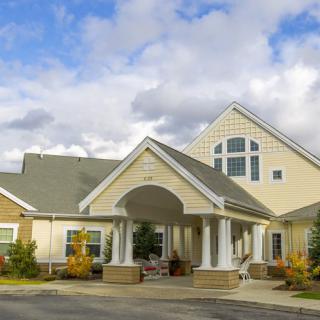
Brookdale Nine Mile
$5,985 to $8,325 / month13.7 miles away -
from -$1300 / mo
A Plus Quality AFH
$5,500 to $6,000 / month5.1 miles away
Overall Review of Terri Care AFH
Pros
 Terri is warm, kind, and treats residents like family.
- Terri's home is clean, warm, and welcoming.
- Terri provides first-rate, attentive care with top attention to residents.
- Terri treats residents like angels and supports their activities and outings.
- Residents look and feel like a million bucks under Terri's care.
- The community allows residents to interact with others and feel at home, not like a nursing facility.
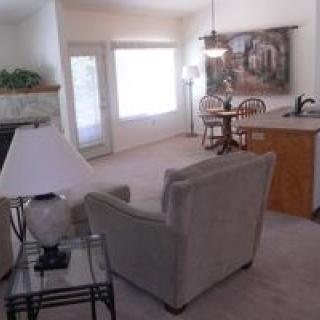
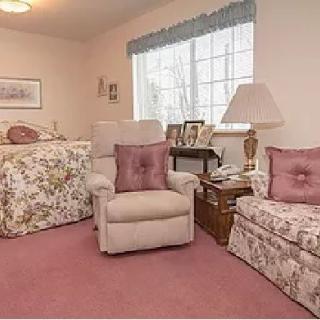
- The rooms are very good and appropriate for residents.
- Terri is calm, sincere, and adores her residents, making transitions smoother for families.
- The community is immaculate, peaceful, and staffed by compassionate people who make residents feel welcome.
Cons
 There are not many activities due to memory care of residents.
Review
Terri Care AFH in Spokane, WA, is best suited for families seeking an exceptionally intimate, home-like memory-care environment where residents are treated as family. With a strict cap of three residents, the setting operates more like a well-kept private home than a conventional facility, and Terri’s warmth, steadiness, and hands-on approach drive a level of personalized attention that larger communities rarely match. Reviews consistently describe a clean, inviting environment where residents are engaged and valued, not tucked away. The caregiving standard rises from small-scale oversight: residents are guided through daily routines with dignity, and small moments, like dressing for family meals or sharing a photo with a grandchild, become meaningful markers of quality care.
This arrangement is especially well-suited for families that prize individualized relationships and predictable, attentive care over the breadth of programming found in bigger settings. Terri’s residents are treated with the kind of consistent, compassionate attention that comes from a caregiver who can stay present with each person’s needs and moods. For seniors who value a peaceful, familiar atmosphere and who benefit from a caregiver’s ability to tailor activities and outings, this setting delivers advantages that can translate into better mood, better routines, and a sense of belonging. The emphasis on dignity, clean presentation, and personal grooming further reinforces a standard of living that feels respectful and controllable in a way larger homes often cannot achieve.
Those weighing alternatives should note who may want to consider other options. If memory care requires more intensive cognitive stimulation, diverse peer contact, or a robust, structured activity calendar, a larger memory-care community with more residents will usually offer a wider array of social opportunities. Families seeking around-the-clock nursing oversight, immediate access to on-site medical services, or a clinical environment with formal programs may find Terri Care AFH too small to meet those needs. In short, the niche Terri Care AFH fills is intimate, highly personalized care; it is not designed to replicate the capacity or programming of a larger facility.
The core strengths, intimate setting, highly attentive caregiver, and a consistently clean, tranquil home, help offset the main constraints of size. Being able to arrange short, meaningful outings (burgers, ice cream runs, drives) and to weave family involvement into daily life adds layers of emotional well-being that larger centers struggle to match. The caregiver’s calm, sincere demeanor translates into smoother transitions for families and residents alike, and the emphasis on presenting residents well reinforces a sense of pride and self-worth. While activities may be fewer and more individualized due to memory-care realities, the high-quality interactions often achieve deeper, more effective engagement than generic, larger-program offerings.
However, the limited number of residents and the home’s size can constrain social opportunities and variety of programming. For a resident who thrives on constant stimulation, a bustling schedule, or peer-driven activities, the environment may feel quiet or narrow. The upside is a safety net of close supervision and a tightly managed routine; the downside is potential stagnation if the cognitive and emotional needs evolve beyond what a three-resident home can accommodate. Families should assess whether these trade-offs align with the resident’s personality, temperament, and need for social exposure as memory care progresses.
Practical considerations for families evaluating Terri Care AFH should center on planning and communication. Key questions include: what is the exact staff-to-resident ratio at any given time, how are care plans tailored to evolving memory needs, what transportation or accompaniment is available for outings, and how meals are customized to preferences and dietary restrictions. It is also prudent to discuss contingency plans for escalating medical needs, transitions to higher levels of care, and how emergencies are managed in a home setting. Understanding these practicalities helps determine whether the home’s intimate model remains a strength as care requirements become more complex.
In the end, Terri Care AFH represents a compelling choice for families seeking a warm, dignified, home-centered memory-care experience in Spokane. It excels for residents who flourish under personalized attention, who appreciate a calm, immaculate environment, and who value meaningful, small-scale interactions with a caregiver who treats them like family. If the priority is depth of relationship, meticulous presentation, and a reassuring sense of home, Terri Care AFH warrants serious consideration. If instead the need is for broader activity programming, larger peer networks, or overt clinical resources, alternatives deserve serious exploration.
 Board and Care Home
 Memory Care
 Activities off-site
 Bath tubs
 Devotional services off-site
 Indoor common areas
 Outdoor common areas
 Private
 Respite or short term stays offered
 Spokane International (14 miles away)
 Ambulatory care
 Diabetic care
 High acuity care
 Incontinence care
 Medication management
 Kosher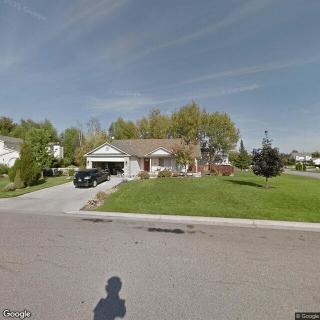

 How to Communicate with a Loved One Living with Dementia: 10 Supportive Strategies
 Comprehensive Guide to VA Nursing Homes: A Crucial Long-Term Care Resource for Veterans
 Estimating the Expenses of At-Home Dementia Care: A Detailed Exploration