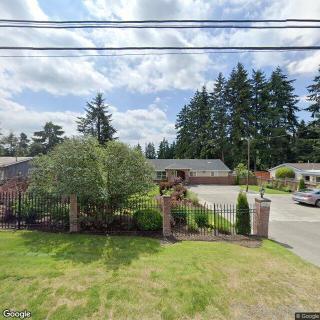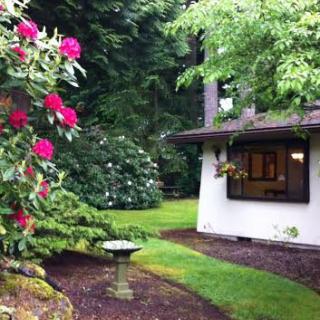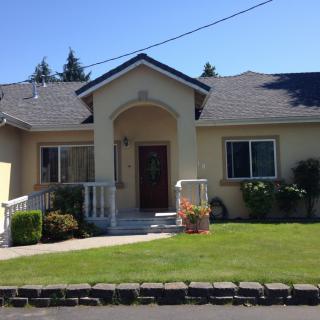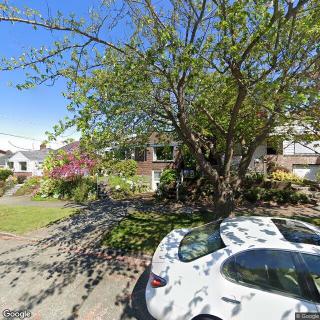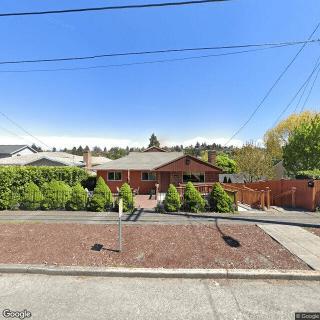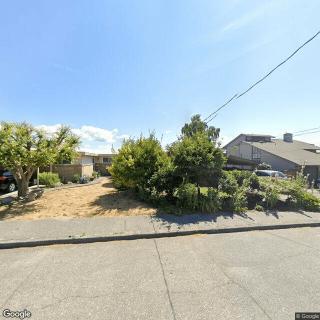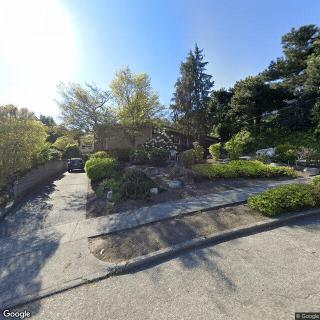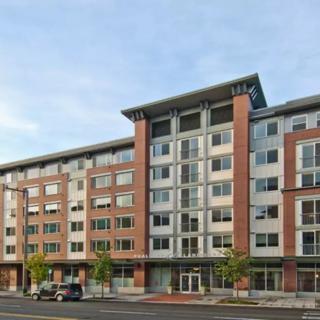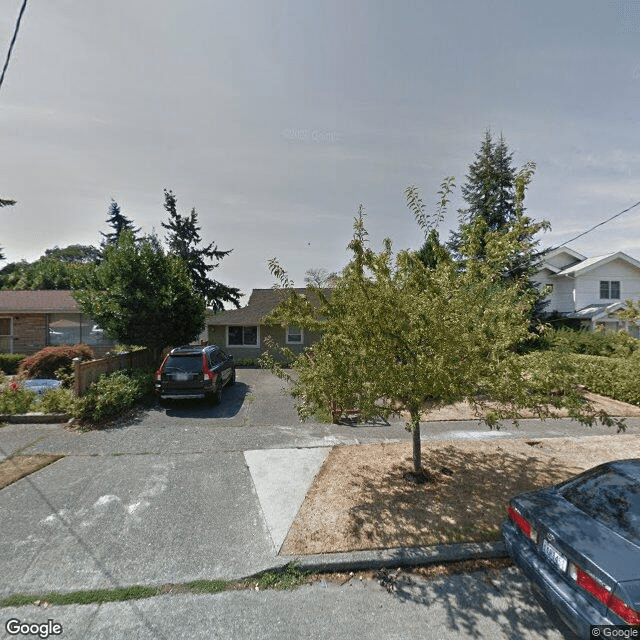
Magnolia Bestcare Adult Family Home in Seattle, WA

Save
Magnolia Bestcare Adult Family Home

Magnolia Bestcare Adult Family Home in Seattle, WA

Information last verified:

3837 31st Ave W, Seattle, WA 98199

For more information about senior living options: (844) 490-3973

5 from 4 reviews
5 stars
4
4 stars
0
3 stars
0
2 stars
0
1 stars
0

Magnolia Bestcare Adult Family Home Costs & Pricing

Magnolia Bestcare Adult Family Home offers a private room at a monthly cost of $5,500, which positions it above both the King County average of $5,034 and the broader Washington state average of $4,772. This pricing reflects the home's commitment to delivering high-quality care and personalized services tailored to individual needs. While it may be higher than other local options, residents receive dedicated attention and an enriching living environment that justifies the investment in their well-being.

Floor plansMagnolia Bestcare Adult Family HomeKing CountyWashington
Private$5,500$5,034$4,774

Overall Review of Magnolia Bestcare Adult Family Home

Pros

  • pro The facility provides peace and dignity for residents at end of life.
  • pro Residents are well cared for at all times.
  • pro The home is clean and meals are well prepared.
  • pro Individual needs are considered, and family requests and concerns are welcomed.
  • pro The place is very clean, bright, and full of life.
  • pro The meals are delicious and residents receive attentive care.
  • pro Providers are exceptionally caring and go above and beyond to meet residents' needs.
  • pro Families would choose Magnolia again.

Review

Magnolia Bestcare Adult Family Home in Seattle is best suited for families seeking a warm, home-like setting where staff know residents well, respond quickly to requests, and integrate family input into daily care. This community appeals to seniors who want cleanliness, predictable routines, and meals that are consistently well received, with care that prioritizes dignity and personal attention. The environment feels bright and active, not institutional, and the small-size model supports ongoing relationships among residents, staff, and family members. For residents who prefer to age in place with assistance that is tailored to individual needs, medication reminders, daily living help, and social engagement, Magnolia offers a compelling match.

Those with more intensive medical needs or dementia-specific requirements may find alternatives more suitable. The reviews highlight strong personal care and flexibility, but a family weighing options may want to consider facilities with larger clinical teams, dedicated memory care wings, or on-site specialists to handle complex conditions 24/7. If the priority is a larger campus, broader therapy offerings, or more formal structured programming, Magnolia’s intimate setting may feel limiting. In such cases, a nearby senior living campus with expansive nursing staff and established specialist programs could be a better fit.

Key strengths here include meticulous cleanliness, professional organization, and a daily life that feels personal and purposeful. Residents and families consistently report delicious meals and attentive, caring staff who go above and beyond to meet needs. The ability to honor individual preferences and adjust plans in response to family requests reduces the risk of disengagement or frustration common in other settings. A resident who spent their final months there experienced peace and dignity, a testament to the approach in care. These strengths help offset the usual trade-offs of smaller homes, potentially fewer on-site clinicians and fewer formal programs, by delivering consistent, hands-on attention and a responsive culture.

From a decision perspective, Magnolia excels for households prioritizing warmth, transparency, and relationship-driven care. The notable emphasis on clean facilities, tasty meals, and strong caregiver-resident connections translates into fewer surprises and more confidence in daily routines. Families can count on open channels of communication and a willingness to accommodate requests, which matters deeply when navigating medical appointments, dietary preferences, or sleep routines. The downside risk, limited depth of medical resource and a more intimate activity calendar, lands in practical terms as: what matters most is whether the resident’s needs align with a home-style care approach rather than a hospital-like environment.

Before choosing, families should verify how care plans are developed and updated, how medical oversight is arranged, and what the daily schedule looks like. Ask about nurse availability, home health partnerships, medication management, and what happens if more intensive help is needed overnight. Inquire about memory care options or cognitive support if dementia risk is present, and how family input is documented and revisited. Observe interactions during visits: are residents engaged, spoken to with respect, and included in plans? Review dining routines and menu flexibility, and confirm accommodations for dietary restrictions. These checks ensure the positive signals from reviews translate into real-world daily confidence.

Bottom line: Magnolia Bestcare Adult Family Home is a strong match for families seeking a serene, clean, and person-centered environment in Seattle where care feels individualized and the family voice is welcomed. It suits residents who thrive on a home-like setting, regular meals, and attentive staff who remember preferences and respond quickly. It is less ideal for those needing heavy clinical nursing resources, dementia-specific programming, or vast social programming found in larger campuses. For families with balanced needs, personal attention, dignity in daily living, and clear communication, Magnolia offers a practical, capable option that consistently delivers peace of mind.

Features

Types of Care

  • Board and Care Home Board and Care HomeBoard and care homes provide a smaller, more intimate setting for seniors who require assistance with daily tasks but do not need the level of care offered by a nursing home. They offer personalized care, meals, and social activities in a homelike environment, ensuring that seniors receive individualized attention and support in their golden years.
  • Day Program Day ProgramDay programs are important for seniors because they provide a safe and supportive environment where older adults can socialize, engage in activities, receive assistance with daily tasks, and access valuable resources and services. These programs help prevent isolation and loneliness, promote mental and physical well-being, and offer a sense of purpose and community for seniors.
  • Memory Care Memory CareMemory care is crucial for seniors as it provides specialized support and services for individuals with dementia or Alzheimer's disease. These programs offer a safe and secure environment where residents receive personalized care, cognitive stimulation, and help with daily activities. Memory care helps seniors maintain their independence, quality of life, and dignity while also providing peace of mind for their families.

Amenities

  • Activities on-site Activities on-siteActivities on-site are important for seniors because they provide opportunities for socialization, mental stimulation, physical activity, and overall well-being. Engaging in activities can help seniors stay active, maintain their independence, and improve their quality of life.
  • Devotional services off-site Devotional services off-siteDevotional services off-site are important for seniors as they provide spiritual nourishment, social engagement, and a sense of community outside of the senior living facility. This can enhance overall well-being and help combat feelings of isolation and loneliness often experienced by older adults.
  • Devotional services on-site Devotional services on-siteDevotional services on-site provide seniors with spiritual support and a sense of community, as well as an opportunity for reflection and guidance during their senior living experience. This can promote emotional well-being and connection to others, leading to a more fulfilling and enriching lifestyle in their later years.
  • Indoor common areas Indoor common areasIndoor common areas are crucial for seniors as they provide a space for socialization, recreation, and community engagement, promoting overall well-being and reducing feelings of isolation and loneliness.
  • Outdoor common areas Outdoor common areasOutdoor common areas are important for seniors as they provide a space for socialization, physical activity, and relaxation. Being outside in nature can improve mood and overall well-being, while also encouraging movement and engagement with others. These spaces can help combat feelings of isolation and promote a sense of community among residents.
  • Private PrivatePrivacy is important for seniors as it allows them to maintain their independence, dignity, and sense of control over their own lives. It also gives them the space and freedom to relax, reflect, and engage in activities that bring them joy and fulfillment. Creating private spaces within senior living facilities is crucial for promoting overall well-being and quality of life.
  • Respite or short term stays offered Respite or short term stays offeredRespite or short term stays provide seniors with a temporary solution when their regular caregiver is unavailable, offering them the opportunity to receive additional care and support during times of need, while also giving caregivers a chance to rest and recharge.
  • Wheelchair accessible showers Wheelchair accessible showersWheelchair accessible showers are crucial for seniors as they provide a safe and independent bathing option for those with mobility challenges. These showers help prevent falls and allow seniors to maintain their dignity and autonomy while ensuring they can bathe comfortably.

Transportation

  • Seattle-Tacoma International (15 miles away) Seattle-Tacoma International (15 miles away)

Care Services

  • Diabetic care Diabetic careDiabetic care is crucial for seniors as they are more susceptible to developing diabetes due to aging and other health conditions. Proper management of diabetes can help prevent complications such as heart disease, vision loss, and nerve damage, improving the overall quality of life for seniors in senior living communities.
  • High acuity care High acuity careHigh acuity care is important for seniors because it provides specialized medical attention and support for individuals with complex medical needs. This level of care ensures that seniors receive the appropriate treatment and assistance to maintain their health and quality of life as they age.
  • Incontinence care Incontinence careIncontinence care is essential for seniors to maintain their dignity, hygiene, and overall quality of life. By addressing incontinence issues promptly and effectively, seniors can enjoy a sense of independence and comfort in their daily activities.
  • Medication management Medication managementMedication management is crucial for seniors to ensure they are taking the right medications at the correct dosages and times. This helps prevent adverse drug interactions, reduces the risk of medication errors, and promotes overall health and well-being. Proactive management also allows for adjustments as needed based on changing health conditions or new prescriptions.

Dining

  • Meals provided Meals provided"Meals provided" are crucial for seniors in assisted living communities as it ensures they have access to nutritious, balanced meals without the stress of meal planning and preparation. This can help promote overall health and well-being for seniors who may have limited mobility or cognitive abilities.
  • Vegetarian VegetarianA vegetarian diet is important for seniors because it can help lower the risk of chronic diseases, maintain a healthy weight, and provide essential nutrients needed for aging bodies. Additionally, plant-based diets are often easier on digestive systems and can contribute to overall well-being in older adults.

Activities

  • Activities on-site Activities on-siteActivities on-site are important for seniors because they provide opportunities for socialization, mental stimulation, physical activity, and overall well-being. Engaging in activities can help seniors stay active, maintain their independence, and improve their quality of life.
  • Devotional activities offsite Devotional activities offsiteDevotional activities offsite are important for seniors because they provide social engagement, spiritual growth, and a sense of community outside of their living environment. This can improve overall well-being, mental health, and combat feelings of isolation or loneliness.
  • Devotional activities on-site Devotional activities on-siteDevotional activities on-site provide seniors with a sense of community, spiritual fulfillment, and emotional support, promoting overall well-being and a positive sense of purpose in their lives.

Description

Magnolia Bestcare Adult Family Home is a top-notch assisted living community located in Seattle, WA. We specialize in providing exceptional care and support to individuals who require day programs and memory care services. Our dedicated staff is committed to ensuring the comfort and well-being of our residents.

Our community offers a range of amenities designed to enhance the quality of life for our residents. They have the opportunity to participate in devotional services both on-site and off-site, fostering spiritual growth and peace of mind. Our indoor and outdoor common areas provide ample space for socializing and relaxation. We also prioritize accessibility by offering wheelchair accessible showers.

We provide various care services tailored to meet the specific needs of each resident. With high acuity care, we ensure that those with more complex medical conditions receive the attention they require. Our team is trained in providing excellent incontinence care, assisting individuals with dignity and respect. Additionally, medication management is offered to guarantee that all medications are administered accurately and on time.

At Magnolia Bestcare Adult Family Home, we understand that dietary preferences differ among individuals; therefore, we offer vegetarian dining options for our residents. We believe in catering to their unique tastes while maintaining a healthy and balanced diet.

In terms of activities, we encourage both on-site and off-site devotional activities to promote spiritual well-being among our residents. There are also numerous cafes, parks, pharmacies, physicians' offices, restaurants, transportation options, theaters, and hospitals conveniently located nearby for easy access to additional amenities and services.

Overall, Magnolia Bestcare Adult Family Home provides a warm and inclusive environment where residents can feel at home while receiving quality care tailored to their specific needs.

Nearby Places of Interest

This part of Seattle, Washington, offers a diverse range of amenities that cater to a variety of interests and needs. With an array of restaurants, cafes, pharmacies, parks, physicians, transportation options, theaters, and hospitals within a few miles radius, residents can enjoy convenient access to essential services and recreational activities. The proximity to healthcare providers such as Seattle Gastroenterology Associates and Ballard Pediatric Clinic PS ensures seniors have easy access to medical care. Additionally, the presence of well-known establishments like Salt & Straw ice cream shop and Fremont Brewing Company adds vibrancy and entertainment options to the neighborhood. Overall, this area provides a comfortable and convenient living environment for seniors looking for a mix of urban conveniences and natural beauty in Seattle.

Restaurants

  • The Walrus And The Carpenter (1 miles)
  • Salt & Straw (1.1 miles)
  • Stoup Brewing (1.5 miles)
  • Palisade (1.7 miles)
  • Tin Hat Bar & Grill (2.2 miles)
  • Molly Moon's Homemade Ice Cream (2.3 miles)
  • Fremont Brewing Company (2.5 miles)

Pharmacies

  • CVS Pharmacy (1 miles)
  • Bartell Drugs (1.1 miles)
  • Walgreens (1.3 miles)
  • Bartell Drugs (1.3 miles)
  • Safeway Pharmacy (1.4 miles)
  • Grifols (2.3 miles)
  • Walgreens (2.6 miles)

Cafes

  • Ugly Mug Café & Coffee Roasters (1 miles)
  • Cafe Mox (1 miles)
  • Uptown Espresso (1.1 miles)
  • Starbucks (1.3 miles)
  • Lighthouse Roasters (2 miles)
  • Milstead & Co. (2.3 miles)
  • Stone Way Cafe (2.6 miles)

Parks

  • Ballard Playfield (1.3 miles)
  • Woodland Park (2.1 miles)
  • Little Howe Park (2.4 miles)
  • Kerry Park (2.5 miles)
  • Woodland Park Off Leash Area (2.7 miles)
  • Seattle Center Playground (3.2 miles)
  • Space Needle Park (3.3 miles)

Physicians

  • Seattle Gastroenterology Associates (2.1 miles)
  • Queen Anne Eye Clinic (2.2 miles)
  • Ballard Pediatric Clinic PS (2.3 miles)
  • Fred Hutchinson Cancer Research Center (3.6 miles)

Transportation

  • Seattle Center Monorail (3.2 miles)
  • U District Station (3.9 miles)
  • Roosevelt Station Seattle (4.1 miles)
  • Capitol Hill LINK Station (4.3 miles)
  • University of Washington LINK Station (4.4 miles)

Theaters

  • AMC Pacific Place 11 (4.1 miles)
  • Regal Meridian & 4DX (4.2 miles)

Hospitals

  • Uw Medical Center Cafeteria (4.2 miles)

Frequently Asked Questions

How much does it cost to live at Magnolia Bestcare Adult Family Home in Seattle, WA?
Where is Magnolia Bestcare Adult Family Home?
Does Magnolia Bestcare Adult Family Home provide care for residents with dementia or Alzheimer's disease?

Nearby Communities

  • Magnolia Discovery Home Care

    Magnolia Discovery Home Care

    Seattle, WA

     
    $5,000 / month

  • Covenant Care

    Covenant Care

    Seattle, WA

    3.9 from 7 reviews
    $3,000 to $7,000 / month

    pro Compassionate staff, clean facility, private rooms with private baths, and memory/high-acuity care.

  • Magnolia Domicile

    Magnolia Domicile

    Seattle, WA

    3 from 6 reviews
    $7,500 / month

    pro Compassionate, attentive staff in a clean environment; owner/RN actively participates in resident care.

  • Magnolia Home Care III

    Magnolia Home Care III

    Seattle, WA

     
    $7,500 / month

    pro High-acuity and incontinence care with personalized attention in private rooms.

  • Grace Caring Home LLC

    Grace Caring Home LLC

    Seattle, WA

    3.4 from 5 reviews
    $7,500 / month

    pro Clean environment with attentive staff and engaging activities.

  • Pearly Jones Home

    Pearly Jones Home

    Seattle, WA

    4.1 from 9 reviews
    $6,300 / month

    pro Intimate six-resident home with compassionate staff, spotless facilities, and family-friendly activities.

  • Ballard Landmark

    Ballard Landmark

    Seattle, WA

    4.3 from 60 reviews
    $4,010 to $6,160 / month

    pro Friendly, attentive staff; active social calendar and strong amenities in a convenient Ballard location.

  • Aegis Living Ballard

    Aegis Living Ballard

    Seattle, WA

    4.1 from 9 reviews
     

    pro Specialized memory care with 24/7 supervision and mental wellness programming; transportation to medical appointments.

  • Aegis Living Queen Anne Rodgers Park

    Aegis Living Queen Anne Rodgers Park

    Seattle, WA

    4.6 from 18 reviews
     

    pro Comprehensive memory care with 24/7 supervision and engaging activities.

Related Resources

  • can you die from dementiaAre Dementia and Alzheimer's Disease Lethal? A Comprehensive Exploration

    Dementia, including Alzheimer’s disease, is often mischaracterized in terms of lethality as it leads to complications that can be fatal rather than being a direct cause of death; it causes a progressive decline in cognitive and physical health, making patients vulnerable to infections and other health crises. Effective management of nutrition, hydration, and communication is crucial in patient care, with palliative care becoming vital in advanced stages to enhance comfort and quality of life while caregivers play a key role amidst the challenges posed by the disease.

  • reminiscence therapyExploring the Power of Reminiscence Therapy for Individuals With Dementia

    Reminiscence therapy helps individuals with dementia recall past memories through structured discussions and meaningful objects, enhancing mood, relationships, and sense of identity while celebrating their lives. It can be practiced in formal settings or at home, requiring sensitivity to personal histories and cultural backgrounds.

  • reminiscence therapyAn In-Depth Look at Reminiscence Therapy in Dementia Care

    Reminiscence therapy is a structured method for older adults, especially those with dementia, to share life stories using prompts and sensory cues, fostering emotional well-being, social engagement, and self-identity. It aims to improve quality of life by enhancing interpersonal connections and cognitive stimulation while requiring careful facilitation to avoid distressing memories.