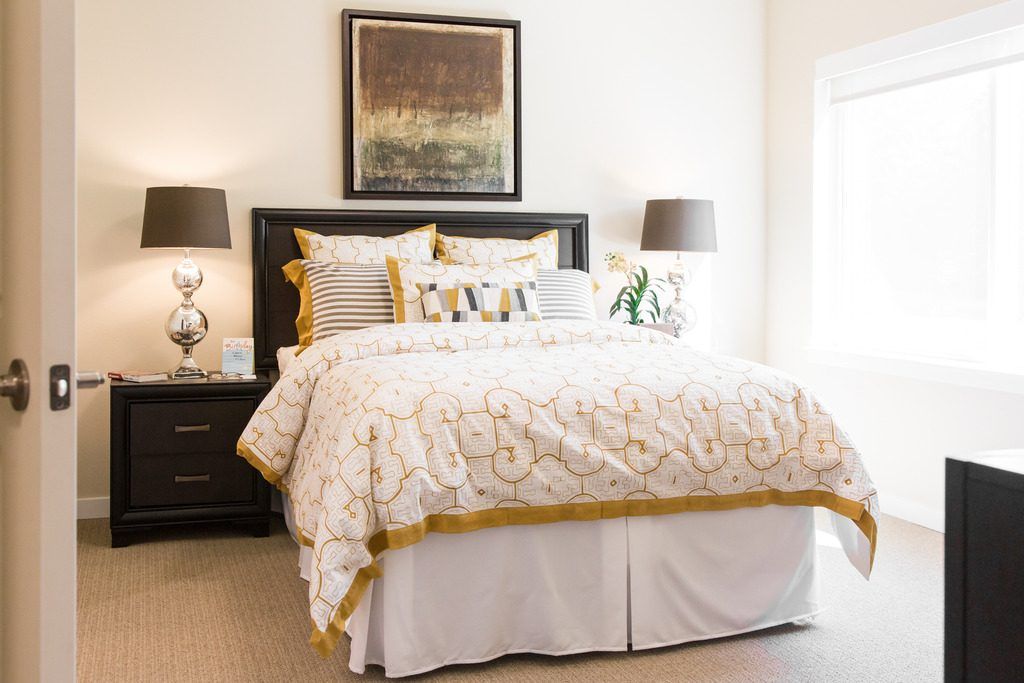
949 North West Market Street, Seattle, WA 98107
For more information about senior living options: (866) 208-4318
Overall Review of Aegis Living Ballard
Pros
 The staff are warm, welcoming, and genuinely caring, greeting residents by name with a smile.
- Residents feel safe and well cared for, with the team coordinating medical care and keeping families updated.
- The environment brings joy and dignity to daily life through engaging activities and delicious meals.
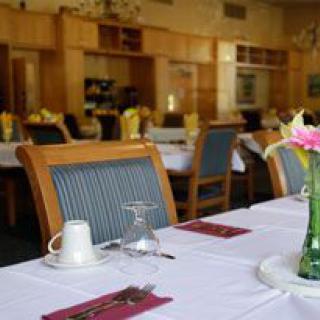
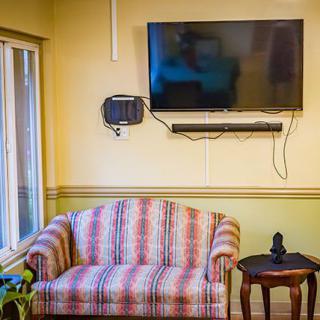
- The facilities are beautiful and well-appointed, with top-tier amenities valued by residents and families.
- Families find peace of mind knowing the staff feel like an extended family and provide reliable support.
- Leadership is inviting, open, and highly responsive to concerns.
- The community is peaceful yet vibrant, with a thriving social atmosphere and regular activities.
Cons
 The reviewer notes excessive leaf-blowing noise every morning from 7-9, even in the rain, disturbing a quiet neighborhood.
- The management at Aegis Living Ballard is described as a complete disappointment with a deeply broken system beneath its luxury branding.
- The leadership is characterized as disorganized, unresponsive, and more focused on profit than people—residents and staff alike.
- Staff are overworked, underpaid, and undervalued, which directly affects the quality of care residents receive.
- It feels like a shiny trap designed to impress families while quietly cutting corners behind the scenes.
Review
Aegis Living Ballard is best suited for families seeking a warm, socially vibrant assisted living home where staff investments feel personal and daily life is designed to delight as much as to support. This community excels for residents who value a family-like atmosphere, meaningful engagement, and a caregiving team that staff and family members feel genuinely connected to. The setting appeals especially to couples and individuals who want to stay socially active, enjoying regularly scheduled activities, plentiful dining options, and opportunities to participate in events that feel customized rather than transactional. For seniors with mobility challenges or early to mid-stage memory concerns, the staff’s hands-on approach and proactive coordination of medical needs offer reassurance that care isn’t just clinical, it's relational.
That said, several important caveats deserve close attention before deciding. Some reviewers flag leadership and operational dynamics as a real risk factor, describing a disorganized, profit-focused culture that can undermine trust and consistency. While the same community that inspires pride in its warm, attentive caregiving also invites scrutiny about how decisions are made, the impression from critics is that governance quality can influence day-to-day care and responsiveness. Families who prioritize a transparent, well-oiled management machine, where policies, staffing decisions, and accountability are clearly articulated, may want to weigh alternatives where those governance threads are tighter. Additionally, a concern about noise and routine disruptions in a quiet neighborhood is not merely theoretical in this setting, and for residents who highly prize uninterrupted quiet, that risk should be evaluated in situ.
On the upside, the strongest and most enduring pros are tangible and consistently observed across multiple families. The caregiving team is repeatedly described as welcoming, genuine, and engaged, with staff greeting residents by name and treating them as individuals with unique plans for the day. Families report meaningful continuity: caregivers navigate medical needs, coordinate with outside providers, and maintain open lines of communication, which translates into real peace of mind for relatives. The atmosphere of daily life is described as joyful, dignified, and purposeful, with a robust menu, diverse activities, and frequent in-house entertainment that keeps residents socially engaged. The physical environment, beautiful interiors, well-appointed dining spaces, and a lively lobby, contributes to a sense of pride in the place, making it easier for residents and families to feel that this is more than just a residence; it is a continued home.
Those meaningful benefits, however, must be weighed against the more cautious notes about operations. The same reviewers who celebrate the warmth of care also caution that staff workloads and pay can reflect systemic pressures, which, in turn, can affect consistency and responsiveness over time. A perception that leadership is more focused on branding and profitability than on everyday morale creates a tension that families cannot ignore when evaluating long-term confidence in the model. While many residents thrive under the care and social scaffolding provided, others worry that if governance or staffing stability deteriorates, the quality of care could become less reliable. In short, the core risk is not the care philosophy itself but whether the organization can sustain it with disciplined leadership and steady staffing.
Despite these tensions, the pros often overshadow the cons for families who place a premium on belonging, connection, and proactive care. The joy and dignity infused into daily life, meals, activities, and the chance to participate in family-centered programs, serve as powerful counterweights to governance concerns. Aegis Ballard’s emphasis on family involvement is not incidental; it’s designed to reduce fear and uncertainty during transitions, with family support groups and open channels to leadership that many families find genuinely comforting. For many residents, this translates into everyday moments of happiness, a network of friendships, and an environment where caregivers feel like partners rather than mere staff. When a resident’s needs evolve, the team’s readiness to adapt, accompanied by a high level of resident and family engagement, can make a difficult transition far more tolerable, if not pleasant.
The practical takeaway for families weighing Aegis Living Ballard is clear. If a resident’s priorities align with a vibrant, personable community where staff know names, foster social connections, and deliver coordinated medical oversight with warmth, this facility stands out as a compelling choice. Yet if governance clarity, predictable staffing continuity, and a serene, low-disruption environment are non-negotiables, there is merit in exploring alternatives. Prospective residents should demand concrete assurances: current nurse-to-resident ratios and shift patterns, a transparent tour of how care plans are updated and communicated, and direct conversations with both the leadership and the frontline team about responsiveness and accountability. It is prudent to review recent inspection findings, visit during a typical activity cycle to gauge consistency, and speak candidly with multiple families about their long-term satisfaction. In the right match, Aegis Ballard delivers a compelling blend of warmth, activity, and comprehensive care; in the wrong context, its governance and staffing dynamics could complicate what should be a simple, trusted transition to assisted living.
 21 resident community capacity
 Assisted Living
 Memory Care
 Beauty salon
 Cable or satellite TV
 Dining room
 Fully furnished
 Garden
 Housekeeping services
 Kitchenette
 Move-in coordination
 Outdoor space
 Telephone
 Wellness center
 Wi-Fi/high-speed internet available
 Seattle-Tacoma International (15 miles away)
 24-hour call system
 Activities of daily living assistance
 Assistance with bathing
 Assistance with dressing
 Assistance with transfers
 Diabetes diet
 Hospice waiver
 Meal preparation and service
 Medication management
 Mental wellness program
 Special dietary restrictions
 Transportation arrangement (medical)
 Transportation to doctors appointments




 A Detailed Exploration of Assisted Living Medicaid Waivers Across the United States
 Exploring the Contrasts Between Assisted Living and Skilled Nursing
 Vibrant Senior Living: A Comprehensive Guide for Active Older Adults