Golden Hill Adult Family Home in Shoreline, WA

Save
Golden Hill Adult Family Home Golden Hill Adult Family Home Golden Hill Adult Family Home Golden Hill Adult Family Home

Golden Hill Adult Family Home in Shoreline, WA

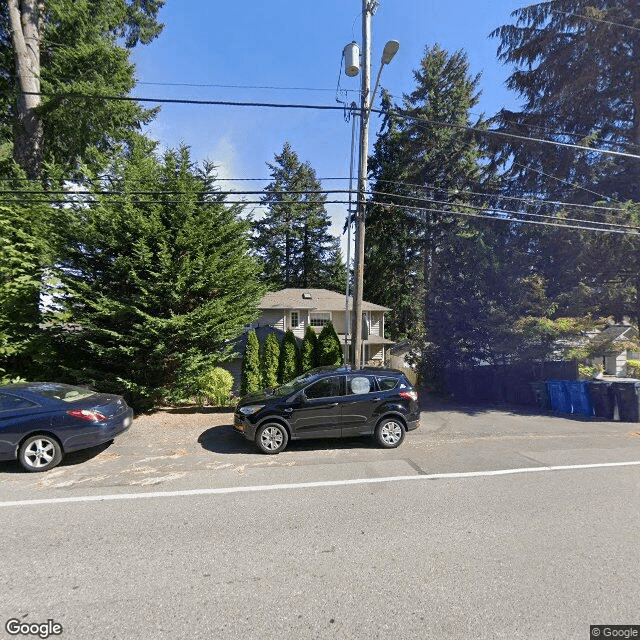
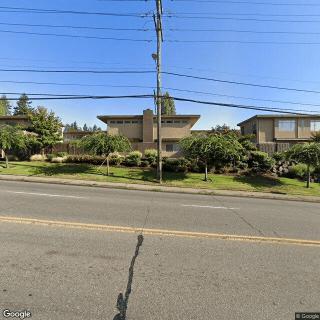
16744 Ashworth Ave N, Shoreline, WA 98133

For more information about senior living options: (844) 490-3973

4.6 from 26 reviews
5 stars
23
4 stars
0
3 stars
1
2 stars
0
1 stars
2

Board and Care Home Memory Care

Golden Hill Adult Family Home Costs & Pricing

Golden Hill Adult Family Home offers its private and one-bedroom accommodations at a monthly cost of $7,500, which is significantly higher than both the average in King County ($5,034 for private rooms and $5,127 for one-bedroom units) and across Washington State as a whole ($4,772 for private and $4,632 for one-bedroom options). This pricing reflects the unique features and tailored services provided by Golden Hill, which may appeal to individuals seeking an enhanced living environment or specialized care. The premium costs align with the home's commitment to quality and personalized attention, distinguishing it from more conventional options within the region.

Floor plansGolden Hill Adult Family HomeKing CountyWashington
Private$7,500$5,034$4,774
1 Bedroom$7,500$5,127$4,634

Overall Review of Golden Hill Adult Family Home

Pros

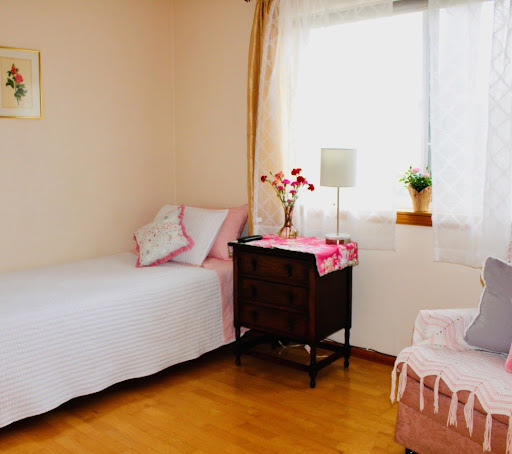
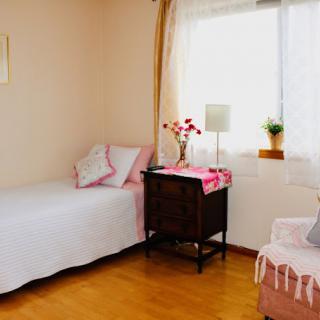
  • pro The home is lovely inside and out, nicely decorated and exceedingly clean.
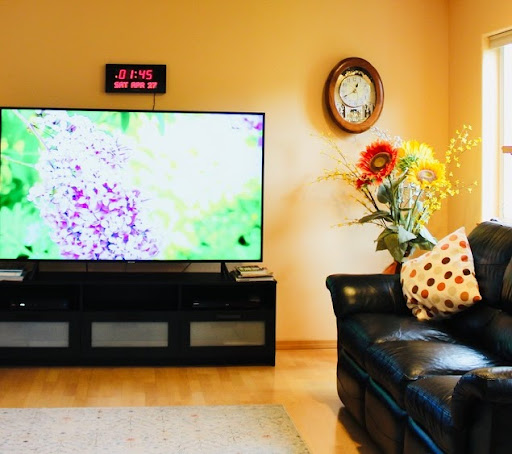
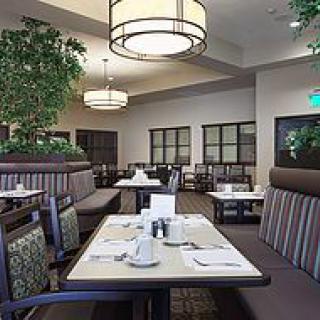
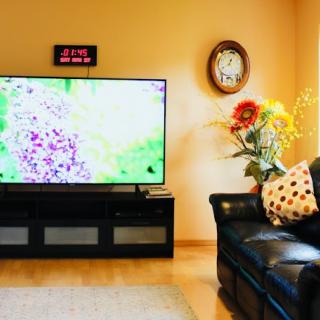
  • pro The common areas are roomy, light, and designed to provide privacy while welcoming group activities.
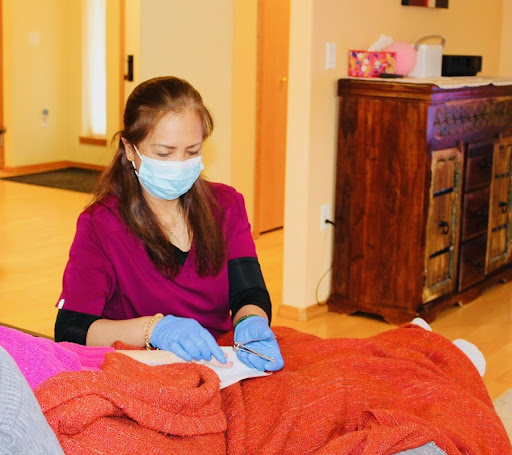
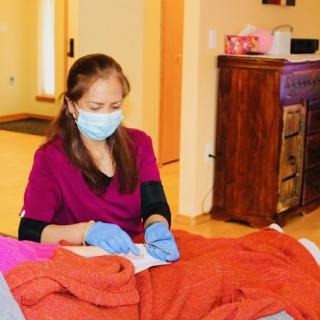
  • pro The staff are well trained, caring, and consistently attentive to residents' needs.
  • pro The food and attention to nutrition and hydration are excellent.
  • pro The home is located in a quiet natural setting surrounded by trees.
  • pro There is a large deck for residents to relax, and the porch is peaceful and beautiful.
  • pro The environment feels like a second family for residents, with staff who are genuinely affectionate and caring.
  • pro Gratiana and the staff are described as organized, compassionate, and trustworthy by visiting families.
  • pro The rooms offer privacy, and the facility is spacious and clean.
  • pro The care provided gives families peace of mind and confidence that their loved ones are in good hands.

Cons

  • pro They alleged Gratiana doped up the mother and interfered with doctors' orders.
  • pro They claimed Gratiana withheld two medications against the doctor's recommendations.
  • pro They described the staff as rude and not speaking English well.
  • pro They claimed staff slammed the door in visitors' faces.
  • pro They accused the facility of being a rip-off at $7,500 per month.
  • pro They said residents were kept inside the house with little to no outdoor activity.

Review

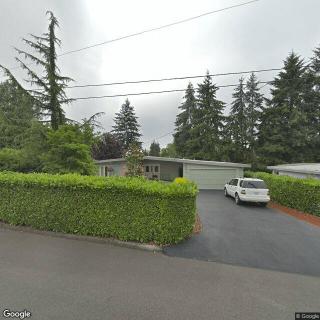
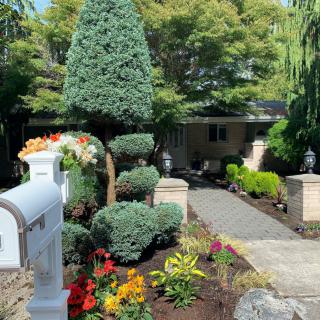
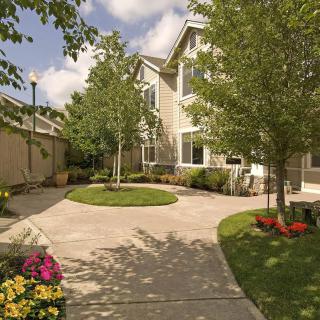
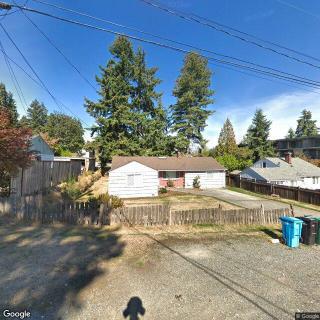
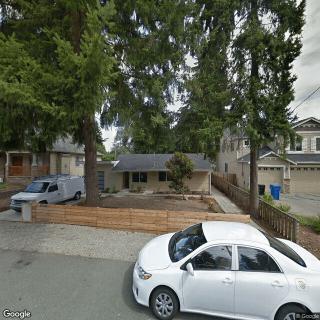
Golden Hill Adult Family Home in Shoreline is best suited for families seeking a warm, home-like environment where a small, private setting allows steady routines, personal attention, and easy access to caregivers. The house sits in a quiet, tree-lined neighborhood with a broad back deck and space for informal gatherings. Residents live in a six-bedroom home designed to preserve privacy while enabling social interaction in roomy common areas. The care model is hands-on and intimate, with on-site staff and a culture of close engagement. For families prioritizing consistent oversight, meticulous cleanliness, and a family-like atmosphere, Golden Hill delivers a dependable, homelike experience.

This community is especially appealing to those who value exceptional caregiver attention, strong medical coordination, and consistent communication with families. Long-term testimonials from families and medical professionals highlight a well-trained staff, proactive notice of subtle changes in residents' conditions, and solid collaboration with primary care providers and hospice teams. The owner is repeatedly described as attentive, and many families speak of peace of mind knowing their loved one is in capable hands. For seniors who thrive in a setting where staff know names, routines feel predictable, and privacy is respected, Golden Hill stands out.

The upside is reinforced by a robust clinical endorsement from one nurse-advisor who has worked with Golden Hill for years, praising nutrition, hydration, skincare, and vigilant advocacy. Cleanliness, well-organized operations, and a visible commitment to resident comfort are repeatedly cited as core strengths. The facility is described as safe, with medications secured and a structured approach to care. Families consistently report feeling treated like part of a big, caring extended family, and many note the home's natural setting - quiet mornings on the deck and easy opportunities for socializing in a non-institutional atmosphere.

Nevertheless, the community does carry potential trade-offs. Several reviews point to the small, intimate footprint with limited formal activity programming; residents mostly participate in light, client-directed activities or neighborhood walks rather than a structured activity calendar. The price point - about $7,500 per month in some accounts - can be a hurdle for families comparing options, especially when weighing the breadth of services against larger campuses. There is also a single negative account that raises red flags about perceived med-management issues and staff conduct, reminding families that real-world experiences can diverge within the same house. A final caveat is the occasional perception among outsiders that quick or assertive decisions may occur without broader consensus.

Those pros offset the cons most effectively for families who want a high-touch, caregiver-forward model and who can tolerate a more intimate activity footprint. The combination of frontline caregiving excellence, meticulous housekeeping, strong family communication, and dependable medical collaboration creates a compelling value for dementia care, hospice-partnered care, and end-of-life support within a home-like setting. The downside - fewer structured activities and a higher monthly cost - tends to matter less to those who place priority on safety, consistent attention, and intimate, respectful relationships between residents, families, and caregivers. Prospective residents should still verify the specific med-management practices and request current references to triangulate the one-star concerns.

In the end, Golden Hill AFH is a practical choice for families seeking a small, deeply caring environment with excellent staff training, hospital-grade cleanliness, and strong medical collaboration, all housed in a comforting, nature-surrounded home. It is not the pick for those who require expansive activity calendars, aggressive medical oversight, or highly budget-conscious options. For dementia and hospice scenarios, the setting can be a powerful fit when a home-like atmosphere, consistent oversight, and meaningful family involvement are priorities. Alternatives to consider would include larger assisted living campuses with more formal programming or other AFHs that emphasize broader activity schedules, if those factors are decisive in the decision.

Features

Types of Care

  • Board and Care Home Board and Care HomeBoard and care homes provide a smaller, more intimate setting for seniors who require assistance with daily tasks but do not need the level of care offered by a nursing home. They offer personalized care, meals, and social activities in a homelike environment, ensuring that seniors receive individualized attention and support in their golden years.
  • Memory Care Memory CareMemory care is crucial for seniors as it provides specialized support and services for individuals with dementia or Alzheimer's disease. These programs offer a safe and secure environment where residents receive personalized care, cognitive stimulation, and help with daily activities. Memory care helps seniors maintain their independence, quality of life, and dignity while also providing peace of mind for their families.

Pets

  • Cats allowed Cats allowed"Pet friendly" senior living communities are important for seniors because pets provide companionship, reduce feelings of loneliness and depression, promote physical activity and mental stimulation, and offer a sense of purpose and responsibility. Pets can improve overall well-being and quality of life for seniors in many ways.
  • Dogs allowed Dogs allowed"Pet friendly" senior living communities are important for seniors because pets provide companionship, reduce feelings of loneliness and depression, promote physical activity and mental stimulation, and offer a sense of purpose and responsibility. Pets can improve overall well-being and quality of life for seniors in many ways.

Amenities

  • Activities off-site Activities off-siteEngaging in off-site activities is crucial for seniors to maintain social connections, stay active, and stimulate their minds. It promotes overall well-being and helps combat feelings of isolation and loneliness.
  • Activities on-site Activities on-siteActivities on-site are important for seniors because they provide opportunities for socialization, mental stimulation, physical activity, and overall well-being. Engaging in activities can help seniors stay active, maintain their independence, and improve their quality of life.
  • Devotional services off-site Devotional services off-siteDevotional services off-site are important for seniors as they provide spiritual nourishment, social engagement, and a sense of community outside of the senior living facility. This can enhance overall well-being and help combat feelings of isolation and loneliness often experienced by older adults.
  • Indoor common areas Indoor common areasIndoor common areas are crucial for seniors as they provide a space for socialization, recreation, and community engagement, promoting overall well-being and reducing feelings of isolation and loneliness.
  • Outdoor common areas Outdoor common areasOutdoor common areas are important for seniors as they provide a space for socialization, physical activity, and relaxation. Being outside in nature can improve mood and overall well-being, while also encouraging movement and engagement with others. These spaces can help combat feelings of isolation and promote a sense of community among residents.
  • Private PrivatePrivacy is important for seniors as it allows them to maintain their independence, dignity, and sense of control over their own lives. It also gives them the space and freedom to relax, reflect, and engage in activities that bring them joy and fulfillment. Creating private spaces within senior living facilities is crucial for promoting overall well-being and quality of life.
  • Private bathrooms Private bathroomsPrivate bathrooms are important for seniors in senior living communities because they provide independence, dignity, and comfort. Having a private bathroom allows seniors to maintain their personal hygiene routines without the need for assistance, promoting a sense of autonomy and privacy. Additionally, private bathrooms help prevent the spread of infections and provide a safe and clean environment for seniors to navigate safely.
  • Respite or short term stays offered Respite or short term stays offeredRespite or short term stays provide seniors with a temporary solution when their regular caregiver is unavailable, offering them the opportunity to receive additional care and support during times of need, while also giving caregivers a chance to rest and recharge.
  • Wheelchair accessible showers Wheelchair accessible showersWheelchair accessible showers are crucial for seniors as they provide a safe and independent bathing option for those with mobility challenges. These showers help prevent falls and allow seniors to maintain their dignity and autonomy while ensuring they can bathe comfortably.

Transportation

  • Seattle-Tacoma International (21 miles away) Seattle-Tacoma International (21 miles away)

Care Services

  • Diabetic care Diabetic careDiabetic care is crucial for seniors as they are more susceptible to developing diabetes due to aging and other health conditions. Proper management of diabetes can help prevent complications such as heart disease, vision loss, and nerve damage, improving the overall quality of life for seniors in senior living communities.
  • High acuity care High acuity careHigh acuity care is important for seniors because it provides specialized medical attention and support for individuals with complex medical needs. This level of care ensures that seniors receive the appropriate treatment and assistance to maintain their health and quality of life as they age.
  • Incontinence care Incontinence careIncontinence care is essential for seniors to maintain their dignity, hygiene, and overall quality of life. By addressing incontinence issues promptly and effectively, seniors can enjoy a sense of independence and comfort in their daily activities.
  • Medication management Medication managementMedication management is crucial for seniors to ensure they are taking the right medications at the correct dosages and times. This helps prevent adverse drug interactions, reduces the risk of medication errors, and promotes overall health and well-being. Proactive management also allows for adjustments as needed based on changing health conditions or new prescriptions.

Dining

  • Kosher KosherKosher options are important for seniors because they adhere to dietary laws that are significant to many Jewish individuals, providing them with peace of mind and an opportunity to maintain their cultural traditions and beliefs while living in a senior living community.
  • Meals provided Meals provided"Meals provided" are crucial for seniors in assisted living communities as it ensures they have access to nutritious, balanced meals without the stress of meal planning and preparation. This can help promote overall health and well-being for seniors who may have limited mobility or cognitive abilities.
  • Vegetarian VegetarianA vegetarian diet is important for seniors because it can help lower the risk of chronic diseases, maintain a healthy weight, and provide essential nutrients needed for aging bodies. Additionally, plant-based diets are often easier on digestive systems and can contribute to overall well-being in older adults.

Activities

  • Activities off-site Activities off-siteEngaging in off-site activities is crucial for seniors to maintain social connections, stay active, and stimulate their minds. It promotes overall well-being and helps combat feelings of isolation and loneliness.
  • Activities on-site Activities on-siteActivities on-site are important for seniors because they provide opportunities for socialization, mental stimulation, physical activity, and overall well-being. Engaging in activities can help seniors stay active, maintain their independence, and improve their quality of life.
  • BBQs or picnics BBQs or picnicsBBQs or picnics provide seniors with social interaction, enjoyment of the outdoors, and a sense of community, contributing to their overall well-being and quality of life.
  • Birthday parties Birthday partiesBirthday parties are important for seniors as they provide an opportunity for celebration, socialization, and joy. They allow seniors to feel special and appreciated, boosting their mood and overall well-being. Additionally, birthday parties can help combat feelings of isolation and loneliness by fostering connections with friends, family, and community members.
  • Devotional activities offsite Devotional activities offsiteDevotional activities offsite are important for seniors because they provide social engagement, spiritual growth, and a sense of community outside of their living environment. This can improve overall well-being, mental health, and combat feelings of isolation or loneliness.
  • Holiday parties Holiday partiesHoliday parties are important for seniors because they provide opportunities for socialization, community involvement, and mental stimulation. These festive events offer a sense of belonging and connection during a time that can be lonely for many older adults. Additionally, participating in holiday celebrations can boost mood and overall well-being for seniors living in senior living communities.
  • Stretching classes Stretching classesStretching classes are important for seniors because they help improve flexibility, reduce the risk of injury, and promote overall health and well-being. Regular stretching can also help alleviate joint pain and stiffness, enhance balance and coordination, and increase range of motion.

Description

Golden Hill Adult Family Home is a warm, inviting assisted living community located in the beautiful neighborhood of Shoreline, WA. Our dedicated staff provides specialized memory care for seniors with Alzheimer's disease and other forms of dementia.

At Golden Hill, we strive to create a comfortable and safe environment for our residents. Our amenities include spacious indoor common areas where residents can socialize and engage in activities together. For those who enjoy the outdoors, we have lovely outdoor common areas where they can relax and enjoy the fresh air.

Each resident at Golden Hill has their own private room with a private bathroom for added privacy and convenience. We also offer respite or short-term stays for those who need temporary care or assistance.

Our caring staff is trained to provide high acuity care and incontinence care to meet the unique needs of our memory care residents. They are also experienced in medication management to ensure that each resident receives their medications on time and as prescribed.

Nutritious meals are provided daily, with options available for vegetarian diets. We believe that staying active and engaged is important, so we offer a variety of activities on-site such as BBQs or picnics, birthday parties, holiday parties, devotional activities off-site, and stretching classes.

Conveniently located near cafes, parks, pharmacies, physicians' offices, restaurants, transportation options, and hospitals- Golden Hill makes it easy for residents to access various amenities and services within the community.

At Golden Hill Adult Family Home in Shoreline, WA - we are committed to providing quality memory care services in a compassionate environment that promotes overall well-being for our residents.

Nearby Places of Interest

This part of Shoreline, Washington offers a convenient and diverse range of amenities for seniors looking to relocate. With multiple pharmacies within close proximity, access to healthcare and medications is easily accessible. There are also several cafes and restaurants nearby providing options for dining out or grabbing coffee with friends. The area boasts several parks for leisurely walks or outdoor activities, as well as hospitals located within a short drive for emergency medical care. Public transportation options are available for those without personal vehicles, making it easy to explore the surrounding areas. Additionally, there are physician offices in the vicinity for routine check-ups and medical consultations. For entertainment, there is a movie theater in the neighboring town for watching the latest films. Overall, this part of Shoreline offers a well-rounded community with amenities that cater to the needs of seniors looking for convenience and comfort in their daily lives.

Pharmacies

  • Walgreens (0.4 miles)
  • Fred Meyer Pharmacy (0.8 miles)
  • Bartell Drugs (0.8 miles)
  • Walgreens (1.2 miles)
  • QFC Pharmacy (1.5 miles)
  • Rite Aid (1.5 miles)
  • Rite Aid (2.2 miles)

Cafes

  • Starbucks (0.8 miles)
  • Starbucks (2.9 miles)
  • Starbucks (3 miles)
  • Diva Espresso (3.2 miles)
  • Woods Coffee (3.3 miles)
  • Walnut Street Coffee (4.2 miles)
  • Starbucks (4.3 miles)

Restaurants

  • McDonald's (1 miles)
  • The Habit Burger Grill (1.7 miles)
  • Chick-Fil-A (2 miles)
  • Dick's Drive-In (3.1 miles)
  • Dick's Drive-In (3.4 miles)
  • Seaplane Kitchen & Bar (4.2 miles)
  • The Guest House (4.3 miles)

Parks

  • Echo Lake Park (1.5 miles)
  • Richmond Beach Saltwater Park (2.2 miles)
  • Lake Ballinger Park (2.6 miles)
  • Carkeek Park (3.1 miles)
  • Log Boom Park (3.5 miles)
  • Saint Edward State Park (4.1 miles)
  • Greenwood Park (4.1 miles)

Hospitals

  • Northwest Hospital (2.6 miles)
  • Swedish Medical Center (3.5 miles)

Transportation

  • Northgate Station Seattle (3.5 miles)
  • Northgate Transit Center (3.5 miles)
  • Roosevelt Station Seattle (5.4 miles)
  • U District Station (6.5 miles)

Physicians

  • Ballard Pediatric Clinic PS (5 miles)
  • Lakeshore Clinic (6.2 miles)
  • Warby Parker (6.4 miles)

Theaters

  • AMC Alderwood Mall 16 (6 miles)

Frequently Asked Questions

How much does it cost to live at Golden Hill Adult Family Home in Shoreline, WA?
Where is Golden Hill Adult Family Home?
Does Golden Hill Adult Family Home provide care for residents with dementia or Alzheimer's disease?
Does Golden Hill Adult Family Home allow residents to have pets?
What photos are available for Golden Hill Adult Family Home in Shoreline, Washington?

Nearby Communities

  • Shoreline Adult Family Home

    Shoreline Adult Family Home

    Shoreline, WA

     
    $2,000 / month

    pro Affordable private room with personalized care in a quiet Shoreline setting, near cafes, parks, pharmacies, and hospitals.

  • The Oaks At Forest Bay

    The Oaks At Forest Bay

    Shoreline, WA


    pro Extensive amenities and social activities with comprehensive care services.

  • Eco's Adult Family Home

    Eco's Adult Family Home

    Shoreline, WA

    5 from 3 reviews
    $9,000 / month

    pro Specialized memory care in a compassionate, residential setting with personalized attention.

  • Bernardita F. Sarausad Adult Family Home

    Bernardita F. Sarausad Adult Family Home

    Shoreline, WA

     
    $4,500 / month

    pro Competitive private room pricing relative to King County and WA averages, with access to high acuity care and nearby amenities (pharmacies, hospitals, restaurants).

  • Mill Creek AFH Inc III

    Mill Creek AFH Inc III

    Shoreline, WA


    pro Prime Shoreline location with extensive nearby amenities and personalized care.

  • River of Life Home Care

    River of Life Home Care

    Shoreline, WA

    4.7 from 3 reviews
    $4,000 to $5,000 / month

    pro Homemade meals and attentive, family-run care in a small, well-maintained home.

  • Aegis Living Callahan House

    Aegis Living Callahan House

    Shoreline, WA

    4 from 16 reviews
     

    pro Private rooms with personalized activities in a bright, clean environment.

  • Laurel Cove Community

    Laurel Cove Community

    Shoreline, WA

    4.2 from 54 reviews
     

    pro Welcoming atmosphere with personalized, attentive care and clean, well-maintained facilities.

  • Shoreline Health and Rehab Center

    Shoreline Health and Rehab Center

    Seattle, WA


    pro Strong nearby dining, parks, pharmacies, and healthcare options.

Related Resources

  • sundown syndromeComprehending Evening Confusion in Dementia: Causes, Manifestations, and Support

    Sundown syndrome, or sundowning, is a phenomenon in dementia patients characterized by increased confusion and agitation during late afternoon and evening, influenced by factors like disrupted circadian rhythms and fatigue. Effective caregiver strategies include establishing routines and managing environmental light while addressing caregiver stress through support services.

  • delirium vs dementiaDelirium and Dementia: Unraveling the Key Differences

    Delirium is a rapidly onset, reversible cognitive disturbance often caused by acute medical issues, while dementia is a gradual and irreversible decline due to chronic neurodegenerative diseases. Accurate differentiation between the two is essential for appropriate treatment and management in older adults.

  • can you die from dementiaAre Dementia and Alzheimer's Disease Lethal? A Comprehensive Exploration
    Dementia, including Alzheimer’s disease, is often mischaracterized in terms of lethality as it leads to complications that can be fatal rather than being a direct cause of death; it causes a progressive decline in cognitive and physical health, making patients vulnerable to infections and other health crises. Effective management of nutrition, hydration, and communication is crucial in patient care, with palliative care becoming vital in advanced stages to enhance comfort and quality of life while caregivers play a key role amidst the challenges posed by the disease.