River of Life Home Care in Shoreline, WA

Save
River of Life Home Care

River of Life Home Care in Shoreline, WA

239 NE 178th Street, Shoreline, WA 98155

For more information about senior living options: (844) 490-3973

4.7 from 3 reviews
5 stars
2
4 stars
1
3 stars
0
2 stars
0
1 stars
0

Board and Care Home

River of Life Home Care Costs & Pricing

River of Life Home Care offers competitive rates for its services, providing semi-private rooms at $4,000 per month, which is lower than both the King County average of $4,430 and the state average of $4,267. For those seeking more privacy, the facility's private rooms are priced at $5,000 monthly - slightly below the King County rate of $5,034 and higher than the statewide average of $4,772. This pricing structure reflects a commitment to delivering quality care while maintaining affordability in comparison to local and state averages.

Floor plansRiver of Life Home CareKing CountyWashington
Semi-Private$4,000$4,430$4,272
Private$5,000$5,034$4,774

Overall Review of River of Life Home Care

Pros

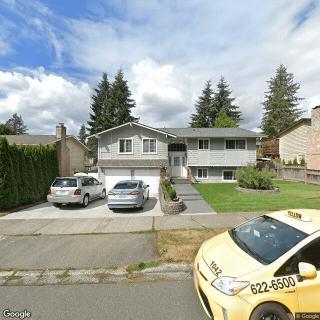
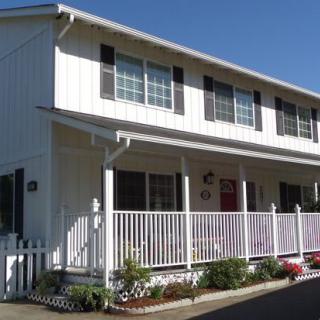
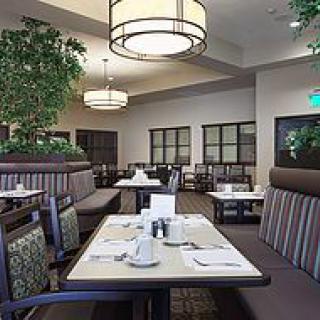
  • pro The facility is clean, well maintained, and family oriented.
  • pro Mulu and her husband provided tremendous loving, compassionate service for residents in their final days.
  • pro Families are grateful for the care provided.
  • pro The meals are homemade and well liked by residents.
  • pro Caregivers provide attentive care to residents.
  • pro Residents have new rooms and the home is kept clean.
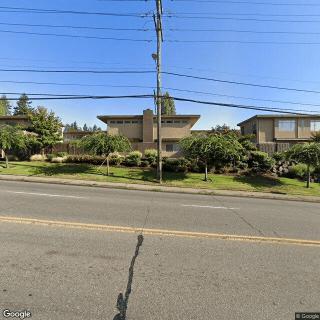
  • pro The home is conveniently located near the highway.
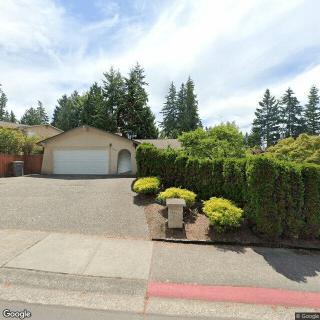
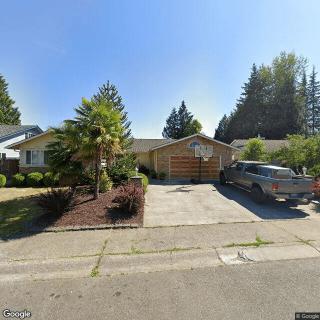
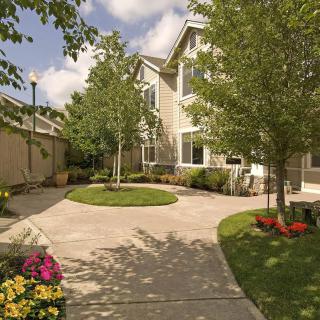
  • pro The home is well appointed inside and out, with manicured d?cor.
  • pro An initial assessment is conducted to determine needs and fit.

Cons

  • pro There is no tub or shower, and some rooms share a bathroom.
  • pro The facility has only four rooms with two bathrooms, meaning residents must share facilities.
  • pro The PM caregiver is usually on the couch, listening for calls rather than actively assisting.

Review

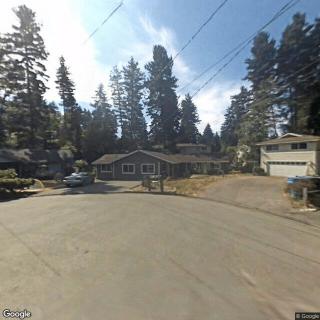
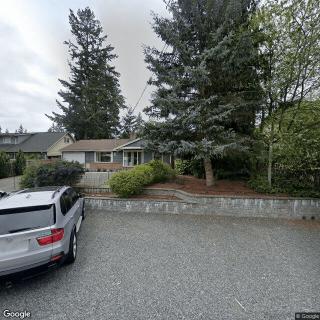
River of Life Home Care in Shoreline is best suited for families seeking a small, home-like care setting where compassionate, hands-on attention comes first and the caregiving team feels like an extension of family. The home is described as clean, well maintained, and family oriented, with Mulu and her husband actively providing care as CNAs and a nurse daughter who can cover as needed. With only four rooms and a domestic, intimate atmosphere, residents receive personalized supervision and a strong sense of familiarity. The pricing is transparent, with a basic fee around $5,000, signaling a model that emphasizes intimate caretaking over impersonally large operations. For families prioritizing warmth, continuity, and direct access to the caregivers, this environment can be a rare and valuable fit.

Those weighing alternatives should consider this setting against needs for private space, extensive medical oversight, or a more routine, larger community program. If a resident requires frequent, on-site medical procedures, a private, in-room bathroom, or a day-to-day social calendar with scheduled activities in a larger building, River of Life may feel limiting. Families seeking robust, resident-led programming or memory-care oriented structures might find more comfort in communities with bigger staff teams, more common areas, and formal amenities. Likewise, if a private bathroom is non-negotiable or if a 24/7 nurse-on-site model is essential, other options warrant exploration.

The strongest pros here - tight-knit oversight, evident love and dedication from the owners, and a clear emphasis on comfort - largely offset the main constraints. The caregiving team's hands-on approach and the practical nursing background of the owners contribute to reliable day-to-day care, especially during delicate periods. Home-cooked meals, flexible meal times, and the option for individualized activities when wanted foster a dignified, resident-centered experience. The meticulous attention to a clean, well-kept environment, plus a home-like decor and manicured setting, reduces the unfamiliar stress many seniors feel when entering care. The assessment process at intake helps ensure the arrangement matches the person's needs from the start, which is a meaningful predictor of satisfaction and safety.

However, the model does have notable trade-offs. The facility's size and layout mean several residents share bathrooms, with only one private bathroom in a double room and no tub or shower in the general arrangement. For anyone prioritizing privacy, mobility aids, or easy access to bathing, this can be a meaningful constraint. Staffing dynamics also matter: a PM caregiver is typically on the couch nearby, listening for calls, which suggests excellent responsiveness but may feel less continuous than a fully staffed, larger operation. Yet the presence of a night bell provides a safety net for nocturnal needs, helping to mitigate concerns about supervision gaps.

In daily life, the care model supports autonomy when a resident wants it, while still offering strong support when desired. Medications are securely stored, a practical detail that reduces risk, and the live-in care team creates a familiar, low-stress rhythm that can be crucial for comfort at home. The mix of homemade meals, flexible scheduling, and a willingness to tailor activities to the resident's preferences strengthens the sense of dignity and choice. The proximity to major roads can be a convenience factor for families visiting or coordinating care, and the overall presentation - clean spaces, well-kept grounds, and thoughtful decor - reinforces a sense of pride in the household-style operation.

Bottom line: River of Life is an excellent match for families prioritizing a small, intimate, and highly compassionate care environment where staff know the resident well and care is delivered with a familial touch. It shines for those who value a hands-on, nurse-led caregiving ethos, home-cooked meals, and a setting that feels like a caring home rather than a clinical campus. It may not be the best fit for families needing extensive private accommodations, high-volume social programming, or broad on-site medical services. Prospective families should weigh the comfort, intimacy, and personalized attention against the limited private bathroom options and the compact, home-based footprint, and determine whether this gentle, attentive model aligns with the resident's privacy and medical needs.

Features

Types of Care

  • Board and Care Home Board and Care HomeBoard and care homes provide a smaller, more intimate setting for seniors who require assistance with daily tasks but do not need the level of care offered by a nursing home. They offer personalized care, meals, and social activities in a homelike environment, ensuring that seniors receive individualized attention and support in their golden years.

Amenities

  • Activities off-site Activities off-siteEngaging in off-site activities is crucial for seniors to maintain social connections, stay active, and stimulate their minds. It promotes overall well-being and helps combat feelings of isolation and loneliness.
  • Activities on-site Activities on-siteActivities on-site are important for seniors because they provide opportunities for socialization, mental stimulation, physical activity, and overall well-being. Engaging in activities can help seniors stay active, maintain their independence, and improve their quality of life.
  • Devotional services off-site Devotional services off-siteDevotional services off-site are important for seniors as they provide spiritual nourishment, social engagement, and a sense of community outside of the senior living facility. This can enhance overall well-being and help combat feelings of isolation and loneliness often experienced by older adults.
  • Devotional services on-site Devotional services on-siteDevotional services on-site provide seniors with spiritual support and a sense of community, as well as an opportunity for reflection and guidance during their senior living experience. This can promote emotional well-being and connection to others, leading to a more fulfilling and enriching lifestyle in their later years.
  • Indoor common areas Indoor common areasIndoor common areas are crucial for seniors as they provide a space for socialization, recreation, and community engagement, promoting overall well-being and reducing feelings of isolation and loneliness.
  • Private PrivatePrivacy is important for seniors as it allows them to maintain their independence, dignity, and sense of control over their own lives. It also gives them the space and freedom to relax, reflect, and engage in activities that bring them joy and fulfillment. Creating private spaces within senior living facilities is crucial for promoting overall well-being and quality of life.
  • Private bathrooms Private bathroomsPrivate bathrooms are important for seniors in senior living communities because they provide independence, dignity, and comfort. Having a private bathroom allows seniors to maintain their personal hygiene routines without the need for assistance, promoting a sense of autonomy and privacy. Additionally, private bathrooms help prevent the spread of infections and provide a safe and clean environment for seniors to navigate safely.
  • Respite or short term stays offered Respite or short term stays offeredRespite or short term stays provide seniors with a temporary solution when their regular caregiver is unavailable, offering them the opportunity to receive additional care and support during times of need, while also giving caregivers a chance to rest and recharge.
  • Wheelchair accessible showers Wheelchair accessible showersWheelchair accessible showers are crucial for seniors as they provide a safe and independent bathing option for those with mobility challenges. These showers help prevent falls and allow seniors to maintain their dignity and autonomy while ensuring they can bathe comfortably.

Transportation

  • Seattle-Tacoma International (21 miles away) Seattle-Tacoma International (21 miles away)

Care Services

  • Ambulatory care Ambulatory care"Ambulatory care services provide essential medical support and treatment to seniors without requiring hospitalization, allowing them to maintain their independence and quality of life while managing chronic conditions or receiving routine medical care."
  • Diabetic care Diabetic careDiabetic care is crucial for seniors as they are more susceptible to developing diabetes due to aging and other health conditions. Proper management of diabetes can help prevent complications such as heart disease, vision loss, and nerve damage, improving the overall quality of life for seniors in senior living communities.
  • High acuity care High acuity careHigh acuity care is important for seniors because it provides specialized medical attention and support for individuals with complex medical needs. This level of care ensures that seniors receive the appropriate treatment and assistance to maintain their health and quality of life as they age.
  • Incontinence care Incontinence careIncontinence care is essential for seniors to maintain their dignity, hygiene, and overall quality of life. By addressing incontinence issues promptly and effectively, seniors can enjoy a sense of independence and comfort in their daily activities.
  • Medication management Medication managementMedication management is crucial for seniors to ensure they are taking the right medications at the correct dosages and times. This helps prevent adverse drug interactions, reduces the risk of medication errors, and promotes overall health and well-being. Proactive management also allows for adjustments as needed based on changing health conditions or new prescriptions.

Dining

  • Kosher KosherKosher options are important for seniors because they adhere to dietary laws that are significant to many Jewish individuals, providing them with peace of mind and an opportunity to maintain their cultural traditions and beliefs while living in a senior living community.
  • Meals provided Meals provided"Meals provided" are crucial for seniors in assisted living communities as it ensures they have access to nutritious, balanced meals without the stress of meal planning and preparation. This can help promote overall health and well-being for seniors who may have limited mobility or cognitive abilities.
  • Vegetarian VegetarianA vegetarian diet is important for seniors because it can help lower the risk of chronic diseases, maintain a healthy weight, and provide essential nutrients needed for aging bodies. Additionally, plant-based diets are often easier on digestive systems and can contribute to overall well-being in older adults.

Activities

  • Activities off-site Activities off-siteEngaging in off-site activities is crucial for seniors to maintain social connections, stay active, and stimulate their minds. It promotes overall well-being and helps combat feelings of isolation and loneliness.
  • Activities on-site Activities on-siteActivities on-site are important for seniors because they provide opportunities for socialization, mental stimulation, physical activity, and overall well-being. Engaging in activities can help seniors stay active, maintain their independence, and improve their quality of life.
  • Devotional activities offsite Devotional activities offsiteDevotional activities offsite are important for seniors because they provide social engagement, spiritual growth, and a sense of community outside of their living environment. This can improve overall well-being, mental health, and combat feelings of isolation or loneliness.
  • Devotional activities on-site Devotional activities on-siteDevotional activities on-site provide seniors with a sense of community, spiritual fulfillment, and emotional support, promoting overall well-being and a positive sense of purpose in their lives.

Description

River of Life Home Care is an assisted living community located in the charming town of Shoreline, WA. Our community offers a range of amenities and care services to ensure that our residents enjoy a comfortable and fulfilling lifestyle.

Our amenities include various on-site activities designed to engage and entertain our residents. We also provide devotional services both on-site and off-site for those seeking spiritual enrichment. Our indoor common areas offer comfortable spaces where residents can socialize and relax.

Each resident at River of Life Home Care enjoys the privacy of their own private room, complete with a private bathroom. For those in need of short-term stays or respite care, we offer flexible options to accommodate their needs. Additionally, our community features wheelchair accessible showers to enhance mobility and convenience for all residents.

We understand the importance of specialized care services, which is why we offer diabetic care, high acuity care, incontinence care, and medication management. Our dedicated staff members are trained to provide personalized assistance to meet the individual needs of each resident.

Dining at River of Life Home Care is a delightful experience, with nutritious meals provided daily. We also cater to dietary preferences by offering vegetarian options for those who prefer them.

Residents can enjoy a variety of activities both on-site and off-site, including devotional activities for spiritual nourishment. And with 7 cafes, 10 parks, 21 pharmacies, 9 restaurants, 2 transportation options, and 2 hospitals nearby, our location provides convenient access to essential facilities and services.

At River of Life Home Care, we strive to create a welcoming environment where our residents feel cared for and supported. Come visit us today and see how our community can provide the comfort and assistance you or your loved one needs.

Nearby Places of Interest

This part of Shoreline, Washington offers convenience and accessibility to essential amenities such as pharmacies, cafes, parks, restaurants, hospitals, transportation options, theaters, and medical facilities. With multiple pharmacies within a short distance, obtaining medication and healthcare services is easily accessible. Additionally, there are a variety of dining options nearby for enjoyable meals out. The proximity to parks allows for outdoor recreation and relaxation opportunities. For medical needs, there are reputable hospitals and clinics in the area providing quality healthcare services. Public transportation options make it convenient to travel around the area. Overall, this part of Shoreline provides a well-rounded community with ample resources for older adults seeking a comfortable and convenient living environment.

Pharmacies

  • Walgreens (0.9 miles)
  • Bartell Drugs (0.9 miles)
  • Fred Meyer Pharmacy (1 miles)
  • Rite Aid (1.5 miles)
  • Walgreens (1.8 miles)
  • QFC Pharmacy (1.8 miles)
  • Rite Aid (1.9 miles)

Cafes

  • Starbucks (0.9 miles)
  • Woods Coffee (2.9 miles)
  • Starbucks (3 miles)
  • Starbucks (3.4 miles)
  • Diva Espresso (3.8 miles)
  • Walnut Street Coffee (4.2 miles)
  • Starbucks (4.8 miles)

Parks

  • Echo Lake Park (1.3 miles)
  • Lake Ballinger Park (2.2 miles)
  • Richmond Beach Saltwater Park (2.7 miles)
  • Log Boom Park (2.9 miles)
  • Saint Edward State Park (3.6 miles)
  • Carkeek Park (3.7 miles)
  • Greenwood Park (4.6 miles)

Restaurants

  • The Habit Burger Grill (1.6 miles)
  • McDonald's (1.6 miles)
  • Chick-Fil-A (2.6 miles)
  • Dick's Drive-In (3 miles)
  • Dick's Drive-In (3.1 miles)
  • Seaplane Kitchen & Bar (3.5 miles)
  • The Guest House (3.8 miles)

Hospitals

  • Northwest Hospital (3 miles)
  • Swedish Medical Center (3.2 miles)

Transportation

  • Northgate Transit Center (3.8 miles)
  • Northgate Station Seattle (3.8 miles)
  • Roosevelt Station Seattle (5.7 miles)

Theaters

  • AMC Alderwood Mall 16 (5.4 miles)

Physicians

  • Ballard Pediatric Clinic PS (5.5 miles)
  • Lakeshore Clinic (5.6 miles)
  • Warby Parker (6.6 miles)

Frequently Asked Questions

How much does it cost to live at River of Life Home Care in Shoreline, WA?
Where is River of Life Home Care?

Nearby Communities

  • Mill Creek AFH Inc III

    Mill Creek AFH Inc III

    Shoreline, WA


    pro Prime Shoreline location with extensive nearby amenities and personalized care.

  • Golden Pond Health AFH

    Golden Pond Health AFH

    Shoreline, WA

     
    $3,500 / month

    pro Competitive price for memory care with high-acuity support and private rooms.

  • Hillwood Senior Care 2

    Hillwood Senior Care 2

    Shoreline, WA

     
    $7,000 to $7,500 / month

    pro Specialized memory care with private rooms and on-site activities; convenient Shoreline location near amenities.

  • Sacred Heart Adult Family Home

    Sacred Heart Adult Family Home

    Shoreline, WA

     
    $2,400 to $3,000 / month

    pro Affordable private/semi-private rooms with respite/short-term stay options compared to King County and WA averages

  • Shekina Place Care Home

    Shekina Place Care Home

    Shoreline, WA


    pro Warm assisted living with strong access to nearby amenities (parks, cafes, pharmacies, hospitals, restaurants) and diabetic care.

  • Holy Living AFH

    Holy Living AFH

    Shoreline, WA

    5 from 4 reviews
     

    pro Memory care-focused with dedicated staff and convenient access to pharmacies, parks, and dining.

  • Laurel Cove Community

    Laurel Cove Community

    Shoreline, WA

    4.2 from 54 reviews
     

    pro Welcoming atmosphere with personalized, attentive care and clean, well-maintained facilities.

  • Aegis Living Callahan House

    Aegis Living Callahan House

    Shoreline, WA

    4 from 16 reviews
     

    pro Private rooms with personalized activities in a bright, clean environment.

  • Shoreline Health and Rehab Center

    Shoreline Health and Rehab Center

    Seattle, WA


    pro Strong nearby dining, parks, pharmacies, and healthcare options.

Related Resources

  • skilled nursing facility vs nursing homeSkilled Nursing Facilities vs. Nursing Homes: Making Sense of the Differences

    Skilled nursing facilities (SNFs) provide high-level medical care and rehabilitation for short-term recovery, typically covered by Medicare after hospitalization, while nursing homes focus on ongoing custodial care for chronic conditions, mainly funded by Medicaid or private payments. The staffing and regulatory structures differ significantly between the two, necessitating clarity for families in choosing appropriate long-term care options.

  • nursing home costsA Detailed Examination of Nursing Home Costs Across the U.S.
    Nursing home care costs in the U.S. vary significantly based on location, level of care, and amenities, with private room prices ranging from approximately $6,700 to over $30,000 monthly. Families need to explore various payment options and conduct thorough research to manage these expenses effectively.

  • non medical home careExploring Nonmedical Home Care: Understanding Services, Costs, and Financial Approaches

    Nonmedical home care provides assistance with daily activities and companionship for individuals wishing to maintain independence and quality of life at home, without medical intervention. Its growing popularity is driven by an aging population, the need for supportive environments for recovery, and the emotional benefits of caregiver companionship, while costs vary based on service frequency and location.