
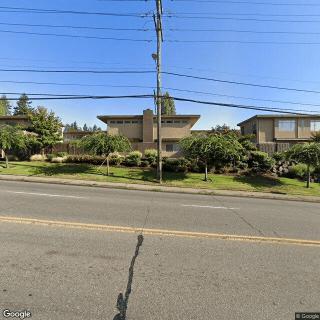
16357 Aurora Avenue North, Shoreline, WA 98133
For more information about senior living options: (866) 208-4318
Overall Review of The Oaks At Forest Bay
Pros
 The staff are excellent.
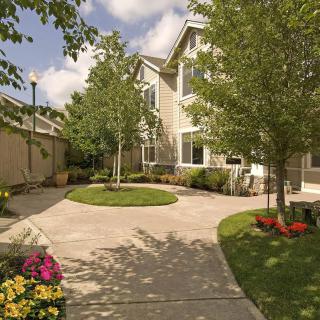
- The courtyard is great for barbecues.
- The caregivers are compassionate.
- The facility has dedicated staff who go the extra mile to meet residents' needs.
- The staff are super friendly.
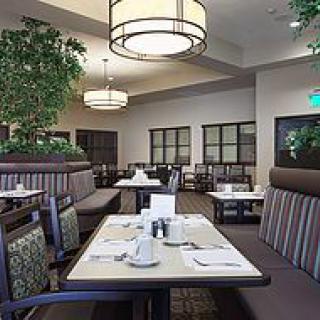
- The food is good.
- The leadership team has done a wonderful job transforming the care and feel of the building.
- The Oaks at Forest Bay is highly recommended for anyone needing care.
Cons
 They claim there is not enough staff to help with accommodations for long-term care.
- They note there are no accommodations for family visits, such as food or lodging for families traveling five or six hours.
- They say the website’s claim that all call lights are answered all the time is a lie.
- They report a CNA walked past a call light three times, and that the nurses don’t care about their patients.
- They state they finally called the ombudsman, indicating they are fed up.
Review
The Oaks at Forest Bay in Shoreline is best suited for families seeking a warm, caregiver-driven environment where residents experience genuine warmth from staff, solid daily meals, and a community feel that makes social time feel meaningful. It is a practical fit for seniors who want hands-on, compassionate care in a setting that reflects ongoing improvements under new ownership, with an emphasis on resident comfort and a well-used outdoor courtyard that supports gatherings.
Key strengths show up in the people on the floor. Multiple districts of praise point to excellent, dedicated staff who consistently go the extra mile to meet resident needs. The care culture is described as compassionate and genuinely friendly, with caregivers who remember residents and treat them with respect. The dining experience is solid, and the courtyard is a tangible asset for activities and outdoor visiting. The improved leadership under new ownership signals a real effort to transform the care and the feel of the building, a factor that should reassure families who want to see tangible progress over time.
Yet the weaknesses cannot be ignored. The most persistent concern centers on staffing levels for long-term care, with families reporting insufficient numbers to meet all needs and a lack of accommodations for visiting family members who must travel long distances. There is no clear option for lodging or meals to support those visitors, which can complicate care planning and family involvement. Even more troubling is a perception of inconsistent call-light response, with accounts of lights being ignored and nurses not consistently addressing patient needs, prompting family involvement with ombudsman authorities. These reliability gaps have a real impact on safety, trust, and overall peace of mind.
The pros and cons intersect in a way that elevates the importance of context. When staff are present and attentive, the resident experience shines, socially vibrant days, warm interactions, and dependable meals create daily quality of life that families value. The positive direction from new ownership can compound these strengths, driving improvements in staff training, morale, and facility culture. However, staffing gaps and weak call-light responsiveness blunt these gains; without steady, reliable coverage, even the most motivated caregivers struggle to consistently deliver the level of care that long-term residents require. In short, the good care exists, but it can be uneven, and that inconsistency is the deciding factor for many families weighing options.
Families who require robust staffing and predictable system-wide responsiveness should consider alternatives. If 24/7 coverage with consistently rapid call-light responses, as well as formalized accommodations for visiting loved ones, are non-negotiable, other communities with stronger staffing ratios and explicit visitation supports may be a better fit. That said, those who can tolerate some variability while prioritizing a caring, person-centered staff and a cooperative, improving leadership team may find Oaks reasonable, especially for short- to mid-term stays or when proximity to family and a friendly campus atmosphere matter most.
Practical next steps are essential to a sound decision. Schedule a meticulous tour, paying particular attention to staff-walker ratios during peak hours and how call lights are managed in real time. Ask directly about current staffing levels for long-term residents, any pending hires, and the specifics of call-light protocols, including response times and accountability. Inquire about visitor policies, and whether the facility can offer or coordinate lodging or meals for traveling family members. Speak with current residents and several family members about day-to-day experiences, and review any recent ombudsman or regulatory feedback to understand how the facility has addressed prior concerns. With clear expectations about staffing and family access, a decision can hinge on whether the care environment’s warmth and leadership-driven improvements align with the family’s needs.
 90 resident community capacity
 Skilled Nursing Facility
 Air-conditioning
 Beauty salon
 Cable or satellite TV
 Computer center
 Dining room
 Fitness room
 Fully furnished
 Gaming room
 Garden
 Housekeeping services
 Kitchenette
 Move-in coordination
 Outdoor space
 Private bathrooms
 Restaurant-style dining
 Small library
 Telephone
 Wellness center
 Wi-Fi/high-speed internet available
 Seattle-Tacoma International (21 miles away)
 Community operated transportation
 12-16 hour nursing
 24-hour call system
 Activities of daily living assistance
 Assistance with bathing
 Assistance with dressing
 Assistance with transfers
 Diabetes diet
 Medication management
 Mental wellness program
 Special dietary restrictions
 Concierge services
 Planned day trips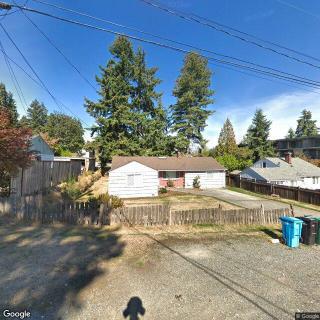


 Senior Move Management: Understanding the Role, Value, and Associated Costs
 Weight Training for Seniors: Building Strength and Vitality
 Understanding the Sandwich Generation: Stress and Responsibilities for Multigenerational Caregivers