
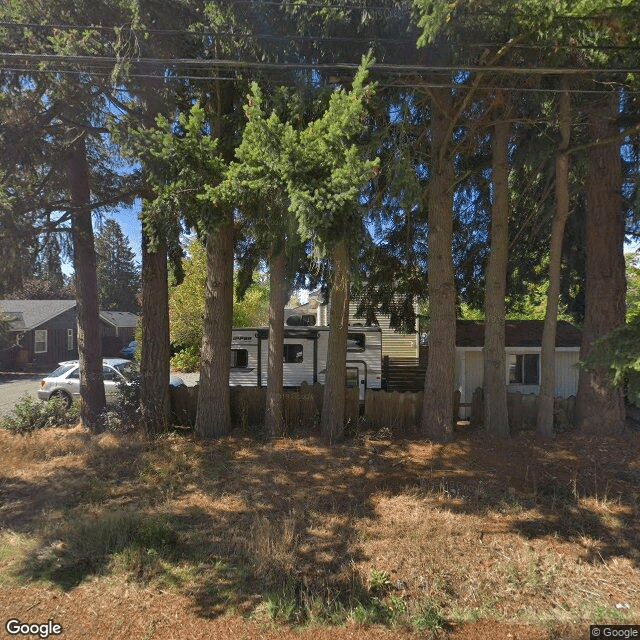
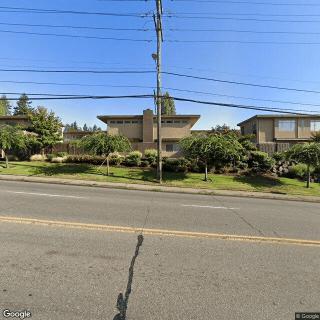
15557 Greenwood Ave. N, Shoreline, WA 98133
To contact a resident: (206) 407-5399
For more information about senior living options: (866) 208-4318
Gold Autumn AFH Costs & Pricing
Gold Autumn Assisted Facility Home (AFH) offers a range of accommodation options that reflect a premium pricing structure in comparison to both King County and the broader Washington state averages. For a semi-private room, residents can expect to pay $7,000 per month, significantly higher than the King County average of $4,430 and the state average of $4,267. Private rooms at Gold Autumn AFH also come with a monthly fee of $8,000, exceeding both the local average of $5,034 and the state average of $4,772. The same monthly rate applies for 1-bedroom units at this facility; at $8,000 per month, it is well above both county and state benchmarks - $5,127 and $4,632 respectively. This pricing reflects the facility's commitment to providing high-quality care and living environments tailored to meet the needs of its residents.
| Floor plans | Gold Autumn AFH | King County | Washington |
|---|---|---|---|
| Semi-Private | $7,000 | $4,430 | $4,272 |
| Private | $8,000 | $5,034 | $4,774 |
| 1 Bedroom | $8,000 | $5,127 | $4,634 |
Memory care communities with a similar price nearby
-
from -$500 / mo
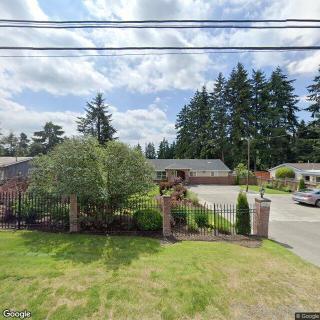
The Promised Land
$6,500 / month6.1 miles away -
from -$1000 / mo
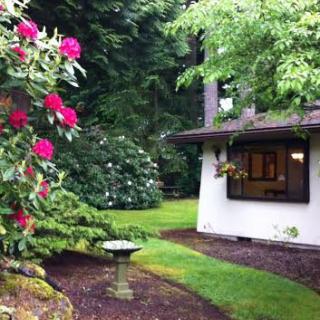
Home Away From Home LLC
$6,000 to $7,000 / month8.4 miles away -
from -$1000 / mo
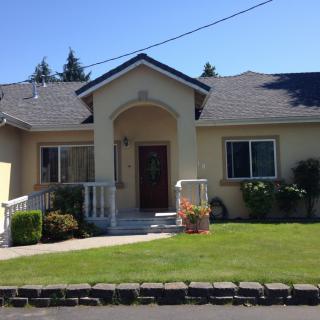
Elderly Home Care
$6,000 to $8,000 / month6.3 miles away -
from -$1250 / mo
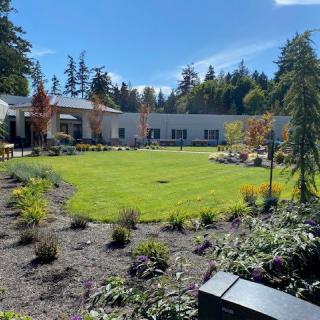
Fieldstone Rolling Bay and Fieldstone Memory Care
$5,750 to $8,895 / month8.8 miles away -
from +$900 / mo
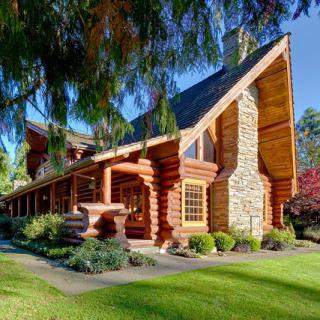
Caring Cabin Manager, LLC
$7,900 to $9,000 / month8.5 miles away
Overall Review of Gold Autumn AFH
Pros
 Gold Autumn provides great quality care, even though it is a bit more expensive than some options.
- The community is highly recommended by reviewers.
- The owner lives on site, and the staff-to-resident ratio is really good.
- The transparency of care for loved ones is amazing.
- The staff are kind, caring, and compassionate.
- It is a truly lovely, warm, and welcoming home with a cozy room.
- The facility is very clean inside and out and beautifully decorated, with 24/7 care and on-site medical support as needed.
Cons
 Activities are rated a 3, indicating the activity program is weaker than other aspects.
- The reviewer notes that the mom has advanced dementia, so she would not participate anyway.
- The home is described as beautiful but not within the reviewer’s price range.
Review
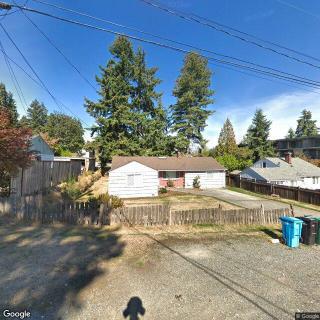
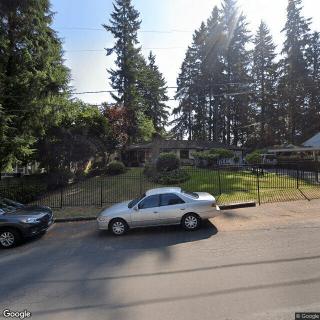
Gold Autumn AFH in Shoreline is best suited for families seeking a compact, home-like setting where care is intensely personal, consistently delivered, and openly overseen by an owner who lives on site. This six-room residence emphasizes safety, routine, and a warm, non-institutional atmosphere, with a caregiver team that remains steady and engaged. The owner’s visibility and hands-on involvement translate into rapid problem resolution and a transparent view of how a loved one is doing each day. For families willing to invest a premium for highly individualized attention, 24/7 supervision, and easy access to medical input coordinated by the owner, this community often delivers peace of mind that larger facilities struggle to match.
That said, alternatives should be on the radar for families with different priorities. The home’s intimate scale means limited opportunities for group activities, social variety, and ongoing dementia-focused programming that larger communities often provide. Prospective residents who want a co-ed environment with men present, or who want a broader slate of activities beyond a weekly visiting program, may feel the setting is too quiet or insular. Price sensitivity is another practical consideration; several reviews acknowledge a higher cost relative to peers, so households weighing long-term affordability will want precise budgeting and clear inclusions. The absence of male residents at this location is notable for families seeking gender-diverse living arrangements.
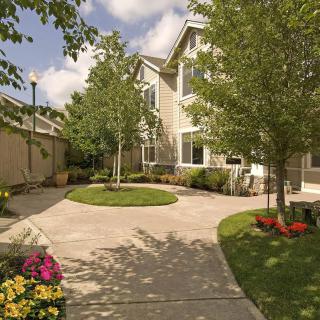
The strongest positives center on reliability, safety, and personal connection. The owner’s on-site presence is more than symbolic; it translates into hands-on oversight of care plans and daily routines. A robust staff-to-resident ratio reduces the risk of missed needs and allows for more individualized assistance with dressing, grooming, meals, and mobility. Residents are described as well cared for, with a calm, clean, and welcoming home environment that feels more like a private residence than a clinical setting. There is a practical blend of clinical support, an on-call doctor through the owner and regular nursing input when needed, and practical amenities such as in-room laundry, scheduled meals, and security features that keep residents from wandering unsupervised.
The downsides align with the small size and single-location model. With only six rooms, there is limited capacity for a wide array of activities or social outings, which can be limiting for residents who thrive on more dynamic engagement or who benefit from a broader peer network. The program’s activity footprint appears modest, comprising occasional visiting entertainers and routine care tasks, rather than a full calendar of structured dementia-specific activities. The absence of male residents at this home may be a barrier for families seeking a mixed-gender community or a more varied social dynamic. Finally, while the price is offset by quality and oversight, the cost remains a meaningful factor for families planning long-term care.
Yet the pros meaningfully offset the cons when eligibility criteria align with the setting. The intimate scale, steady staff, and clear access to the owner create a level of trust and continuity that is rare in larger facilities. The ability to coordinate medical visits through a doctor associated with the home, alongside routine in-house services like bedside assistance and prompt response to alarms, provides tangible reassurance for families navigating dementia care, transfers, and daily safety needs. For residents who are comfortable with a calmer pace and a strong emphasis on personal connection, the trade-offs, limited activities and higher price, are often worth it. The overall impression is one of dependable, compassionate care delivered within a thoughtful, home-centered framework.
In making a decision, families should verify current occupancy, confirm the exact inclusions in the monthly rate, and understand how medical needs are managed on a day-to-day basis. Important questions include night-shift staffing levels, specific supports available for mobility and skin care, the process for bringing in personal medical equipment, and the policy around pets. Prospective residents with advanced dementia will want a clear plan for cognitive programming and meaningful engagement, even within the home’s intimate footprint. For those prioritizing safety, transparency, and a deeply personal care team, Gold Autumn AFH stands out as a strong, trustworthy option; for others, exploring slightly larger homes with more extensive activity calendars or a co-ed environment may be the prudent complement to this standout small-scale choice.
 Board and Care Home
 Memory Care
 Activities on-site
 Air-conditioning
 Beautician on-site
 Ground floor units
 Indoor common areas
 Outdoor common areas
 Private
 Respite or short term stays offered
 Wheelchair accessible showers
 Wi-Fi/high-speed internet available
 Seattle-Tacoma International (20 miles away)
 Ambulatory care
 Diabetic care
 High acuity care
 Incontinence care
 Medication management
 International cuisine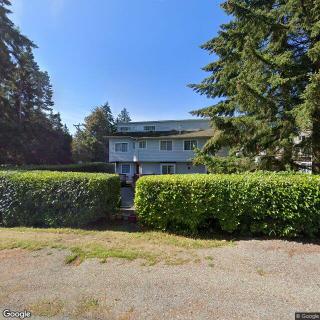


 A Detailed Exploration of Assisted Living Medicaid Waivers Across the United States
 Exploring the Contrasts Between Assisted Living and Skilled Nursing
 Vibrant Senior Living: A Comprehensive Guide for Active Older Adults