
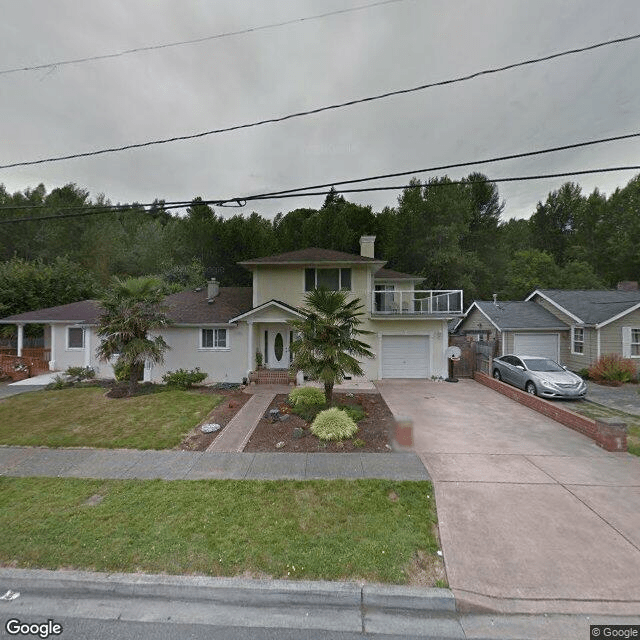
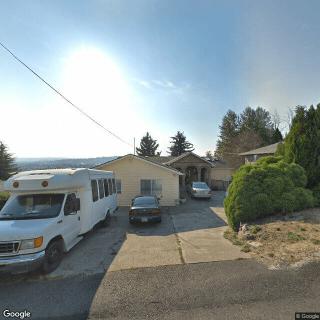
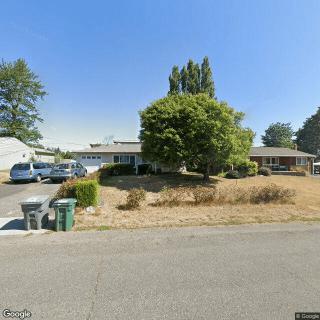
3000 SE 5th Street, Renton, WA 98058
To contact a resident: (425) 221-2687
For more information about senior living options: (866) 208-4318
Sunset AFH Costs & Pricing
At Sunset Adult Family Home (AFH), monthly costs for various room types reflect a premium pricing structure compared to both King County and the broader state of Washington. For instance, residents opting for a semi-private room at Sunset AFH would pay $6,000, significantly higher than King County's average of $4,430 and the state's average of $4,267. Similarly, a studio at Sunset AFH is priced at $6,500, surpassing the county's $4,464 and the state's $4,126. One-bedroom units are available for $7,000 at Sunset AFH - again above King County's rate of $5,127 and Washington's average of $4,632. Lastly, private rooms also carry a price tag of $7,000 at Sunset AFH compared to King County's $5,034 and the state average of $4,772. This pricing suggests that while Sunset AFH may offer enhanced services or amenities that justify the higher costs, potential residents should carefully consider their options in relation to regional benchmarks.
| Floor plans | Sunset AFH | King County | Washington |
|---|---|---|---|
| Semi-Private | $6,000 | $4,430 | $4,272 |
| Studio | $6,500 | $4,464 | $4,128 |
| 1 Bedroom | $7,000 | $5,127 | $4,634 |
| Private | $7,000 | $5,034 | $4,774 |
Memory care communities with a similar price nearby
-
from +$500 / mo
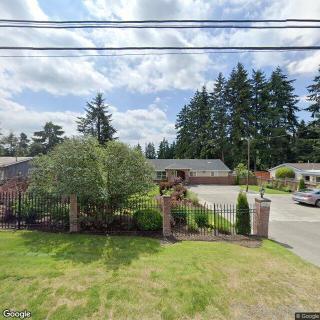
The Promised Land
$6,500 / month21.1 miles away -
About the same
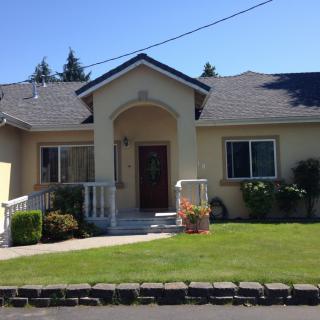
Elderly Home Care
$6,000 to $8,000 / month18.1 miles away -
from -$250 / mo
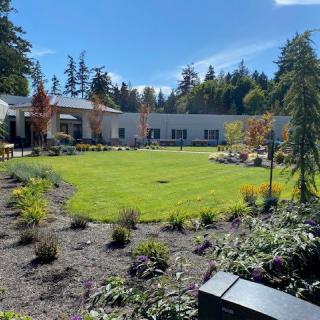
Fieldstone Rolling Bay and Fieldstone Memory Care
$5,750 to $8,895 / month19.8 miles away -
from -$500 / mo

Twin Lake Adult Family Home
$5,500 to $6,500 / month15.0 miles away -
About the same
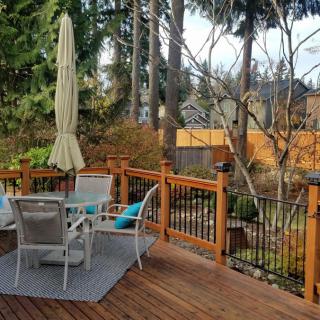
Blue Horizon Adult Family Home
$6,000 to $7,000 / month8.7 miles away
Overall Review of Sunset AFH
Pros
 The staff are very attentive to residents.
- They always inform families about residents' conditions.
- Sunset AFH was a great choice for a 100-year-old mother.
- The resident’s mental sharpness has actually improved.
- The owner is very caring and helpful with all loved ones’ needs.
- The facility feels like home, but better.
- The staff are caring, the surroundings are clean, and the meals are homemade.
- They would recommend this community to other families.
Cons
 If only we had her here years ago, she would not have fallen and broken her hip.
Review
Sunset AFH in Renton, Washington is best suited for families that want highly personalized, attentive care delivered in a warm, home‑like setting. This community shines when a loved one benefits from steady caregiver presence, clear and frequent family updates, and a direct, hands‑on approach from the owner. It is particularly well-matched for seniors who thrive on routine, appreciate a respectful, homelike atmosphere, and value being involved in day‑to‑day decisions about care. The strong emphasis on ongoing communication and monitoring translates into tangible peace of mind for relatives who need to know their loved one’s status is being tracked closely.
Those who may want to consider alternatives are those who require more extensive clinical services or a broader program of activity and therapies. If 24/7 on-site nursing, robust wound care, infusion therapy, or a wide array of rehabilitative options are non‑negotiable, a larger assisted living or a dedicated memory‑care community with deeper clinical depth might be a better fit. Families seeking a highly structured calendar of social activities, more formalized medical oversight, or access to a wider network of specialists should evaluate other options to ensure needs are met without gaps.
The strongest pros here, attentive staff, transparent communication, and a genuine owner‑level commitment, do more than compensate for the absence of a large institutional footprint. Caregivers who stay closely connected to families help prevent miscommunication and ease worry by providing regular condition updates. The owner’s hands‑on involvement further reinforces reliability and accountability, so concerns tend to be addressed quickly rather than deferred. In practice, this translates to fewer surprises and a sense that the care plan evolves in step with a resident’s changing needs.
Clean surroundings and homemade meals are not mere pleasant extras; they materially impact daily well‑being and the perception of safety. A tidy, orderly environment reduces confusion and helps residents feel settled, while meals that are prepared from scratch contribute to comfort, routine, and appetite, factors that matter significantly for mood and energy. The testimony about a centenarian resident’s mental sharpness improving under this care model is particularly notable: it signals that the setting can offer meaningful cognitive engagement and encouragement, not just basic daily living.
A practical takeaway centers on alignment of expectations. Sunset AFH excels when the family prioritizes daily oversight, quick responsiveness, and a comforting, home‑like cadence to life. It is less clearly positioned for families prioritizing a broad spectrum of medical therapies on site or highly structured programming typical of larger campuses. Prospective residents should verify the facility’s capacity to handle specific medical needs, confirm staffing ratios during peak hours, and explore how activity programming is tailored to individual interests and cognitive health goals.
For families moving forward with Sunset AFH, use the decision moment to probe a few concrete points: what is the exact caregiver-to-resident ratio during mornings and evenings; how are changes in health status communicated, and how quickly are new concerns escalated; what meal accommodations exist for dietary restrictions or cultural preferences; and which local medical professionals routinely visit for on‑site assessments. Observing a mealtime, speaking with current residents or families, and asking for a sample week of activities will illuminate whether the daily rhythm feels sustainable and uplifting. When these elements align, Sunset AFH stands out as a compassionate, reliably attentive choice; when they don’t, a more clinically oriented or activity‑rich community may better serve long‑term goals.
 Board and Care Home
 Memory Care
 Cats allowed
 Dogs allowed
 Activities off-site
 Beautician on-site
 Indoor common areas
 Outdoor common areas
 Private
 Private bathrooms
 Respite or short term stays offered
 Wheelchair accessible showers
 Seattle-Tacoma International (6 miles away)
 Ambulatory care
 Diabetic care
 High acuity care
 Incontinence care
 Medication management
 Kosher
 How to Communicate with a Loved One Living with Dementia: 10 Supportive Strategies
 Comprehensive Guide to VA Nursing Homes: A Crucial Long-Term Care Resource for Veterans
 Estimating the Expenses of At-Home Dementia Care: A Detailed Exploration