
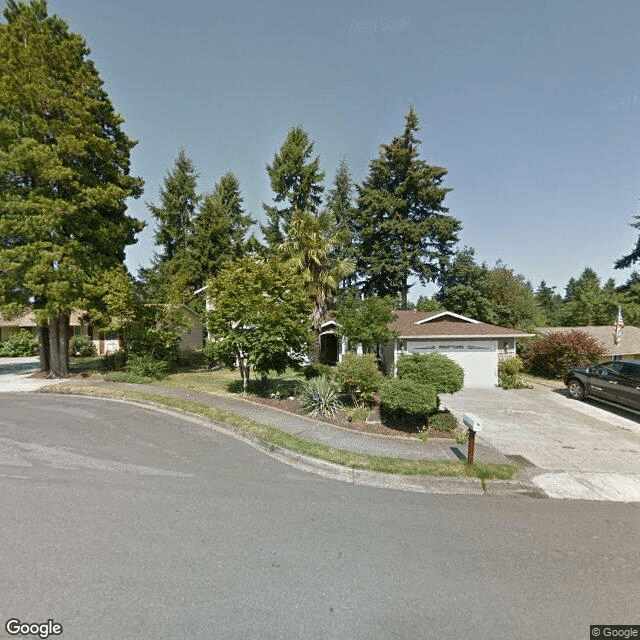
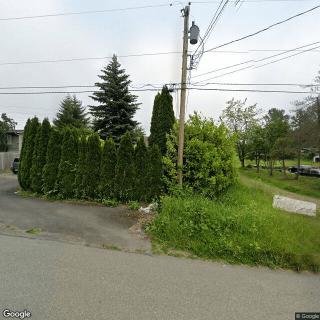
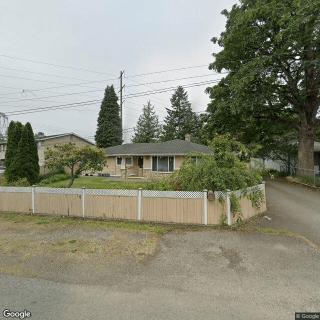
1925 Camas Ct. SE, Renton, WA 98055
To contact a resident: (425) 277-9346
For more information about senior living options: (866) 208-4318
Rolling Hills AFH Costs & Pricing
Rolling Hills Adult Family Home offers competitive pricing for its private room accommodations, with a monthly cost of $3,000. This rate is significantly lower than the average costs in King County, which stands at $5,034, and the broader Washington state average of $4,772. By providing an attractive option that is both affordable and comfortable, Rolling Hills AFH positions itself as a prudent choice for families seeking quality care without compromising on financial stability. This value-oriented approach makes it an appealing alternative in the landscape of adult family homes in the region.
| Floor plans | Rolling Hills AFH | King County | Washington |
|---|---|---|---|
| Private | $3,000 | $5,034 | $4,774 |
Senior living communities with a similar price nearby
-
from +$375 / mo
Evergreen Manor Senior Care Inc
$3,375 to $7,500 / month16.1 miles away -
About the same
Hummingbird Homecare
$3,000 / month14.1 miles away -
from -$200 / mo
Gold Standard Care
$2,800 / month24.2 miles away -
About the same
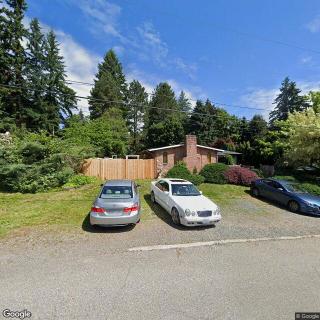
Caring Adult Family Home #1
$3,000 / month20.8 miles away -
About the same
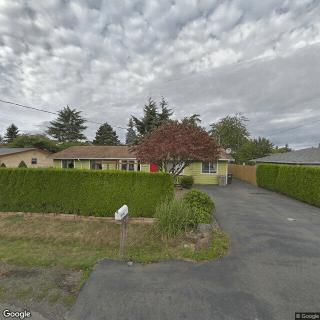
Home Care in Kent Inc.
$3,000 to $3,500 / month5.2 miles away
Overall Review of Rolling Hills AFH
Pros
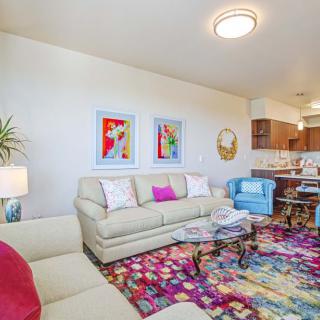
 The home is clean and attractive.
- The caregivers are a husband-and-wife team with three school-age children, which was appealing because the resident is a former piano teacher and loves young people.
- Family involvement was evident, with visits to the home averaging five days per week.
Cons
 The husband is gruff and uncompromising when it comes to caring for the elderly, particularly dementia patients.
- He expected the mother to obey him, was inflexible and often cruel.
- He threatened eviction when she wouldn’t comply with his requests to go to bed on time.
- He had no regard for the mother’s dignity.
- He accused the mother of flushing the toilet too many times, apparently to save money on water bills.
- Light bulbs were left unscrewed so they didn’t come on, creating hazards.
- A bulb fell to the floor and could have caused injury to the mother.
- The brochure is claimed to be inaccurate, with nothing stated on it being accurate.
Review
Rolling Hills AFH in Renton is a setting that should be considered only by families with extremely limited options who prioritize a small, home-like environment and affordability over professional levels of care and safety. For seniors with dementia, diabetes, or any need for consistent medical oversight, this community is not a viable fit. Alternatives should be sought for anyone requiring reliable supervision, dignity-respecting treatment, and standard caregiving practices. The current record makes it clear that the risk calculus here heavily tilts toward seeking other arrangements where trained staff and proper oversight are the baseline.
The core concerns center on the caregiver team: a husband-and-wife operation supported by three school-age children, attempting to manage four elderly residents and household duties at once. That staffing arrangement, described as overwhelmed, translates into behavior that is troubling in practice. The husband’s approach to care is portrayed as gruff and inflexible, with repeated eviction threats tied to “obedience” rather than resident well-being. Dignity appears routinely sacrificed in favor of compliance, culminating in an incident where a blood sugar emergency went unmanaged until EMS arrived. The review makes a stark claim: such a response is not merely negligent but retaliatory, rooted in a punitive dynamic rather than compassionate care.
Safety and daily living conditions emerge as a second, grave fault line. Observations include lights and electrical fixtures left unsecured, with bulbs unscrewed just enough to keep them dark and a near-miss injury when a bulb fell. The reviewer repeatedly found the resident in a dim or dark room, and the intercom-based lunch system, coupled with a hard-of-hearing resident, created fragile scenarios for essential meals and monitoring. The pattern suggests a setting where basic safety and timely oversight are inconsistent, making routine tasks and emergencies harder to address quickly and appropriately.
In weighing the few positives against these significant deficits, the balance clearly tips toward risk. The home is described as clean and attractive, and the caregivers’ desire to provide personal engagement, evidenced by the couple’s appeal to a younger, more energetic caregiving style, could be seen as a redeeming factor in another context. Yet, that potential cannot compensate for the lack of adequate staffing, training, and accountability required to safeguard a resident with dementia and diabetes. The presence of a tidy environment or a personable family dynamic is not a substitute for qualified supervision, structured medical management, and a system that respects resident autonomy and safety.
For families evaluating options, concrete steps should guide the decision-making process. Request a recent, verifiable inspection and complaint history from state authorities, and demand current staffing ratios that align with the level of care needed (especially for memory care and medical monitoring). Seek candid conversations about emergency procedures, medication administration, and nutrition planning, as well as a tour of living areas that the facility regularly uses. Interview current residents or families about daily routines, dignity in care, and how concerns are addressed. The goal is to verify that safety, dignity, and medical oversight are not aspirational standards but daily realities.
Ultimately, this community does not meet the needs of most seniors, particularly those with dementia or chronic medical conditions. The risk of neglect, unsafe conditions, and retaliatory behavior, coupled with a lack of robust medical support, renders it unsuitable for anyone seeking dependable, respectful, and medically attentive care. If options are available, pursue facilities with licensed, full-time caregiving staff, explicit safety protocols, and demonstrated histories of positive resident outcomes. In a landscape where every choice centers on quality of life and safety, Rolling Hills AFH should be set aside in favor of alternatives that promise consistent dignity, appropriate supervision, and reliable health monitoring.
 Board and Care Home
 Private
 Seattle-Tacoma International (6 miles away)
 Diabetic care

 Comprehensive Look at Senior Blood Pressure Charts: Normal and Elevated Levels by Age
 Top Canine Companions for Older Adults
 Comprehensive Guide to Blood Pressure Charts for Older Adults: Understanding Normal and High Readings by Age