
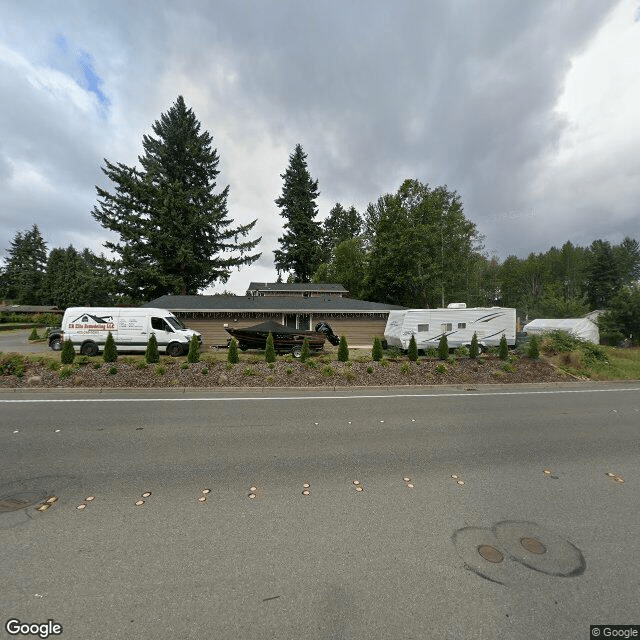
4626 NE 24th Street, Renton, WA 98059
To contact a resident: (425) 282-4676
For more information about senior living options: (866) 208-4318
Coal Creek Senior Care AFH Costs & Pricing
At Coal Creek Senior Care AFH, the monthly costs for accommodation are competitive within both King County and the broader state of Washington. For a semi-private room, residents can expect to pay $4,000, which is notably lower than the county average of $4,430 and slightly less than the state average of $4,267. The private rooms are priced at $5,000, aligning closely with King County's average of $5,034 and exceeding the state's $4,772 average. Those seeking a one-bedroom option will find that Coal Creek's rate of $7,000 significantly surpasses both local and state averages - King County's typical cost being $5,127 and Washington's at $4,632. Overall, Coal Creek offers valuable pricing options particularly for semi-private accommodations while maintaining a premium for its one-bedroom offerings in comparison to market rates.
| Floor plans | Coal Creek Senior Care AFH | King County | Washington |
|---|---|---|---|
| Semi-Private | $4,000 | $4,430 | $4,272 |
| Private | $5,000 | $5,034 | $4,774 |
| 1 Bedroom | $7,000 | $5,127 | $4,634 |
Memory care communities with a similar price nearby
-
from -$500 / mo
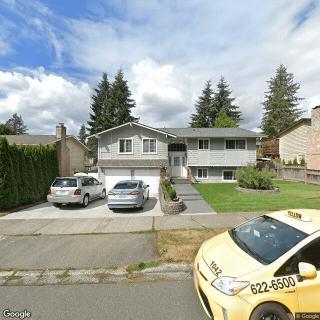
Dignity Life
$3,500 / month22.6 miles away -
from -$625 / mo
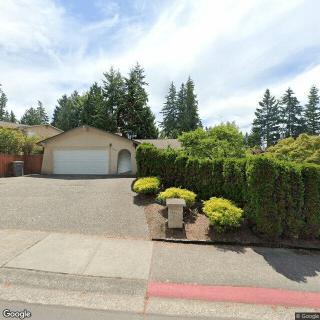
Evergreen Manor Senior Care Inc
$3,375 to $7,500 / month12.6 miles away -
About the same

Riverton Home Care
$4,000 to $5,000 / month6.8 miles away -
About the same
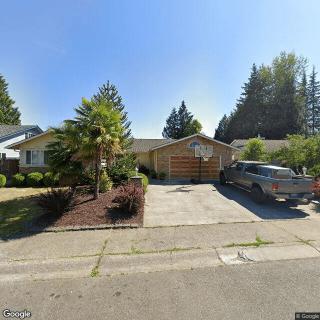
Gentle Care Home
$4,000 to $5,500 / month4.5 miles away -
from -$500 / mo

Twin Lakes Haven Adult Family Home
$3,500 to $8,000 / month16.6 miles away
Overall Review of Coal Creek Senior Care AFH
Pros
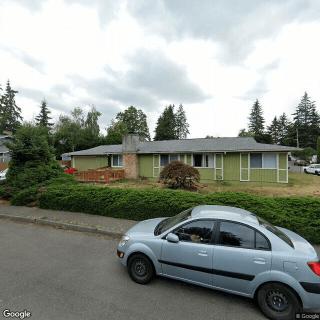
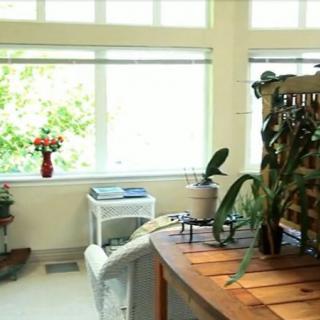
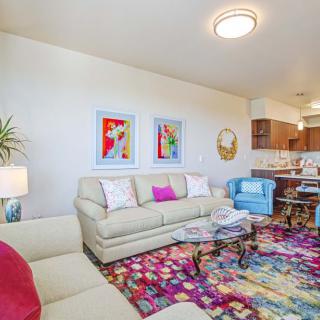
 The home is nice and has an appealing interior.
- It looked like a nice place.
- They would not hesitate to use this facility.
- Tinker Belle was an added bonus.
Cons
 They were unable to place their dad due to circumstances beyond both the home's and their control.
Review
Coal Creek Senior Care AFH in Renton, WA is best suited for families seeking a small, intimate, home-like setting where a loved one can receive personalized, neighborly care without the bustle of a large facility. The review highlights a pleasant interior and a warmth that comes from an unfussy, domestic atmosphere, which can ease the transition for seniors who respond well to routine, predictable surroundings. This community earns its keep by delivering a sense of comfort and familiarity rather than resort-style amenities, making it a strong match for residents who thrive on consistent daily rhythms and meaningful, rather than industrial, caregiving.
Those weighing alternatives should consider the needs of a resident who requires more formal medical oversight, structured medical programming, or a larger community with extensive support services. If 24/7 nursing, highly specialized memory care, or a broader menu of on-site activities are non-negotiable requirements, a bigger or more clinical setting may be a better fit. The review’s singular positive impression does not address how the home scales care to higher acuity levels, so families prioritizing robust clinical supervision might opt for options with a wider continuum of care.
The primary strengths documented are the quality of the home environment and the sense of welcome that permeates the space. A well-kept interior, coupled with the impression of a true, lived-in residence rather than a sanitized facility, can significantly reduce anxiety for new residents and their families. The reviewer’s statement that they would “not hesitate using this facility” signals confidence in the caregivers’ ability to maintain a calm, supportive daily routine. That sense of trust is essential when choosing a setting that emphasizes personal attention over institutional protocols.
A notable, albeit lightly described, positive is the mention of “Tinker Belle” as an added bonus. While the specifics aren’t detailed, the reference suggests an extra layer of character and comfort, perhaps a friendly pet presence or a charming touch that enhances social interaction and engagement. In small homes like Coal Creek AFH, these personalized touches often translate into more individualized conversation, companionship, and a sense of belonging, which can counterbalance any limitations inherent to a smaller operation.
The most salient constraint arises not from the facility’s deficits but from circumstances beyond control that affected placement timing. This nuance matters for decision timelines: availability and external factors can delay placement even in a high-quality, family-oriented setting. The 4-star rating from a single review is encouraging but does not establish a proven track record across multiple residents or seasons. Families should weigh the positive, home-centered experience against the lack of broader performance data when comparing options.
In the end, Coal Creek Senior Care AFH presents a practical, well-suited option for seniors who prize a warm, intimate environment and a high degree of personal attention. The interior quality and the overall homelike vibe are meaningful advantages that can offset the realities of a small-family home model, especially for residents who do not require intensive medical infrastructure. For families prioritizing comfort, predictable routines, and a personal touch, this community deserves serious consideration. Those with stricter demands for medical complexity, memory-care specialization, or expansive activity programming should pursue alternatives and perform direct comparisons to ensure the chosen setting aligns with both current needs and anticipated changes in care requirements.
 Board and Care Home
 Memory Care
 Cats allowed
 Dogs allowed
 Activities on-site
 Air-conditioning
 Cable or satellite TV
 Devotional services off-site
 Full kitchen
 Garden view
 Ground floor units
 Handicap accessible
 Indoor common areas
 Outdoor common areas
 Private
 Private bathrooms
 Private patio, deck, or balcony
 Respite or short term stays offered
 Wheelchair accessible showers
 Wi-Fi/high-speed internet available
 Seattle-Tacoma International (8 miles away)
 Diabetic care
 High acuity care
 Incontinence care
 Medication management
 Gluten-free
 BBQs or picnics
 Birthday parties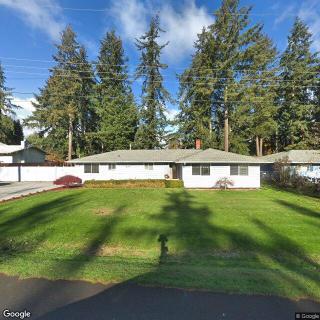
 Understanding Dementia Through Its Seven Stages: A Comprehensive Look at Progression and Expectations
 Safeguarding Your Memory Through the Golden Years: Eight Ways to Preserve Cognitive Health
 Comprehensive Insights into Activities of Daily Living (ADLs) and Their Assessment