
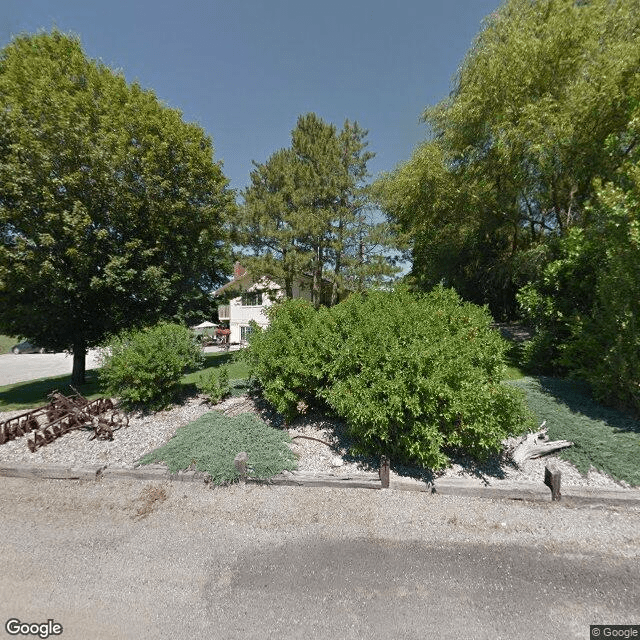
5017 E Farwell Road, Mead, WA 99021
To contact a resident: (509) 467-9887
For more information about senior living options: (866) 208-4318
Prairie View AFH Costs & Pricing
At Prairie View AFH, the cost for a private room is set at $3,800 per month, which positions it as a more affordable option compared to both Spokane County and the broader state of Washington. In Spokane County, the average monthly cost for a similar private room is approximately $4,111, while across Washington State, this figure rises further to around $4,772. This pricing suggests that Prairie View AFH offers a competitive rate that may appeal to individuals and families seeking quality care without the higher financial burden found in other local and state facilities. Overall, residents can expect an excellent value proposition with personalized care in a comfortable environment.
| Floor plans | Prairie View AFH | Spokane County | Washington |
|---|---|---|---|
| Private | $3,800 | $4,111 | $4,774 |
Memory care communities with a similar price nearby
-
from +$445 / mo
The Gallery at Spokane
$4,245 to $5,850 / month11.2 miles away -
from +$500 / mo
Valley Pines Retirement Home
$4,300 / month8.3 miles away -
from -$300 / mo
Mary Ann's Home Care
$3,500 to $4,000 / month2.9 miles away -
from +$525 / mo

South Hill Village
$4,325 to $5,900 / month12.0 miles away -
from -$230 / mo
Generations Assisted Living
$3,570 / month21.6 miles away
Overall Review of Prairie View AFH
Pros
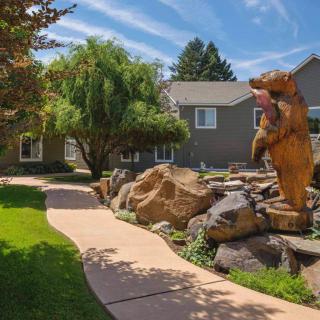
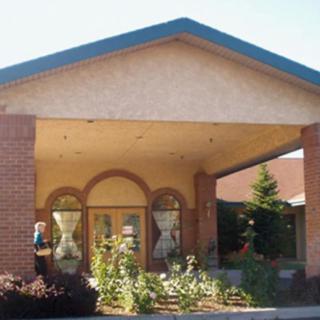
 The facility is beautiful.
- The staff are great.
- The care is very professional with home-cooked meals.
- The facility feels extremely clean and homey.
- It is a great adult family home.
- The staff and surroundings are great.
- Care is excellent.
- Residents are treated like family.
- Home-cooked meals are served three times daily.
- Fresh fruit and vegetables are served daily.
- It is highly recommended as an adult family home.
Review
Prairie View AFH in Mead, WA is best suited for seniors who want a warm, intimate living arrangement where caregivers know residents well and care feels genuinely personalized. This community shines for those who prioritize a home-like atmosphere, daily routines, and consistently clean surroundings over the footprint of a large facility. It is especially fitting for couples or individuals who prefer a smaller setting that feels like family, where the emphasis is on comfort, familiar routines, and direct caregiver engagement rather than a bustling campus environment.
The core strengths are clear in the firsthand impressions shared by families: the setting is beautiful, exceptionally clean, and undeniably homey. Care is described as professional, with a strong emphasis on home-cooked meals. The staff are regarded as attentive and capable, creating an environment where residents are treated as part of the family. The consistency of meals, three times daily with fresh fruit and vegetables, contributes to nutritional stability and predictable daily rhythms that many families value when choosing ongoing care. In practical terms, these factors translate to everyday quality of life: ease of meals, personal attention, and a peaceful, orderly living space.
Beyond cleanliness and meals, Prairie View AFH earns its credibility from the way staff interact with residents and the surrounding community. The reviews repeatedly highlight a sense of belonging and warmth: residents are described as being treated like family, with care that feels personal rather than cookie-cutter. This is not merely about kindness; it reflects a care model where staff visibility, responsiveness, and daily presence shape a predictable, reassuring routine. For families worried about isolation or impersonality in senior care, this village-like atmosphere offers evident emotional and social value, alongside the practical benefits of a well-staffed home environment.
Yet potential residents should enter with eyes open to the setting’s limits. The most candid caveat suggests that some questions require direct outreach, answers may not surface without a proactive inquiry during a tour or initial contact. In practice, this points to a smaller, more intimate operation where information isn’t packaged as exhaustively as in larger communities. For seniors who need robust high-acuity medical oversight, complex memory care, or a broad slate of on-site therapies, alternatives with larger clinical teams and more diverse programmatic options may be preferable. The local footprint may also translate to fewer on-site amenities or activities than a bigger campus could offer.
These considerations don’t negate the strong positives; they simply frame what must be weighed. The home-like atmosphere and hands-on care can offset the absence of expansive programming by delivering greater daily attention, personalized meal planning, and closer caregiver-resident relationships. Families should confirm that the resident’s current and near-future needs align with the home’s staffing model, licensing capabilities, and available medical supports. Preparing targeted questions about med management, emergency response, caregiver-to-resident ratios, and availability of nursing oversight will reveal how well Prairie View AFH can scale with evolving needs.
In the end, Prairie View AFH is a strong recommended option for seniors seeking a nurturing, tight-knit environment with clean, welcoming spaces and cognitively warm, attentive care. It is less aligned with those requiring substantial medical complexity, memory-care supervision, or a facility-wide array of specialized services. Prospective families should schedule a direct sit-down, request a detailed overview of staffing patterns, and sample a meal or two to validate fit. When compared with larger communities in the area, Prairie View AFH delivers a genuine, home-centered experience that can translate into real peace of mind for families prioritizing warmth, consistency, and everyday quality of life.
 Board and Care Home
 Memory Care
 Cats allowed
 Dogs allowed
 Activities on-site
 Beautician on-site
 Indoor common areas
 Outdoor common areas
 Private
 Respite or short term stays offered
 Wheelchair accessible showers
 Spokane International (14 miles away)
 Ambulatory care
 Diabetic care
 High acuity care
 Incontinence care
 Medication management
 Kosher

 Why Do Dementia Patients Sleep So Much? Understanding Oversleeping, Stages, and Care Approaches
 8 Key Indicators That Suggest It May Be Time to Transition from Assisted Living to Skilled Nursing Care
 Nourishing the Mind: Essential Dietary Approaches for Dementia