
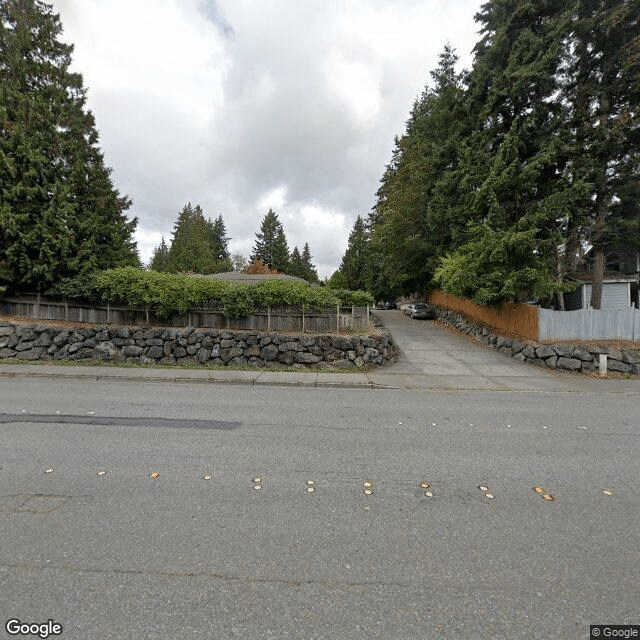
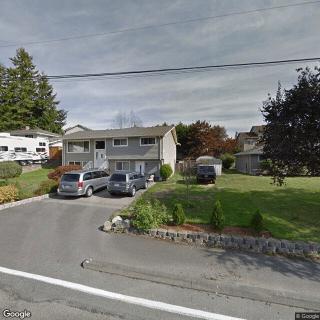
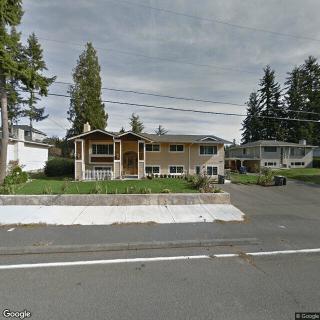
5505 168th St. SW, Lynnwood, WA 98037
To contact a resident: (425) 787-8408
For more information about senior living options: (866) 208-4318
The Glens Adult Family Home, RN Costs & Pricing
At The Glens Adult Family Home, the monthly costs for private rooms range from $3,500 to $5,010, while a studio room is available for a flat rate of $3,500. When compared with the averages in Snohomish County and across Washington State, these rates present a competitive option for prospective residents. The average cost for a private room in Snohomish County is approximately $4,834, while the state average stands at about $4,772. Additionally, the cost of studio accommodations in Snohomish County averages around $4,443 and $4,126 statewide. This positions The Glens as an appealing choice for those seeking quality care within a more affordable range relative to regional standards.
| Floor plans | The Glens Adult Family Home, RN | Snohomish County | Washington |
|---|---|---|---|
| Private | $3,500 to $5,010 | $4,834 | $4,774 |
| Studio | $3,500 | $4,443 | $4,128 |
Memory care communities with a similar price nearby
-
About the same
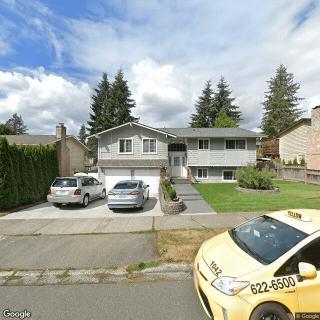
Dignity Life
$3,500 / month4.9 miles away -
from -$125 / mo
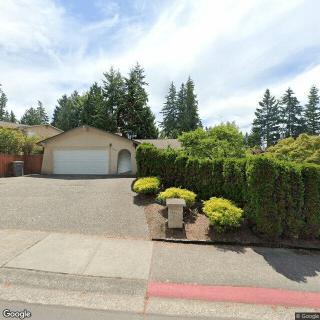
Evergreen Manor Senior Care Inc
$3,375 to $7,500 / month12.3 miles away -
from -$500 / mo
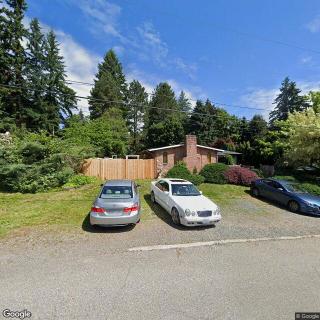
Caring Adult Family Home #1
$3,000 / month7.7 miles away -
from +$500 / mo

Raena Adult Family Home
$4,000 to $5,000 / month24.7 miles away -
from +$130 / mo
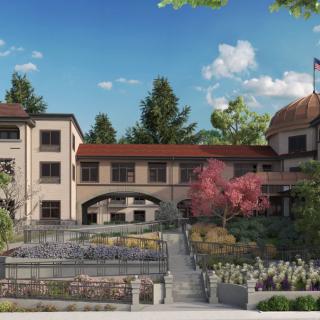
Aegis of Queen Anne at Rodgers Park
$3,630 to $9,800 / month14.1 miles away
Overall Review of The Glens Adult Family Home, RN
Pros
 The owners and staff are caring and loving, providing wonderful care and treating residents like family.
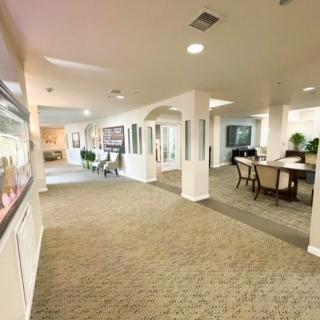
- The facility is clean and bright, inviting residents to call it home.
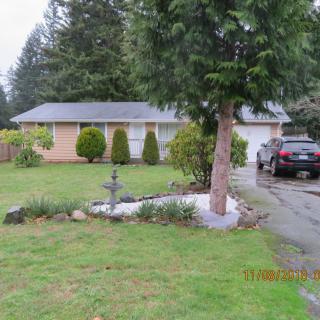
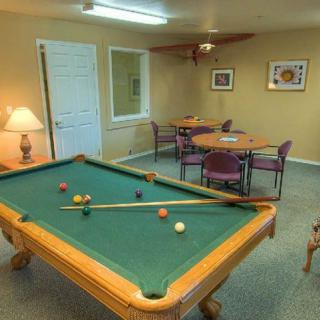
- A spacious, enclosed backyard deck and garden provides a safe outdoor space to enjoy the weather.
- The care is outstanding and loving, making the home stand out from other facilities.
- The staff are attentive and interactive with residents and generous beyond measure.
- Families feel confident that their loved ones are wonderfully cared for and well looked after.
Review
The Glens Adult Family Home in Lynnwood is best suited for seniors who flourish in a small, home-like setting where caregivers know residents well and provide hands-on, family-style care. It appeals to families who want direct access to staff, transparent routines, and a warm, connected atmosphere rather than a corporate feel. Residents benefit from a clean, bright living area, and an enclosed backyard deck and garden that offer a safe outdoor option for fresh air and light activity. This combination supports daily living with a sense of normalcy, predictable routines, and genuine warmth, making it a strong choice for those who value emotional connection, social interaction, and consistent attention in a private, intimate setting.
Conversely, those whose loved one requires intensive medical oversight, frequent skilled nursing interventions, or specialized memory-care programming may want to explore alternatives. A larger assisted living campus or a dedicated memory-care unit can provide more on-site medical resources, more structured activity programs, and a broader array of therapists and equipment. Families balancing cost against services might also consider other options if the expectation is a facility with a broader range of clinical services and more formalized care plans. The Glens excels in personal, attentive care, but its small-house model is naturally less equipped for highly complex medical needs.
The core strengths here are the caregivers themselves: responsive, loving, deeply engaged with residents as family. This attentiveness yields consistent daily routines, meaningful conversation, and careful well-being monitoring, which reduces family worry. Clean, bright spaces and the enclosed outdoor area reinforce dignity and comfort, while social gatherings extend engagement beyond the dining room. In a small setting, such advantages often compensate for limits in scale or breadth of services, delivering a sense of safety, belonging, and purpose that larger campuses sometimes struggle to replicate.
Reviews consistently highlight a sense of total confidence: outstanding, loving care and attentive, interactive service that seemingly surpasses expectations. Staff are described as generous beyond measure, with a commitment that feels personal and sincere. Families repeatedly note there is no anxiety about their loved one’s welfare, because the care team is consistently present and involved. The home’s leadership is perceived as caring and hands-on, creating a reliable rhythm of routines and safety. The atmosphere remains welcoming and vibrant, not merely functional, which supports residents’ emotional well-being and a positive daily experience.
Another pillar of strength is the community-supported model: the facility acts as a hub for families themselves, fostering connection through shared events and open lines of communication. Barbecues, music, and informal gatherings extend care from residents to their relatives, creating a network where concerns are voiced and needs are met promptly. This integrated approach reduces isolation and reinforces trust. Potential drawbacks to consider include the possibility that, outside of staff interactions during visits, there may be fewer formalized programs or wide-ranging therapies than in larger centers. Yet for families prioritizing warmth and a neighborly ethos, this dynamic is a clear plus.
Overall, The Glens Adult Family Home stands out for those seeking a genuinely intimate, resident-centered environment where care feels like a family responsibility rather than a clinical obligation. It is especially well-suited for seniors who thrive on personal attention, meaningful social contact, and a welcoming home atmosphere. Families weighing options should still consider alternatives if the priority is complex medical management, advanced memory-care needs, or multiple on-site clinical services. For moderate care needs and a desire for steady, affectionate oversight, this Lynnwood AFH offers a compelling, practical choice, with a track record of satisfied families and residents who appear to flourish under its hands-on, neighborly care.
 Board and Care Home
 Memory Care
 Private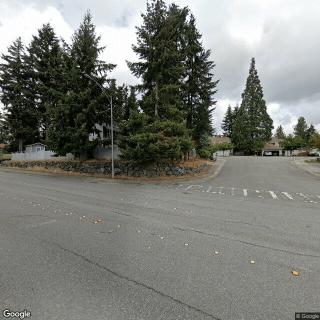
 Dementia-Related Hallucinations: Causes, Experiences, and Practical Approaches
 Illuminating Insights About Alzheimer's Disease: Ten Crucial Realities
 A Thorough Discussion of Medications Potentially Linked to Dementia Risk