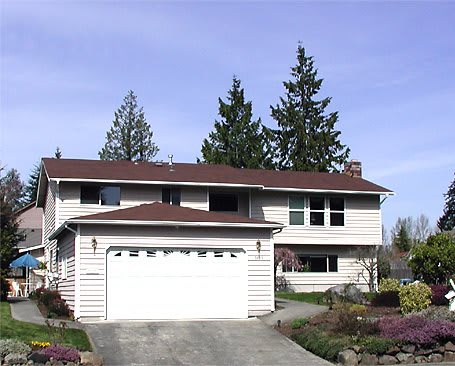
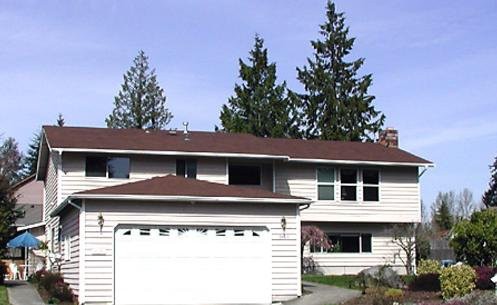
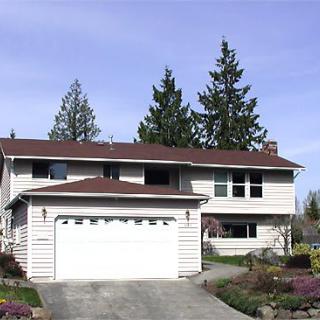
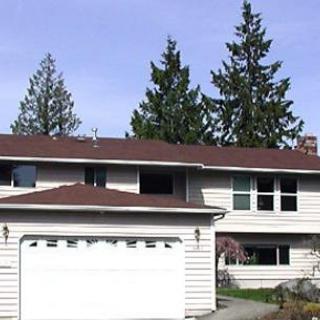
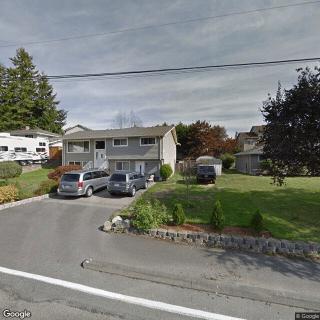
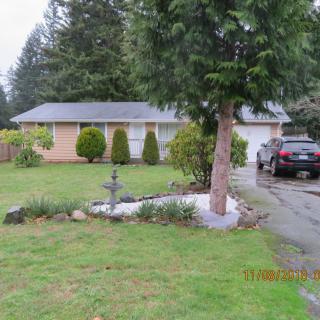
5425 172nd St SW, Lynnwood, WA 98037
To contact a resident: (425) 772-1824
For more information about senior living options: (866) 208-4318
At Tessa's Adult Care Home Costs & Pricing
At Tessa's Adult Care Home, the pricing structure presents a competitive option for prospective residents compared to the broader market in Snohomish County and the state of Washington. The cost for both private and semi-private rooms is set at $4,500 per month, which is notably lower than the county average for private accommodations at $4,834 and slightly above the average for semi-private options at $4,320. Additionally, Tessa's one-bedroom suite is priced at $4,800, which remains more affordable than the county's average of $5,080 while still being favorable against the statewide average of $4,632. Overall, At Tessa's Adult Care Home offers a compelling choice for individuals seeking quality care without exceeding budgetary constraints.
| Floor plans | At Tessa's Adult Care Home | Snohomish County | Washington |
|---|---|---|---|
| Private | $4,500 | $4,834 | $4,774 |
| Semi-Private | $4,500 | $4,320 | $4,272 |
| 1 Bedroom | $4,800 | $5,080 | $4,634 |
Memory care communities with a similar price nearby
-
About the same
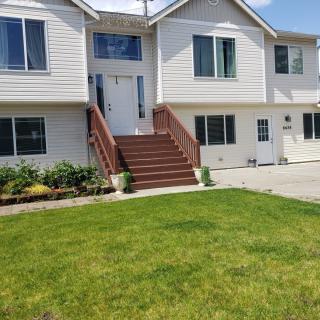
We Care Adult Family Home
$4,500 to $8,000 / month8.0 miles away -
from +$500 / mo
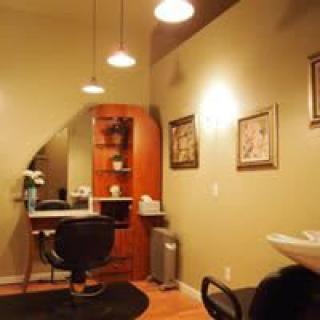
Abundant Life Lynnwood
$5,000 to $6,000 / month2.7 miles away -
About the same
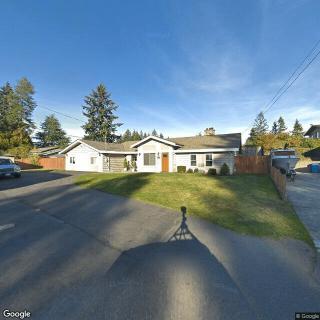
Happy Family Adult Family Home 2
$4,500 / month5.7 miles away -
About the same
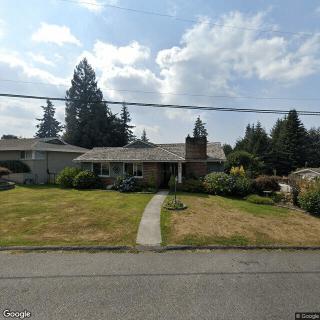
Amy's Adult Care Home
$4,500 / month8.8 miles away -
About the same
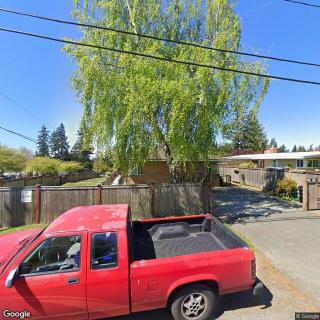
Happy Family Adult Family Home 3
$4,500 to $5,500 / month8.7 miles away
Overall Review of At Tessa's Adult Care Home
Pros
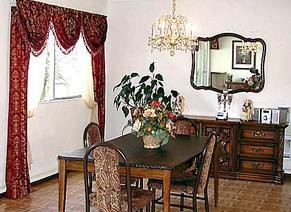
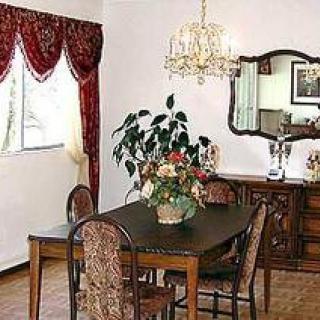
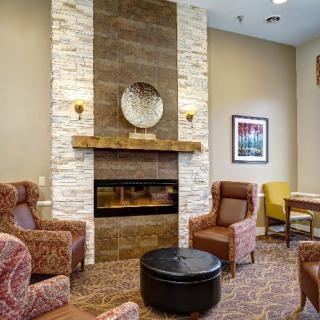
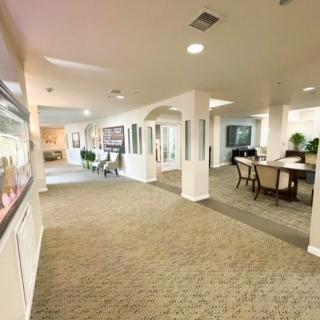
 The facility is clean, bright, and inviting.
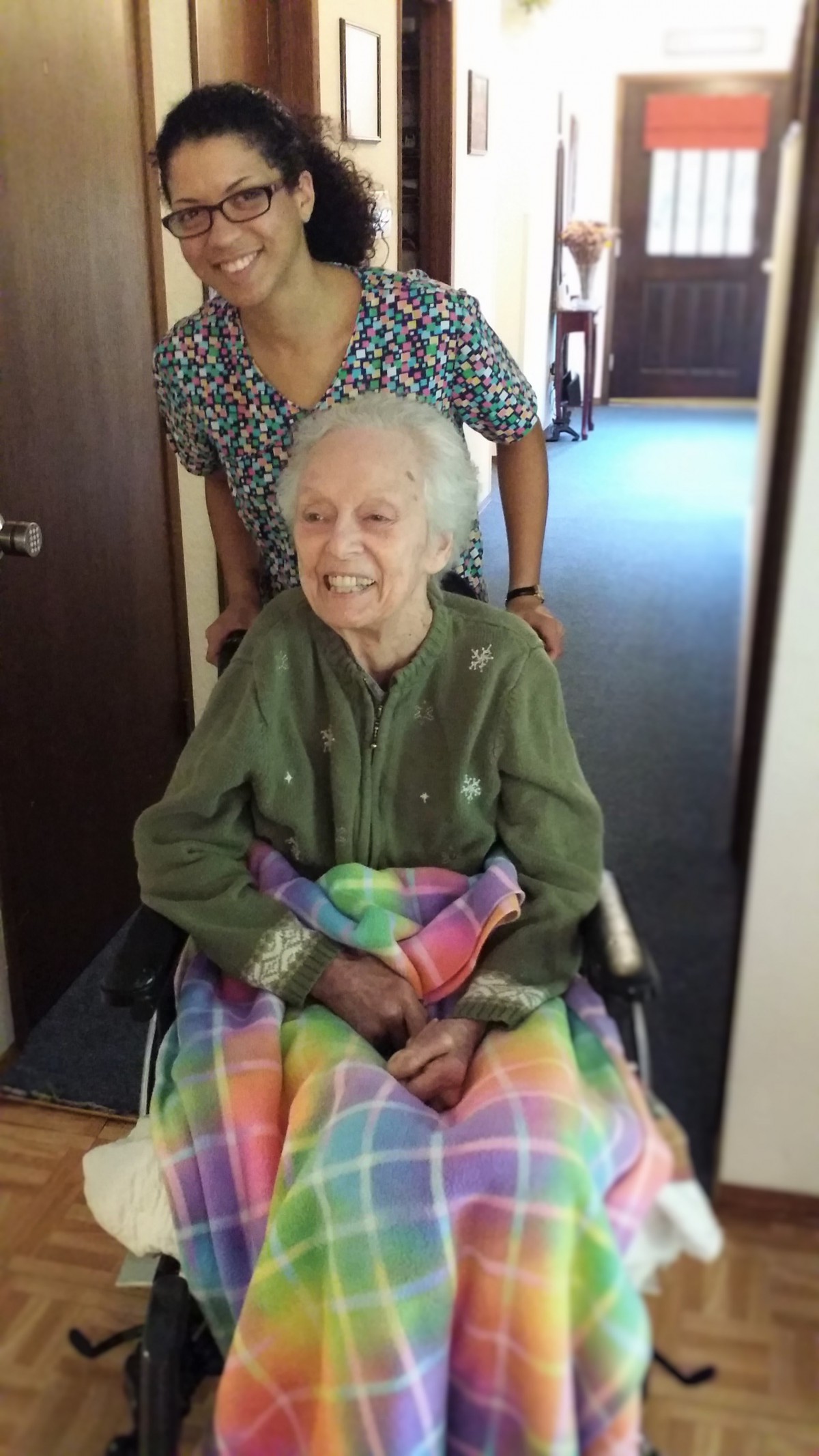
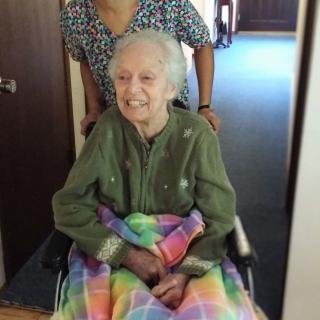
- The owners and staff are caring and loving, giving wonderful care and attention to residents.
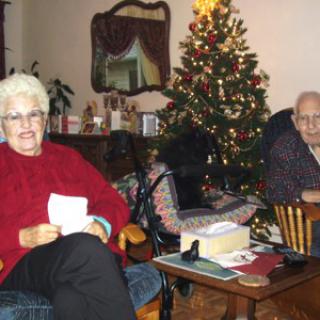
- Residents are treated like family.
- The care is outstanding, attentive, and interactive, with staff who are generous beyond measure.
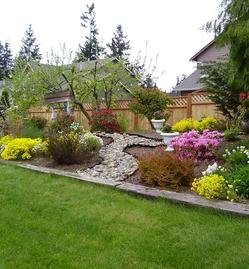
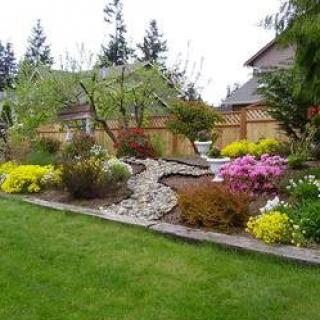
- The home provides a spacious, enclosed backyard deck and garden for safe outdoor time.
- The community fosters family involvement with gatherings, music, and barbecues.
- Families can have total confidence that their loved ones are wonderfully cared for.
Review
At Tessa's Adult Care Home in Lynnwood, WA is best suited for families seeking a small, home-like environment where caregivers treat residents like extended family and everyday life centers on personal connections, safety, and social engagement. The setting appeals to seniors who value warmth, consistent attention, and a community vibe over a more institutional atmosphere. Observers will notice a clean, bright home atmosphere with thoughtful touches that make residents feel welcome from the moment they walk through the door, including a spacious enclosed backyard deck and garden that offer safe outdoor time.
Families who may want to consider alternatives are those whose loved ones require more intensive medical oversight or specialized memory-care programming. This type of Adult Family Home typically emphasizes personalized, relational care rather than a broad continuum of clinical services. For seniors needing on-site nursing around the clock, access to extensive rehabilitative therapies, or highly structured, clinical routines, larger facilities or dedicated memory-care communities may be more appropriate. In short, the appeal here is a proven, affection-forward care model rather than a hospital-like, clinical model.
The strongest positives, caring owners and staff, and a consistently family-centric approach, do substantial work to offset what potential gaps may exist in a small, home-based setting. The reviews repeatedly highlight attentive, interactive residents-caregiver dynamics and a sense of generosity that goes beyond basic duties. This creates real peace of mind for families: a loved one is not just cared for in a procedural sense but welcomed into a trusted, everyday community. The home’s brightness, cleanliness, and the outdoor space further enhance mood and well-being, reducing anxiety about isolation or stagnation and supporting meaningful daily activity.
What sets this community apart is the degree of family involvement it seems to cultivate, with residents and their families brought together for barbecues and live music. That culture of connection, both with caregivers and with other families, translates into social programming that feels natural rather than staged. For many seniors, this can mean higher daily satisfaction, more opportunities to socialize, and a sense of continuity with familiar faces. The trade-off is that, in exchange for a highly personal setting, there may be fewer formal resources on-site for advanced medical needs or specialized therapies. If medical complexity increases, families should proactively verify what is available locally and how quickly it can be coordinated.
To evaluate fit during a visit, prospective families should observe the interaction style between staff and residents, assess the staff-to-resident ratio, and ask practical questions about daily routines, meal quality, and safety protocols around mobility and medications. Inquire about how care plans are developed and updated, how families stay informed about changes in health status, and which licensed professionals are available on-site or by arrangement. It is also prudent to tour the outdoor spaces and common areas to gauge whether the environment supports independence while maintaining vigilant supervision. While the warmth and community life are clear assets, confirming the facility’s capabilities to address evolving medical needs will prevent misalignment later.
In short, this community represents a compelling option for seniors who prioritize a genuine home atmosphere, continuous personal attention, and active social living. The strong pros, affectionate ownership, attentive staff, a bright, secure setting, and a vibrant family-friendly culture, often offset the more limited clinical footprint. Families with loved ones who thrive on daily companionship and meaningful interactions will find the investment worthwhile. Conversely, those whose relatives require robust medical oversight or specialized dementia care should consider options with more extensive on-site clinical resources. For many, the decision will come down to the value placed on personalized, heart-forward care versus capacity for higher-intensity medical services.
 Board and Care Home
 Memory Care
 Cats allowed
 Dogs allowed
 Activities on-site
 Beautician on-site
 Indoor common areas
 Outdoor common areas
 Private
 Respite or short term stays offered
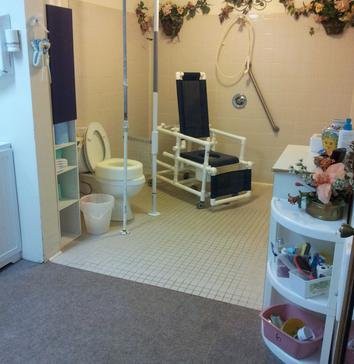
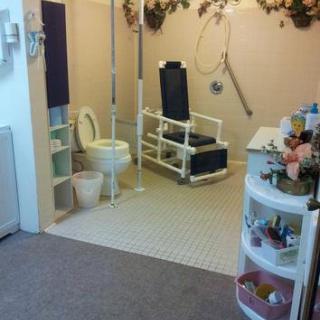
 Wheelchair accessible showers
 Diabetic care
 High acuity care
 Incontinence care
 Medication management
 Kosher
 BBQs or picnics
 Birthday parties
 Forever fit
 Gardening club
 Karaoke
 Light therapy programs
 Stretching classes
 Trivia games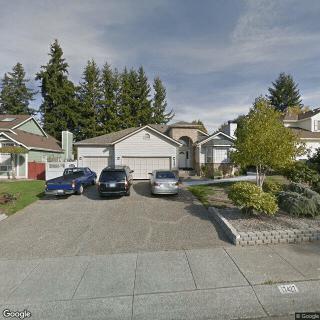
 Understanding the Distinctions: Assisted Living and Memory Care Explained
 How to Communicate with a Loved One Living with Dementia: 10 Supportive Strategies
 Comprehensive Guide to VA Nursing Homes: A Crucial Long-Term Care Resource for Veterans