
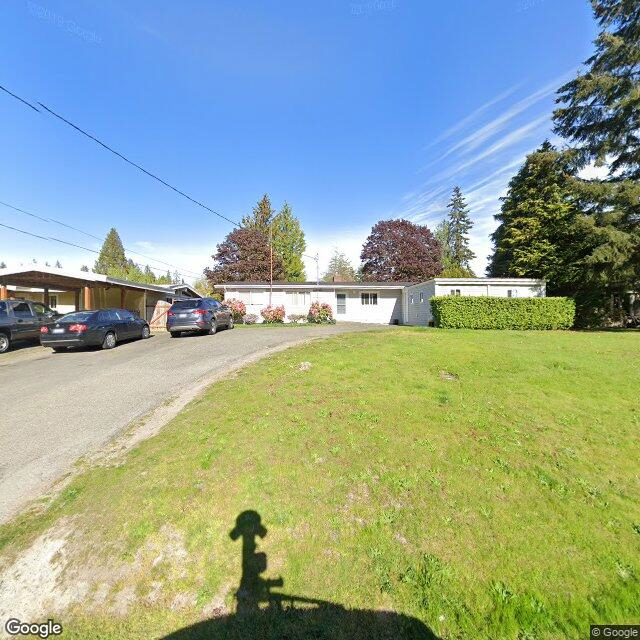
19331 74th Ave. W., Lynnwood, WA 98036
To contact a resident: (425) 775-7534
For more information about senior living options: (866) 208-4318
Brenda's Place Costs & Pricing
Brenda's Place offers competitive pricing for its accommodations compared to both Snohomish County and the broader Washington state market. For a private room, the monthly cost at Brenda's Place is $4,000, which is significantly lower than the county average of $4,834 and also below the state average of $4,772. Similarly, their one-bedroom option is priced at $5,000, which is slightly more affordable than the county's rate of $5,080 but notably higher than the state average of $4,632. These price points suggest that Brenda's Place provides a balanced option for individuals seeking quality housing without straying too far from local and state averages.
| Floor plans | Brenda's Place | Snohomish County | Washington |
|---|---|---|---|
| Private | $4,000 | $4,834 | $4,774 |
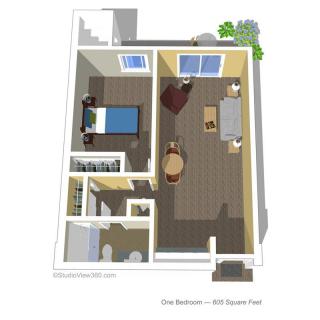
| 1 Bedroom | $5,000 | $5,080 | $4,634 |
Memory care communities with a similar price nearby
-
from -$500 / mo
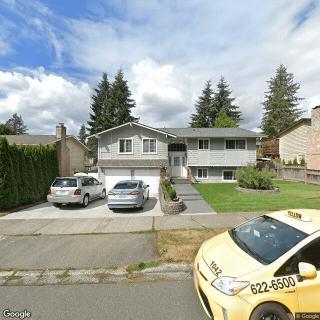
Dignity Life
$3,500 / month6.2 miles away -
from -$625 / mo
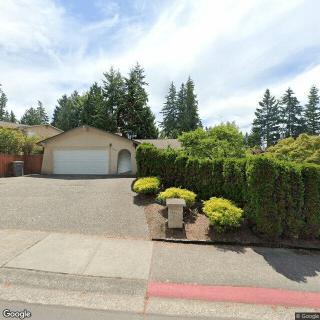
Evergreen Manor Senior Care Inc
$3,375 to $7,500 / month11.7 miles away -
About the same

Riverton Home Care
$4,000 to $5,000 / month24.1 miles away -
from +$500 / mo
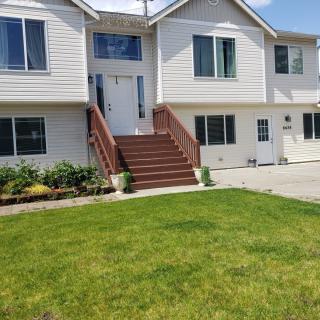
We Care Adult Family Home
$4,500 to $8,000 / month9.7 miles away -
from +$500 / mo
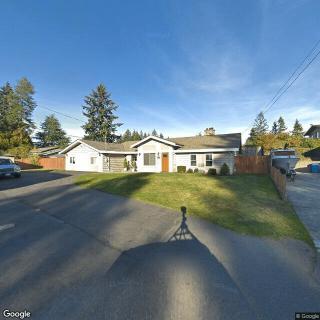
Happy Family Adult Family Home 2
$4,500 / month4.4 miles away
Overall Review of Brenda's Place
Pros
 The reviewer likes this home.
- The reviewer views it as a home, not a facility.
- Tenants are treated like people, as are relatives.
- The reviewer would say this is a good place.
Cons
Review
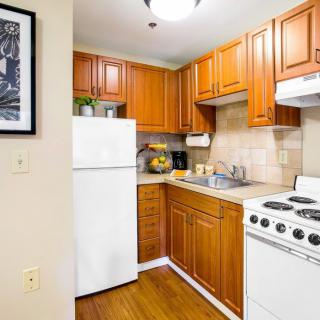
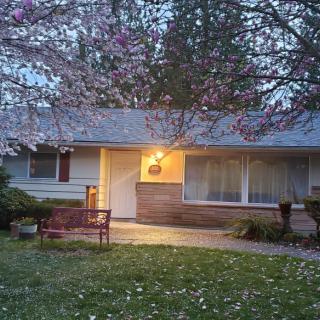
Brenda's Place in Lynnwood, Washington is best suited for seniors who prize a small, home-like environment over a larger, more clinical setting. The available feedback frames Brenda’s Place as a residence where life feels ordinary and comfortable rather than institutional. Residents are treated as people, and relatives are welcomed into the daily routine in a way that preserves dignity and continuity. For families seeking warmth, personal attention, and a sense of belonging over formal programming, this community offers a compelling option that supports a calmer, more familiar aging-in-place experience.
Alternatives should be considered by families when medical oversight, breadth of activities, or specialized care are nonnegotiable. If 24/7 nursing coverage, on-site therapies, transportation to appointments, or a robust calendar of enrichment programs are required, a larger assisted-living campus or a facility with explicit memory-care supports may serve better. For those needing transparent, data-driven reporting on care levels or anticipating higher care needs, such as mobility aids, continence management, or intensive medication management, other options with clearer clinical structures could be warranted.
The central advantage here is the sense of home over facility, a distinction that matters in daily life. The single review stresses that tenants are treated like people and that relatives are folded into the life of the home, not kept at arm’s length. In practical terms, that translates into more respectful day-to-day interactions, reduced formality, and a milieu where familiar routines, and the dignity attached to them, are preserved. For families worried about depersonalization or abrupt changes in routine, this approach offers substantial reassurance.
Because the narrative rests on limited detail, questions about staffing levels, safety protocols, meals, and activity options remain essential. The intimate scale may yield fewer on-site services and slower access to medical oversight than larger communities. Families should probe caregiving ratios, the range of care tasks covered on site, how medications are managed, transportation arrangements, and the availability of specialized assistance as health needs evolve. Without a fuller picture, it’s natural to wonder how consistently residents receive timely help when emergencies arise.
That said, the warmth and person-centered culture can meaningfully offset gaps in formal programming. When dignity and steady, familiar interactions top the list of priorities, Brenda’s Place delivers a practical, low-stress living arrangement that can lessen anxiety for both residents and families. Close relationships with caregivers often translate into quicker recognition of subtle health or mood changes, which can compensate for a more understated activity calendar. For households willing to supplement formal services with targeted supports from outside providers, the model becomes both workable and sustainable.
The bottom-line recommendation centers on alignment of priorities. If the priority is a gentle, respectful daily life with staff who know residents personally and families who feel truly connected, Brenda’s Place deserves serious consideration and a full tour. Prepare to verify concrete details about staffing, medical oversight, meal quality, safety measures, and transportation. If a loved one requires ongoing, robust clinical oversight, diverse programming, or comprehensive memory-care resources on site, it is prudent to compare with other options that clearly foreground those capabilities. In the right match, Brenda’s Place can offer a trustworthy, home-forward alternative that honors individuality while aging in place.
 Board and Care Home
 Memory Care
 Activities on-site
 Bath tubs
 Beautician on-site
 Cable or satellite TV
 Indoor common areas
 Outdoor common areas
 Private
 Respite or short term stays offered
 Wi-Fi/high-speed internet available
 Diabetic care
 High acuity care
 Incontinence care
 Medication management
 Meals provided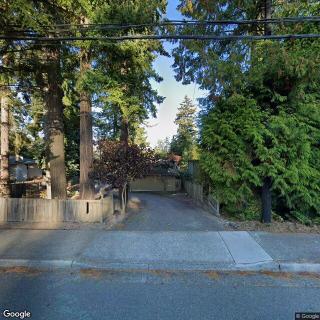
 Are Dementia and Alzheimer's Disease Lethal? A Comprehensive Exploration
 Exploring the Power of Reminiscence Therapy for Individuals With Dementia
 An In-Depth Look at Reminiscence Therapy in Dementia Care