
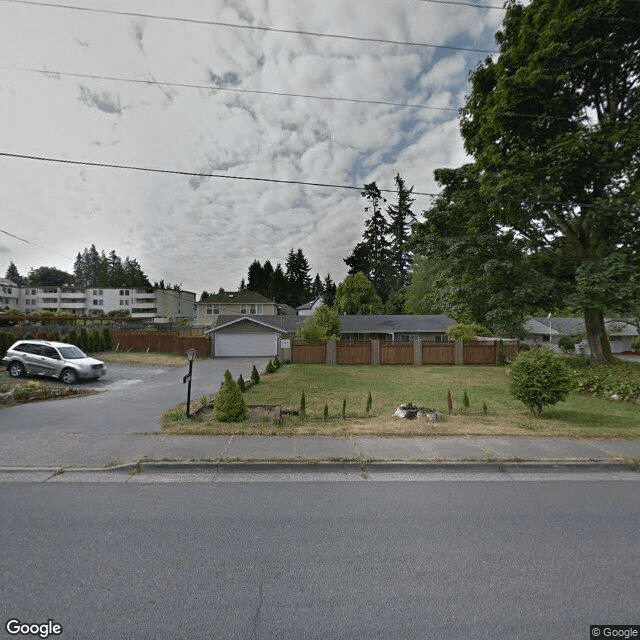
8606 196th St SW, Edmonds, WA 98026
To contact a resident: (206) 403-3892
For more information about senior living options: (866) 208-4318
Seaview Adult Family Home Costs & Pricing
Seaview Adult Family Home offers competitive pricing for its residents compared to the broader market in Snohomish County and the state of Washington. For those opting for semi-private accommodations, the monthly cost is set at $3,500, significantly lower than the county's average of $4,320 and the state average of $4,267. Similarly, private rooms are available for $4,000 per month, which also undercuts both the county's average of $4,834 and the state's average of $4,772. These favorable rates reflect Seaview's commitment to providing quality care while maintaining affordability for families seeking suitable adult family home options in the region.
| Floor plans | Seaview Adult Family Home | Snohomish County | Washington |
|---|---|---|---|
| Semi-Private | $3,500 | $4,320 | $4,272 |
| Private | $4,000 | $4,834 | $4,774 |
Senior living communities with a similar price nearby
-
About the same
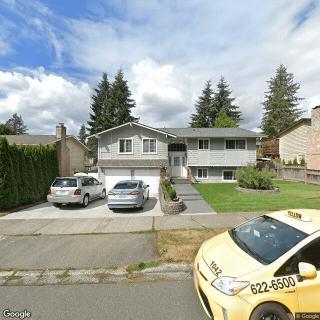
Dignity Life
$3,500 / month6.9 miles away -
from -$125 / mo
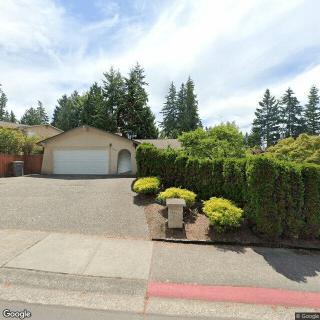
Evergreen Manor Senior Care Inc
$3,375 to $7,500 / month12.1 miles away -
from +$500 / mo
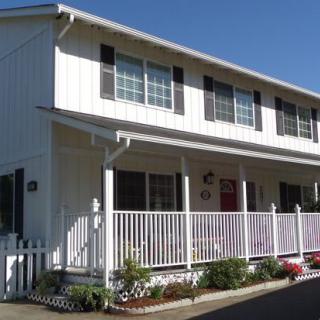
Meadow Crest Senior Home
$4,000 to $6,000 / month23.1 miles away -
from -$500 / mo
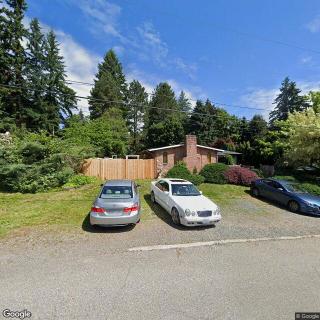
Caring Adult Family Home #1
$3,000 / month8.1 miles away -
from +$500 / mo

Riverton Home Care
$4,000 to $5,000 / month24.0 miles away
Overall Review of Seaview Adult Family Home
Pros
 One resident could not imagine living anywhere else at Sea View.
- The staff, caregivers, and residents were patient and gracious during the dementia-related transition.
- From day one, the owners worked with the family to tailor to specific needs, ensuring the grandfather was well cared for.
- When caregiving needs increased, Sea View collaborated with the family so he could remain in the home.
- During the first year of the pandemic, Sea View's precautions led to no Covid infections or hospitalizations among residents or caregivers.
- The facility provides exceptional care and truly feels like a family, with the grandfather surrounded by love in his final years.
Review
Sea View Adult Family Home in Edmonds, WA is best suited for families seeking an intimate, dementia-capable setting where a loved one can receive highly personalized care within a true home environment. This community excels when the focus is on close, hands-on attention, continuity of care, and a warm, family-like culture rather than a large, impersonal facility. The setting is small, and the owners are deeply involved, shaping daily routines to reflect the resident’s history, preferences, and evolving needs. For families navigating dementia care, Sea View offers a level of tailored responsiveness that translates into genuine comfort and security for residents and relief for relatives.
Those weighing Sea View against alternatives should note that the strongest fit is not for everyone. If the priority is a larger memory-care program with extensive on-site clinical staffing, a packed activities calendar, and broad amenities, a bigger facility may be a better match. The intimate, family-operated model prioritizes flexible, one-on-one attention over scale. When medical complexity rises beyond what a compact home can comfortably manage, a more expansive community with formal clinical oversight can be preferable. In short, Sea View shines in personalized dementia care and may under-deliver for families seeking breadth of services and standardized protocols.
Key strengths center on deliberate, individualized care from day one. There is clear evidence that the owners collaborate with families to tailor nearly every aspect of care, from medication management to daily routines, furniture choices, and even dietary preferences such as a sugar-free syrup. That level of responsiveness continued as caregiving needs progressed, with staff coordinating to keep the loved one in the home. The environment itself embodies a “family” ethos, where residents with dementia receive patient, gracious attention, and families perceive steady commitment to comfort and dignity.
Equally important is the way safety, communication, and continuity are prioritized. The care team appears to keep families closely informed, with proactive updates when health changes are anticipated. This is not merely a courteous touch; it reflects a culture of ongoing partnership and trust. The small scale enables precise medication management and daily care decisions tailored to individual likes and routines, things that larger settings struggle to accommodate consistently. For families who prize predictability, familiarity, and a sense of belonging, these attributes translate into real, observable benefits.
The trade-off is real, though. The compact, family-run model inevitably offers less clinical breadth and fewer formal programs than bigger communities. That is not a fatal flaw, but it is a practical consideration: the emphasis remains on intimate care, not on hospital-like oversight or a wide array of on-site specialists. The reviews illustrate how this translates into remarkable warmth, continuity, and bespoke support for dementia residents, which can offset the lack of scale for families prioritizing comfort and personal connection. Those needing more structured programming or rapid access to a broad medical team may wish to explore other options.
Sea View stands as a sound recommendation for families navigating dementia care who value a home-like setting, responsive caregivers, and a sustained sense of partnership. It is especially well-suited for loved ones who thrive on routine, personal attention, and a clear feeling of belonging. Alternatives should be considered by families seeking larger communities, more formal clinical oversight, or more expansive social programming. In the decision-making process, visitors should meet the owners and front-line caregivers, review how care plans adapt over time, and assess whether the intimate, family-centric model aligns with long-term expectations. On balance, Sea View offers a proven path to comfort, dignity, and continuity for dementia-focused care.
 Board and Care Home
 Activities off-site
 Bath tubs
 Devotional services off-site
 Indoor common areas
 Outdoor common areas
 Private
 Respite or short term stays offered
 Wheelchair accessible showers
 Ambulatory care
 Diabetic care
 High acuity care
 Incontinence care
 Medication management
 Meals provided


 Seniors and Modern Transportation: Exploring Uber, Lyft, and Other Ride-Hailing Options
 Comprehensive Guide to Qualifying for Home Health Care Services
 Powerful Realities of Elder Abuse and the Most Effective Ways to Report It