
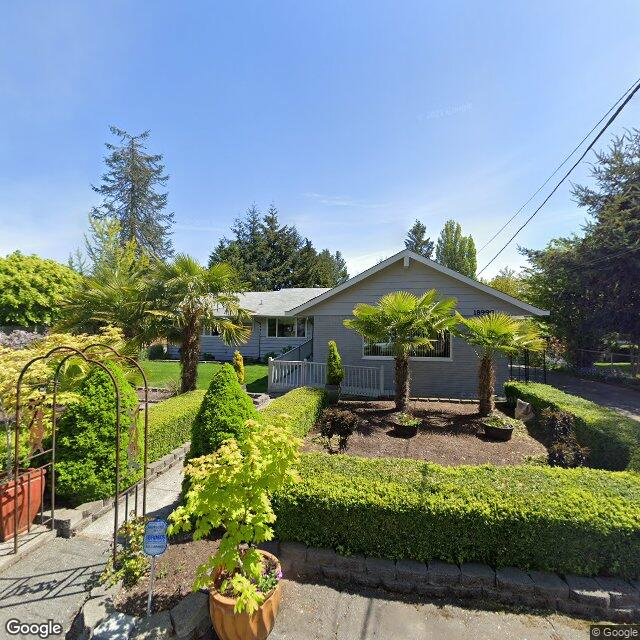
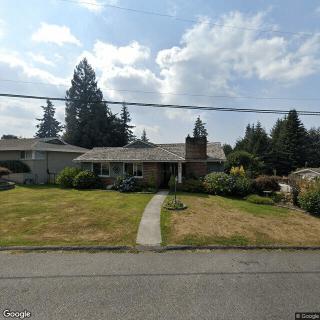
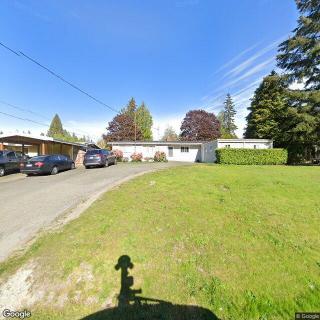
18999 80th Ave. W, Edmonds, WA 98026
To contact a resident: (206) 779-6648
For more information about senior living options: (866) 208-4318
Golden Age 3 Costs & Pricing
Golden Age 3 offers a consistent monthly rate of $5,000 across all room types, which includes private, semi-private, and studio accommodations. When compared to the broader market in Snohomish County and the state of Washington, Golden Age 3's pricing appears to be elevated. For instance, the average cost for a private room in Snohomish County is approximately $4,834, while in the state it sits at around $4,772. Similarly, semi-private rooms are priced lower at about $4,320 for county residents and $4,267 statewide. Even studio units reflect a similar trend with costs of $4,443 in Snohomish County and $4,126 throughout Washington. While Golden Age 3 maintains its premium rates, potential residents may want to consider these market comparisons when evaluating their options for long-term care living arrangements.
| Floor plans | Golden Age 3 | Snohomish County | Washington |
|---|---|---|---|
| Private | $5,000 | $4,834 | $4,774 |
| Semi-Private | $5,000 | $4,320 | $4,272 |
| Studio | $5,000 | $4,443 | $4,128 |
Memory care communities with a similar price nearby
-
from +$750 / mo

Fieldstone Rolling Bay and Fieldstone Memory Care
$5,750 to $8,895 / month13.6 miles away -
from -$500 / mo
We Care Adult Family Home
$4,500 to $8,000 / month9.7 miles away -
About the same
Abundant Life Lynnwood
$5,000 to $6,000 / month4.6 miles away -
from -$500 / mo
Happy Family Adult Family Home 2
$4,500 / month4.7 miles away -
from -$500 / mo
Amy's Adult Care Home
$4,500 / month10.5 miles away
Overall Review of Golden Age 3
Pros
 The home is run efficiently and genuinely cares for the people she looks after.
 - The environment is clean, with no odors of urine mishaps.
- She keeps on top of all requirements for attendees.
- Golden Age 3 provides a home-like setting with bedrooms and meals at a dining room table in a family environment.
- There is a minimum of two caregivers for five residents, often three caregivers, ensuring attentive care.
- All levels of care are provided.
- The residents are treated with kindness and respect.
- The care received left the family very happy.
Review
Golden Age 3 in Edmonds is best suited for seniors who want a truly home-like, intimate setting where care feels personal and visible every day. This community shines for residents who value a bedroom-to-dining-room continuity, where meals are taken at a real table and life unfolds in a family atmosphere rather than a clinical corridor. With five residents and a small, tightly run operation, the environment supports steady, respectful interaction, and the caregiver team is clearly on alert to attend to daily needs. The person who runs the home implements efficient systems, keeps up with required tasks, and earns trust by showing genuine care. For families seeking a warm, low-key, highly supervised setting, Golden Age 3 offers a compelling match.
That said, there are clear reasons some families may want alternatives. The same small scale that fosters closeness can limit access to high-volume programming, specialized therapies, or highly visible medical oversight that larger communities advertise as part of their core value. Those whose priorities include a robust calendar of organized activities, frequent on-site nursing for acute, complex needs, or extensive memory-care programming may find this setting less aligned with expectations. Additionally, prospective residents who crave a more expansive campus experience, broader social options, or highly structured rehab services may prefer larger facilities where these elements are more centralized.
The strongest positives, the efficient leadership, the genuine care, and the tangible, homey routine, offset potential downsides in meaningful ways. The caregiver ratio is notable: a minimum of two caregivers for five residents, with three frequently present. That staffing level translates into rapid assistance, consistent supervision, and less waiting for help with meals, mobility, or personal tasks. Residents live in a real bedroom and share meals in a dining room, which preserves dignity and independence while ensuring supervision. The emphasis on kindness and respect from the care team contributes to a vibe of safety and trust, making it easier for families to feel comfortable with ongoing decisions and transitions within all levels of care offered.
Where some households notice a subtle gap is in the breadth of daily programming and the visibility of medical resources. The home-like model can mean fewer on-site amenities and a leaner slate of structured activities than larger assisted living communities. For residents who thrive on constant stimulation, social events, or on-site rehab services, this environment may feel quiet or streamlined. Yet for seniors who prize predictability, familiar routines, and consistent, person-centered attention, those same traits become the core advantage. The proven ability to adapt levels of care within a small team further strengthens the case for families prioritizing continuity and intimate oversight over breadth of offerings.
For families evaluating options, practical next steps are clear. Observe caregiver interactions directly, watch how staff engage with residents during meals and routine care, and note whether responses are timely and respectful. Confirm that all levels of care promised are indeed available on-site, and inquire about the plan if needs escalate. Ask about daily programming and social opportunities, and request examples of how residentsā€™ preferences are incorporated into routines. Review safety measures, medication management processes, and the handling of privacy and dignity in daily care. Finally, request to speak with current families about what a typical week looks like and how the transition between care levels was managed.
In the end, Golden Age 3 stands out for families who want a tight-knit, respectful, homelike assisted living experience, with real warmth from a purposeful operator and a well-staffed, attentive team. It is a strong recommendation for seniors who do not require heavy hospital-like services but do want reliable daily support, personal connection, and a dignified living environment in a compact setting. For those whose priorities include a bustling social scene, expansive on-site medical services, or a larger community footprint, it would be wise to compare alternatives that emphasize those strengths. When alignment exists between homey, attentive care and a peaceful, small-community lifestyle, Golden Age 3 is a sound, confident fit.
 Board and Care Home
 Memory Care
 Activities off-site
 Beautician on-site
 Devotional services off-site
 Indoor common areas
 Outdoor common areas
 Private
 Private bathrooms
 Respite or short term stays offered
 Wheelchair accessible showers
 Diabetic care
 High acuity care
 Incontinence care
 Medication management
 Kosher



 22 Remarkable Caregiver Support Groups Available Online and In-Person
 Understanding Medicaid Coverage for Assisted Living: A Comprehensive Guide
 How and When Medicaid May Cover Assisted Living Costs