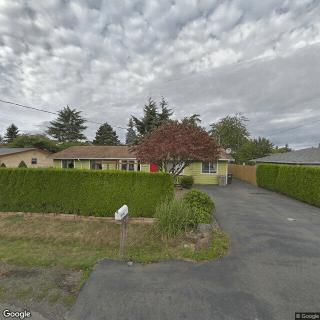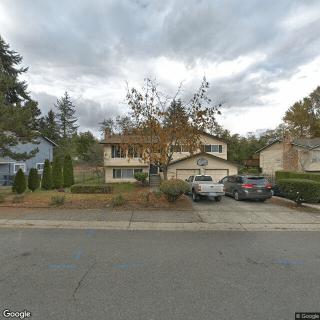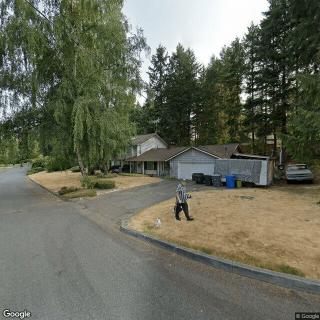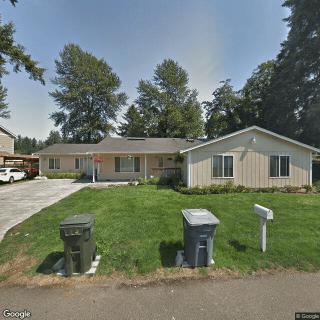
The Young House in Tacoma, WA

Save

The Young House in Tacoma, WA

8717 Forest Ave SW, Tacoma, WA 98498

For more information about senior living options: (844) 490-3973

4.9 from 9 reviews
5 stars
8
4 stars
1
3 stars
0
2 stars
0
1 stars
0

Board and Care Home Memory Care

The Young House Costs & Pricing

The Young House offers a competitive pricing structure when compared to both Pierce County and the broader Washington state market. For two-bedroom accommodations, residents pay $3,095 monthly, significantly lower than the county average of $4,129 and the state average of $4,301. One-bedroom units at The Young House range from $3,175 to $6,000, still undercutting the county and state averages of $4,456 and $4,632 respectively. Additionally, its semi-private rooms are priced at $4,000 - below the county's cost of $4,264 and slightly above the state's figure of $4,267. For those seeking private options, The Young House's rate of $6,000 aligns closely with Pierce County's average of $4,623 but remains above the state's average of $4,772. Overall, The Young House presents an appealing choice for potential residents looking for value in their housing options while still maintaining quality care.

Floor plansThe Young HousePierce CountyWashington
2 Bedrooms$3,095$4,129$4,301
1 Bedroom$3,175 to $6,000$4,456$4,634
Semi-Private$4,000$4,264$4,272
Private$6,000$4,623$4,774

Overall Review of The Young House

Pros

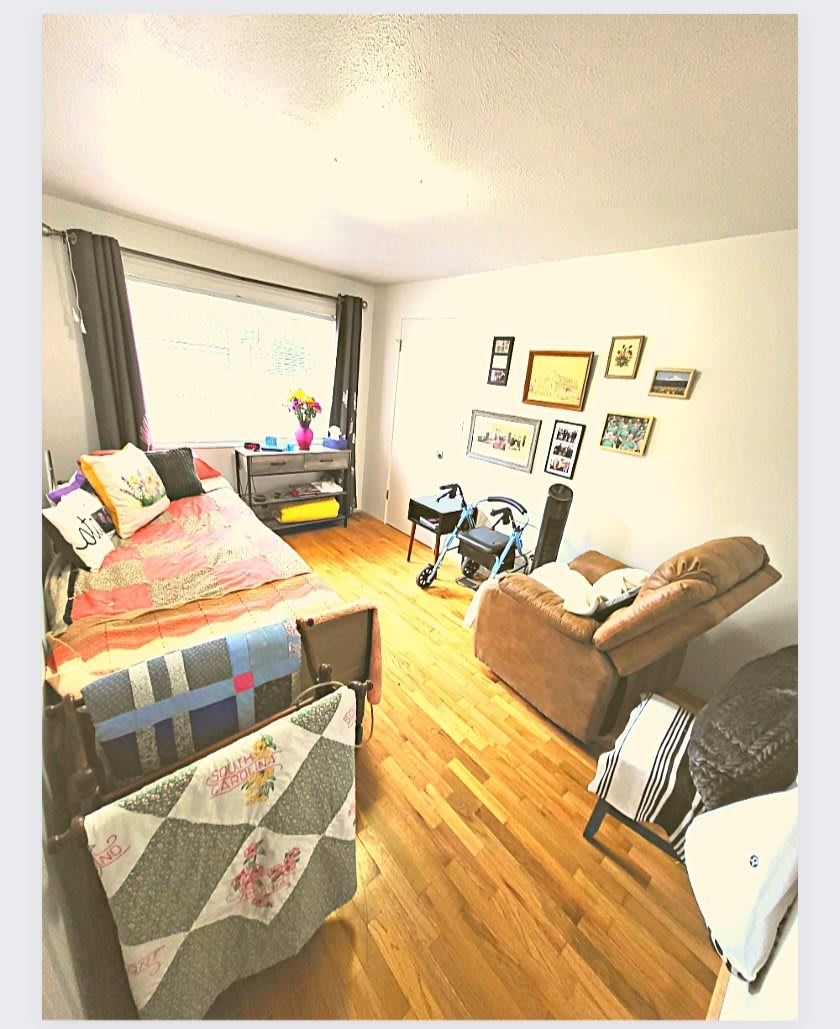
  • pro The Young House AFH is described as welcoming and family-like.
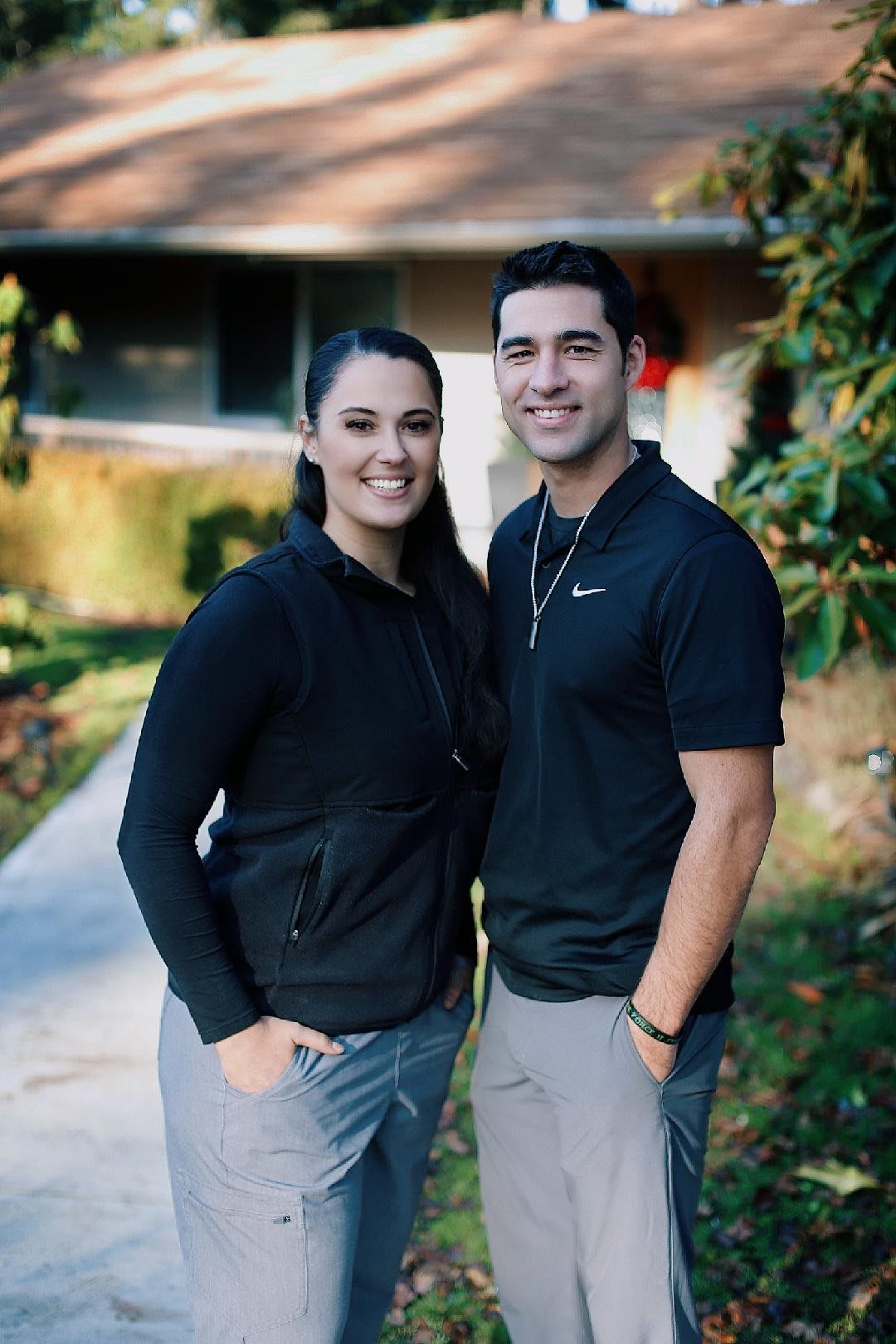
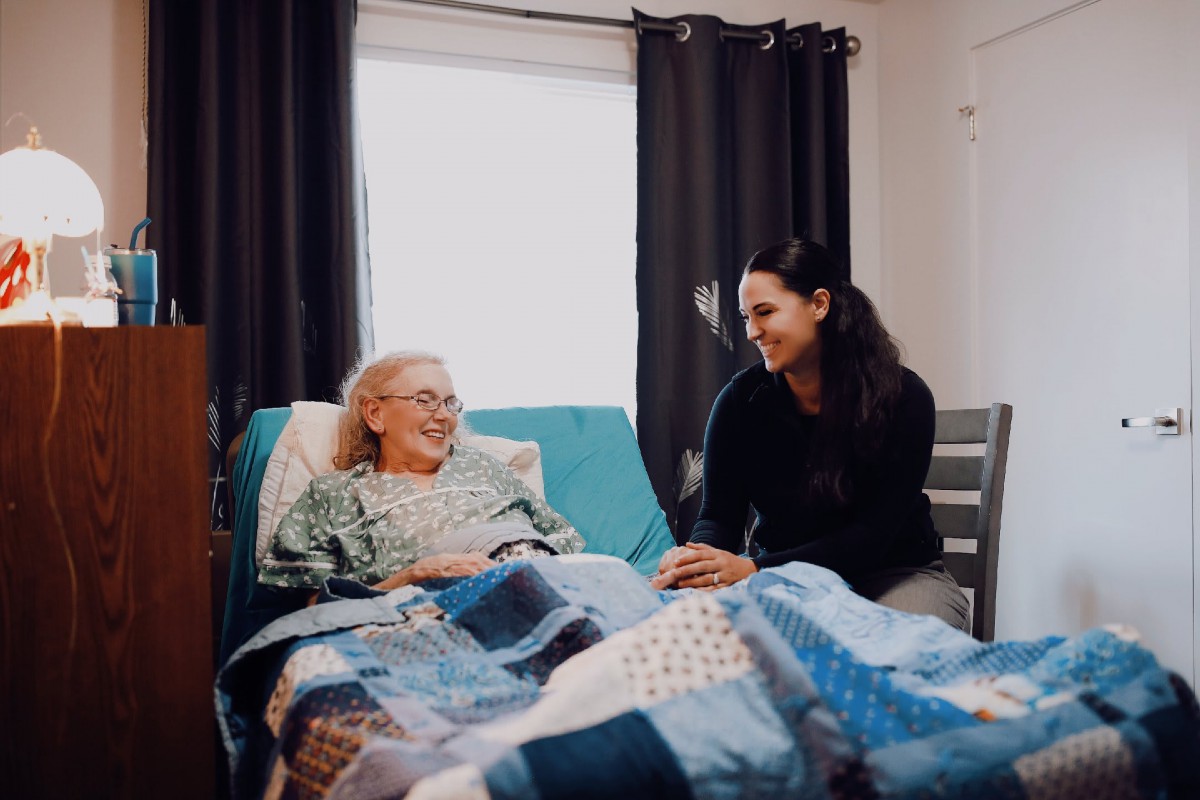
  • pro Christa is praised for being incredibly friendly and for going above and beyond to meet residents' needs.
  • pro The facility is clean and well-maintained, creating a comfortable environment.
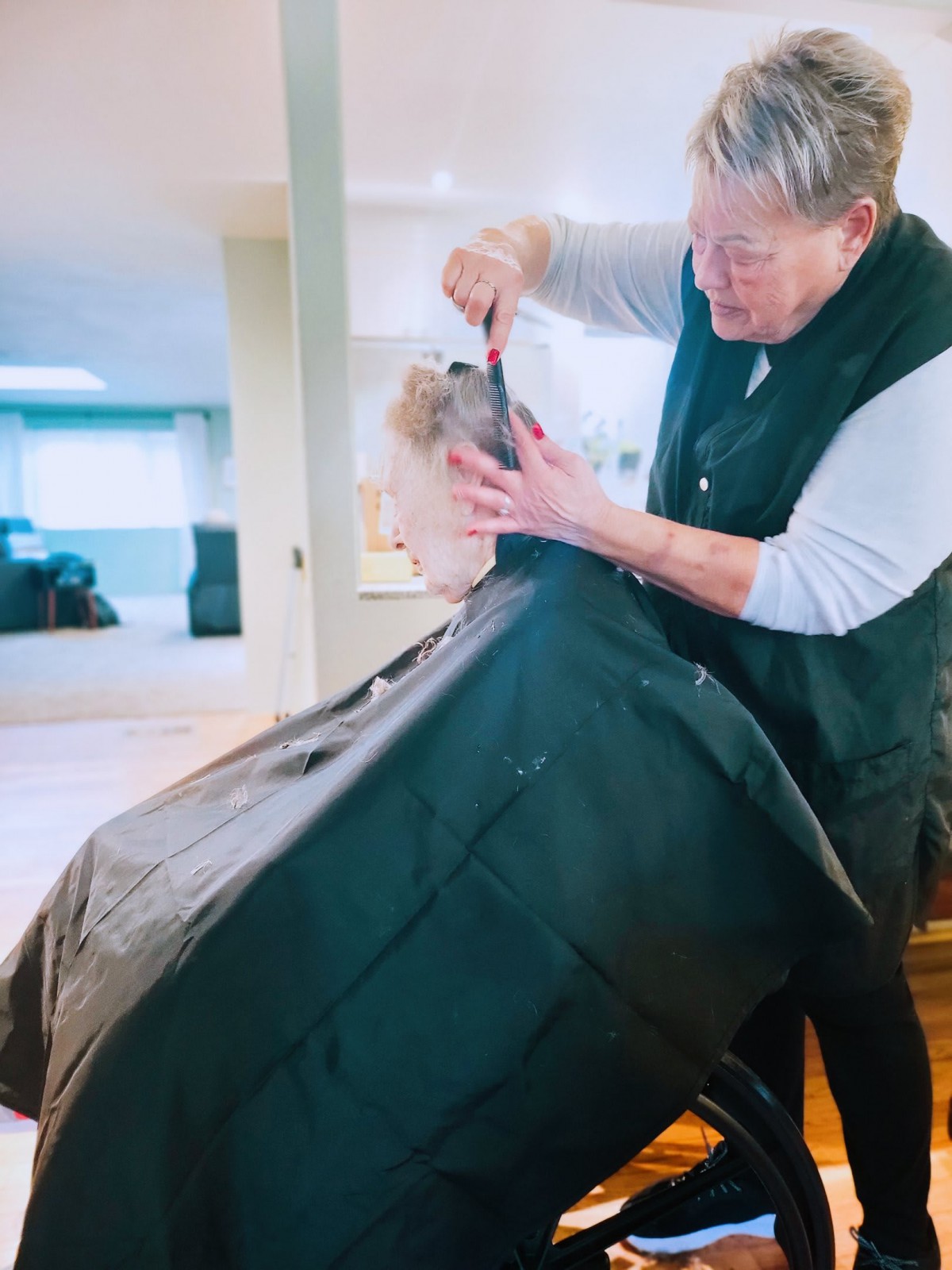
  • pro The staff is compassionate, professional, and dedicated, delivering personalized care plans.
  • pro The care provided positively impacts residents' quality of life, including those with dementia.
  • pro Families feel supported and included, with open communication and regular gatherings.
  • pro The home offers a loving, peaceful atmosphere, described as God-centered by some reviewers.
  • pro Overall, families highly recommend The Young House AFH for exceptional care and a warm environment.

Review

The Young House AFH in Tacoma, WA, is best suited for families seeking a true home-like setting where seniors receive highly personalized attention and strong emotional support. It shines for residents who thrive under a small caregiving team, consistent caregivers, and a warm, family atmosphere that feels more like a home than a facility. Reviewers repeatedly mention Christa and her team building genuine relationships, tailoring care plans to individual needs, and creating a sense of belonging that helps memory-care residents and those transitioning from hospital or SNF care flourish. For families prioritizing daily warmth, transparent communication, and a supportive community, this is a compelling match.

Those with high medical acuity or expectations of a large, institution-style operation should consider alternatives. The Young House operates as an intimate, home-based setting, which naturally limits the scope of on-site medical resources and structured therapy programs. Prospective residents who require frequent skilled nursing interventions, extensive rehab pathways, or a broad array of on-site specialists may find the environment less compatible with their needs. Additionally, families seeking a formal campus feel with expansive activity calendars may want to compare options before committing.

Key advantages stem directly from the setting. The home is consistently clean and inviting, with staff described as compassionate, professional, and deeply dedicated. Care plans are genuinely personalized, reflecting each resident's history, preferences, and cognitive status. Dementia care is a particular strength, with caregivers who invest time in meaningful engagement and keep families informed about changes. The family atmosphere extends to the broader community, with Christa's family members actively involved and regular family-oriented events that reinforce belonging without compromising privacy. Residents sense a comforting, "home away from home" rhythm that supports mood, engagement, and overall quality of life.

Potential drawbacks tie more to scale than quality. A smaller footprint means fewer formal programs or on-site services than a large assisted-living campus, which could matter to families seeking aggressive social calendars or extensive clinical offerings. Yet the same intimacy yields tangible benefits: faster attention, daily consistency, and open, proactive communication that strengthens trust. End-of-life care and hospice support are delivered with warmth and clarity, reducing family stress during difficult moments. In practice, the strongest pro - the deeply personal, attentive care - tends to offset the absence of a broad service menu. For many, the trade-off results in better emotional well-being and a sense of security that larger facilities struggle to match.

Decision-makers should approach with practical questions. Confirm what medical oversight is available on-site, who handles medications, and how nursing tasks are coordinated. Observe how falls are mitigated in a home setting and assess privacy, autonomy, and how activities are scheduled around each resident's routine. Inquire about dementia-specific staff training and the cadence of family updates. If respite care, flexibility, or extended family events matter, verify availability. The reviews suggest a culture of heartfelt engagement and transparent communication; verify those dynamics during visits and speak with current families about their experiences, especially around emergencies or transitions between care stages.

Overall, The Young House AFH stands out as a premier choice for seniors who value a home-like atmosphere, steady caregiver relationships, and a holistic, person-centered approach. It is less suited for residents demanding high-intensity medical management or a broad, campus-style program. For families prioritizing warmth, continuity, and emotional well-being, this Tacoma community delivers with remarkable consistency. Those with loved ones who respond positively to intimate settings, consistent daily routines, and a sense of belonging will likely consider The Young House a trusted solution. When the goal is compassionate, individualized care within a loving home, this is hard to beat.

Features

Types of Care

  • Board and Care Home Board and Care HomeBoard and care homes provide a smaller, more intimate setting for seniors who require assistance with daily tasks but do not need the level of care offered by a nursing home. They offer personalized care, meals, and social activities in a homelike environment, ensuring that seniors receive individualized attention and support in their golden years.
  • Memory Care Memory CareMemory care is crucial for seniors as it provides specialized support and services for individuals with dementia or Alzheimer's disease. These programs offer a safe and secure environment where residents receive personalized care, cognitive stimulation, and help with daily activities. Memory care helps seniors maintain their independence, quality of life, and dignity while also providing peace of mind for their families.

Pets

  • Cats allowed Cats allowed"Pet friendly" senior living communities are important for seniors because pets provide companionship, reduce feelings of loneliness and depression, promote physical activity and mental stimulation, and offer a sense of purpose and responsibility. Pets can improve overall well-being and quality of life for seniors in many ways.
  • Dogs allowed Dogs allowed"Pet friendly" senior living communities are important for seniors because pets provide companionship, reduce feelings of loneliness and depression, promote physical activity and mental stimulation, and offer a sense of purpose and responsibility. Pets can improve overall well-being and quality of life for seniors in many ways.

Amenities

  • Air-conditioning Air-conditioningAir conditioning is important for seniors as they are more vulnerable to heat-related illnesses and may have underlying health conditions that make it difficult for them to regulate their body temperature. It helps to keep them comfortable, safe, and healthy in hot weather.
  • Cable or satellite TV Cable or satellite TVCable or satellite TV is important for seniors because it provides entertainment, news, and companionship, helping to combat loneliness and boredom. It also offers a wide range of programming options tailored to different interests and preferences.
  • Fireplaces FireplacesFireplaces are important for seniors as they provide warmth, comfort, and a cozy atmosphere that can help alleviate the physical discomforts of aging, such as arthritis and poor circulation. Additionally, fireplaces offer a sense of nostalgia and security, making seniors feel more at home and relaxed in their living environment.
  • Full kitchen Full kitchenHaving a full kitchen in a senior living facility is important for seniors because it allows them to maintain their independence and prepare their own meals. This promotes healthy eating habits, saves money on dining out, and provides a sense of familiarity and comfort for residents.
  • Garden view Garden viewGarden views are important for seniors as they provide natural beauty and tranquility, promoting relaxation and overall well-being. Access to green spaces can also encourage outdoor activity and socialization, enhancing physical and mental health.
  • Ground floor units Ground floor unitsGround floor units are important for seniors because they provide easy accessibility, reduced risk of falls and injuries, and convenience for those with mobility issues. Seniors can avoid climbing stairs or using elevators, making daily tasks and activities more manageable and enjoyable.
  • Handicap accessible Handicap accessible"Handicap accessible" amenities are crucial for seniors to ensure they can easily navigate and access facilities, services, and activities without barriers or limitations due to physical impairments. This promotes independence, safety, and inclusivity for seniors in senior living communities.
  • Private PrivatePrivacy is important for seniors as it allows them to maintain their independence, dignity, and sense of control over their own lives. It also gives them the space and freedom to relax, reflect, and engage in activities that bring them joy and fulfillment. Creating private spaces within senior living facilities is crucial for promoting overall well-being and quality of life.
  • Private patio, deck, or balcony Private patio, deck, or balconyHaving a private patio, deck, or balcony is crucial for seniors living in a retirement community as it provides them with access to fresh air, natural light, and the outdoors without having to leave their home. This outdoor space can promote physical activity, mental well-being, and socialization opportunities for seniors, contributing to an overall improved quality of life.
  • Respite or short term stays offered Respite or short term stays offeredRespite or short term stays provide seniors with a temporary solution when their regular caregiver is unavailable, offering them the opportunity to receive additional care and support during times of need, while also giving caregivers a chance to rest and recharge.
  • Wheelchair accessible showers Wheelchair accessible showersWheelchair accessible showers are crucial for seniors as they provide a safe and independent bathing option for those with mobility challenges. These showers help prevent falls and allow seniors to maintain their dignity and autonomy while ensuring they can bathe comfortably.
  • Wi-Fi/high-speed internet available Wi-Fi/high-speed internet availableWi-Fi/high-speed internet is important for seniors to stay connected with loved ones, access online resources, and participate in virtual activities to combat feelings of loneliness and isolation. It also allows them to easily manage healthcare needs, access entertainment, and engage in lifelong learning opportunities.

Transportation

  • Seattle-Tacoma International (23 miles away) Seattle-Tacoma International (23 miles away)

Care Services

  • Diabetic care Diabetic careDiabetic care is crucial for seniors as they are more susceptible to developing diabetes due to aging and other health conditions. Proper management of diabetes can help prevent complications such as heart disease, vision loss, and nerve damage, improving the overall quality of life for seniors in senior living communities.
  • High acuity care High acuity careHigh acuity care is important for seniors because it provides specialized medical attention and support for individuals with complex medical needs. This level of care ensures that seniors receive the appropriate treatment and assistance to maintain their health and quality of life as they age.
  • Incontinence care Incontinence careIncontinence care is essential for seniors to maintain their dignity, hygiene, and overall quality of life. By addressing incontinence issues promptly and effectively, seniors can enjoy a sense of independence and comfort in their daily activities.
  • Medication management Medication managementMedication management is crucial for seniors to ensure they are taking the right medications at the correct dosages and times. This helps prevent adverse drug interactions, reduces the risk of medication errors, and promotes overall health and well-being. Proactive management also allows for adjustments as needed based on changing health conditions or new prescriptions.

Dining

  • Anytime dining Anytime diningAnytime dining is important for seniors because it allows them the flexibility to eat when they are hungry, rather than being restricted to set meal times. This can be especially beneficial for those with medical conditions or medications that affect their appetite, as well as those who may have difficulty adhering to a strict dining schedule. Overall, anytime dining promotes independence and overall well-being for seniors in senior living communities.
  • Gluten-free Gluten-freeGluten-free options are important for seniors as they are more prone to digestive issues and dietary sensitivities. Offering gluten-free meal choices in senior living communities can help improve their overall health and well-being.
  • Guest meals Guest mealsGuest meals are important for seniors living in senior living communities because they provide an opportunity for socialization and companionship. Sharing a meal with friends, family, or new acquaintances can help combat feelings of loneliness and isolation, promote a sense of community, and enhance overall well-being. Additionally, guest meals allow seniors to enjoy delicious food in a comfortable setting without the hassle of cooking or cleaning up, making dining a pleasurable and stress-free experience.
  • International cuisine International cuisineInternational cuisine is important for seniors because it offers a variety of flavors, ingredients, and cultural experiences that can help keep their meals interesting and enjoyable. Trying new dishes can also stimulate the senses and provide different nutrients that contribute to overall health and well-being. Additionally, exploring international cuisine can bring back fond memories of travels or childhood experiences, making mealtime more nostalgic and fulfilling for seniors.
  • Kosher KosherKosher options are important for seniors because they adhere to dietary laws that are significant to many Jewish individuals, providing them with peace of mind and an opportunity to maintain their cultural traditions and beliefs while living in a senior living community.
  • Low / no sodium Low / no sodiumLow/no sodium options are important for seniors because excessive sodium intake can lead to high blood pressure, heart disease, and other health issues commonly experienced by older adults. By choosing low/no sodium foods, seniors can better manage their health and reduce their risk of developing these conditions.
  • Meals provided Meals provided"Meals provided" are crucial for seniors in assisted living communities as it ensures they have access to nutritious, balanced meals without the stress of meal planning and preparation. This can help promote overall health and well-being for seniors who may have limited mobility or cognitive abilities.
  • No Sugar No SugarNo sugar diets are important for seniors because they can help prevent or manage chronic conditions such as diabetes, heart disease, and obesity. Sugar can also contribute to cognitive decline and inflammation in the body, so reducing sugar intake can lead to overall improved health and well-being in older adults.
  • Organic OrganicOrganic foods are important for seniors because they contain fewer chemicals and pesticides, which can be harmful to aging bodies. Additionally, organic foods often have higher nutrient levels, making them a healthier choice for maintaining overall well-being in older adults.
  • Restaurant style dining Restaurant style diningRestaurant style dining is important for seniors as it offers them a social and enjoyable dining experience, promotes healthy eating habits, and provides personalized menu options to cater to their dietary needs and preferences. This type of dining setting can enhance their overall quality of life and create a sense of community within the senior living facility.
  • Room service Room serviceRoom service is important for seniors in a senior living community because it provides convenience and allows them to have their meals delivered directly to their room. This can be especially beneficial for seniors who may have mobility issues or difficulty accessing the dining area. Room service ensures that seniors are able to receive nutritious meals without having to navigate through the facility, allowing them to maintain their independence and overall well-being.
  • Special dining programs Special dining programsSpecial dining programs are important for seniors because they provide nutritious meals tailored to their dietary needs and preferences. These programs also offer socialization opportunities, promote overall health and well-being, and can help prevent malnutrition.
  • Vegan VeganVegan diets can provide numerous health benefits for seniors, including lower risk of chronic diseases, improved digestion, and increased energy levels. Additionally, plant-based diets are often rich in essential nutrients that can support overall well-being and longevity in older adults.
  • Vegetarian VegetarianA vegetarian diet is important for seniors because it can help lower the risk of chronic diseases, maintain a healthy weight, and provide essential nutrients needed for aging bodies. Additionally, plant-based diets are often easier on digestive systems and can contribute to overall well-being in older adults.

Activities

  • Art classes Art classesArt classes are important for seniors because they provide a creative outlet, improve cognitive function, reduce stress and anxiety, promote socialization, and enhance overall well-being and quality of life.
  • Bible study group Bible study groupBible study groups provide seniors with a sense of community, spiritual growth, and support during their later years. It helps them stay connected to their faith, find comfort in difficult times, and build meaningful relationships with others.
  • Catholic services Catholic servicesCatholic services are important for seniors because they provide spiritual support, a sense of community, and opportunities for social interaction that can enhance overall well-being and quality of life in their later years.
  • Cooking classes Cooking classesCooking classes are important for seniors as they provide opportunities for social interaction, enhance cognitive skills, promote healthy eating habits, and boost confidence in the kitchen.
  • Devotional activities offsite Devotional activities offsiteDevotional activities offsite are important for seniors because they provide social engagement, spiritual growth, and a sense of community outside of their living environment. This can improve overall well-being, mental health, and combat feelings of isolation or loneliness.
  • Devotional activities on-site Devotional activities on-siteDevotional activities on-site provide seniors with a sense of community, spiritual fulfillment, and emotional support, promoting overall well-being and a positive sense of purpose in their lives.
  • Jewish services Jewish servicesJewish services are important for seniors as they provide a sense of community, spiritual support, and connection to their heritage and traditions. These services help enhance overall well-being and quality of life for older adults in senior living settings.
  • Mormon/LDS services Mormon/LDS servicesMormon/LDS services are important for seniors as they provide a sense of community, spiritual support, and connection to their faith during their later years. These services offer opportunities for socialization, worship, and guidance in navigating the challenges of aging.
  • Other religious services Other religious servicesOther religious services are important for seniors as they provide a sense of community, spiritual comfort, and opportunities for socializing. These services can help seniors feel connected to their faith and maintain a sense of purpose and belonging in their later years.
  • Protestant services Protestant servicesProtestant services are important for seniors because they provide spiritual nourishment, community support, and a sense of belonging. These services can help seniors connect with others who share their faith, find comfort and guidance in times of need, and maintain a sense of purpose and fulfillment in their later years.
  • Visiting Rabbi Visiting Rabbi"Visiting rabbis provide spiritual and emotional support to seniors in assisted living communities, helping them connect with their faith, find comfort in times of need, and maintain a sense of community and belonging."
  • Visiting chaplain or priest Visiting chaplain or priestHaving a visiting chaplain or priest at a senior living community is important for seniors because it provides spiritual support, comfort, and guidance during a time of life that can be challenging and uncertain. Their presence can help seniors feel connected to their faith, find peace of mind, and cope with the emotional and mental struggles they may face in their later years.

Description

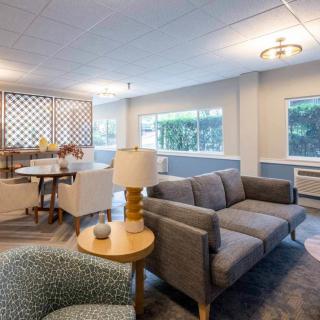
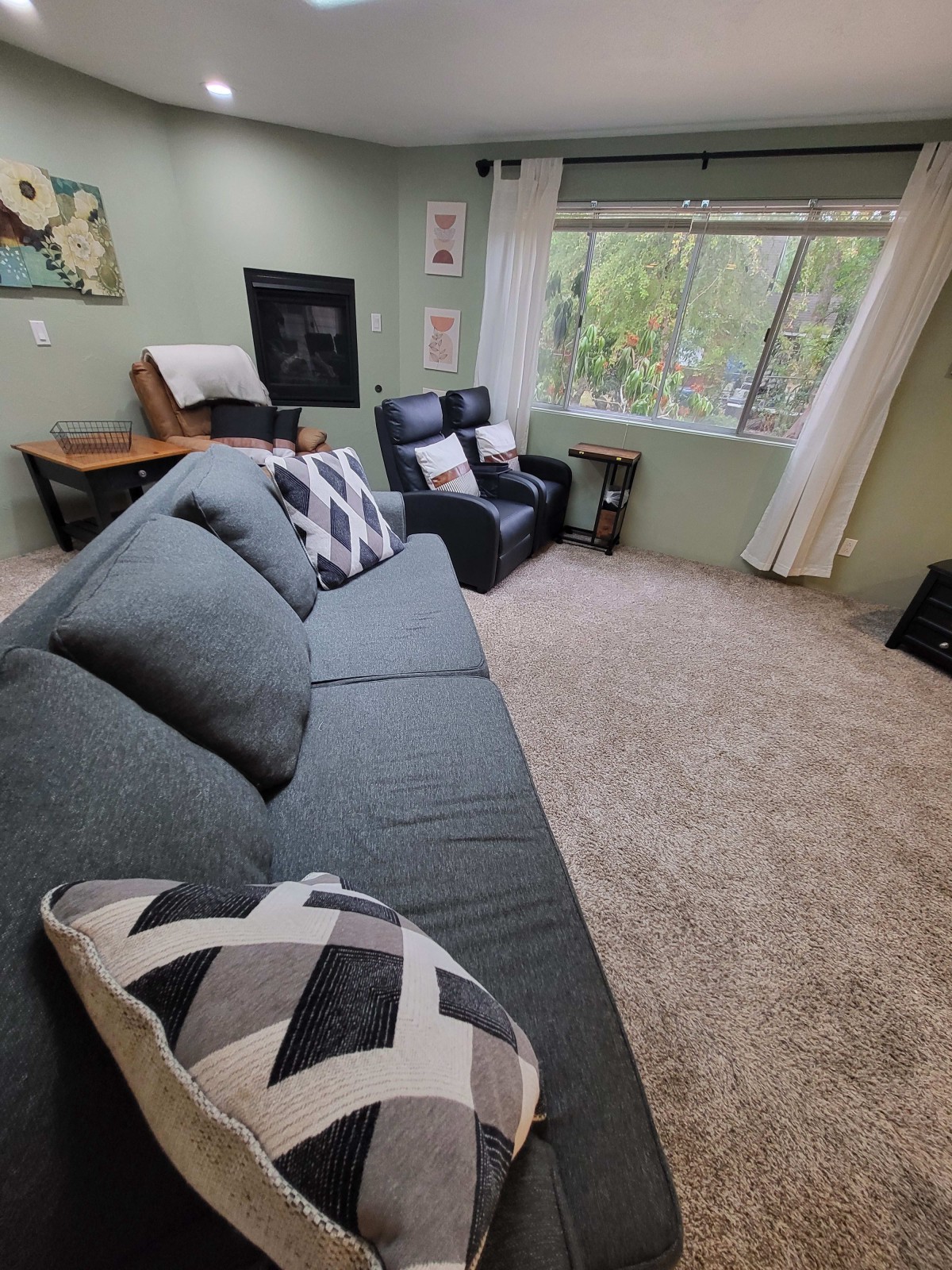
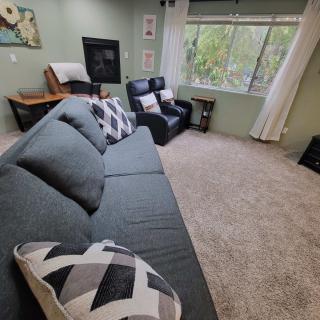
The Young House in Tacoma, WA is an assisted living community that specializes in providing memory care for individuals with dementia or Alzheimer's disease. Our spacious and comfortable apartments are equipped with amenities such as cable or satellite TV, fireplaces, full kitchens, and private patios, decks, or balconies that offer residents a cozy and convenient living space.

We prioritize the comfort and convenience of our residents by ensuring that all units are on the ground floor and wheelchair accessible. Our team of compassionate caregivers provide high acuity care to meet the specific needs of each resident, including incontinence care and medication management.

At The Young House, we believe in promoting a healthy and fulfilling lifestyle for our residents. With our dining services, we offer a wide range of dietary options such as gluten-free, kosher, low/no sodium, organic, vegan, vegetarian meals. Residents can enjoy delicious and nutritious dishes prepared by our skilled chefs in a restaurant-style dining setting or opt for room service if preferred.

Engaging activities are an integral part of life at The Young House. We offer various religious services including Catholic Masses and Protestant services led by visiting chaplains or priests. There are also opportunities for Bible study groups, cooking classes, devotional activities both on-site and offsite to cater to different spiritual preferences. Nearby cafes, parks, pharmacies, physicians' offices, restaurants, transportation options like shuttles or public transit stations ensure easy access to essential services.

For those seeking short-term stays or respite care needs, The Young House offers such accommodations as well. With our dedication to providing quality care and support in a warm and inviting environment surrounded by beautiful gardens views while being conveniently located near hospitals and theaters - The Young House is the perfect choice for individuals seeking memory care assistance in Tacoma.

Nearby Places of Interest

This part of Tacoma, Washington, offers a variety of amenities and services that cater to the needs of seniors looking for a vibrant community to call home. With several parks nearby, including Fort Steilacoom Off-Leash Dog Park and Sunnyside Beach Park, residents can enjoy outdoor activities and leisurely strolls in natural surroundings. The area also features convenient access to healthcare facilities such as Madigan Army Medical Center and pharmacies like Walgreens and CVS Pharmacy. In terms of dining options, there are popular chains like Applebee's and Chick-Fil-A, as well as local favorites such as MOD Pizza and Hess Bakery & Deli. Additionally, transportation is made easy with Lakewood Station Sounder train nearby for those who prefer public transit. Places of worship like St Mary's Catholic Church provide spiritual support for individuals seeking religious communities. Overall, this neighborhood offers a diverse range of resources that make it an appealing choice for seniors seeking a convenient and welcoming environment to live in Tacoma.

Parks

  • Fort Steilacoom Off-Leash Dog Park (0.7 miles)
  • Ft. Steilacoom Park (0.9 miles)
  • Sunnyside Beach Park (1.7 miles)
  • Conservation Park (3 miles)
  • Chambers Bay Park Playground (3.4 miles)
  • Titlow Park (5.8 miles)
  • Sheridan Park (7.2 miles)

Hospitals

  • Child Study & Treatment Center (1.1 miles)
  • Va Hospital American Lake (2 miles)
  • Madigan Army Medical Center (3.7 miles)
  • MultiCare (6.6 miles)

Pharmacies

  • Walgreens (1.3 miles)
  • CVS Pharmacy (2.1 miles)
  • Walgreens (2.1 miles)
  • Rite Aid (2.4 miles)
  • Fred Meyer Pharmacy (3 miles)
  • Walgreens (3.7 miles)
  • Rite Aid (4.2 miles)

Restaurants

  • Applebee's (2 miles)
  • MOD Pizza (2 miles)
  • Hess Bakery & Deli (2 miles)
  • Jersey Mike's (2 miles)
  • Taco Bell (2.1 miles)
  • Rush Bowls (2.3 miles)
  • Chick-Fil-A (2.4 miles)

Theaters

  • AMC Lakewood Mall 12 (2.3 miles)

Physicians

  • American Lake (2.3 miles)
  • Pacific Medical Prosthetics and Orthotics (2.7 miles)
  • Liu Beth Beth Liu Md Lakewood (3.1 miles)
  • Hanmi General Medical Clinic (3.7 miles)
  • Cascade Eye & Skin Centers, PC (3.9 miles)
  • Maureen A. Mooney, MD (3.9 miles)
  • Olsen & Associates (4.1 miles)

Cafes

  • Panera Bread (2.3 miles)
  • Starbucks (3 miles)
  • Starbucks (5.5 miles)
  • Panera Bread (5.8 miles)
  • Starbucks (5.9 miles)
  • Starbucks (6.3 miles)
  • Starbucks (7.1 miles)

Transportation

  • Lakewood Station Sounder train (3 miles)

Places of Worship

  • St Mary's Catholic Church (5.9 miles)
  • Iglesia Ni Cristo (6.1 miles)

Frequently Asked Questions

How much does it cost to live at The Young House in Tacoma, WA?
Where is The Young House?
Does The Young House provide care for residents with dementia or Alzheimer's disease?
Does The Young House allow residents to have pets?
What photos are available for The Young House in Tacoma, Washington?

Nearby Communities

  • Brooks House II

    Brooks House II

    Lakewood, WA

     
    $4,000 / month

    pro Specialized memory care with on-site amenities and diverse dining.

  • Great Care Manor

    Great Care Manor

    Lakewood, WA

    5 from 3 reviews
    $3,000 to $3,500 / month

    pro Strong medication management and reliable transportation.

  • The Good Shepherd

    The Good Shepherd

    Lakewood, WA


    pro Convenient access to cafes, parks, pharmacies, restaurants, transportation, and entertainment nearby.

  • Over the Hill AFH

    Over the Hill AFH

    Lakewood, WA

     
    $2,000 to $3,500 / month

    pro Competitive, affordable pricing with comprehensive care services and multiple on-site amenities.

  • Cartier's Adult Family Home

    Cartier's Adult Family Home

    Lakewood, WA

     
    $3,200 to $3,500 / month

    pro Affordably priced memory care with available private rooms and on-site/off-site activities.

  • Casa De Alegre

    Casa De Alegre

    Lakewood, WA

    5 from 2 reviews
    $6,000 to $6,500 / month

    pro Home-like setting with compassionate, attentive staff and clean, well-maintained facilities.

  • The Oaks At Lakewood

    The Oaks At Lakewood

    Tacoma, WA

    4.2 from 80 reviews
    $5,850 to $6,300 / month

    pro Extensive amenities and active programs; convenient location

  • The Village Senior Living

    The Village Senior Living

    Tacoma, WA

    4.1 from 80 reviews
    $2,650 to $5,750 / month

    pro Improved care and services under new management, with better meals, engaging activities, and a welcoming atmosphere.

  • Vintage at Tacoma

    Vintage at Tacoma

    Tacoma, WA

    3.1 from 100 reviews
    $755 to $900 / month

    pro Long-term resident engagement with pet-friendly amenities and on-site services.

Related Resources

  • dementia careA Holistic Dementia Care Guide: Effective Strategies for Memory Support

    The guide on holistic dementia care outlines the complexity of dementia and stresses the need for individualized caregiver strategies that include medical treatment, psychological support, and environmental adaptations, while emphasizing early detection, various therapeutic options, and caregiver support to enhance quality of life and maintain dignity.

  • dementia careMemory Care Pathways: A Holistic Guide to Dementia Support

    "Memory Care Pathways: A Holistic Guide to Dementia Support" outlines the complexities of dementia and its various types, emphasizing early detection, patient-centered care strategies, caregiver support, and long-term care options while addressing legal and financial considerations to enhance the quality of life for individuals with dementia and their families.

  • sundown syndromeComprehending Evening Confusion in Dementia: Causes, Manifestations, and Support
    Sundown syndrome, or sundowning, is a phenomenon in dementia patients characterized by increased confusion and agitation during late afternoon and evening, influenced by factors like disrupted circadian rhythms and fatigue. Effective caregiver strategies include establishing routines and managing environmental light while addressing caregiver stress through support services.