
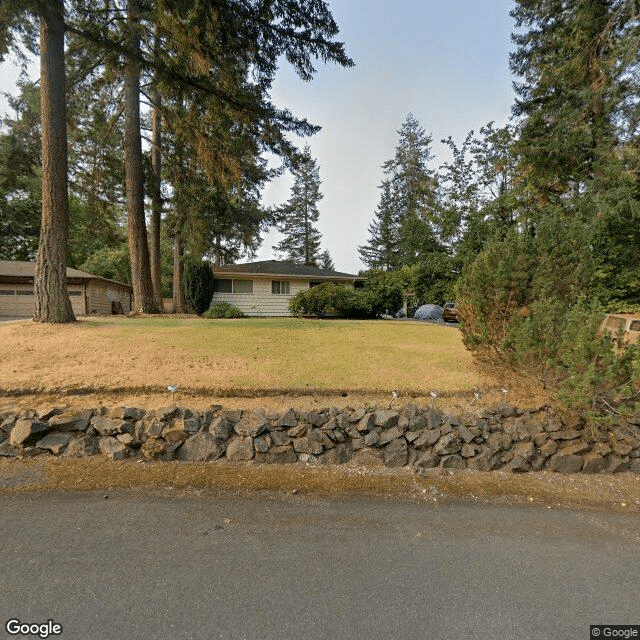
8422 Alva Ave SW, Lakewood, WA 98498
To contact a resident: (253) 588-8377
For more information about senior living options: (866) 208-4318
Fannie & Earl Careful Caring Costs & Pricing
Fannie & Earl Careful Caring offers competitive pricing in comparison to both Pierce County and the broader state of Washington for various room types. For semi-private accommodations, the monthly cost at Fannie & Earl is $3,000, significantly lower than the county average of $4,264 and the state average of $4,267. In terms of private rooms, while Fannie & Earl's charge of $5,500 is higher than the county's average of $4,623 and the state's average of $4,772, it reflects a commitment to quality care that may justify the additional expense. Similarly, for studio apartments priced at $5,500 - a premium over both county and state averages ($4,039 and $4,126 respectively) - the facility emphasizes its value proposition through enhanced services or amenities. Overall, Fannie & Earl Careful Caring presents an appealing option for those seeking affordability in semi-private settings while maintaining high standards across other accommodation choices.
| Floor plans | Fannie & Earl Careful Caring | Pierce County | Washington |
|---|---|---|---|
| Semi-Private | $3,000 | $4,264 | $4,272 |
| Private | $5,500 | $4,623 | $4,774 |
| Studio | $5,500 | $4,039 | $4,128 |
Memory care communities with a similar price nearby
-
About the same

Hummingbird Homecare
$3,000 / month16.3 miles away -
About the same
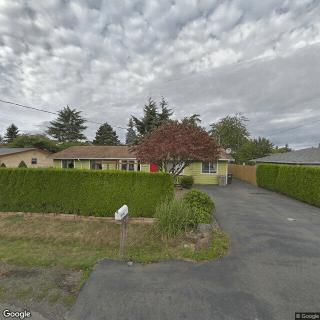
Home Care in Kent Inc.
$3,000 to $3,500 / month22.8 miles away -
from +$500 / mo

Twin Lakes Haven Adult Family Home
$3,500 to $8,000 / month14.4 miles away -
from +$500 / mo
Ahadi Care Adult Family Home
$3,500 to $4,000 / month13.3 miles away -
About the same
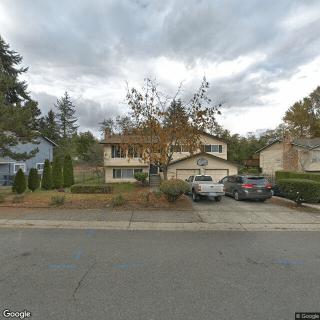
Meridian AFH II
$3,000 to $3,500 / month13.1 miles away
Overall Review of Fannie & Earl Careful Caring
Pros
 The facility is a lovely place with wonderful staff.
- The staff provide extremely good care, alleviating family worries.
- The place is highly recommended and truly a blessing.
- The staff are very nice and the facility is very clean.
- The staff ensure tenants are showered daily and there is always someone available.
- Meals are home-cooked with fresh fruit every day.
- It is described as a little slice of heaven, with families happy there was space for their grandma.
- The grandmother has received the best care ever.
Review
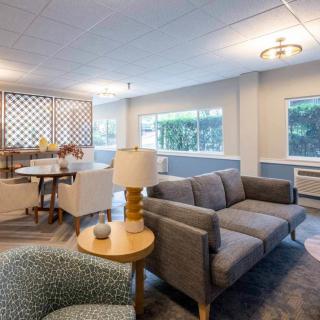
This Lakewood, Washington community is best suited for families seeking a small, intimate assisted living where personal attention is constant and care feels like a home-cilled extension of family life. The setting appeals to residents who value reliable daily routines, visible staff presence, and a warm, clean environment over a large campus with formal programming. It suits elders who want to be known by name, who appreciate daily assistance with grooming and meals, and who respond to a hands-on caregiver culture where staff are readily available and engaged with both residents and families.
For families weighing alternatives, there are clear reasons to widen the search. If a loved one requires robust, on-site medical oversight, a broad slate of memory-care services, or a rehab-focused program, a larger facility with specialized units may be a better fit. Programs that emphasize expansive activity calendars, nurse-led clinics, or structured clinical care often outpace small operators. Proximity to physicians, access to transportation for appointments, and the ability to scale care quickly as needs evolve are also factors that can push families toward bigger campuses.
The strongest pros here, staff warmth, consistent attentiveness, and scrupulous cleanliness, tend to offset the natural limits of a smaller operation. Residents benefit from a level of hands-on support that makes daily life predictable and reassuring: help with showers, reminders for routines, and a sense that someone is always nearby. The evenings and mealtimes come across as genuinely home-like, with home-cooked meals and fresh fruit cited as reliable highlights. Owner involvement is repeatedly noted as a meaningful point of contact, which translates into transparent communication and a feeling of governance that isn’t always present in larger communities. In short, the emotional and practical security these factors deliver often surpass the gaps that come with a smaller care setting.
Prospective residents should verify a few practical realities during visits. First, assess the actual caregiver-to-resident dynamic: look for hands-on supervision, verify who handles daily tasks, and observe whether staff can respond promptly to calls. Second, confirm the structure around meals, grocery quality, and how dietary preferences are managed, home-cooked meals and fresh fruit are definite strengths, but it helps to see a current menu and ask how menus accommodate restrictions. Third, explore how the owner’s involvement translates into day-to-day care, whether there is a formal care-planning process, and how families are updated about changes in health or routines. Finally, request a realistic view of activities, transportation options, and any extra charges that can subtly affect monthly costs.
The rating history, two five-star reviews indicating a highly favorable impression, signals strong early satisfaction and a track record of positive experiences for families who prioritize warmth and personal touch. While the data pool is small, the depth of praise around staff dedication, cleanliness, and reliable daily care provides a credible signal. Caution suggests pairing these signals with independent, current references and a firsthand tour to confirm that the quality stays consistent over time and isn’t tied to a few standout staff members.
For families where the priority is a homey, attentively staffed environment with dependable daily care, this community presents a compelling case. The evident strengths, open owner communication, clean, well-maintained spaces, and a daily rhythm built around meals and personal care, form a solid foundation for trust. However, if the plan is to secure highly specialized medical care, dementia-specific programming, or a vast network of on-site services, alternatives should be explored in parallel. A targeted tour will reveal whether the intimate setting can scale with evolving needs while preserving the core benefits that drive satisfaction for current residents and their families.
 Board and Care Home
 Memory Care
 Activities off-site
 Bath tubs
 Beautician on-site
 Devotional services off-site
 Indoor common areas
 Outdoor common areas
 Private
 Respite or short term stays offered
 Wheelchair accessible showers
 Seattle-Tacoma International (23 miles away)
 Diabetic care
 High acuity care
 Incontinence care
 Medication management
 Kosher
 Christian services

 8 Key Indicators That Suggest It May Be Time to Transition from Assisted Living to Skilled Nursing Care
 Nourishing the Mind: Essential Dietary Approaches for Dementia
 Understanding Dementia Behaviors: Practical Insights and Strategies for Caregivers