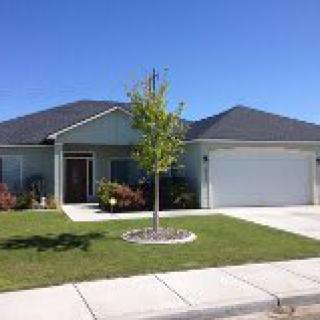
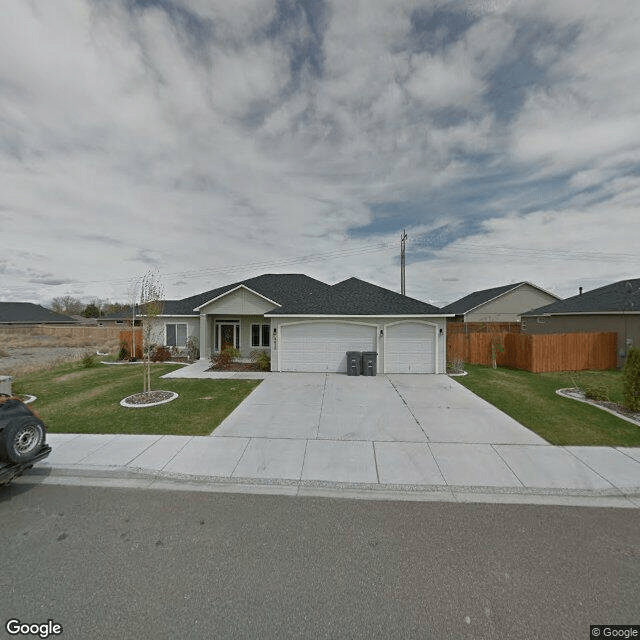
8610 West Bruneau Ave, Kennewick, WA 99336
To contact a resident: (509) 619-0212
For more information about senior living options: (866) 208-4318
Careing Hands Adult Family Home Costs & Pricing
Careing Hands Adult Family Home offers competitive pricing for its services, positioning itself as a cost-effective choice within Benton County and the broader Washington state. For a semi-private room, residents can expect to pay $3,500 per month, which is notably lower than the county average of $3,824 and the state average of $4,267. Those opting for a private room at Careing Hands will find themselves at $4,000 monthly - a price that remains under both Benton County's average of $3,913 and the state's higher benchmark of $4,772. Additionally, for individuals seeking more spacious accommodations in a one-bedroom setting, Careing Hands sets its fee at $5,000 per month. This rate is more economical than the county's average of $4,001 and significantly less than the statewide average of $4,632. Overall, Careing Hands Adult Family Home provides an appealing balance of quality care and affordability in comparison to local and regional alternatives.
| Floor plans | Careing Hands Adult Family Home | Benton County | Washington |
|---|---|---|---|
| Semi-Private | $3,500 | $3,824 | $4,272 |
| Private | $4,000 | $3,913 | $4,774 |
| 1 Bedroom | $5,000 | $4,001 | $4,634 |
Memory care communities with a similar price nearby
-
from -$500 / mo
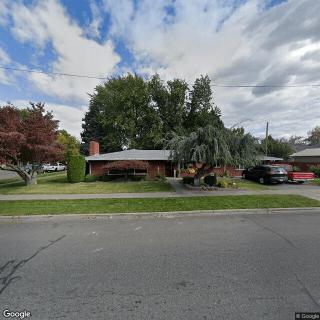
Abundance of Life AFH
$3,000 / month6.7 miles away -
from +$114 / mo
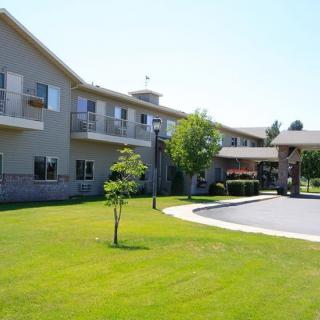
Sun Terrace Prosser
$3,614 to $4,411 / month24.4 miles away -
About the same
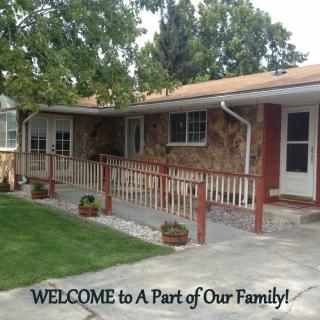
A Part of Our Family
$3,500 / month4.0 miles away -
from -$425 / mo

Guardian Angel Homes
$3,075 to $3,675 / month6.0 miles away -
About the same
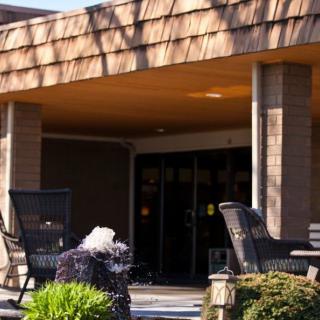
Tri-Cities Retirement Inn
$3,600 to $4,900 / month6.1 miles away
Overall Review of Careing Hands Adult Family Home
Pros
 The residents are extremely loved and happy at this home.
- The staff are smiling and have wonderful attitudes.
- The facility is a really nice, clean place in town and highly recommended for care.
- The staff are really great and work well with families.
- The rooms are clean and very comfortable.
- The mother-in-law has been there for two years and is well taken care of and very happy.
- Annaliese, the resident manager, is kind and knowledgeable, and residents are well taken care of and enjoy living there.
- The staff are extremely friendly and seem to actually care about the residents and what they like.
- Caring Hands specializes in dementia care and treats residents with love, dignity and patience.
Cons
 The reviewer felt that residents were being sent by their families to spend their last days there.
- The reviewer noted that the other residents were older and/or bedridden and did not offer much socialising opportunity.
- The reviewer described other facilities as number-based and not caring about who the resident actually was.
- The resident’s personality was such that he found fault with every facility he tried, including the hospital.
Review
This community is best suited for families seeking dementia-focused, around-the-clock care in a small, home-like setting. Careing Hands stands out when a loved one needs steady supervision, compassionate daily support, and personalized attention delivered in a warm, intimate environment. The owner-operator role of Annaliese and a consistently caring staff create a culture of genuine affection, patience, and continuity that can be crucial for memory-impaired residents. Clean, comfortable rooms and a housekeeping standard that feels more like a family home than a clinical facility reinforce the sense of security and predictability families crave. In short, this is a strong fit for dementia care where dignity, routine, and a human touch matter most.
Those who may want to consider alternatives are families seeking a more active social calendar or a larger, more programming-rich setting. The reviews point to a community that is wonderfully personal, but the upside of that intimacy is a relative scarcity of broad social programming for residents who want more varied activities or who are not as frail. One note from reviewers highlights a social dynamic where many residents tend to be older or bedridden, which can limit opportunities for broader peer interaction. For a younger-onset dementia patient or someone who thrives on a busier, more diverse activity lineup, a larger assisted living with more structured events may offer better day-to-day variety.
The strongest pros here hinge on staff devotion, relationship-centered care, and medical coordination. Staff consistently come across as kind, attentive, and thoroughly engaged, with families praising 100% effort and the ability to work closely with loved ones. The owner and caregiving team are described as being highly knowledgeable and present, and the home’s culture fosters meaningful celebrations, personal connections, and a sense of belonging, factors that can significantly reduce anxiety and agitation for memory-impaired residents. The practical benefits, cleanliness, homey ambiance, and reliable management of medical needs, combine to create a trustworthy, low-stress environment that many families value deeply.
A modest caveat accompanies the otherwise glowing feedback: the intimate, small-house model can constrain social stimulation for some residents. While the setting is ideal for consistent routines and a stable atmosphere, it can feel limiting if a resident expects frequent social opportunities or a broader mix of peers. A reviewer noted a caregiver conflict, underscoring that even in highly regarded homes, interpersonal frictions can occur. Yet the onsite manager’s presence and the overall responsiveness of the leadership mitigate such issues, and the care team’s priority remains clear: pleasing families and maintaining resident well-being. These are not systemic flaws so much as situational nuances to monitor during a transition.
Viewed through a practical lens, the benefits outweigh the drawbacks when dementia care quality, emotional warmth, and reliability are the deciding factors. The dementia-specific approach translates into routines, triggers awareness, and caregiver training that help residents feel safe and understood. A home-like atmosphere reduces the sense of institutional confinement, while consistent staffing and proactive medical coordination deliver tangible peace of mind for anxious families. Personal touches, such as celebrations for birthdays and attentiveness to individual preferences, contribute to mood stability and ongoing comfort. In short, the combination of specialized care and genuine human connections often yields better daily experience and slower emotional decline for residents who value consistency over breadth of activities.
For families weighing options in Kennewick, Careing Hands offers a compelling, well-loved path for dementia care in a compact, family-oriented setting. If the priority is a warm, deeply personalized living arrangement with reliable caregiving and visible owner involvement, this community stands out as a strong candidate. Those whose priorities include a richer social calendar, more diverse peer interactions, or greater independence in a larger campus may prefer alternatives that emphasize broader programming and higher resident throughput. Prospective residents should schedule in-person visits, observe caregiver–resident interactions, inquire about daily routines, and review a current care plan to ensure alignment with the dementia trajectory. The bottom line: for families seeking honest, compassionate, dementia-centered care in a home-like environment, Careing Hands earns serious consideration and trusted recommendation.
 Board and Care Home
 Memory Care
 Activities on-site
 Devotional services on-site
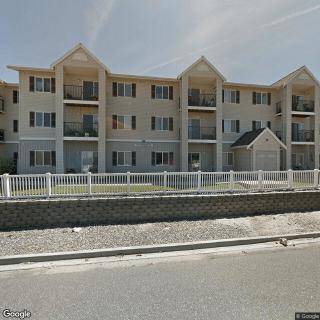
 Ground floor units
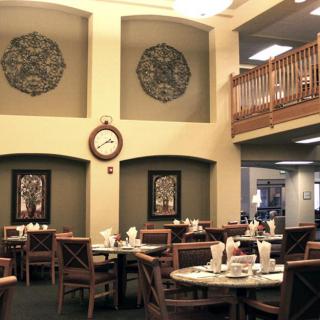
 Indoor common areas
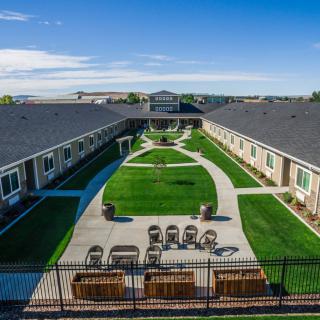
 Outdoor common areas
 Private
 Respite or short term stays offered
 Wheelchair accessible showers
 Tri-Cities (7 miles away)
 Diabetic care
 High acuity care
 Incontinence care
 Medication management
 Kosher


 Understanding Medicaid Coverage for Assisted Living: A Comprehensive Guide
 How and When Medicaid May Cover Assisted Living Costs
 A Detailed Exploration of Assisted Living Medicaid Waivers Across the United States