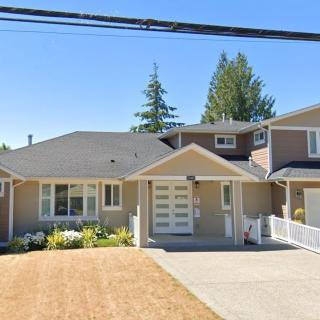
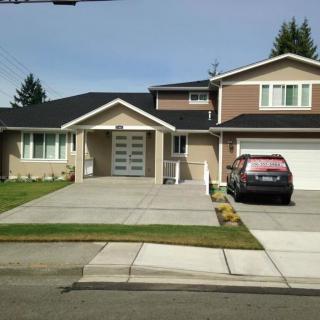
At Six Star Adult Family Home (AFH), the monthly costs for accommodations reflect the premium care and personalized services offered to residents. For both studio and private room types, the price is set at $5,500, which positions it above the county average in King County ($4,464 for studios and $5,034 for privates) as well as the broader state averages ($4,126 for studios and $4,772 for privates). This pricing structure highlights Six Star AFH's commitment to providing exceptional living conditions and comprehensive support tailored to individual needs, while still remaining competitive within the local market. Residents can expect a higher level of service and comfort that justifies this investment in their well-being.
Floor plans
Six Star AFH
King County
Washington
Studio
$5,500
$4,464
$4,128
Private
$5,500
$5,034
$4,774
Memory care communities with a similar price nearby
Residents and families often describe caregivers as compassionate and responsive.
A common theme across the reviews is that caregivers provide attentive, compassionate support, and families feel comfortable raising concerns. Multiple reviewers mention responsiveness from the house manager and staff, including during periods when needs were increasing. Even in the fully positive reviews, residents are described as feeling cared for and safe, with families appreciating communication and follow-through.
common6 reviews mention this
Cleanliness and home upkeep stand out
Families frequently point to a consistently clean, odor-free home.
Several reviews emphasize cleanliness and upkeep, including spotless spaces and a fresh, clean smell when entering. Others describe hygiene tending promptly and common areas being kept clean and bright. One reviewer also calls out odor-free areas and the overall maintenance of the environment.
common5 reviews mention this
Meals are described as nutritious and tasty
Meals are repeatedly described as nutritious and enjoyable.
Dining shows up as a steady positive in the reviews, with families describing meals as nutritious and well balanced. Some reviewers add that food tastes good, and one notes their loved one seems to like the meals. Another review says individual dietary needs were accommodated, alongside an overall positive view of the food.
caveat3 reviews mention this
Activities get mixed feedback
Activity programming can feel limited depending on the resident.
While some reviewers say there are activities like books, games, puzzles, and television, others describe not seeing much activity during their visits. One review directly explains that the available activities depend on a resident’s interest and ability. Another mentions the resident’s routine without a lot of conversation, reinforcing that the day-to-day social and activity feel varies.
caveat2 reviews mention this
Some reviewers report serious care failures
A minority of reviews describe inadequate staffing and poor treatment.
Two reviews raise serious concerns about care quality, including a case where a resident was reportedly found soiled and staff were said to be short-handed when help was requested. That same reviewer also reports disagreements about what caregivers told their owners. Another negative review focuses on employee treatment, alleging harmful workplace conditions.
How we summarize
Counts show how many written reviews mention each theme; a review can touch several themes, and only frequently mentioned themes are displayed.
Features
Types of Care
Board and Care Home
Memory Care
Amenities
Activities off-site
Activities on-site
Bath tubs
Devotional services off-site
Devotional services on-site
Indoor common areas
Outdoor common areas
Private
Private bathrooms
Respite or short term stays offered
Wheelchair accessible showers
Transportation
Seattle-Tacoma International (12 miles away)
Care Services
Ambulatory care
Diabetic care
High acuity care
Incontinence care
Medication management
Dining
Kosher
Meals provided
Vegetarian
Activities
Activities off-site
Activities on-site
Devotional activities offsite
Devotional activities on-site
Nearby Places of Interest
This part of Federal Way, Washington offers a convenient and diverse range of amenities for seniors looking to live in the area. The neighborhood is home to various dining options such as Jack In The Box, Wendy's, and Traditional Korean Beef Soup, providing easy access to a variety of cuisines. Additionally, there are several cafes like Starbucks and Dutch Bros Coffee nearby for those who enjoy a relaxing cup of coffee. For medical needs, there are hospitals like St Francis Hospital and physicians' offices such as Pediatrics NW in close proximity. Pharmacies like Rite Aid and Walgreens are also readily available for medication needs. Parks like Steel Lake Park and French Lake Off-Leash Dog Park offer opportunities for outdoor recreation and relaxation. Overall, this area provides a well-rounded mix of amenities that cater to the needs of seniors looking for a comfortable living environment in Federal Way.
Restaurants
Jack In The Box (1 miles)
Del Taco (1.1 miles)
Wendy's (1.1 miles)
Chick-Fil-A (2.6 miles)
McDonald's (2.7 miles)
McDonald's (2.9 miles)
Traditional Korean Beef Soup (3.1 miles)
Cafes
Starbucks (1 miles)
Starbucks (1.8 miles)
Dutch Bros Coffee (3.4 miles)
Starbucks (3.7 miles)
Auburn Way Big Foot Java (4.1 miles)
Starbucks (4.4 miles)
Rivers Edge Cafe (5.7 miles)
Hospitals
Federal Way Community Dialysis (1.2 miles)
St Francis Hospital (1.3 miles)
St Francis Sleep Disorders Clinic (1.5 miles)
St. Francis Hospital (1.5 miles)
Multicare Health System (6.3 miles)
Physicians
Pediatrics NW (1.4 miles)
Digestive Health Specialists (1.9 miles)
Wyman Carl MD (2.1 miles)
Federal Way Dental (2.7 miles)
Lateef J Harper MD | Kaiser Permanente (2.9 miles)
At Six Star Adult Family Home (AFH), the monthly costs for accommodations reflect the premium care and personalized services offered to residents. For both studio and private room types, the price is set at $5,500, which positions it above the county average in King County ($4,464 for studios and $5,034 for privates) as well as the broader state averages ($4,126 for studios and $4,772 for privates). This pricing structure highlights Six Star AFH's commitment to providing exceptional living conditions and comprehensive support tailored to individual needs, while still remaining competitive within the local market. Residents can expect a higher level of service and comfort that justifies this investment in their well-being.
Medication management at Six Star AFH ensures that residents receive their prescribed medications accurately and on time, which is vital in maintaining their health and managing symptoms associated with dementia and Alzheimer's disease. This structured approach reduces the risk of medication errors, thereby enhancing the overall well-being of residents. Incontinence care offers compassionate support tailored to individual needs, promoting dignity and comfort for those facing such challenges. By addressing these sensitive issues promptly and effectively, Six Star AFH creates a nurturing environment that helps alleviate stress for both residents and their families, ultimately contributing to a higher quality of life for individuals experiencing cognitive decline.
Dementia encompasses a range of cognitive impairments characterized by types such as Alzheimer's and vascular dementia, and follows a seven-stage progression model known as the Global Deterioration Scale (GDS), highlighting varying symptoms and decline timelines. Early detection allows for lifestyle adjustments to potentially slow progression, while caregivers need support and resources to manage the challenges involved in caring for affected individuals.
The article presents eight strategies for preserving cognitive health and memory in older adults, emphasizing a nutrient-rich diet, regular exercise, intellectually stimulating activities, adequate sleep, social connections, stress management techniques, limiting harmful substances, and regular medical checkups to mitigate age-related memory decline.
Activities of Daily Living (ADLs) are fundamental tasks vital for an individual's independence, particularly in older adults over 85, and include functions like bathing and dressing; assessing ADLs alongside Instrumental Activities of Daily Living (IADLs) helps determine the level of required assistance due to age-related health challenges. Tailored support plans, involving family and community resources, are essential for maintaining dignity and autonomy in assisted living environments.
Get PricingAsk A QuestionSchedule A TourContact Senior Advisor
By clicking submit, you agree to our Partner's Terms of Use. You
also consent to receive calls and texts, which may be autodialed, from our Partner. Your consent is not a condition to
using our Partner's service. Please visit our Partner's Privacy Policy for information about their privacy practices.


 Board and Care Home
 Memory Care
 Activities off-site
 Bath tubs
 Devotional services off-site
 Indoor common areas
 Outdoor common areas
 Private
 Private bathrooms
 Respite or short term stays offered
 Wheelchair accessible showers
 Seattle-Tacoma International (12 miles away)
 Ambulatory care
 Diabetic care
 High acuity care
 Incontinence care
 Medication management
 Kosher
 Competitive pricing for semi-private and private rooms compared with county and state averages.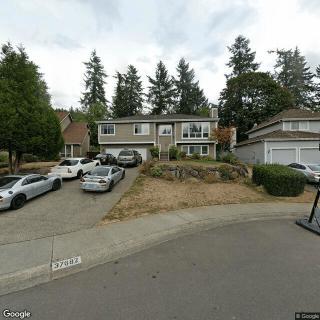

 Understanding Dementia Through Its Seven Stages: A Comprehensive Look at Progression and Expectations
 Safeguarding Your Memory Through the Golden Years: Eight Ways to Preserve Cognitive Health
 Comprehensive Insights into Activities of Daily Living (ADLs) and Their Assessment