
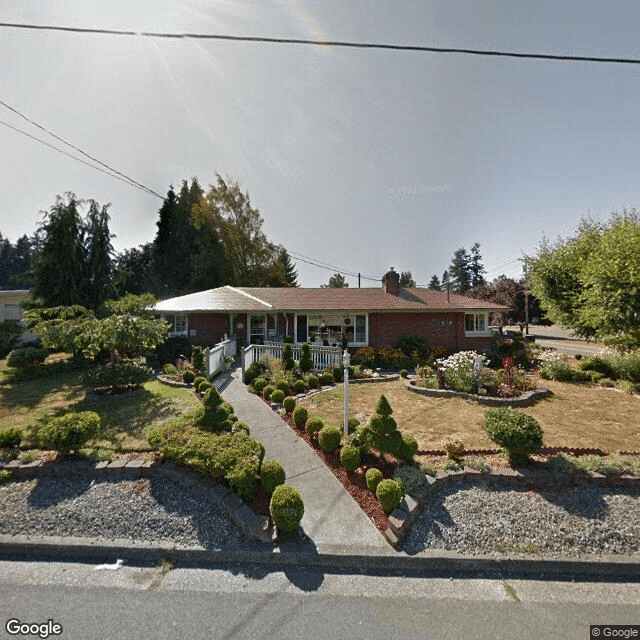
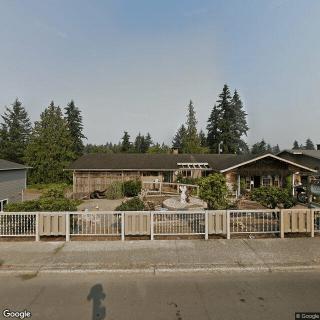
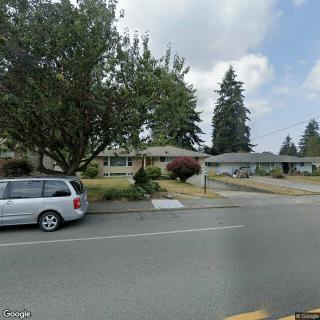
4702 Alger Ave., Everett, WA 98203
To contact a resident: (425) 257-0609
For more information about senior living options: (866) 208-4318
Cole AFH Costs & Pricing
Cole AFH offers competitive pricing for its care options, particularly when compared to both Snohomish County and the broader Washington state averages. For private rooms, Cole AFH's monthly cost of $4,500 is quite attractive, being lower than Snohomish County's average of $4,834 and slightly above the state average of $4,772. In the semi-private category, Cole AFH aligns with its peers at $4,500 while offering a more favorable rate than Snohomish County at $4,320 and Washington state at $4,267. However, when it comes to studio accommodations, Cole AFH's price point of $6,000 exceeds both county ($4,443) and state ($4,126) averages by a significant margin. Overall, while Cole AFH provides an appealing value for most room types relative to local competition, potential residents or their families should consider the unique features and services offered when evaluating the higher studio rates.
| Floor plans | Cole AFH | Snohomish County | Washington |
|---|---|---|---|
| Private | $4,500 | $4,834 | $4,774 |
| Semi-Private | $4,500 | $4,320 | $4,272 |
| Studio | $6,000 | $4,443 | $4,128 |
Memory care communities with a similar price nearby
-
About the same
We Care Adult Family Home
$4,500 to $8,000 / month0.8 miles away -
from +$500 / mo
Abundant Life Lynnwood
$5,000 to $6,000 / month6.4 miles away -
About the same
Happy Family Adult Family Home 2
$4,500 / month14.2 miles away -
About the same
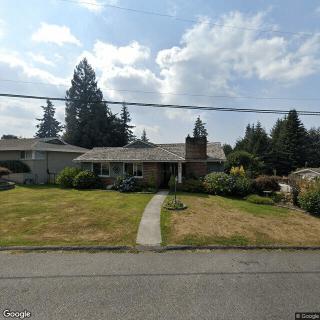
Amy's Adult Care Home
$4,500 / month1.0 miles away -
About the same

Happy Family Adult Family Home 3
$4,500 to $5,500 / month17.4 miles away
Overall Review of Cole AFH
Pros
 The business is run by professional people in a great neighborhood.
- It is clean and very convenient for people who need care.
- The setting feels like a home thanks to the small family home atmosphere.
- The staff are interactive, kind, and caring toward patients.
- Families report being very pleased with the care and would recommend the home to others seeking an adult family home.
Cons
 The owner was immediately upset about the sleepwalking incident.
- Management's response to the incident was "this can't happen," signaling a dismissive attitude toward safety concerns.
- The owner locked the loved one in his room.
- They did not give a proper 30-day notice and just put him out.
- The owner yelled at the reviewer about the lock and demanded payment for a new one.
- The experience was extremely traumatic for both the loved one and the reviewer.
- The move to three different environments within a week caused confusion and anxiety for the loved one.
- Cole AFH did not require any paperwork, raising concerns that they may not be registered or licensed.
- The reviewer cautioned that the facility is not suitable for those needing more attention and advised staying far away.
Review
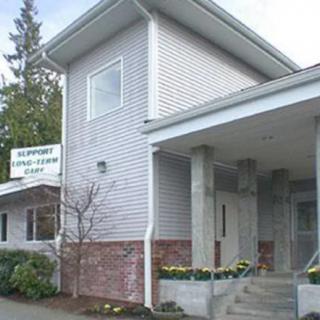
Cole AFH in Everett is best suited for families seeking a small, home-like setting where seniors receive personalized attention from a professionally run, neighborhood-based operation. The facility presents as clean, orderly, and convenient, with an emphasis on a domestic atmosphere rather than a large, impersonal campus. It works well for residents who do not require intensive medical interventions and who benefit from intimate staffing, consistent daily routines, and the feel of a family home rather than a hospital-like environment.
Yet, families should weigh alternatives if the loved one requires advanced supervision or specialized memory care. One review recounts a dementia-related sleep-walking incident that escalated to abrupt removal from the home, with management reacting defensively rather than instituting proactive safety measures. The account raises questions about night-time supervision, door safety, and the practicality of accommodating a resident with Alzheimer’s in a setting designed for lower-acuity needs. The same reviewer also questions licensing and paperwork practices, suggesting a need for careful due diligence before admission.
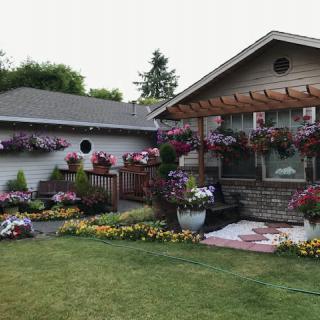
The strongest positives of Cole AFH lie in cleanliness, a genuine home atmosphere, and a small, attentive staff dynamic. Families repeatedly describe a space that feels like a true home rather than a clinical environment, where caregivers are engaging, kind, and willing to go the extra mile to accommodate individual needs. The intimate size can translate into more one-on-one time, quicker responsiveness, and a sense of belonging that larger facilities struggle to replicate. These advantages can translate into meaningful quality-of-life gains for residents who are stable and do not require constant, high-level monitoring.
However, the serious safety questions raised by the negative experience cannot be ignored. The notion of locking a resident in a room, pushing back against additional night supervision, and the absence of clear, formal notice when a move is needed collectively erode confidence in the ability to manage even modest dementia-related risks. If a resident tends to wander at night, has unstable sleep patterns, or needs consistent, structured interventions, such as locked doors, alarms, or staff sitters, these may be insufficient in this setting. Licensing ambiguity, if true, compounds the risk, because it speaks to regulatory oversight and accountability that families rely on when entrusting a loved one to care.
Practically, families evaluating Cole AFH should demand concrete assurances before admitting someone with cognitive challenges. Key steps include requesting a current, written care plan tailored to memory care needs; confirming staffing levels and night coverage; verifying licensing and enrollment with the appropriate state authorities; and seeing the safety features in place (e.g., door alarms, wander-proof measures, secure exits) and the protocol for emergencies. During the tour, insist on meeting caregivers who will be directly responsible for your relative, and ask for references from families with similar care needs. Clarify the admission process, notice requirements, and the consequences of any care plan changes to avoid abrupt transitions that compound distress.
In the end, Cole AFH can deliver a warm, engaging, and clean home environment that shines for residents who need semi-intensive care but not full-scale memory-support services. For those whose loved one’s needs are more complex, particularly around wandering, nighttime agitation, or dementia progression, alternatives with stronger dementia programming, more robust safety protocols, and clearer licensing assurances may be wiser. If choosing Cole AFH, proceed with meticulous due diligence, insist on explicit safety measures, and align expectations with the resident’s specific risk profile. This approach ensures a decision that prioritizes daily quality of life while not compromising on essential safeguards.
 Board and Care Home
 Memory Care
 Activities off-site
 Devotional services off-site
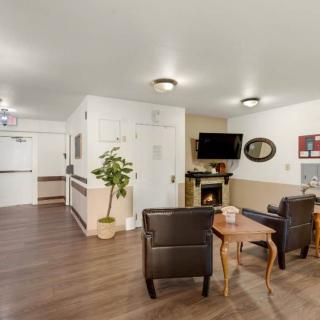
 Indoor common areas
 Outdoor common areas
 Private
 Respite or short term stays offered
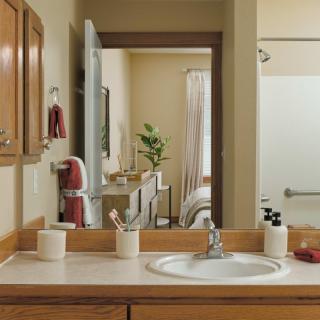
 Wheelchair accessible showers
 Diabetic care
 High acuity care
 Incontinence care
 Medication management
 Meals provided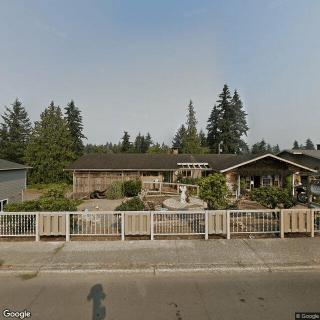


 Engaging Memory Care Activities That Enhance Quality of Life
 When to Transition from Assisted Living to Memory Care: Key Indicators, Steps, and Finding the Right Community
 Understanding the Distinctions: Assisted Living and Memory Care Explained